

Blog

HBADA X7 vs LiberNovo Omni: Smart Chair Comparison

HBADA X7 vs LiberNovo Omni: Smart Chair Comparison

Published: July 24, 2026
Last reviewed: July 24, 2026

Disclosure: This comparison is published by HBADA, the manufacturer of the HBADA X7. LiberNovo is not affiliated with, sponsored by, or endorsed by HBADA. Product specifications, warranty terms, availability, and prices were checked against publicly available sources on July 24, 2026. HBADA has not conducted a controlled side-by-side laboratory test of both chairs unless expressly stated.

HBADA X7 vs LiberNovo Omni: Smart Support, Fit and Recline Compared

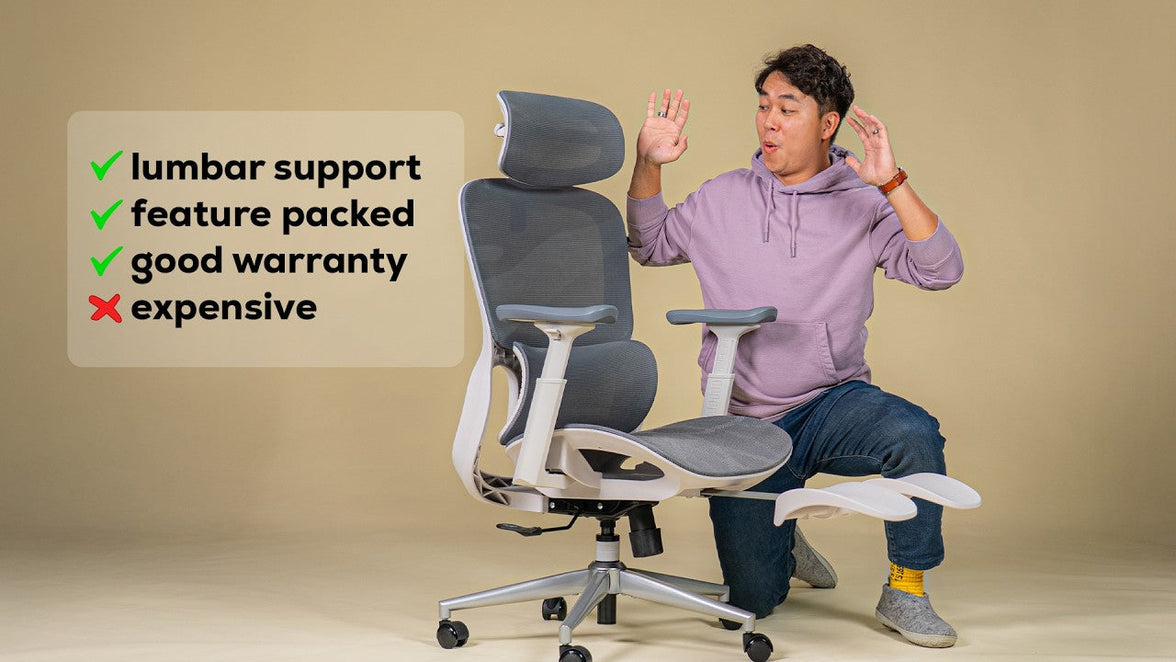
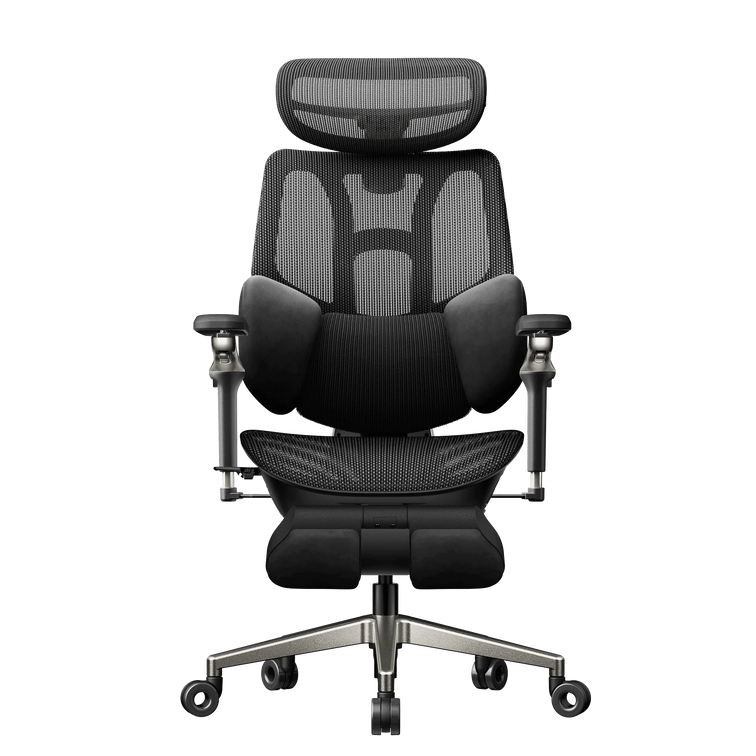
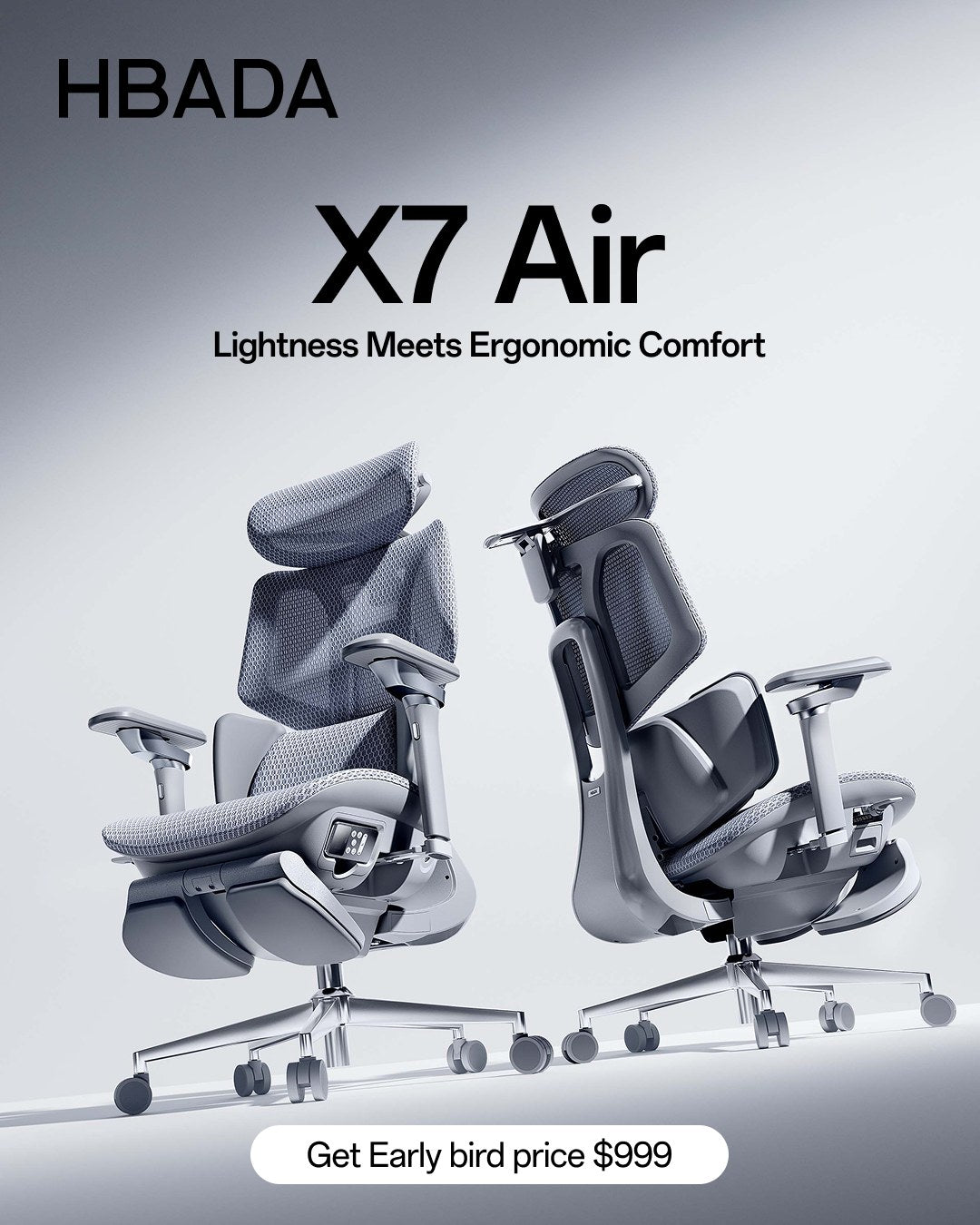
The HBADA X7 Smart Ergonomic Office Chair and the LiberNovo Omni are premium ergonomic chairs that use powered technology to adjust the way the backrest supports the user. However, they take different approaches.

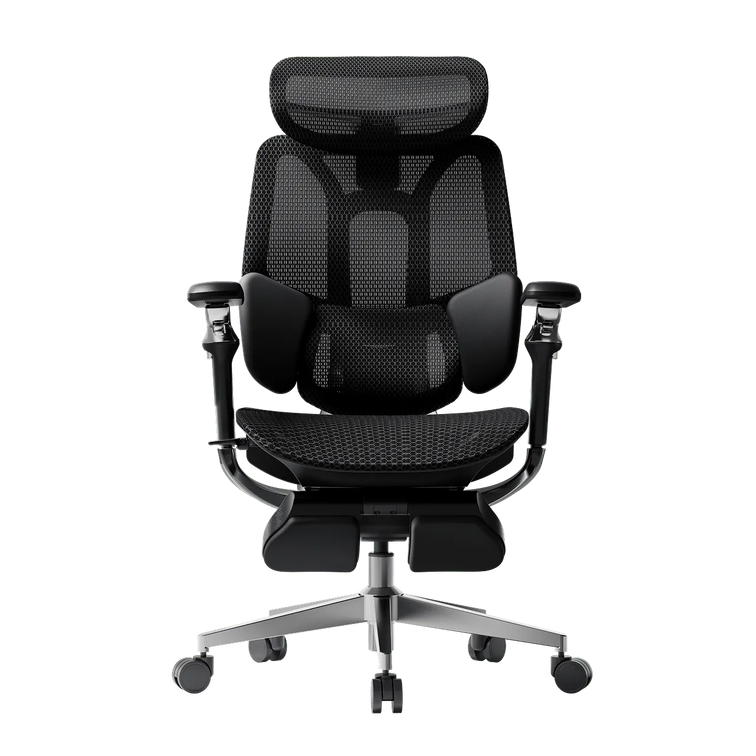
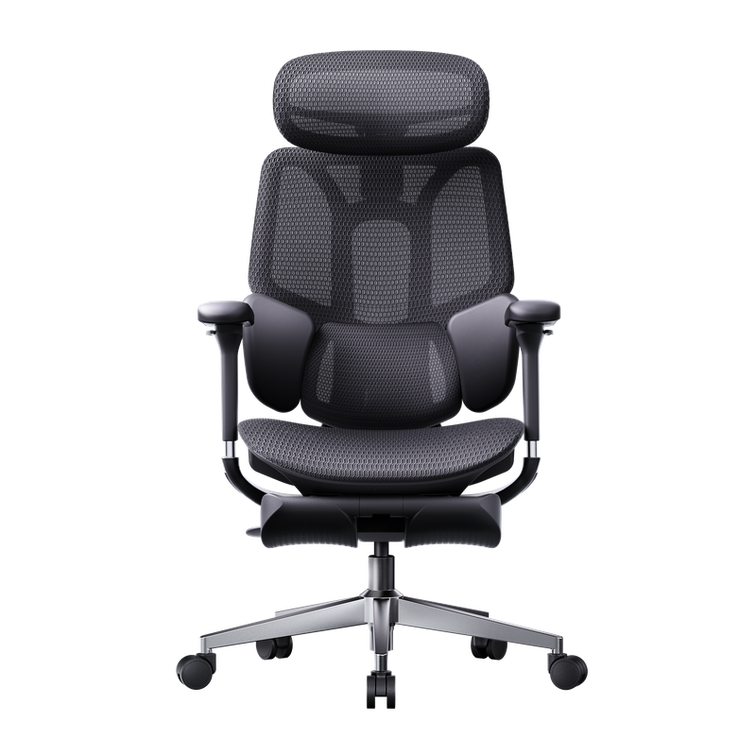
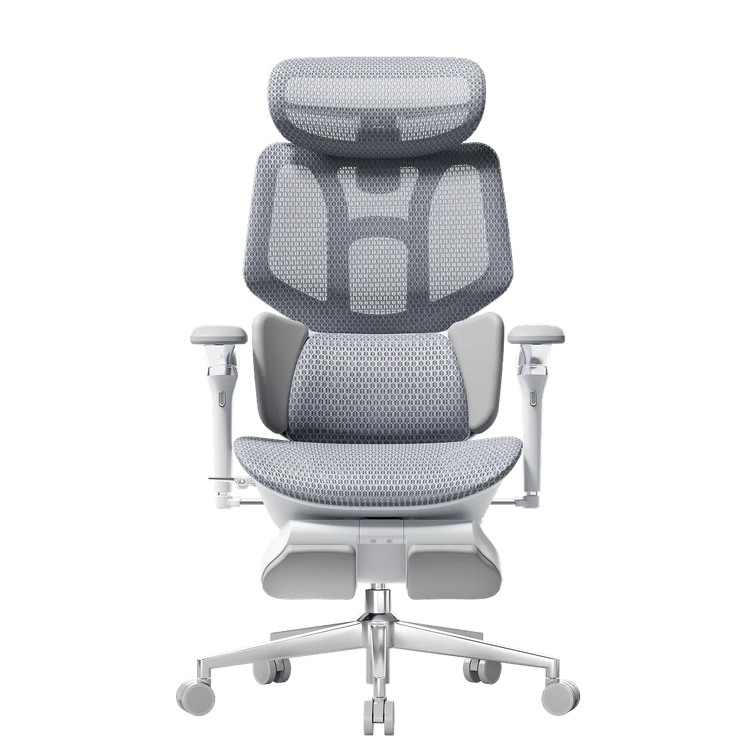
The HBADA X7 focuses on automatic lumbar tracking, mesh ventilation, integrated massage, heating, cooling, and a built-in footrest. The LiberNovo Omni focuses on cushioned comfort, motorized lumbar-depth control, spinal movement, and a deeper recline. The better choice therefore depends on whether the user prioritizes automatic support or manually controlled reclining comfort.

Quick Answer: What Is the Main Difference?

The primary difference is control. The HBADA X7 is designed to detect changes in sitting position and automatically move its lumbar support toward the user. The LiberNovo Omni uses powered controls that allow the user to manually change lumbar depth and activate its back-movement functions.

The X7 may be more suitable for people who want the chair to make ongoing support adjustments without repeatedly operating controls. The Omni may be more suitable for people who prefer a cushioned seat, deeper recline, and direct control over the powered backrest.

HBADA X7 vs LiberNovo Omni Comparison

Category HBADA X7 LiberNovo Omni
Lumbar control Automatic lumbar tracking with adjustable intensity User-controlled motorized lumbar-depth adjustment
Backrest feel Responsive mesh with floating lumbar wings Elastic fabric and cushioned back support
Seat Ventilated mesh seat with powered cooling Padded seat designed for a softer feel
Maximum recline Up to approximately 140° Up to approximately 160°
Footrest Integrated pull-out footrest Optional separate footrest, depending on package
Published weight capacity Up to 330 lb Up to 300 lb
Recovery features Massage, heating, cooling and sedentary reminder Powered lumbar movement and back-stretching modes
Best suited to Users wanting automatic support and an all-in-one feature set Users wanting cushioned comfort and deeper reclining

Specifications are based on manufacturer information and cited independent reviews available on July 24, 2026. Features can vary by model, package, region, and product revision.

How Do Their Lumbar-Support Systems Differ?

HBADA X7: automatic lumbar tracking

The HBADA X7 uses sensors, a control system, and powered movement to respond to changes in the user's sitting position. When the user leans forward or changes posture, the lumbar mechanism is designed to move closer to maintain contact. Users can adjust the tracking intensity or switch the automatic function off.

This approach may help people who frequently change position while working and do not want to readjust lumbar depth throughout the day. It does not mean that the chair diagnoses posture or provides medical treatment.

LiberNovo Omni: powered manual adjustment

The LiberNovo Omni uses a motorized actuator to move its backrest or lumbar area forward and backward. According to published reviews, the user activates these adjustments through the chair's controls rather than relying on continuous automatic tracking.

Practical conclusion: Choose based on interaction preference. The X7 emphasizes hands-free adjustment; the Omni emphasizes powered adjustment controlled by the user.

Mesh Support or Cushioned Comfort?

The HBADA X7 uses an extensively ventilated design. Its mesh construction and powered seat fans are intended to reduce heat accumulation during extended sitting. Users who work in warm rooms or dislike the heat retention of thick foam may prefer this approach.

The LiberNovo Omni uses more cushioning and elastic fabric. Independent reviewers have described it as soft and comfortable when first sitting down. Users who prefer a padded, enveloping feel may find this design more appealing than a firmer mesh surface.

Neither material is universally better. Mesh generally prioritizes airflow and responsive support, while cushioning generally prioritizes softness. Comfort remains subjective and depends on body proportions, clothing, room temperature, and sitting habits.

Which Chair Fits More Body Sizes?

HBADA publishes a recommended height range of approximately 4'11" to 6'5" for the X7, together with a maximum weight capacity of 330 lb. The X7 also provides approximately two inches of seat-depth adjustment.

Independent specifications published for the Omni list a 300 lb maximum load and a wider, comparatively deep seat. That shape may appeal to users who want more lateral space, although shorter users should verify whether their feet can remain flat while maintaining a small gap between the seat edge and the backs of the knees.

Published dimensions are only a starting point. Buyers should compare seat height, usable seat depth, armrest spacing, lumbar position, and weight capacity with their own measurements before choosing either chair.

For more options, visit the HBADA ergonomic office chair collection.

How Do Their Smart and Recovery Features Compare?

The X7 combines lumbar tracking with massage rollers, heating, powered ventilation, a sedentary reminder, adjustable armrests, an adjustable headrest, and an integrated footrest. Its appeal is the number of powered functions included in one chair.

The Omni's technology is more concentrated around its backrest. Its powered functions allow the user to change lumbar depth and activate movement intended for reclining or stretching. Its simpler feature focus may appeal to buyers who value backrest movement more than heating, ventilation, or automatic tracking.

These functions are comfort features, not medical treatments. Anyone experiencing persistent back pain, numbness, weakness, or another health concern should consult a qualified healthcare professional.

What Should Buyers Know About Warranty Coverage?

HBADA's current US warranty page states that X7 core load-bearing components—including the base, gas lift, and casters—receive five-year coverage, while other components generally receive three-year coverage. Coverage is subject to the complete warranty terms and exclusions.

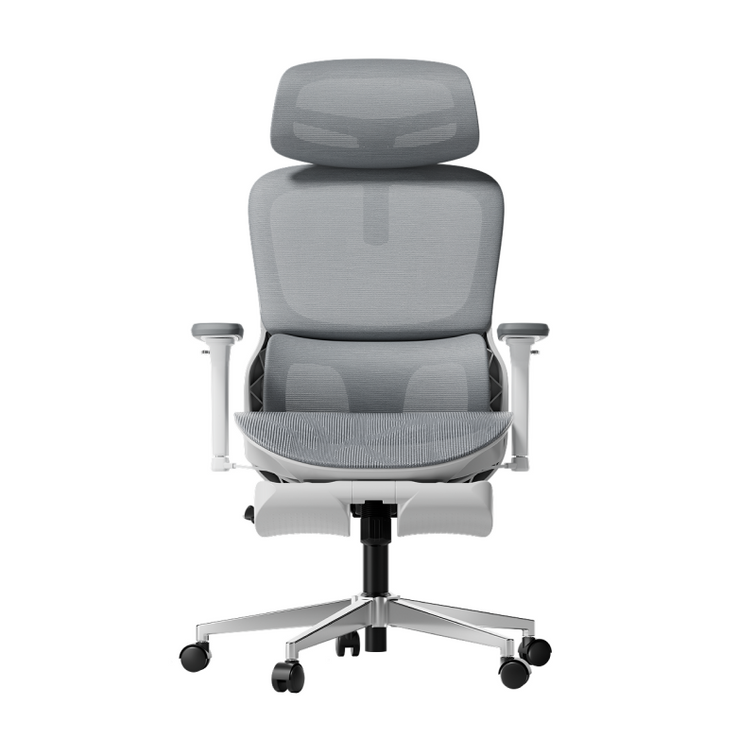
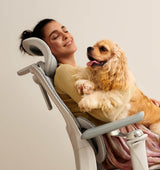
HBADA X7 2026 AI lumbar support system for spinal pressure reduction

LiberNovo states that warranty coverage can depend on the product and component. Buyers should review the current Omni product listing and warranty terms directly before purchasing.

Warranty periods should not be compared using a single headline number. Frame, electronics, motors, batteries, upholstery, and wear components may have different coverage periods. See the current HBADA warranty and service policy for details.

Which Chair Should You Choose?

The HBADA X7 may be the better fit if you:

  • Want lumbar support that responds automatically as you change position.
  • Prefer breathable mesh and powered seat ventilation.
  • Want massage, heating, cooling, and a footrest integrated into one chair.
  • Need a published weight capacity of up to 330 lb.
  • Prefer a chair designed for both focused work and short reclining breaks.

 View the HBADA X7 Smart Ergonomic Office Chair

Final assessment: The HBADA X7 and LiberNovo Omni solve different ergonomic preferences. The X7 emphasizes automatic adaptation and an all-in-one set of comfort functions. The Omni emphasizes cushioning, user-controlled back movement, and deeper recline. Buyers should select the system that matches their body dimensions and normal working position rather than relying on a universal “best chair” claim.

Frequently Asked Questions

Is the HBADA X7 better than the LiberNovo Omni?

Neither chair is better for every user. The X7 may be more suitable for automatic lumbar tracking, ventilation, integrated massage, and a built-in footrest. The Omni may be more suitable for cushioned comfort, manually controlled lumbar movement, and deeper reclining.

Which chair is better for long working hours?

The appropriate choice depends on fit and sitting preference. Users who become warm or frequently change posture may prefer the X7's mesh construction, ventilation, and automatic lumbar tracking. Users who prefer a softer seat may prefer the Omni's cushioned design.

Which chair has a built-in footrest?

The HBADA X7 includes an integrated pull-out footrest. A footrest for the LiberNovo Omni may be supplied separately or included with selected bundles, depending on the current offer.

Does the HBADA X7 automatically adjust lumbar support?

Yes. The X7 is designed to detect changes in sitting position and automatically adjust lumbar contact. Users can select the tracking intensity or disable automatic operation.

Can either chair treat back pain?

No ergonomic chair should be presented as a treatment for back pain. A correctly fitted chair may support a more comfortable sitting position, but persistent symptoms should be evaluated by a qualified healthcare professional.

Sources and Methodology

This comparison uses publicly available manufacturer information and independent editorial reviews. HBADA did not conduct a controlled side-by-side laboratory test for this article. Prices and promotional offers have been excluded from the main verdict because they can change frequently.

Trademark notice: LiberNovo and Omni are trademarks of their respective owners. HBADA is not affiliated with, sponsored by, or endorsed by LiberNovo. Product names are used only to identify the products being compared.

Relevant Product

You May Also Like

Working and Reclining in a Footrest Office Chair: A Daily Guide Working and Reclining in a Footrest Office Chair: A Daily Guide Everyday Ergonomics · Work & Breaks An ergonomic office chair with a footrest works best when you match your position to the task—not when you stay reclined all day. Quick answer: Use a supported upright or slightly reclined position for typing. Try a gentle recline for audio calls and reading, provided you can still see your screen comfortably. Extend the leg rest for a seated break if your chair is designed for it. Change positions throughout the day, and include time away from the chair. 01 · Focus Keep your keyboard close, shoulders relaxed, and feet supported. 02 · Read & Listen Try a light recline without reaching forward or straining to see. 03 · Take a Break Rest briefly, then make room for standing, walking, or another task. In this guide Why match your posture to the task? Reclining for calls and video Reclining for reading and reviewing Using short recovery breaks Task, recline, and footrest guide Your daily reclining rhythm Which HBADA chair fits this routine? Limitations and safety notes Conclusion Frequently asked questions Sources Why Match Your Posture to the Task? Answering emails, reading a proposal, and listening to a call do not ask the same things of your body. Your chair setup can change with them. For typing, choose a position that lets you reach the keyboard and mouse with relaxed shoulders and without leaning away from the backrest. That may be upright or slightly reclined, depending on your desk and chair. For listening or reading, you may prefer to lean back a little further. The important part is variation. The UK Health and Safety Executive recommends changing position and breaking up screen work rather than holding one posture for long periods. Its guidance on breaks and activity changes is useful here as general workstation advice, not as a prescribed schedule for a particular chair. Two different kinds of foot support: a pull-out chair leg rest supports your legs while reclining. A separate under-desk footrest supports your feet during seated desk work. If your feet cannot reach the floor at the correct working height, do not assume the chair’s pull-out leg rest is a suitable substitute. How Should You Recline for Calls and Video? An audio call is a good opportunity to change position. If you do not need to type or handle documents, try a small recline and let the backrest support you. Use the leg rest if it feels comfortable and is permitted by your chair’s instructions. Adjust the headrest so it supports you without pushing your head forward. If you start taking notes, bring the backrest closer to your working position instead of stretching toward the keyboard. For video calls, check your camera preview after moving the chair. A light recline may work well, but a deeper position can leave you looking up at the screen or sitting too low in the frame. Adjust the chair or camera until you can look ahead comfortably. There is no universal “video-call angle.” Screen height, camera position, and the need to type matter more than matching a number. How Should You Recline for Reading and Reviewing? Reading a long document often gives you more freedom to lean back than writing one. Try a gentle recline while keeping the text easy to see and your back supported. If you find yourself lifting your chin, craning your neck, or leaning forward again, adjust the screen position or reduce the recline. Increasing text size may help you read comfortably without moving your face closer. For a tablet or printed document, use a stand or another suitable support rather than holding it low in your lap for a long period. Return to a position with comfortable keyboard access when reviewing turns into sustained editing. A breathable mesh seat is another feature to consider, but it does not remove the need to change position or take a break. How Should You Use Recovery Breaks? A short reclined pause can be a comfortable way to stop working for a moment. Move away from the desk, check the space behind the chair, and use the recline controls as directed in the manual. Extend the leg rest if your model includes one. You do not need to reach the chair’s maximum angle. Choose a position that feels supported, look away from the screen, and leave the keyboard alone. A few minutes of seated rest can fit into your day, but it is not the same as a movement break. Alternate it with getting up, walking, or switching to a task away from the screen when you can. A break is not another working position. Leaning back while continuing to answer messages may change your posture, but it does not give you the same change of activity as stepping away from screen work. Task, Recline, and Footrest Guide Use these as practical starting points. The right position depends on your fit, workstation, and the adjustment options on your chair. The angle markings on a product page are chair settings—not universal ergonomic targets. On a phone, swipe the table sideways to view all columns. Match the chair setup to what you are doing Task Backrest position Foot or leg support What to check Typing and focused work Supported upright or slight recline Feet on the floor or a suitable under-desk footrest Keyboard and mouse remain close; shoulders stay relaxed Audio calls and thinking A comfortable light recline Optional pull-out leg rest, used as instructed No stretching forward to reach notes or controls Video calls Upright or lightly reclined Stable, comfortable foot support Screen and camera remain at a comfortable viewing position Reading and reviewing A gentle recline that preserves screen visibility Leg rest optional, depending on fit No chin lifting, neck bending, or forward reaching Short seated break A supported recline within the chair’s permitted range Leg rest extended if appropriate for the model Clear space around the chair; include movement breaks too Your Daily Reclining Rhythm You do not need a complicated schedule. Use changes in your work as a reminder to check how you are sitting. Start work Set the seat height, lumbar support, and armrests for comfortable keyboard access. Keep your feet supported. Take a call Try a light recline when listening. Come forward again if the conversation turns into a typing session. Read or review Lean back a little if the screen remains easy to see. Adjust the display rather than holding your neck at an awkward angle. Pause Stop screen work for a short break. A seated recline is one option; standing, walking, or doing another task provides a different kind of change. Return to work Retract the leg rest before moving back to the desk. Reset the backrest and check that the lumbar support still fits comfortably. Which HBADA Footrest Chair Fits This Routine? The HBADA X7 and E3 Pro 2026 both offer recline adjustments. The main distinction for this routine is the support system: the X7 uses powered lumbar tracking, while the E3 Pro combines mechanical adaptive support with manual adjustments. Powered Lumbar Tracking HBADA X7 Consider the X7 if powered lumbar tracking is a feature you want alongside reclining. Check the selected configuration and its leg-rest features before ordering. Explore the HBADA X7 Mechanical Adaptive Support HBADA E3 Pro 2026 Consider the E3 Pro if you prefer adjustable mechanical support. Select the “With Footrest” option if you want a pull-out leg rest; the product page also lists a version without one. Explore the HBADA E3 Pro The following specifications are manufacturer-listed settings, not posture recommendations. HBADA U.S. product comparison Feature HBADA X7 HBADA E3 Pro 2026 Listed recline angles 105°, 116°, 128°, 140° 105°, 115°, 130°, 140° Lumbar support AI-powered lumbar tracking 3-zone mechanical adaptive support with manual adjustments Headrest 4D dual-axis headrest 4D dual-axis headrest Listed chair capacity 330 lb (150 kg) 330 lb (150 kg) Product details checked against the linked U.S. pages on September 8, 2026. Confirm the selected model, configuration, manual, and warranty terms before purchasing. A chair’s maximum user weight is not the load rating of its extended leg rest. Limitations and Safety Notes Use the controls as instructed. Learn how your chair’s recline, tension, and locking mechanism work before leaning back. Do not force a control or move beyond the permitted range. Keep the area clear. Use a stable, level surface and leave enough room behind the backrest and in front of the extended leg rest. Do not sit or stand on the leg rest. Use it only for its intended purpose. Retract it before getting out of the chair. Check fit as well as capacity. Your seat depth, foot support, and reach to the desk matter alongside the chair’s stated maximum user weight. Stop if the chair feels unstable. Do not continue reclining if the mechanism slips, a component is damaged, or the chair develops unusual movement. Do not treat reclining as medical care. If a position causes discomfort, change it. Persistent pain, numbness, or other concerning symptoms warrant advice from a qualified healthcare professional. The Takeaway Let the Task Decide A reclining office chair with a footrest gives you more ways to sit, but you do not need to use every setting for every task. Keep typing comfortable and within reach, lean back when reading or listening allows it, and use the leg rest for supported seated pauses. Choose the X7 if powered lumbar tracking suits your preferences, or the E3 Pro with-footrest variant if you prefer mechanical adaptive support. Whichever chair you use, keep changes of position and time away from the screen in your routine. Frequently Asked Questions Should you recline during video calls? A slight recline is fine if you can see the screen comfortably and remain well framed by the camera. If you need to raise your chin, bend your neck, or reach forward to type, adjust the screen or return to a more upright position. Is reclining useful for reading long documents? A gentle recline can offer a comfortable change from your typing position. Keep the document or screen easy to see, and support a tablet or book rather than holding it low in your lap. Reduce the recline if you find yourself leaning forward again. How long should a reclined recovery break be? Treat it as a brief pause rather than a fixed-duration treatment. You might rest for a few minutes, then change activity. There is no single recline duration that suits everyone, and seated rest should not replace opportunities to stand or move. Does reclining with a footrest help your legs? A leg rest can provide a different supported position that some people find comfortable. It should not press uncomfortably against your legs or leave you feeling numb. Do not rely on a chair leg rest to treat swelling, circulation problems, or persistent pain. Can you use a footrest chair with a sit-stand desk? Yes. For seated work, adjust the desk and chair so your keyboard is within easy reach and your feet are supported. Use a separate under-desk footrest if needed. Retract the chair’s pull-out leg rest and move the chair clear before switching to standing. What recline angle should you use for typing? There is no single angle that fits every workstation. Start upright or slightly reclined, with your back supported and keyboard close. If leaning back makes you reach forward or lift your shoulders, change the chair or desk setup. Product angle markings describe available settings, not required working postures. Sources and Product Notes General workstation guidance and manufacturer specifications serve different purposes. The sources below do not establish that a particular recline angle prevents or treats a medical condition. HSE: Workstation setup and comfortable posture — general guidance from the UK Health and Safety Executive, not a statement of U.S. legal requirements. HSE: Breaks and changes of activity — guidance on varying screen-based work. HBADA U.S.: X7 Smart Ergonomic Chair — manufacturer-listed features and specifications. HBADA U.S.: E3 Pro Ergonomic Office Chair 2026 Edition — manufacturer-listed adjustments and footrest options. What Is a Smart Ergonomic Workspace? Chairs, Desks and Monitor Arms Explained What Is a Smart Ergonomic Workspace? Chairs, Desks and Monitor Arms Explained IFA 2026 · Workspace technology At IFA 2026, Ergonomics Goes Beyond the Office Chair On September 4, 2026, HUANUO announced a workspace portfolio at IFA in Berlin covering chairs, height-adjustable desks and monitor arms. Its announcement included an AI-powered standing desk with height recommendations and a desktop designed to tilt for tasks such as reading and drawing. The manufacturer’s IFA announcement highlights an idea worth considering when upgrading a home office: the chair, work surface and screen all need to fit the person using them. Product announcements describe intended features, rather than independent proof of improved health or comfort. For buyers, the useful question is what each adjustment actually changes during an ordinary working day. You can buy an adjustable chair and still find yourself reaching for the mouse. You can add a standing desk and still look down at a laptop screen. Each piece of equipment solves only part of the setup. A smart ergonomic workspace brings those parts together. Before choosing a feature list, it helps to understand which adjustments you need and how they affect one another. What is a smart ergonomic workspace? In this guide, a smart ergonomic workspace means a setup that combines adjustable seating, a suitable work surface and screen positioning, with features such as powered adjustment, saved settings or reminders where useful. The term does not mean every component uses AI or connects to the same app. In this guide The three parts of the workspace What makes an ergonomic chair smart? Manual, adaptive and powered features compared How to set up the chair, desk and screen Which part should you upgrade first? What to check before buying Where the HBADA X7 fits Frequently asked questions Three Parts, Three Different Jobs Think about your chair, desk and monitor as separate adjustments that need to work together. Buying all three from one brand is not necessary, but checking their dimensions and clearances is. 01 · Seating The Chair Determines your seated height, usable seat depth, back support and arm support. These settings affect how closely and comfortably you can approach the desk. 02 · Work surface The Desk Positions the keyboard, mouse and other tools. A height-adjustable desk can provide separate working heights for sitting and standing. 03 · Viewing The Monitor Arm Lets you reposition a compatible display without changing the keyboard height. Check the mount, weight range and desk attachment before buying. A Common Setup Problem Imagine raising your chair to reach a high keyboard. Your feet then lose contact with the floor. Adding more lumbar support will not change that height mismatch. A suitable footrest or a lower keyboard surface may be the adjustment you need. What Makes an Ergonomic Chair Smart? “Smart” can describe several different features. One chair may offer powered lumbar adjustment. Another may save a preferred setting, respond to changes in position or include controls for additional comfort functions. Ask what the feature does in physical terms. Does it move the lumbar support? Change recline resistance? Recall a saved position? Or simply send a reminder? Automatic Adjustment and Manual Fit Serve Different Purposes An automatic feature may reduce how often you operate a particular control. You still need to check the seat’s dimensions, the adjustment range and whether the support feels appropriate for your body. A chair that adjusts automatically is not necessarily a better fit than a manually adjusted chair. The useful comparison is whether the feature solves something you actually notice while working. Ask for a demonstration: “AI” on a product page does not tell you which parts move, what triggers the movement or how much control you retain. Look for a clear explanation and a model-specific manual. Manual, Adaptive and Powered Features Compared These categories can overlap within one chair. Use the table to understand the controls rather than treating the labels as a ranking from basic to best. Feature type How it works What to check Manual adjustment You move a lever, dial or component to change a setting. Can you reach the control and achieve the position you need? Mechanical adaptive support A mechanism responds to movement or load without necessarily using electronics. Does its movement and resistance suit you? Powered adjustment An electric mechanism moves a component through its available range. What requires power, and what happens when power is unavailable? Memory settings The product stores and recalls supported settings. Which settings are saved, and can different users keep separate preferences? App or reminder features Software provides controls, prompts or other supported functions. Is an account required, and can essential controls be used without the app? AI-labeled features The exact operation depends on the manufacturer’s implementation. What input does the system use, and what adjustment does it make? How to Set Up the Chair, Desk and Monitor Together For a workstation with an adjustable desk, start with the chair, then position the keyboard and screen. This is a practical order because changing your seated height affects everything above it. 1. Establish a Comfortable Seated Position Set the seat so your feet are supported and the front edge does not press into the backs of your knees. Adjust the available back and arm supports to suit you. 2. Bring the Keyboard and Mouse Within Reach Adjust the work surface so you can type with relaxed shoulders. Keep the mouse close enough that you do not have to reach sideways for it. 3. Position the Screen Independently Place your main screen in front of you and adjust its height and distance so you can read comfortably. With a laptop, a separate keyboard and mouse allow the screen to be raised without raising your hands. 4. Save a Separate Standing Setting If your desk has memory controls, save the standing position only after checking the keyboard and screen. Recheck cable slack and clearance through the desk’s full movement. 5. Try the Setup During Your Usual Tasks Write, read and use the mouse as you normally would. Change one setting at a time so you can tell which adjustment helped. Leave room for movement and changes of activity throughout the day. These basic positioning principles are consistent with HSE’s workstation posture guidance . Individual viewing needs and equipment may require different arrangements. Using a fixed desk? You may need to set the chair in relation to the keyboard first, then support your feet. If the mismatch is too large, consider a suitable keyboard tray or a desk with a more appropriate height range. Which Part of Your Workspace Should You Upgrade First? Start with the limitation you cannot solve using the adjustments you already have. That gives each purchase a clear purpose. What you notice Check first Possible next step The seat feels too deep or too high. The chair’s seat-depth and height ranges. A chair with dimensions that better fit you. You lift your shoulders to reach the keyboard. The relationship between the chair and work surface. A lower keyboard surface, appropriate foot support or an adjustable desk. You lean forward to read the screen. Text size, screen distance and placement. A suitable monitor stand or arm if the existing stand cannot position the screen. Switching between sitting and standing is awkward. Desk controls, cable restrictions and available height range. A desk with easier controls or useful memory settings. You frequently readjust one chair feature. Whether the existing setting holds and fits the task. Compare easier manual controls with adaptive or powered alternatives. The workspace fits, but you rarely change position. Your routine and opportunities to take breaks. A practical reminder or change of activity may help without new furniture. What to Check Before Buying Smart Workspace Equipment Physical Compatibility Measure the available space. Check whether the chair’s armrests clear the desktop, whether a keyboard tray leaves enough legroom, and whether a monitor arm can attach securely to the desk. For a monitor arm, confirm the display’s mounting pattern and weight against the arm’s specifications. For a moving desk, account for accessories above and below the surface, including shelves, drawers and cables. Everyday Controls A feature is easier to use when its control is accessible during normal work. Check whether you can make the adjustments you need without reaching underneath the desk, opening an app or interrupting your task. Power and Offline Operation Ask which functions depend on a battery, outlet, internet connection or app. Do not assume every powered chair or desk behaves the same way when disconnected. Check the exact model’s instructions. Accounts and Data If an app is offered, review whether it requires an account, which permissions it requests and how saved profiles can be deleted. A product being described as smart does not, by itself, establish that it collects posture data or sends information to the cloud. Service and Replacement Parts Review the return terms, warranty scope and support for electrical components as well as the frame. Ask how replacement controls, power supplies or other service parts are obtained when relevant to the product. The chair in the setup Where the HBADA X7 Fits HBADA describes the X7 Smart Ergonomic Office Chair as offering AI lumbar tracking. It is an example of applying smart functionality to a specific part of the seated experience. When considering it for your workspace, review the product’s dimensions, controls and adjustment range alongside your desk measurements. Lumbar tracking does not set your keyboard height or position your monitor, so those adjustments remain part of the setup. Compare the exact model and variant before ordering. Do not assume that features, power requirements or operating modes are identical across the X7 family. Explore the HBADA X7 Frequently Asked Questions Is an adaptive lumbar support the same as AI lumbar tracking? Not necessarily. Adaptive support may use a mechanical response to movement or load. An AI-labeled system depends on the manufacturer’s design. Check how the support moves and what controls it. Do the chair and standing desk need to connect electronically? No. They can work together through suitable dimensions and separate adjustments. Only expect electronic coordination if the manufacturers explicitly document compatibility. Is a monitor arm necessary? Only if it solves a positioning or space problem. If the monitor’s existing stand provides the height, distance and angle you need, an arm may be optional. Can I use a smart ergonomic chair with a regular desk? Yes, provided the chair’s dimensions and adjustment range work with the desk. Check keyboard height, armrest clearance and space for your legs before choosing the chair. What happens when a smart chair runs out of power? That depends on the model. Check which functions require power, which adjustments remain available and whether the manual permits normal use while disconnected. Do not assume a universal backup mode. Can smart furniture automatically create perfect posture? No feature label guarantees that outcome. Your equipment still needs to fit your body and tasks. Automatic adjustments also cannot replace changes of position and activity. Should I replace my entire workspace at once? Usually, you can assess one limitation at a time. Identify what cannot be adjusted adequately, measure the available space and upgrade the component that addresses that problem first. Sources and scope: The IFA section summarizes a manufacturer-issued announcement. HBADA feature descriptions are attributed to the official product page. This article is an equipment-selection guide, not a hands-on comparative test. HUANUO workspace portfolio announcement — September 4, 2026 HSE — Workstation posture guidance HBADA X7 — Official product information Office Chair Safety Check: 7 Parts to Inspect Before You Sit Office Chair Safety Check: 7 Parts to Inspect Before You Sit Check seven key office chair parts, recognize warning signs, and know when to stop using your chair. Includes the September 2026 Branch recall context.