



Viral videos make it look terrifying: an office chair exploded under someone, sending parts flying. So here is the honest picture. A true office chair explosion is real but extremely rare, and it is not a fireball. It is the sudden failure of a pressurised gas cylinder, which can eject parts with force. The good news is that these failures are predictable and preventable. This guide explains what causes them, the warning signs to watch, and exactly what to do next to stay safe.
Can an Office Chair Really Explode?
Let's separate the myth from the mechanism straight away.
Yes, an office chair can fail violently, but it is exceptionally rare, with only a handful of serious cases reported worldwide over the past two decades, out of millions of chairs in daily use. What people call an office chair explosion is not combustion. It is a sudden rupture of the pneumatic cylinder, the pressurised part that adjusts your seat height, releasing gas fast enough to eject components.
Reported incidents between 2008 and 2013 caused real injuries, and one 2009 case in China was fatal. In nearly every documented case, the chair was a cheap, uncertified model, and at least one involved a cylinder filled with compressed air rather than a proper inert gas. The pattern is clear: quality and certification are what keep you safe.
What Actually Happens Inside the Cylinder

To understand the risk, it helps to know how the part works.
A gas lift is a sealed steel tube filled with pressurised nitrogen and a small amount of oil, with a piston that raises and lowers your seat. When the seal, weld, or tube wall is sound, it holds that pressure safely for years. When a substandard cylinder cracks or its seal fails, the pressurised nitrogen escapes suddenly, and that force is what throws parts outward. This is why you should never puncture, drill, or open a cylinder.
Why Do Office Chairs Explode? The Main Causes
Almost every failure traces back to one of these six factors.
-
Substandard, uncertified cylinders. Thin steel, poor welds, or weak seals cannot hold normal pressure over time.
-
The wrong gas. Cheap chairs sometimes use compressed air or low-purity nitrogen, which expands dangerously when heated or adjusted often.
-
Overloading. Exceeding the chair's weight capacity puts the cylinder under stress it was never rated for.
-
Heat and sunlight. High temperatures raise the internal pressure and degrade the seals faster.
-
Corrosion and age. Rust weakens the metal, so an old, damp-stored cylinder is far more likely to fail.
-
Physical damage or DIY repair. A hard knock or an incorrectly refitted cylinder can compromise its integrity.
Warning Signs Your Gas Cylinder Is Failing
A failing cylinder almost always warns you first, so act on these signs.
-
A hissing or leaking sound, which points to escaping gas.
-
The chair sinks on its own or will not stay up at your set height.
-
The seat drops suddenly when you adjust it.
-
Height adjustment feels stiff, gritty, or unresponsive.
-
Visible rust, dents, or corrosion on the cylinder or base.
If you notice any of these, stop using the chair. These are the same faults that precede a gas cylinder failure, so treat them as your cue to repair or replace, not to keep sitting and hoping.
What to Do if Your Office Chair Explodes or Shows Warning Signs
Here is the calm, practical order of actions.
-
Stop using it immediately. Take your weight off the chair the moment you hear hissing or feel it sinking.
-
Treat any injury first. For a penetrating wound or significant pain, seek medical help without delay, and call 999 for anything serious.
-
Do not open the cylinder. Never try to cut, drill, or dismantle the pressurised cylinder yourself.
-
Replace, don't patch. Fit a certified replacement gas lift, or if the frame, base, or foam are also worn, replace the chair.
-
Recycle the old cylinder safely. Take the metal cylinder to a recycling point intact, and never puncture or crush it.
How to Prevent It: Buy Certified and Use It Right

Prevention comes down to two things: a quality chair and sensible use.
The single best safeguard is a chair with a certified gas lift. Look for recognised safety and durability standards such as ANSI/BIFMA X5.1, published by BIFMA, the commercial furniture standards body, along with a Class 4 gas lift and third-party marks like TÜV or SGS. Then use the chair as intended: stay within its weight capacity, keep it out of direct heat, and inspect the cylinder and base now and then for rust.
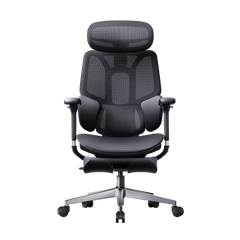
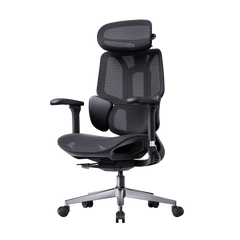
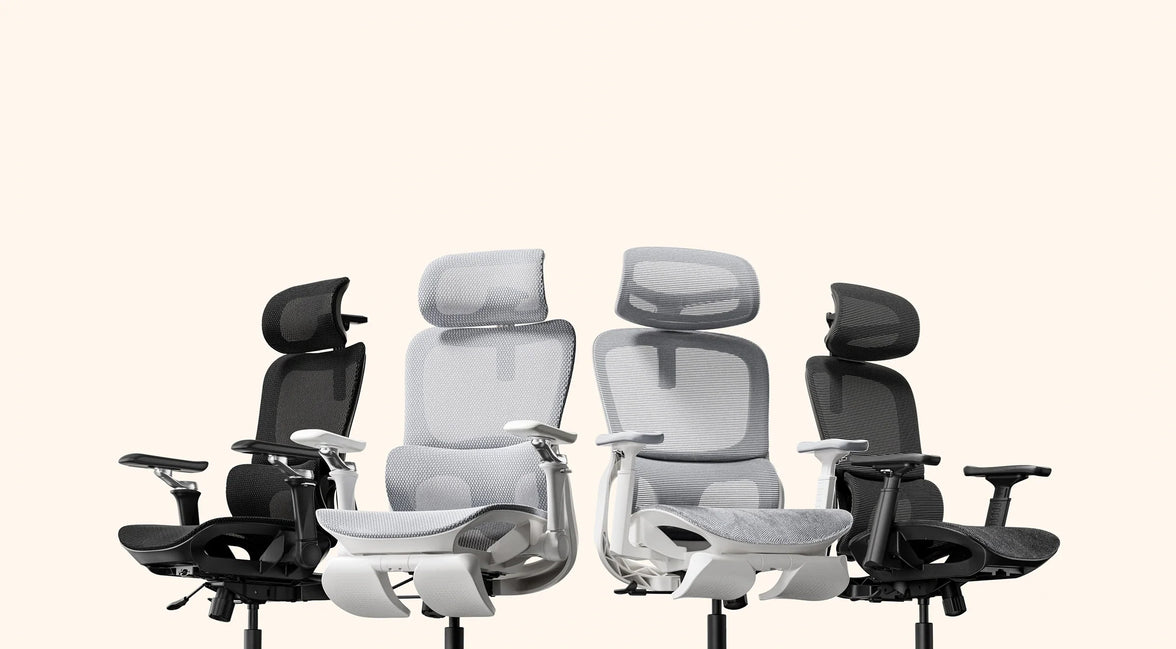
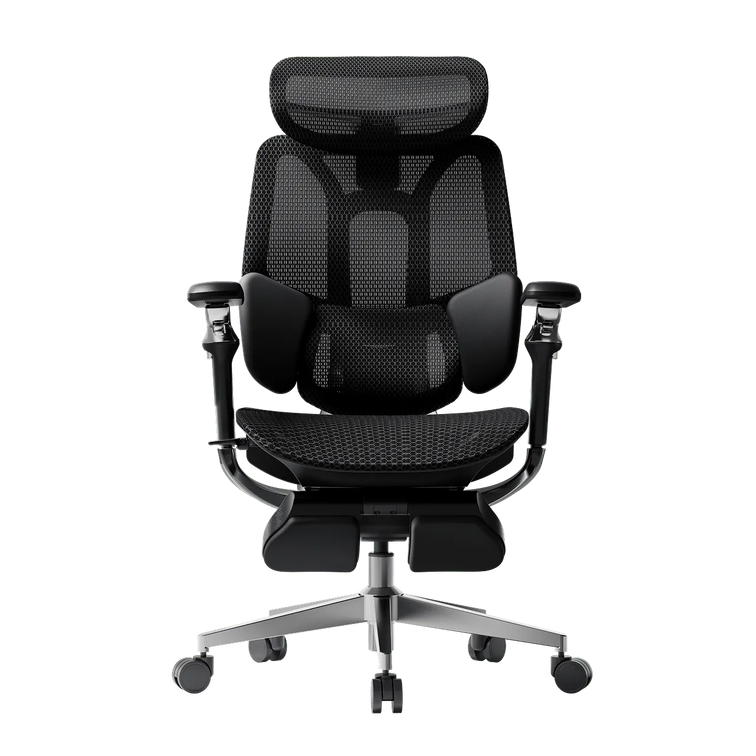
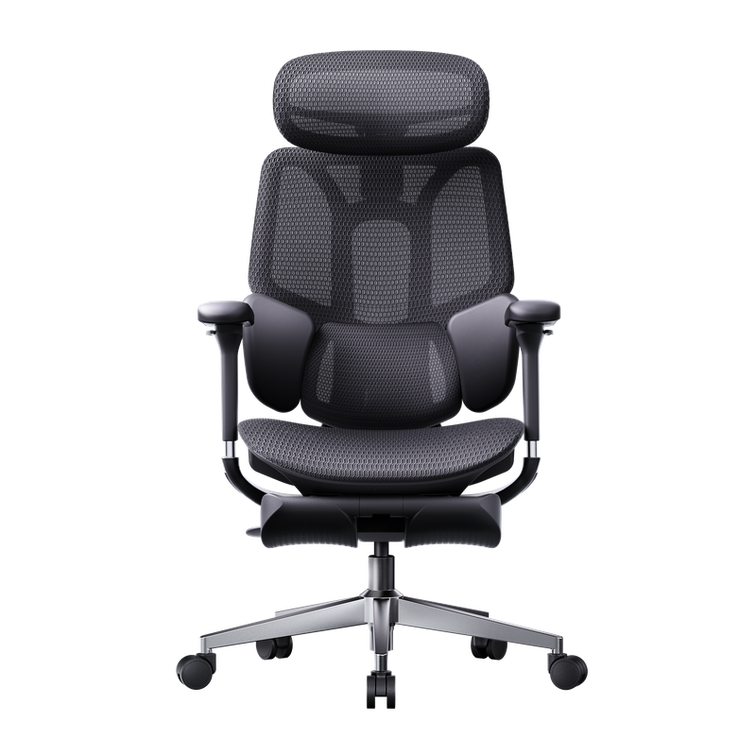
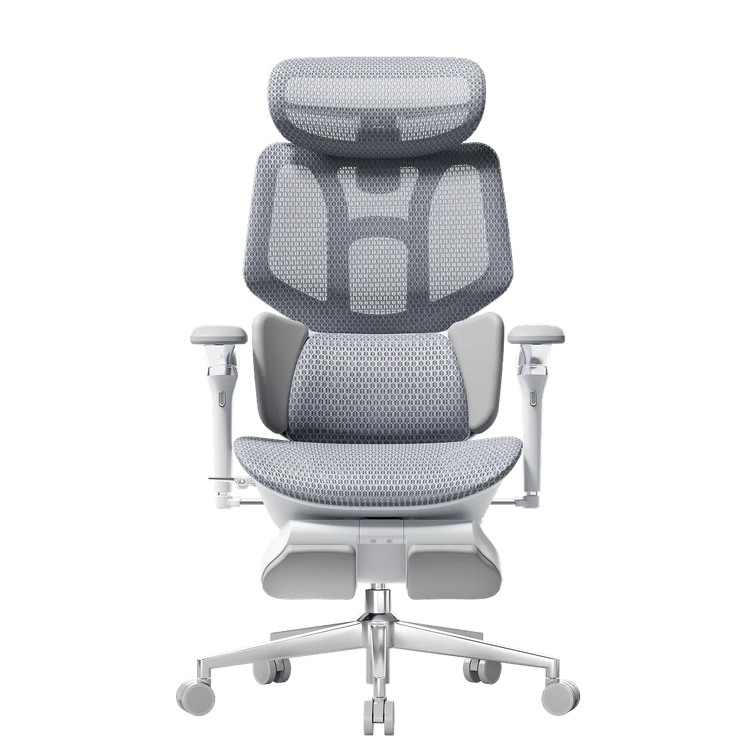
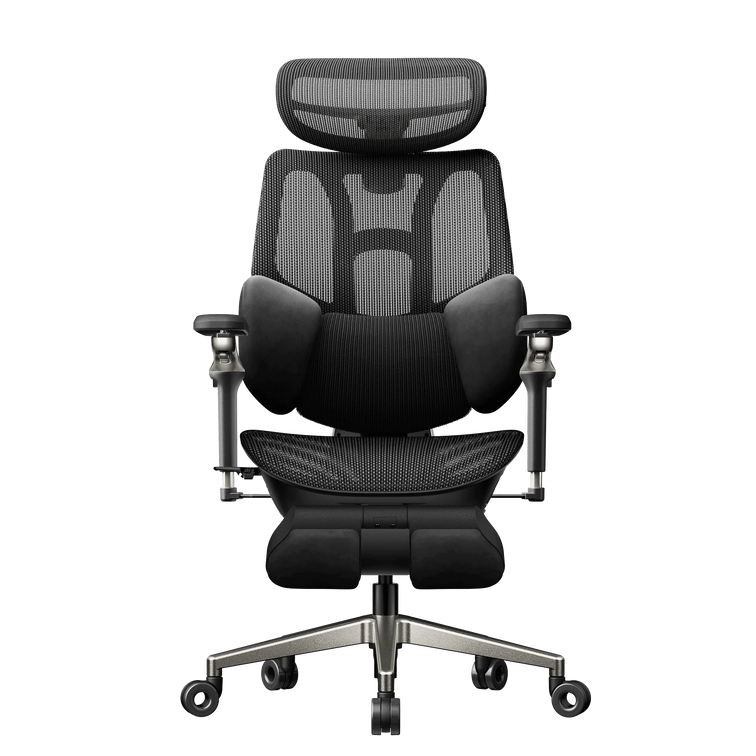
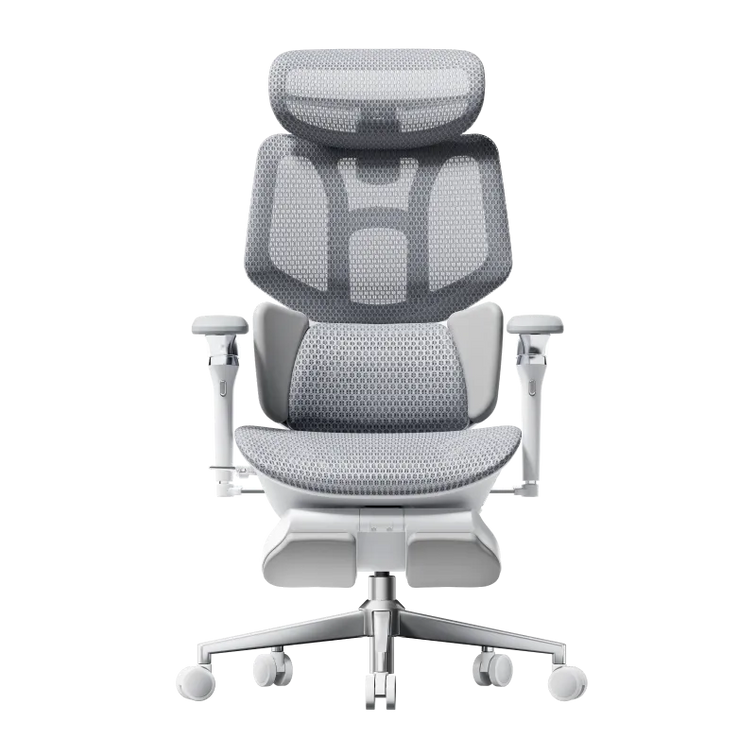
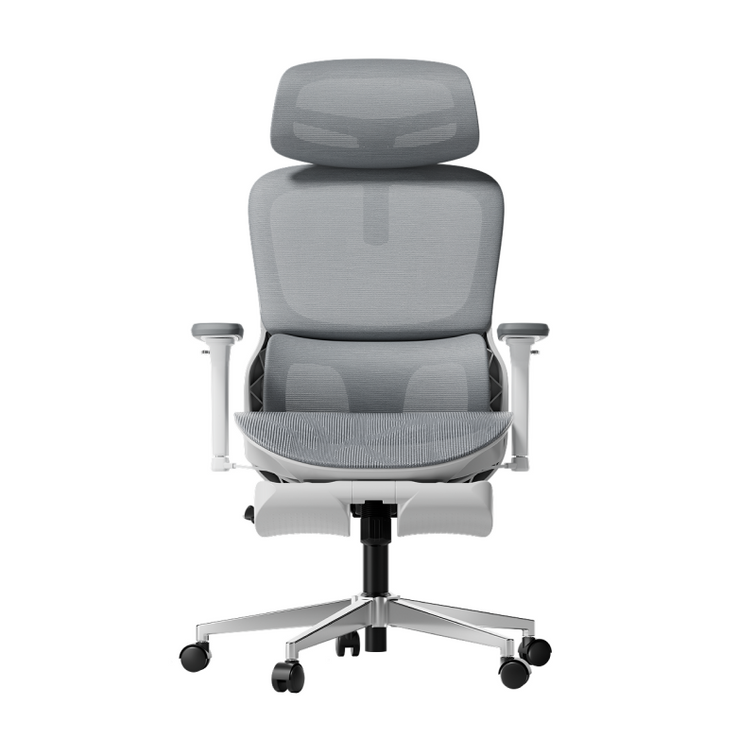
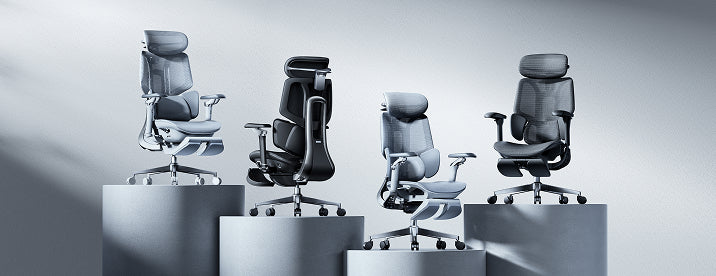
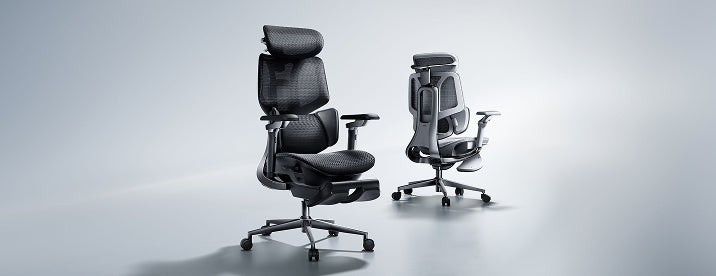
This is exactly where a well-engineered chair earns its keep. The HBADA AI-Powered X7 is certified to the BIFMA X5.1 standard and tested for an intended 10-year service life, with a chassis that is roughly 70% steel and support for users up to 330 lb (150 kg). In short, it is built so the gas lift never becomes the weak link.
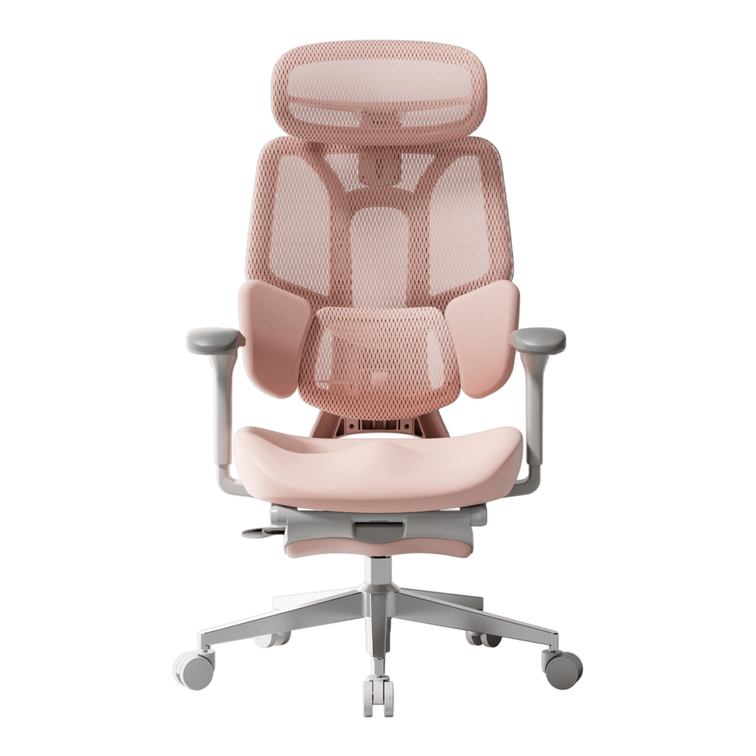
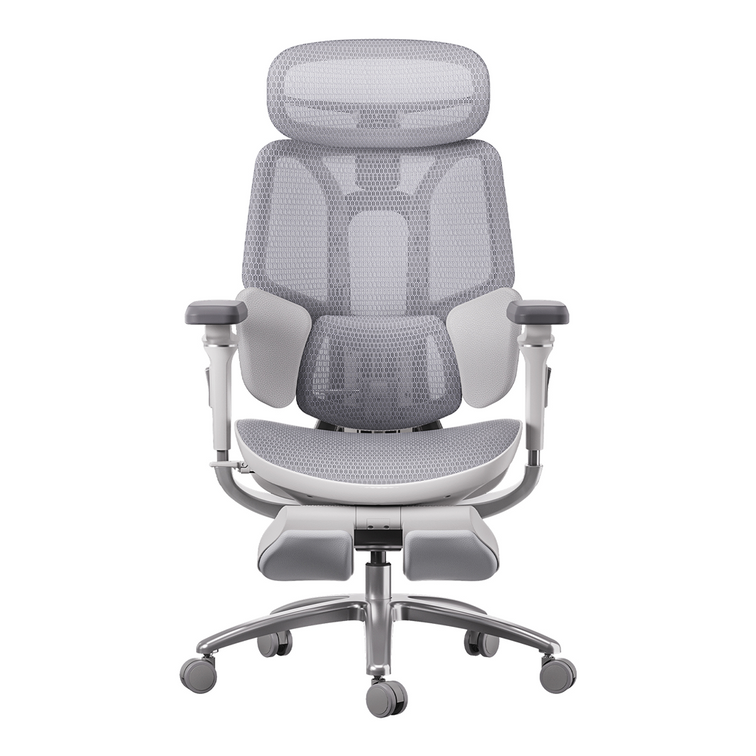
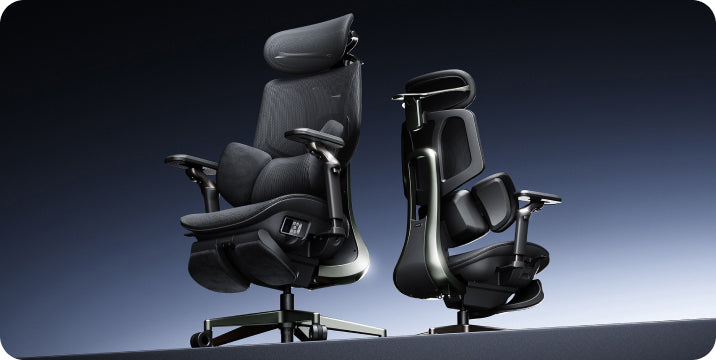
See how the HBADA AI-Powered X7 is built and safety-tested for long-term durability, or compare the full HBADA X7 smart-chair range to match a certified build to your body and your hours at the desk. Here is how the core range compares.
|
Model
|
Safety & durability
|
Support system
|
Weight capacity
|
Best for
|
|
HBADA AI-Powered X7
|
BIFMA X5.1 tested, ~70% steel, 10-yr intended life, 5-yr warranty
|
AI auto lumbar, ventilated mesh seat, 720° armrests, 4D headrest
|
Up to 330 lb (150 kg)
|
Long 8+ hr days, hands-off support
|
|
HBADA E3 Pro 2026 Edition
|
Steel build, breathable mesh seat, footrest
|
3-Zone Floating Lumbar Support, 4D headrest, 720° armrests
|
Big-and-tall build*
|
Recline and footrest comfort
|
|
HBADA E3 Air
|
Steel build, breathable mesh, footrest
|
3-Zone Dynamic Lumbar Support, 3D headrest, 4D armrests
|
Big-and-tall build*
|
Larger frames and higher weight needs
|
Exact weight capacity and cylinder rating vary by model; confirm the current figures on each product page before you buy.
A Realistic Heavy-Use Scenario
Here is how the warning signs play out in practice. The example is illustrative, not a specific customer.
Picture Ryan P., 37, a warehouse team leader and evening gamer in Sheffield, 6'1" and around 20 stone (127 kg). His budget chair began to hiss and sink after months of use above its weight capacity. Instead of ignoring it, he took it as a warning and switched to a certified HBADA E3 Pro 2026 Edition. The steel build and higher-rated support removed the sinking, the noise, and the worry of a sudden gas cylinder failure.
A Realistic Second-Hand Chair Scenario
Older, hand-me-down chairs carry the highest hidden risk.
Consider Sofia L., 30, a marketing coordinator in Brighton, 5'2" and lightly built. Her second-hand chair had visible rust on the gas lift and a growing wobble, both classic warning signs. She replaced it with the HBADA AI-Powered X7, a certified, safety-tested chair whose automatic lumbar tracking also fit her smaller frame far better than the old one ever did.
Which HBADA Chair Should You Choose?

Your best pick depends on how long you sit and the body you are supporting.
-
Sit 8+ hours and want hands-off, certified support: the HBADA AI-Powered X7.
-
Want recline plus a footrest for all-day comfort: the HBADA E3 Pro 2026 Edition.
-
Need a larger, big-and-tall build: the HBADA E3 Air.
The takeaway is simple. An office chair exploded almost always because it is cheap, uncertified, or misused, and that is a risk you can design out. Watch for the warning signs, respect the weight limit, and choose a certified HBADA chair so the one part under pressure is the one you never have to worry about.
Frequently Asked Questions
Can an office chair actually explode?
Yes, but it is extremely rare. The failure is not a fire; it is a sudden rupture of the pressurised gas cylinder that adjusts your seat height. When a substandard cylinder cracks or its seal fails, the gas escapes fast and can eject parts with force. Almost every documented case involved a cheap, uncertified chair or one filled with compressed air instead of inert nitrogen. A certified chair, used within its limits, is very safe.
How common are office chair explosions?
They are very uncommon. Only a handful of serious cases have been reported worldwide in the last twenty years, set against millions of chairs used every day. The risk is concentrated almost entirely in low-cost, uncertified models with poor-quality gas cylinders, or in chairs that were overloaded, damaged, or poorly stored. Buying a chair tested to recognised standards and staying within its weight capacity reduces an already small risk to near zero.
What causes an office chair gas cylinder to explode?
The main causes are a substandard cylinder, the wrong gas, and misuse. Cheap tubes with thin steel or weak seals cannot hold pressure over time. Some budget cylinders use compressed air or low-purity nitrogen, which expands when heated or frequently adjusted. Overloading past the weight capacity, high heat, rust, and improper DIY repairs all add stress. Together, these push a weak cylinder toward a sudden failure that a certified one is built to resist.
Why does my office chair keep sinking or hissing?
A chair that sinks, drops suddenly, or hisses is telling you the gas cylinder is leaking or wearing out. That escaping pressure is the same fault that precedes a serious failure, so it is not just an annoyance. Stop using the chair and either fit a certified replacement cylinder or replace the chair. Do not try to open or repair the pressurised cylinder yourself, as it can be dangerous if breached.
Are gas lift office chairs safe?
Yes, gas lift chairs are safe when they are properly made and used. The pressurised cylinder is a mature, well-understood technology found in millions of chairs. Safety problems occur almost exclusively with uncertified, low-grade cylinders or with misuse, such as overloading. Choose a chair tested to standards like ANSI/BIFMA X5.1 with a quality Class 4 gas lift, keep it out of extreme heat, and stay within the weight limit, and the risk is minimal.