
Updated July 27, 2026
A standing desk may help reduce long periods of sitting, but it is not a treatment for haemorrhoids. The more realistic approach is to alternate between sitting, standing and walking while also addressing constipation, straining, hydration and dietary fibre.
A 2023 case-control study found that participants who sat for five or more hours per day had higher odds of haemorrhoids or anal fissures than those who sat for less time. However, this observational study does not prove that sitting alone caused either condition, nor does it establish five hours as a universal medical threshold.
This guide explains what the available research can—and cannot—tell us about standing desks, prolonged sitting and haemorrhoids. It also covers practical sit-stand habits and the role a properly fitted ergonomic chair can play in a more comfortable workstation.
Why Desk Workers May Experience Haemorrhoids

Haemorrhoids, commonly called piles in the UK, are swollen blood vessels inside or around the anus. Their exact cause is not always clear, and several factors may contribute to their development or aggravate existing symptoms.
According to the NHS, relevant factors include constipation, straining during bowel movements, pregnancy, ageing, being overweight and regularly lifting heavy objects. NHS Inform also lists sitting for long periods as a possible risk factor.
The possible role of prolonged sitting
Long periods of uninterrupted sitting reduce opportunities for movement and may contribute indirectly to constipation or discomfort around the pelvic region. Sitting for too long on the toilet is particularly discouraged because it can increase pressure around the anal blood vessels.
It is important not to reduce haemorrhoids to a simple “pressure from an office chair” explanation. Haemorrhoidal disease is multifactorial, and changing a desk or chair cannot address every contributing factor.
What does the five-hour study actually show?
A 2023 case-control study published in the Sudan Journal of Medical Sciences compared 81 patients with endoscopically confirmed haemorrhoids and/or anal fissures with 162 matched controls.
Participants in the patient group reported an average of 5.99 sitting hours per day, compared with 4.0 hours among controls. Sitting for five or more hours per day was associated with an odds ratio of 3.68, with a 95% confidence interval of 2.1 to 6.47.
This is an association, not proof of cause and effect. It also combines haemorrhoids and anal fissures as an outcome and comes from one case-control study in a specific population. The result should not be interpreted as meaning that sitting for 4 hours and 59 minutes is safe or that passing five hours automatically causes haemorrhoids.
Source: “Is Prolonged Sitting a Risk Factor in Developing Hemorrhoids and Anal Fissures?”
Do Standing Desks Help Haemorrhoids?

A standing desk may help indirectly by breaking up prolonged sitting, but there is currently no clinical evidence that a standing desk treats or cures haemorrhoids. Its main benefit is behavioural: it makes it easier to change posture during the working day.
Here is what the available evidence and clinical guidance reasonably support:
- Less uninterrupted sitting: A height-adjustable desk can help users alternate between seated and standing work.
- More opportunities to move: Changing position can act as a reminder to walk, stretch or refill a glass of water.
- Support for general bowel health: Regular physical activity can help reduce constipation, which may reduce straining during bowel movements.
- No direct curative effect: A standing desk does not shrink haemorrhoids or replace appropriate self-care and medical assessment.
NHS guidance focuses primarily on keeping stools soft, drinking enough fluid, eating fibre, avoiding excessive straining and not spending longer than necessary on the toilet.
Source: NHS: Piles (haemorrhoids)
Why Standing All Day Is Not the Answer
Replacing an entire day of sitting with an entire day of static standing is not an ideal solution. Prolonged standing can cause foot and leg discomfort, fatigue and blood pooling in the lower limbs.
The more practical goal is frequent variation rather than searching for one perfect posture. A height-adjustable desk works best when it allows you to move between comfortable sitting, standing and short walking breaks.
The desk is therefore only one part of the workstation. The chair you return to should also fit your body and allow you to sit without excessive pressure behind the thighs or unsupported slumping.
A Practical Sit-Stand Routine for UK Office Workers

There is no medically established sit-stand schedule specifically for haemorrhoids. The following routine is a practical starting point rather than a treatment protocol:
- Try a 45:15 rhythm: Sit for approximately 45 minutes, then stand or move for 10 to 15 minutes. Adjust the timing to your comfort and work requirements.
- Avoid uninterrupted sitting: Use calls, water breaks or routine tasks as prompts to change position.
- Take short walks: A few minutes of gentle walking during the morning and afternoon adds movement without disrupting the entire workday.
- Do not linger on the toilet: Avoid taking your phone with you and do not remain seated longer than necessary.
- Drink enough fluid: Hydration works together with dietary fibre to help keep stools soft.
- Increase fibre gradually: Fruit, vegetables, wholegrains, oats, pulses, nuts and seeds are useful sources. A sudden large increase may cause bloating or discomfort.
- Use a properly fitted chair: Adjust the seat so that your feet are supported and the front edge does not press firmly into the backs of your thighs.
If you have a health condition that affects standing, circulation, balance or fatigue, ask an appropriate healthcare professional before making major changes to your working routine.
Why Your Chair Still Matters as Much as Your Desk

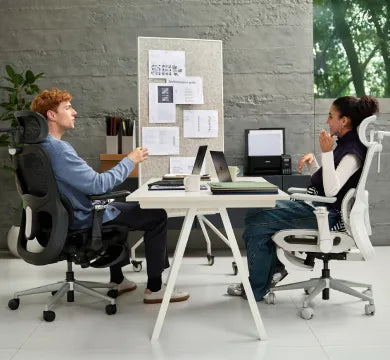
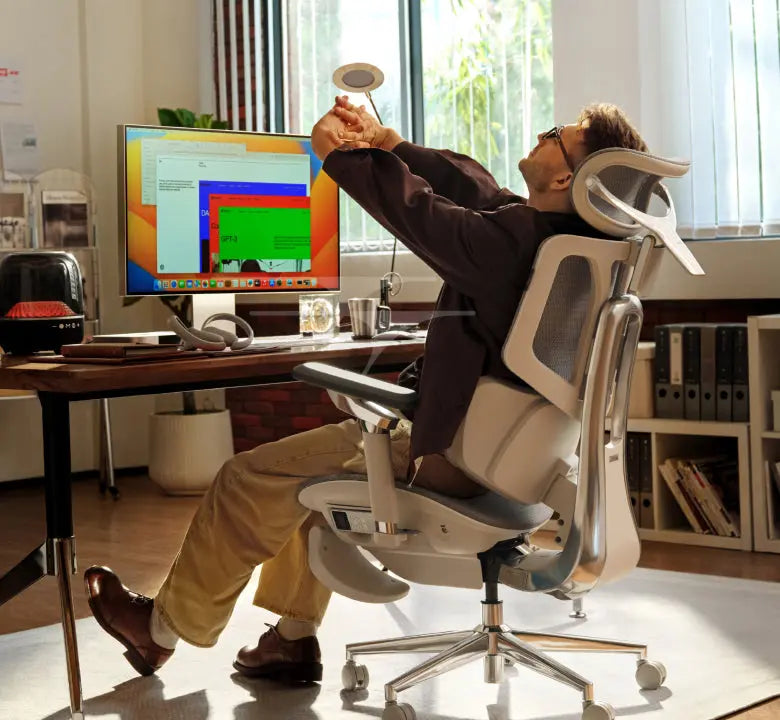
A sit-stand desk can reduce uninterrupted sitting, but most office workers will still complete part of the day while seated. During that time, a poorly fitted chair may create discomfort or encourage a slumped position.
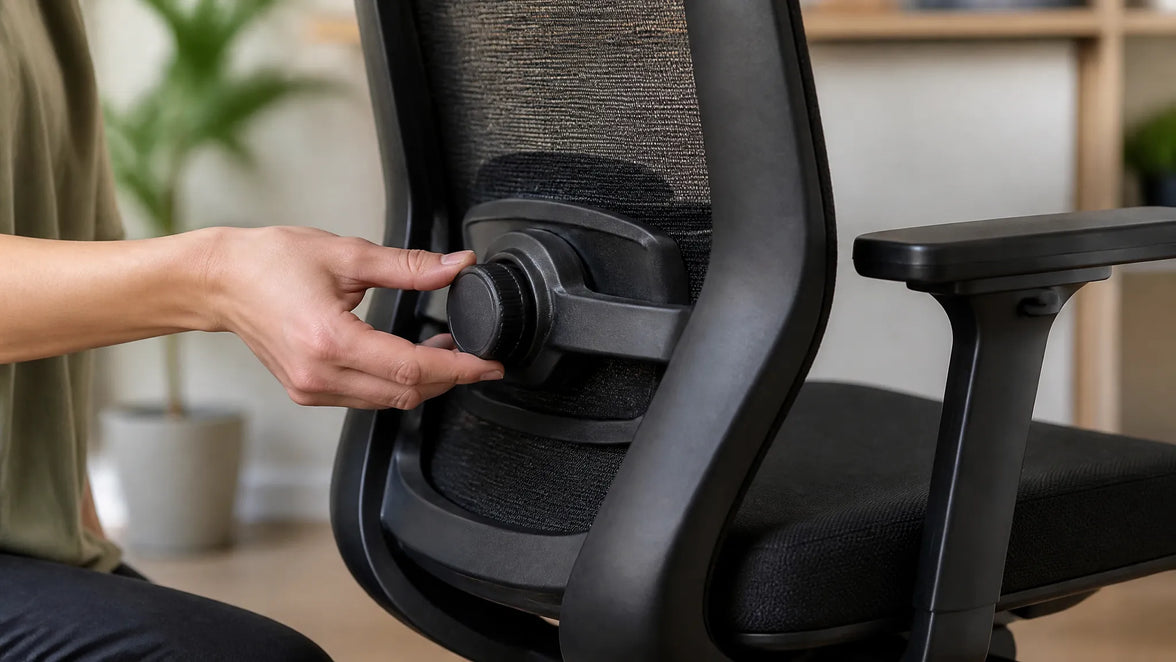
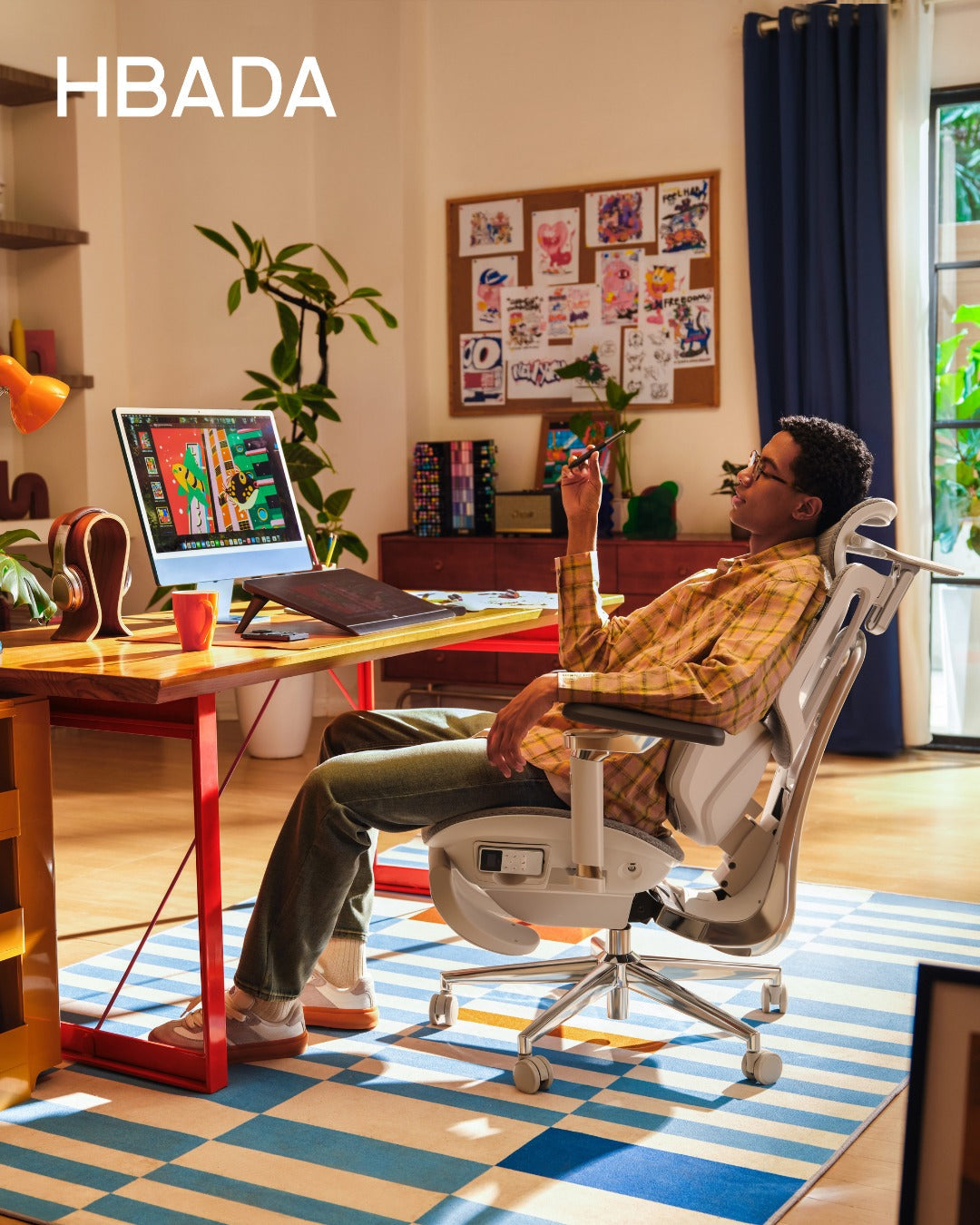
A suitable ergonomic chair should help distribute body weight across the seat, support the feet and thighs, and allow the backrest and armrests to be adjusted for the user and desk.
No chair can prevent or treat haemorrhoids. However, a well-fitted chair may make seated work more comfortable and make it easier to maintain a neutral working position.
HBADA designs its ergonomic chairs around two relevant comfort principles:
- Distributing seated pressure across the seat surface and thighs rather than concentrating it in a small area.
- Supporting the back so the user does not need to maintain a rigid or heavily slumped posture.
You can explore HBADA’s current seating designs in the HBADA ergonomic chair collection.
Two Illustrative Workstation Scenarios
The following examples are illustrative scenarios, not clinical case studies or verified customer outcomes. They show how body size and workstation fit may influence chair selection.
Scenario 1: A larger user working long remote shifts
Consider a taller, heavier IT contractor who works long remote shifts. A compressed seat cushion and unstable seat height could make the workstation uncomfortable, particularly when the user remains seated for extended periods.
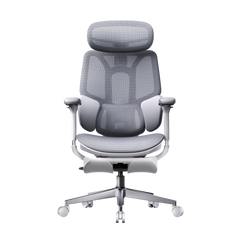
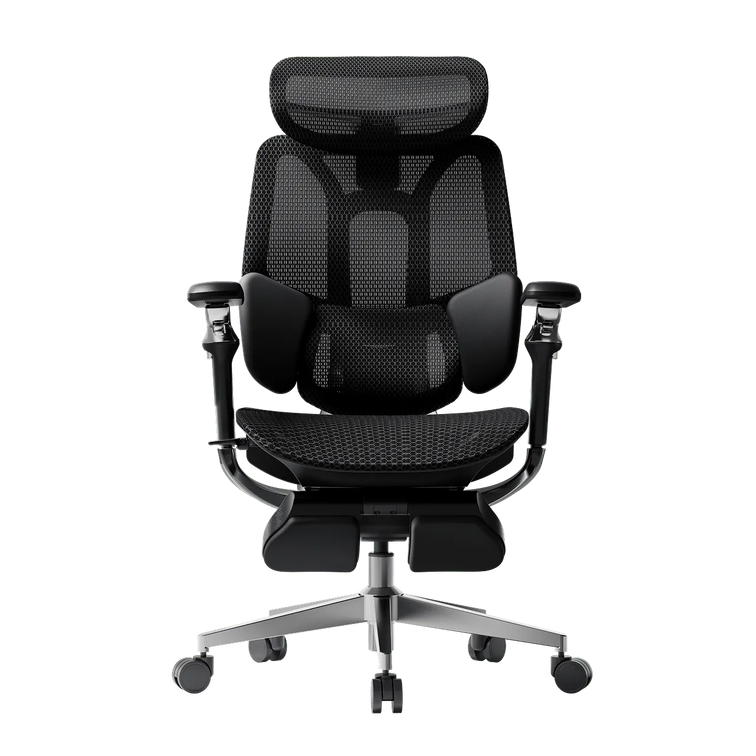
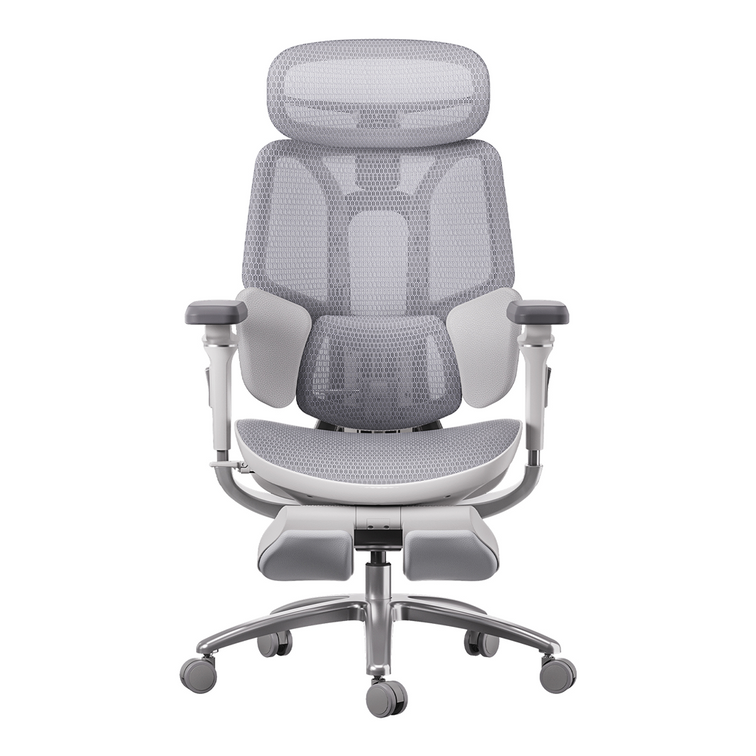
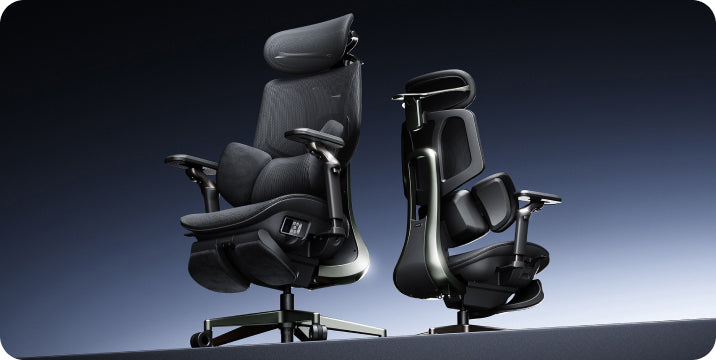
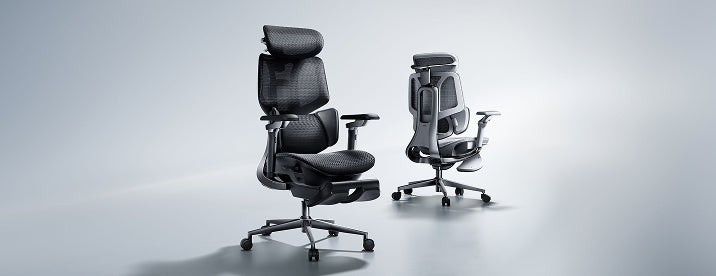
Pairing a standing desk with the HBADA E3 Pro 2026 Edition may provide a more suitable seated setup. Its Class 4 gas lift is designed to maintain the selected seat height, while the reinforced structure and three-zone lumbar system are intended for users who want extensive support and adjustment.
The chair should still be combined with regular movement, correct desk height and a sit-stand routine. It should not be presented as a treatment for haemorrhoids or lower-back symptoms.
Scenario 2: A petite professional using a compact workstation
A shorter user may find that chairs designed around a larger frame leave the feet unsupported or place the front edge of the seat too close to the knees. This can create pressure behind the thighs and make it harder to maintain a comfortable seated position.
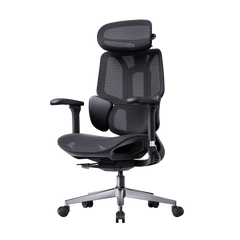
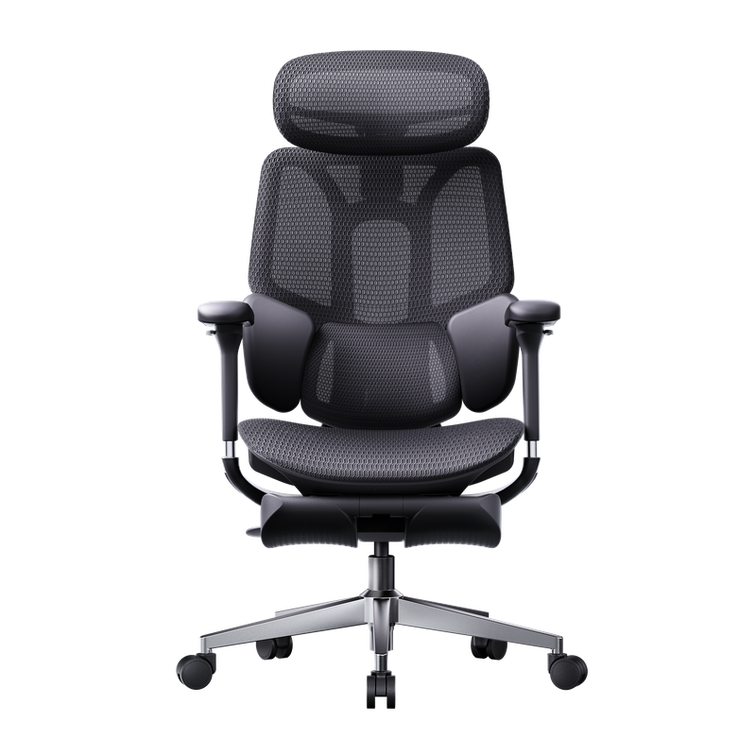
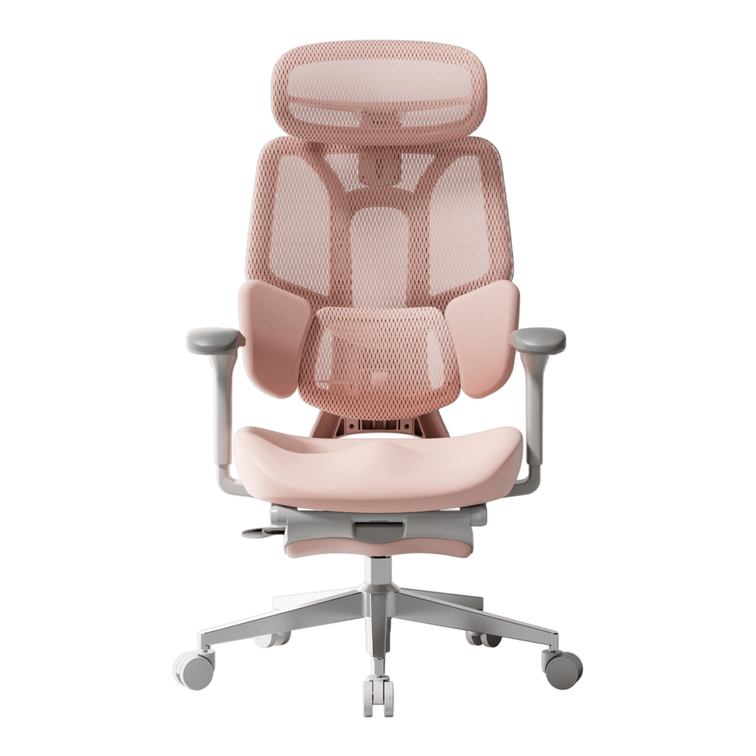
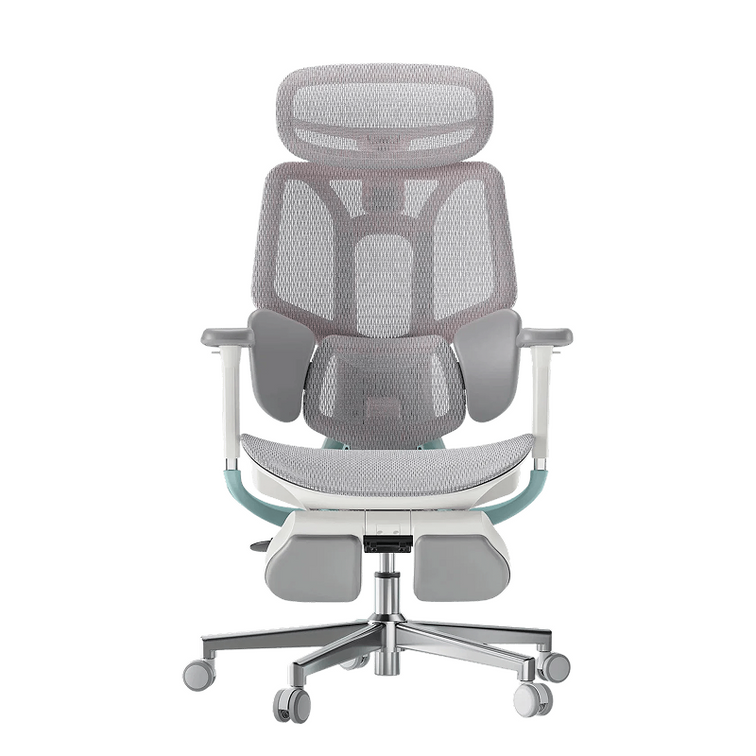
The HBADA AI-Powered X7 offers seat-depth adjustment and a highly adjustable backrest and armrest system. These features may help a smaller user bring the chair, desk and input devices into better alignment.
As with any chair, the actual fit depends on the user’s measurements. Check the current seat-height range, seat-depth range and product dimensions before purchasing.
HBADA Product Comparison at a Glance
| Feature | HBADA E3 Pro 2026 Edition | HBADA AI-Powered X7 |
|---|---|---|
| Best suited to | Larger users and people working long desk shifts | Users who prioritise fine adjustment and responsive support |
| Lumbar support | Three-zone elastic lumbar support designed to follow the lower back | Bio-synchronised backrest designed to respond to posture changes |
| Seat adjustment | Class 4 gas lift and reinforced structure | Up to 60 mm of seat-depth adjustment, according to the current product specification |
| Armrests | Multi-directional adjustable armrests | Multi-axis armrests with inward positioning |
| Recline | Up to 140° on relevant variants | Adaptive recline with adjustable or weight-responsive tension, depending on the variant |
| Sit-stand pairing | A supportive seated option for larger workstations | Fine adjustment for compact or highly personalised workstations |
| Main consideration | Check overall dimensions, weight capacity and selected configuration | Check whether the smart features and adjustment range justify the premium price |
Specifications, configurations, prices and availability may change. Confirm all measurements and features on the relevant product page before purchasing.
When to Seek Medical Advice
Workstation changes are comfort and prevention-oriented measures, not medical treatment. Do not assume that rectal bleeding is caused by haemorrhoids without appropriate assessment.
Contact a GP or NHS 111 if:
- Your symptoms do not improve after approximately seven days of home treatment.
- Your haemorrhoids keep returning.
- You notice bleeding or a change around the anus that is not normal for you.
- You are uncertain whether the symptoms are caused by haemorrhoids.
Seek urgent help if bleeding does not stop, there is a large amount of blood or large blood clots, or you are in severe pain.
For current guidance, visit NHS: Piles (haemorrhoids).
Which Chair Should You Choose?
A standing desk can help you break up prolonged sitting, but the research does not show that it cures haemorrhoids. The most sensible workstation strategy combines posture changes, short walks and a properly fitted chair with evidence-based measures such as adequate fibre, sufficient fluid and avoiding excessive straining.
- Choose the HBADA E3 Pro 2026 Edition if you have a larger frame, work long shifts and prioritise a reinforced structure with extensive manual adjustment.
- Choose the HBADA AI-Powered X7 if you want finer seat-depth, backrest and armrest adjustment for a more personalised workstation.
Whichever chair you choose, begin with a realistic habit: change position regularly instead of waiting until discomfort reminds you to move.
Frequently Asked Questions
Is standing or sitting better for haemorrhoids?
Neither prolonged sitting nor prolonged static standing is ideal. Alternating between comfortable sitting, standing and short walks can reduce uninterrupted time in one position. A standing desk may make these changes easier, but it does not treat existing haemorrhoids.
How long should you sit if you have haemorrhoids?
There is no clinically established maximum sitting time that applies to every person with haemorrhoids. As a practical measure, avoid long uninterrupted blocks and change position every 45 to 60 minutes if comfortable. Do not interpret the five-hour figure from one observational study as a guaranteed safety threshold.
Can an office chair cause haemorrhoids?
A chair by itself has not been established as a direct cause of haemorrhoids. Prolonged sitting may be one contributing factor, while constipation and straining are particularly important. A poorly fitted chair can cause discomfort, but an ergonomic chair should not be marketed as preventing or treating haemorrhoids.
Does walking help with haemorrhoids?
Regular gentle activity can support general circulation and help prevent constipation. NHS guidance recommends regular exercise as part of a healthy lifestyle, but walking should be viewed as supportive self-care rather than a cure.
Does a standing desk cure haemorrhoids?
No. A standing desk changes how you work; it does not shrink or remove haemorrhoids. Persistent, recurrent, painful or bleeding symptoms should be discussed with a healthcare professional.
Should I use a cushion for haemorrhoids?
A soft cushion may improve comfort temporarily, but very soft or poorly supportive cushions can alter sitting posture. If symptoms are persistent, seek medical advice rather than relying on a cushion or chair modification alone.
What is the best desk setup for someone with haemorrhoids?
A practical setup includes a height-adjustable desk, a chair that fits the user, supported feet, suitable seat depth and regular opportunities to stand and walk. It should be combined with adequate fibre and fluid intake and avoiding unnecessary time or straining on the toilet.