
If a disability or long-term musculoskeletal condition makes it difficult to use a standard office chair, financial assistance may be available in France. Depending on your circumstances, an adapted ergonomic chair may be considered through the MDPH and the Prestation de compensation du handicap (PCH), or through a workplace-adjustment programme.
This guide explains the main funding routes, eligibility considerations, documents and application steps. It also explains why funding for an ergonomic chair is never automatic: the chair must address a documented disability-related need and must be accepted by the relevant organisation.
What Is MDPH Ergonomic Chair Funding?
MDPH stands for Maison départementale des personnes handicapées. Each French department has an MDPH that receives applications, assesses disability-related needs and helps determine which forms of support may be awarded.
“MDPH ergonomic chair funding” is not the official name of a single, fixed grant. In some cases, an adapted chair may be assessed under the PCH as an aide technique, or technical aid. The PCH is designed to help compensate for a loss of autonomy associated with disability.
A general preference for a more comfortable chair is not enough. The application should explain how the requested equipment compensates for a specific functional limitation and why an ordinary chair does not meet that need.
Approval is determined case by case. An ergonomic chair sold to the general public is not automatically an eligible PCH technical aid.
Who May Be Eligible?
PCH eligibility is based on the effect of a disability on the person’s ability to perform important daily activities. It is not granted simply because someone experiences occasional discomfort or wants to improve their workstation.
An application involving an adapted chair may be stronger when it includes:
- A diagnosed medical condition or disability that creates a relevant functional limitation.
- Documented difficulty sitting, working or maintaining a suitable sitting position for the required period.
- A clear connection between the limitation and the features of the requested chair.
- An assessment or recommendation from an appropriate healthcare or occupational-health professional.
- Residence in France and an application to the MDPH responsible for the applicant’s department.
Age conditions also apply to the PCH. In general, the relevant disability-related difficulties must have begun before age 60. Exceptions and continuation rules may apply, including in certain cases for people who continue working or who met the conditions before age 60. Applicants should check their individual circumstances with their MDPH rather than assuming that age alone determines the outcome.
How Much Can PCH Technical-Aid Funding Cover?

According to current French government guidance, PCH technical-aid expenditure is subject to a shared ceiling of €13,200 over a 10-year period. This is not a guaranteed chair allowance. It applies to eligible technical aids within the relevant period and the amount awarded depends on the type of equipment, applicable reimbursement tariff, available supporting evidence and individual decision.
The reimbursement method also differs depending on whether the technical aid appears on the French health insurance list of reimbursable products and services, known as the LPPR:
- LPPR-listed technical aid: up to 100% of the applicable tariff at the full rate or 80% at the partial rate, within the relevant ceiling.
- Technical aid not listed on the LPPR: generally 75% of the eligible amount, within the relevant ceiling.
As of June 2026, official guidance states that the full PCH rate applies when the relevant annual resources are no more than €31,162.62. A rate of 80% generally applies above that level. The resource calculation does not simply equal ordinary salary, and applicants should ask their MDPH which resources are included.
These figures describe general PCH rules. They do not mean that every ergonomic chair qualifies or that an applicant will receive the maximum amount.
Main Funding Routes
| Funding route | Potentially relevant for | General principle |
|---|---|---|
| PCH technical aid through MDPH | People whose chair requirement is connected to an eligible disability-related loss of autonomy | The equipment and eligible amount are assessed individually. Technical aids share a ceiling of €13,200 over 10 years under current guidance. |
| Agefiph workplace adaptation | Eligible private-sector employees, employers and self-employed workers | Funding is assessed according to the disability-related additional cost. For an adapted chair, Agefiph gives the example of funding the difference between an ordinary seat and the required ergonomic seat. |
| FIPHFP workplace adaptation | Eligible public-sector workers whose workstation requires adaptation | Funding can contribute to disability-related workstation adaptations. The current maximum for this intervention is €10,000, subject to its rules and assessment. |
| Fonds départemental de compensation | Applicants who have an eligible remaining cost after other assistance | May contribute to remaining expenses, depending on the applicant’s department and individual decision. |
What Documents May Be Required?
The exact documents depend on the funding route and the applicant’s circumstances. A typical MDPH file may include:
- A medical certificate: use the required MDPH medical certificate and ensure that the healthcare professional describes the relevant functional limitations.
- A completed MDPH application form: complete and sign the current CERFA form and all relevant sections.
- A detailed supplier quotation: the quotation should identify the chair, price and relevant adjustable features.
- An occupational-therapy or ergonomic assessment: when available, this can explain how the proposed equipment responds to the identified limitation.
- Supporting identity and residence documents: include the documents required by the current application form.
- Workplace documentation: Agefiph or FIPHFP applications may require an occupational physician’s recommendation and information from the employer.
The supporting documentation should describe the person’s functional needs rather than merely state that an “ergonomic chair” would be more comfortable.
The Application Process, Step by Step
-
Discuss the functional problem with the appropriate professional.
Speak with your doctor, specialist, occupational therapist or occupational physician, depending on whether the chair is required for daily life, work or both. -
Identify the correct funding route.
MDPH and PCH may be relevant to broader disability-compensation needs. Agefiph or FIPHFP may be more suitable when the requirement is specifically connected to employment. -
Obtain an assessment and detailed quotation.
The proposed chair should match the documented requirements, such as adjustable seat depth, lumbar-support positioning, armrest adjustment or an appropriate seat-height range. -
Submit the complete application.
Check that all required forms, certificates, quotations and supporting documents are present before submission. -
Wait for the decision before purchasing where possible.
Some programmes may require an application or approval before the equipment is ordered. Buying first can affect eligibility for reimbursement. -
Review the written decision.
The decision should state whether assistance has been awarded and the approved amount or basis of calculation. -
Use the appropriate appeal procedure if necessary.
If an MDPH decision is disputed, the notification should explain the applicable administrative appeal procedure and deadline.
For an MDPH application, the official Service-Public guidance states that the absence of a response after four months is treated as a rejection. Actual handling times can vary by department, so applicants should submit a complete file as early as possible.
Alternative and Workplace Funding Routes
Agefiph for private-sector employment
When the adapted chair is needed primarily for work, the employer or eligible self-employed worker may apply for Agefiph assistance. An occupational physician’s recommendation is generally important.
Agefiph does not publish one universal amount specifically for ergonomic chairs. Its official example explains that assistance may cover the difference between the cost of an ordinary chair and the cost of the adapted ergonomic chair required because of the disability.
FIPHFP for public-sector employment
FIPHFP can contribute to workstation adaptations for eligible public-sector workers. Its intervention can include ergonomic furniture and other equipment required to compensate for a disability-related limitation.
The current maximum for the workstation-adaptation intervention is €10,000. This remains an upper limit rather than an automatic award, and the employer normally manages the application.
Other possible assistance
Depending on the case, applicants may also ask their departmental compensation fund, employer, occupational-health service or supplementary health insurer whether another form of assistance is available. Coverage varies, so any benefit should be confirmed directly with the organisation concerned.
Common Mistakes to Avoid
- Buying the chair before approval: some funding programmes require an application to be made before the purchase.
- Using a vague medical statement: documentation should explain the functional limitation and the reason specific adjustments are required.
- Selecting a chair based only on marketing claims: terms such as “ergonomic,” “orthopaedic” or “smart” do not establish eligibility.
- Failing to connect features to needs: explain why seat depth, lumbar position, armrest range or another feature is relevant to the documented limitation.
- Submitting an incomplete quotation: include the precise product, configuration, features and price.
- Using outdated forms or figures: download current forms and check official funding information before applying.
Choosing an Appropriate Chair for an Application
The appropriate chair depends on the individual assessment. Reviewers are likely to be more interested in whether the chair compensates for a documented limitation than in the brand name or general marketing description.
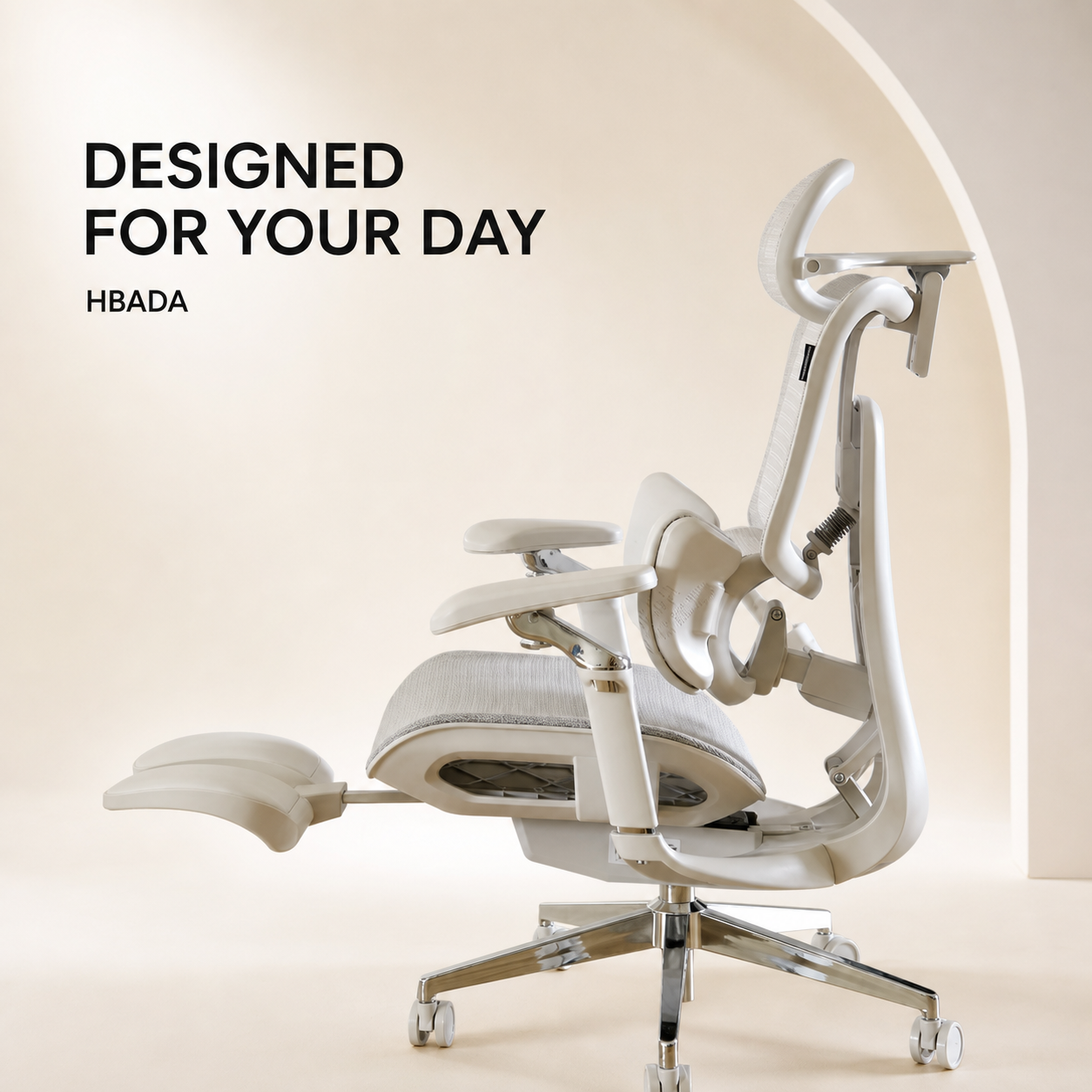
Depending on the recommendation, relevant features may include:
- Adjustable seat height and seat depth
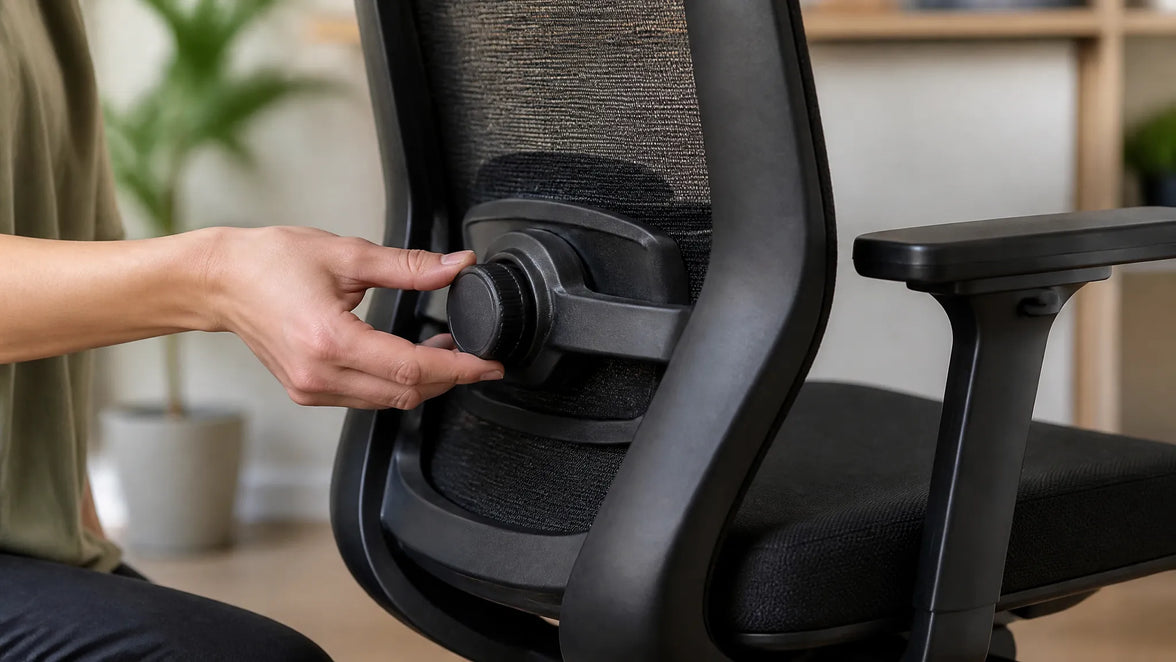
- Adjustable lumbar-support height or depth
- Adjustable backrest and recline resistance
- Armrests with an appropriate height and width range
- A seat and backrest suitable for the user’s measurements
- Controls the user can operate safely and independently
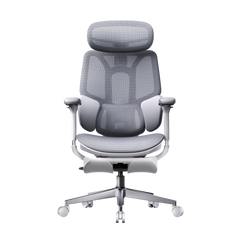
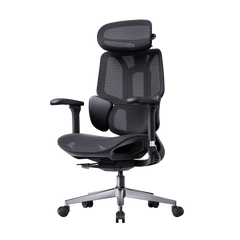
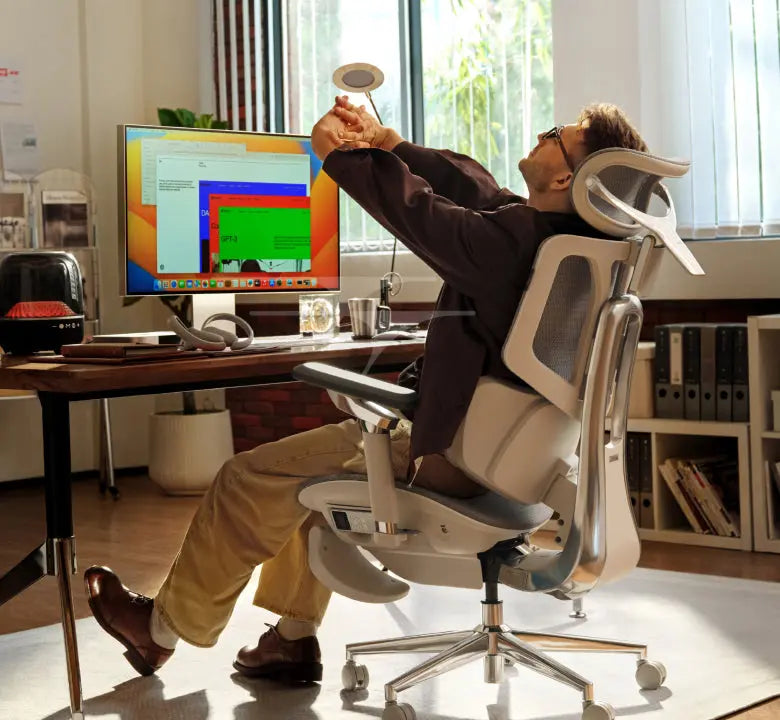
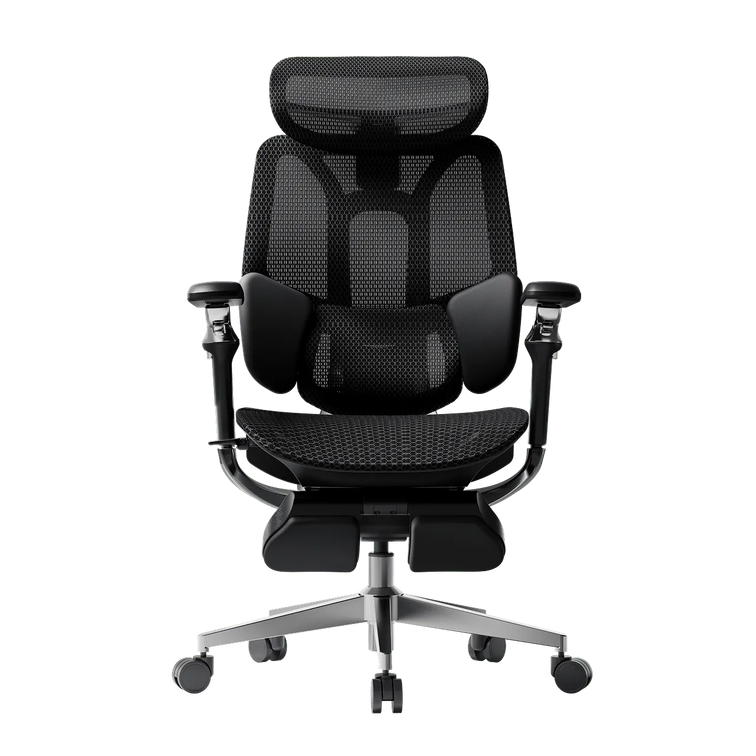
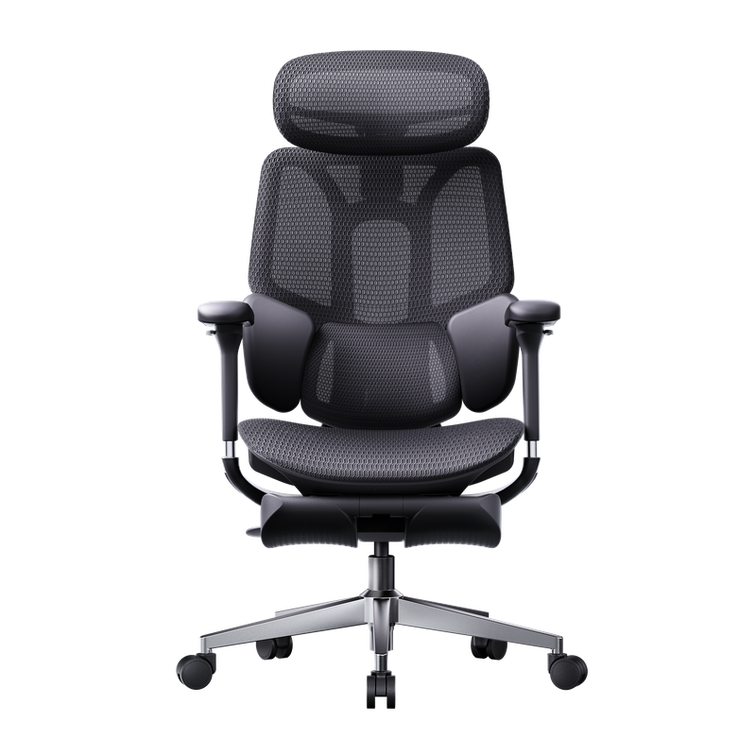
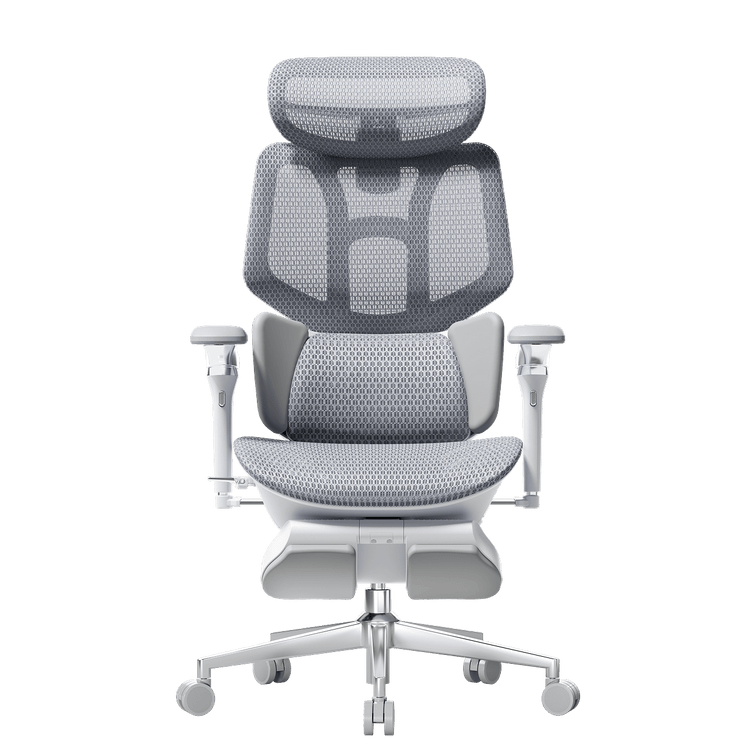
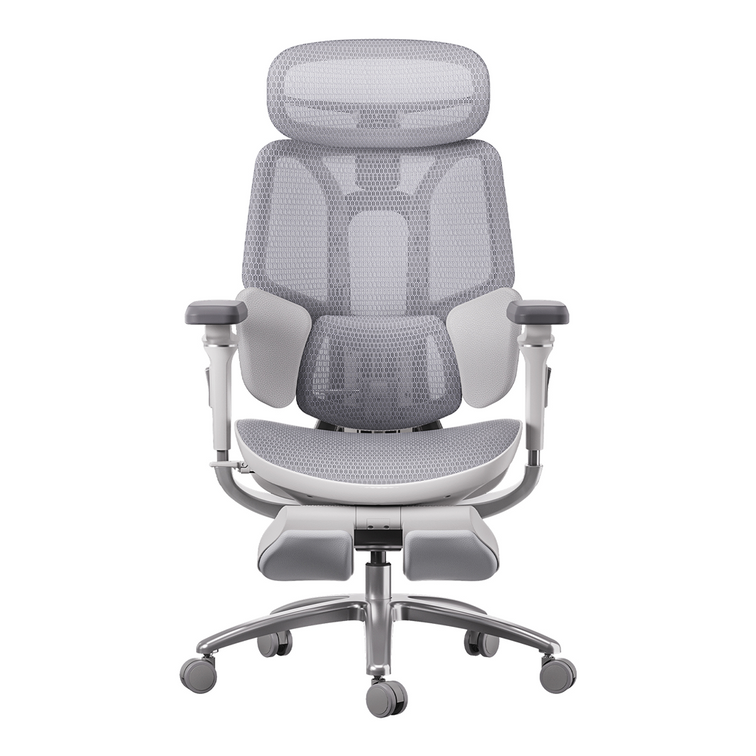
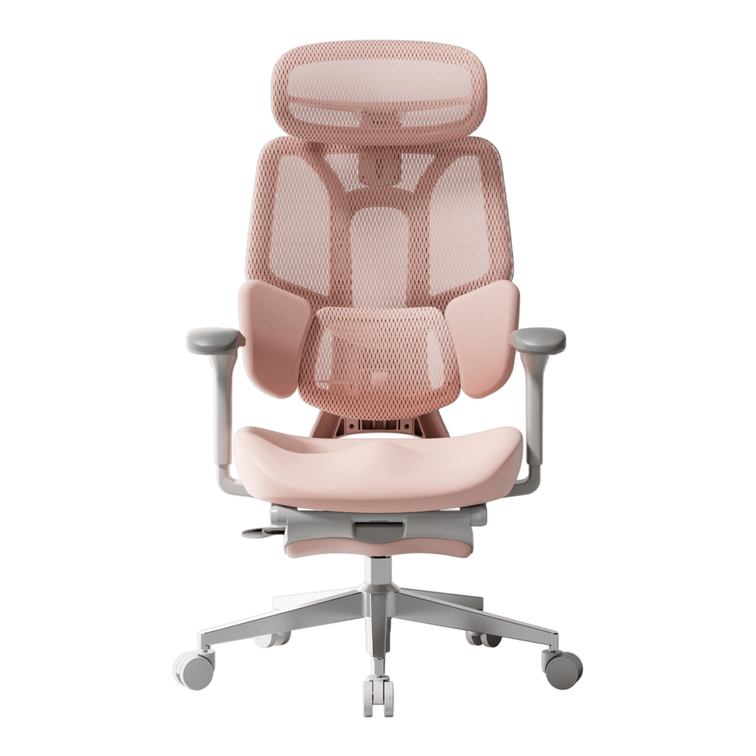
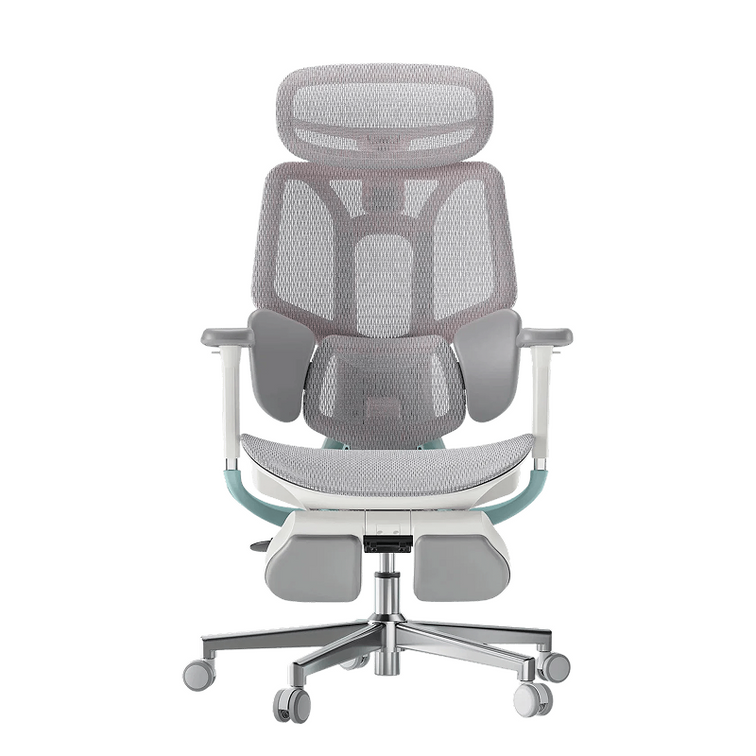
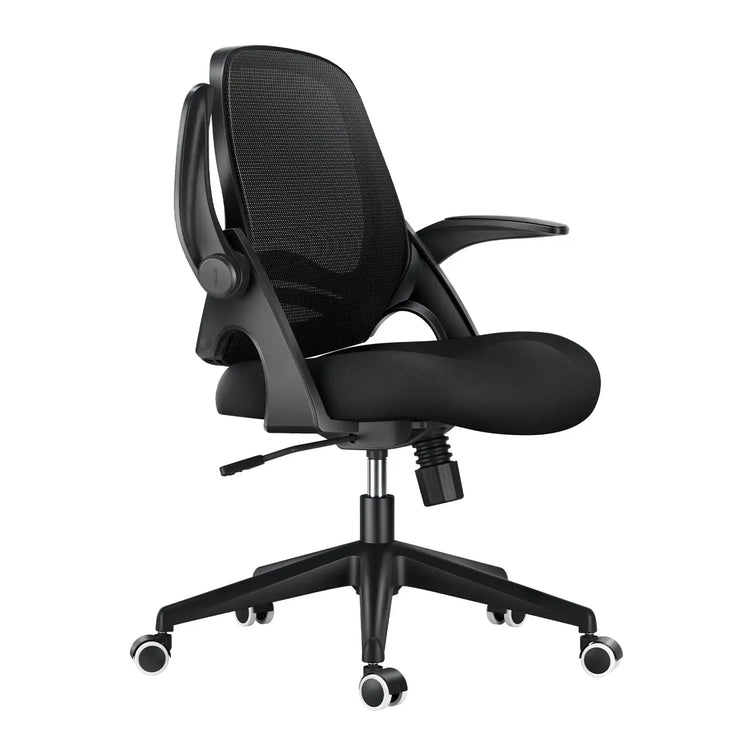
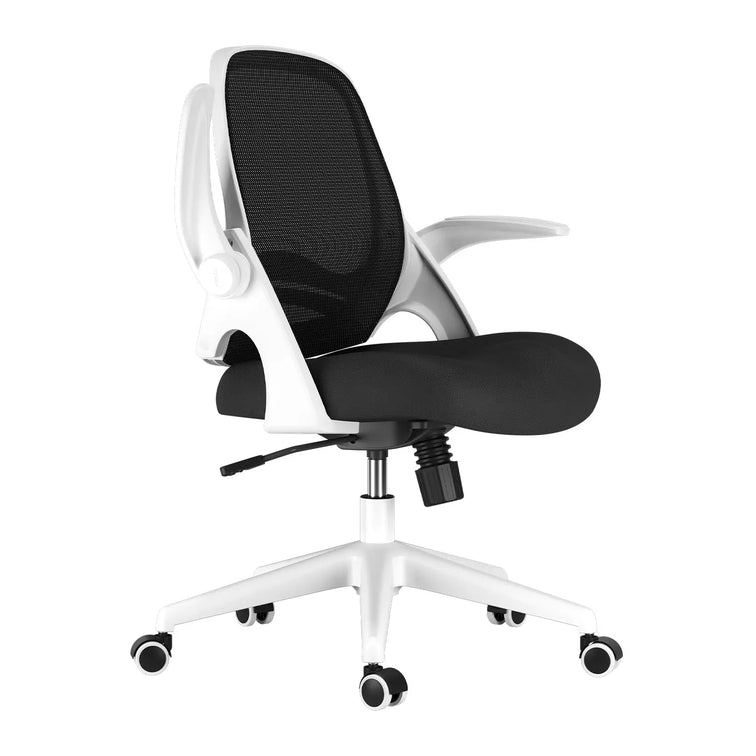
You can review HBADA’s range of ergonomic office chairs to understand the available adjustment types. However, a product’s inclusion on a commercial collection page does not establish medical suitability or eligibility for French public funding.
For more general selection guidance, see our guide to evaluating ergonomic-chair adjustments. A qualified professional should determine which specifications are appropriate for a disability-related application.
Frequently Asked Questions
1. What is MDPH ergonomic chair funding?
It is an informal expression used for possible assistance obtained through the French disability-support system. There is no separate official grant with that exact name. An adapted chair may be considered as a PCH technical aid if it compensates for an eligible disability-related limitation and is approved in the individual case.
2. Does MDPH automatically fund ergonomic office chairs?
No. The word “ergonomic” does not make a chair automatically eligible. The MDPH assesses the applicant’s disability-related needs, supporting documents, proposed equipment and applicable PCH rules.
3. How much can PCH technical-aid funding cover?
Current official guidance sets a shared technical-aid ceiling of €13,200 over 10 years. The actual award can be lower and depends on the eligible equipment, reimbursement rules, available resources and individual assessment.
4. What is the 2026 PCH resource threshold?
Official guidance updated in June 2026 states that the full rate applies when the relevant annual resources are no more than €31,162.62. A rate of 80% generally applies above that amount. The MDPH should confirm which resources count in the calculation.
5. What documents may be needed?
A file may include the current MDPH application form, the required medical certificate, supporting identity and residence documents, a detailed supplier quotation and, when relevant, an occupational-therapy or ergonomic assessment.
6. How long does an MDPH decision take?
Processing times vary. Service-Public states that if no response is received after four months, the application is treated as rejected. Applicants should retain proof of submission and contact their MDPH for local processing information.
7. Can Agefiph help pay for an ergonomic chair?
Potentially. For an eligible private-sector workplace adaptation, Agefiph gives the example of funding the disability-related difference between the cost of an ordinary chair and the adapted ergonomic chair required. The employer or eligible self-employed worker normally makes the application.
8. Can a public-sector employee receive assistance?
FIPHFP may contribute to an eligible public-sector workstation adaptation, including ergonomic furniture. Its current maximum for this intervention is €10,000, subject to assessment and programme rules.
9. Should I buy the chair before applying?
Not unless the relevant organisation confirms that you may do so. Some schemes require the application or approval to be completed before the equipment is purchased.
Official Sources
- Service-Public.fr: Prestation de compensation du handicap (PCH)
- Mon Parcours Handicap: 2026 PCH amounts
- Agefiph: Workplace adaptation assistance
- FIPHFP: Assistance for adapting a workstation
Final Thoughts

An adapted chair may be part of a disability-compensation or workplace-adjustment plan, but approval depends on evidence rather than the product’s marketing category. Start by identifying the correct funding route, obtain a professional assessment, request a detailed quotation and submit the application before purchasing whenever the programme requires prior approval.
Always confirm the current rules and amounts with the responsible organisation because PCH tariffs, thresholds and workplace-assistance policies can change.