Cart
Your shopping cart is empty
Continue Shopping
Every Order, Backed by HBADA
30-day in-home Trial
Free 2-Business-Day Shipping
5-Year Hassle-Free Warranty
24/7 Customer Support


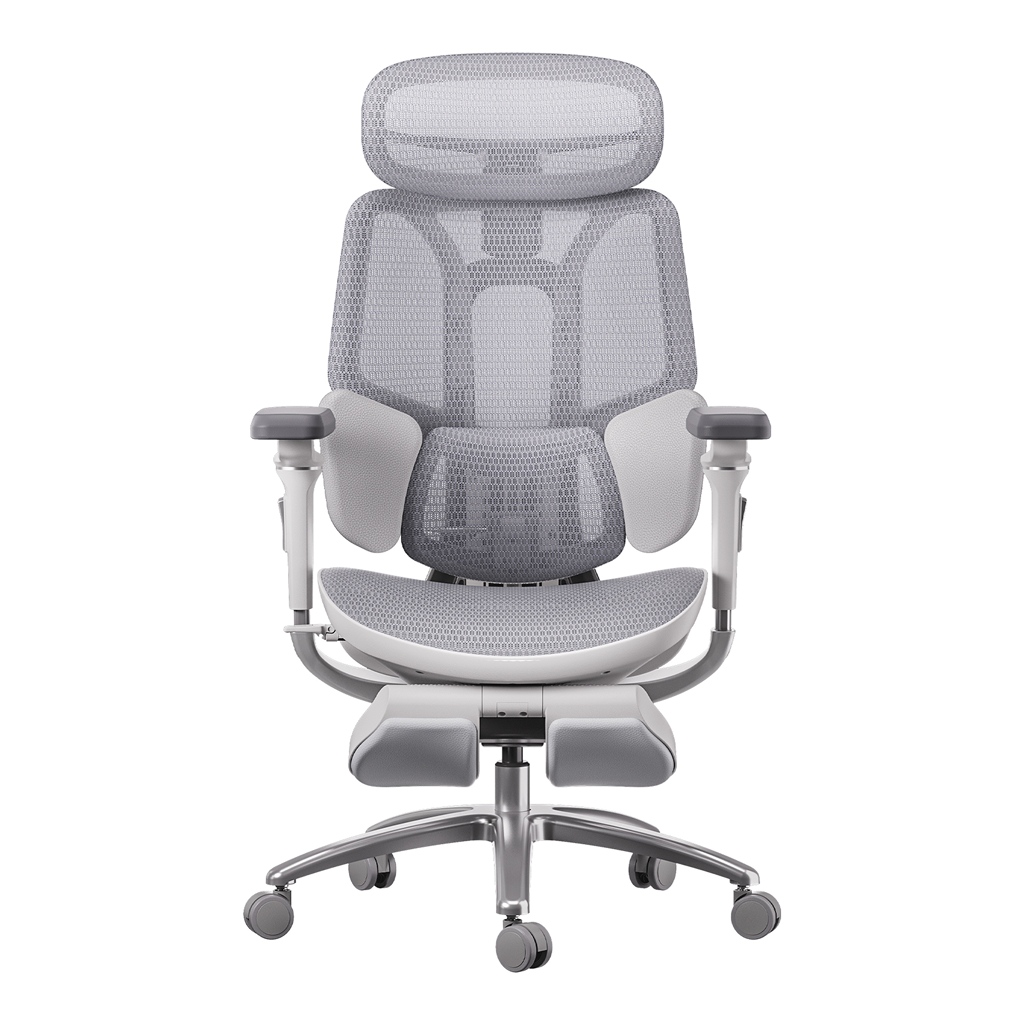
HBADA E3 Pro Ergonomic Office Chair

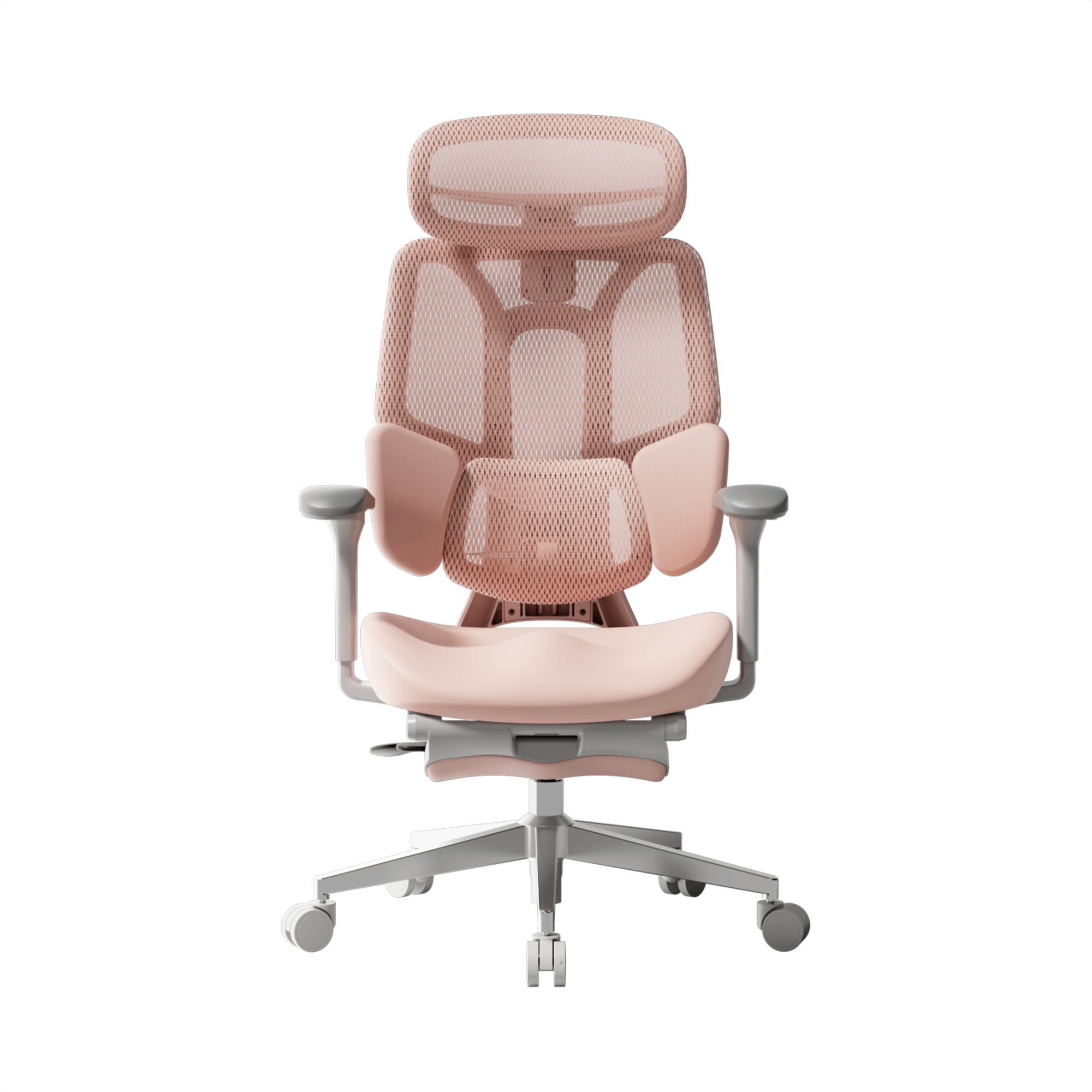
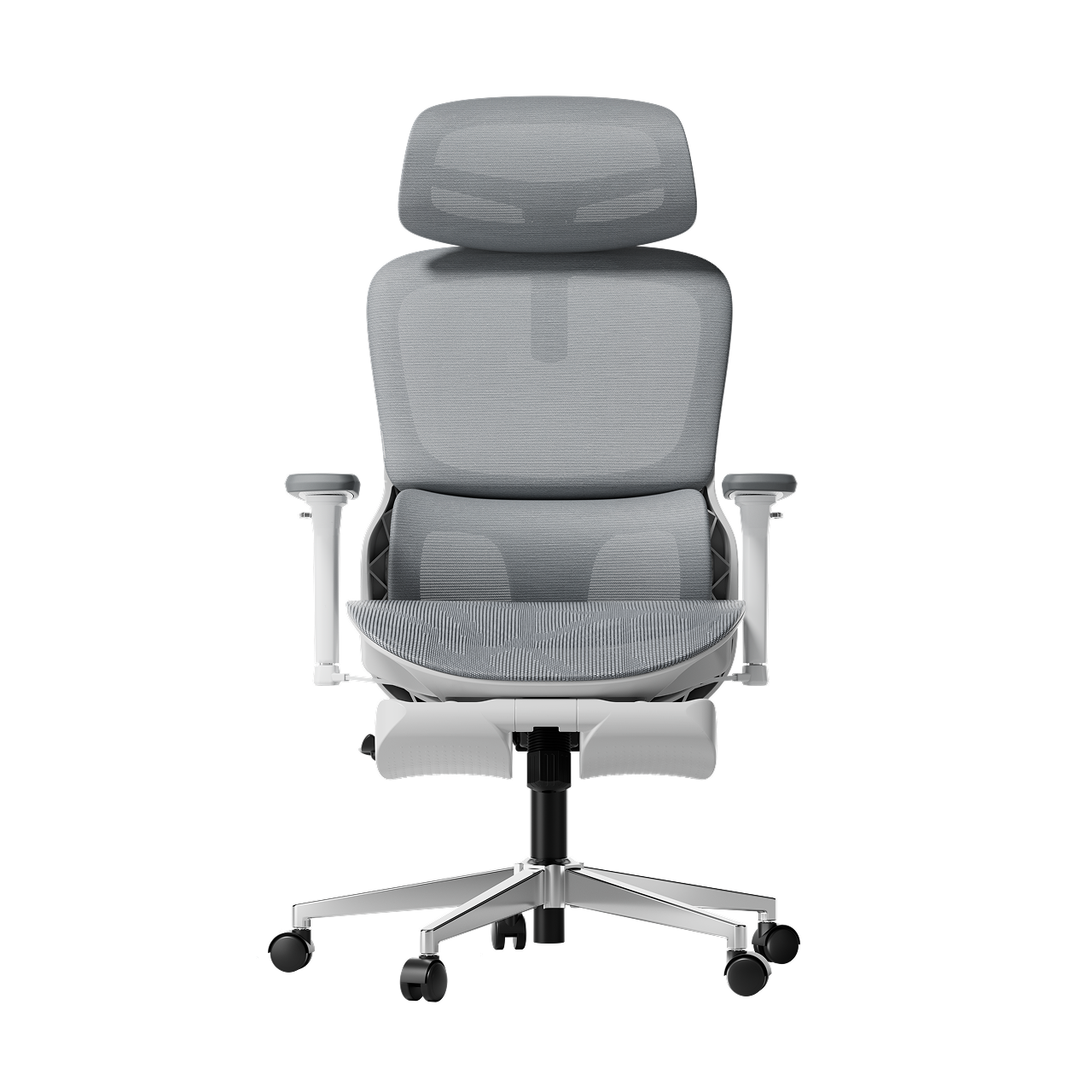
HBADA E3 Ultra Ergonomic Office Chair Futuristic

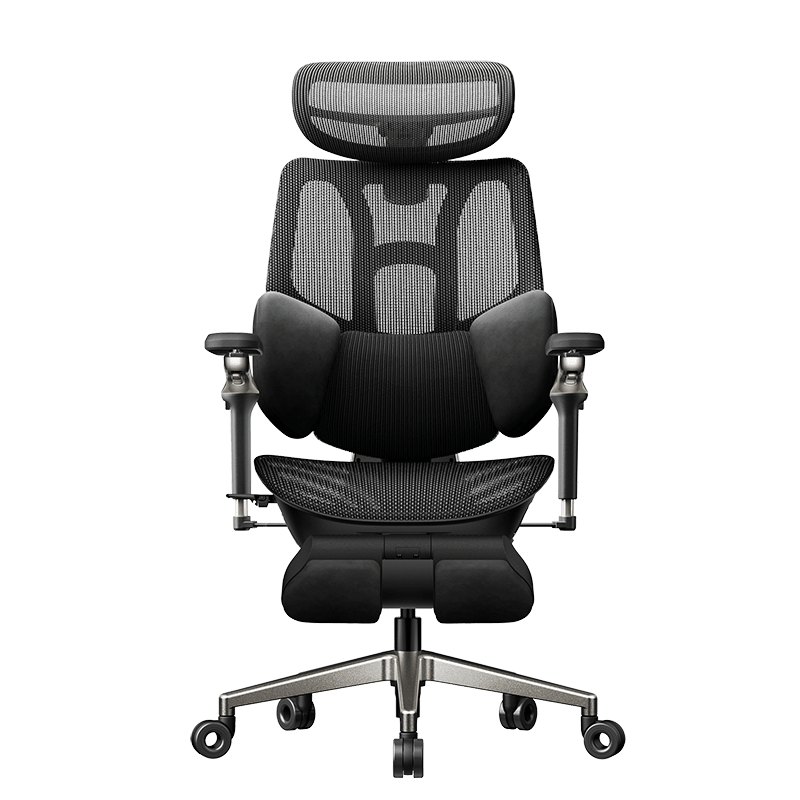
HBADA X7 Smart Ergonomic Chair

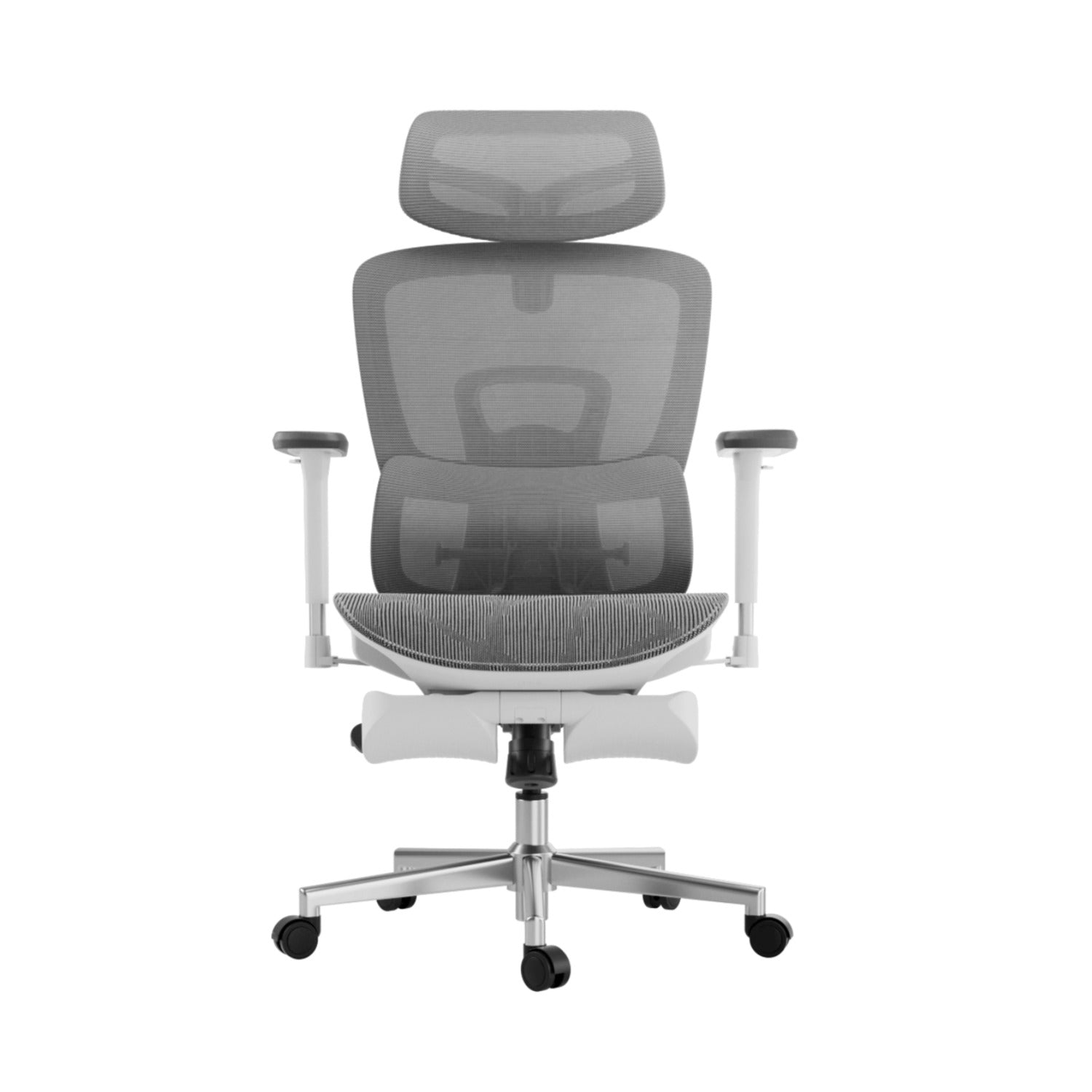
HBADA P2 Ergonomic Office Chair
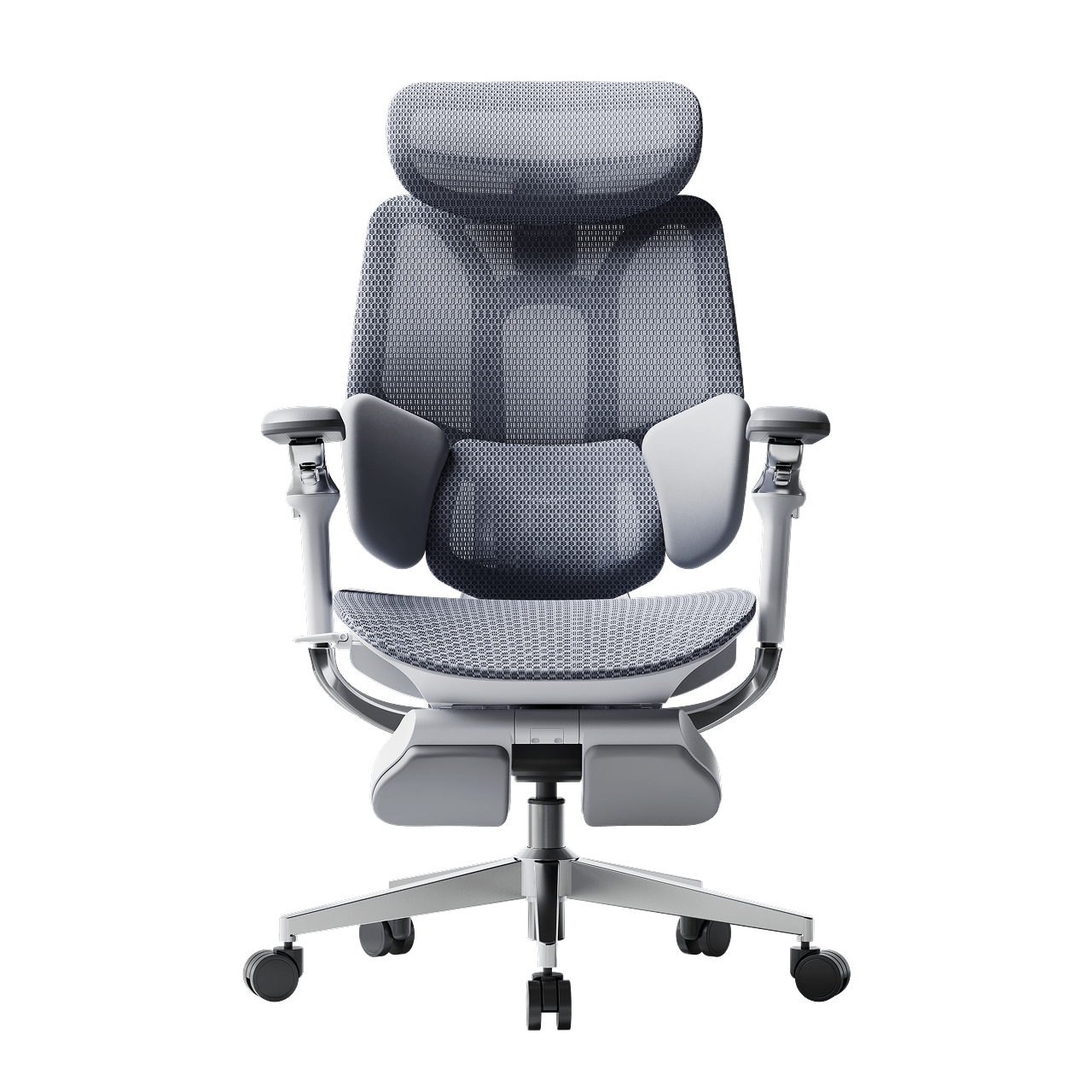
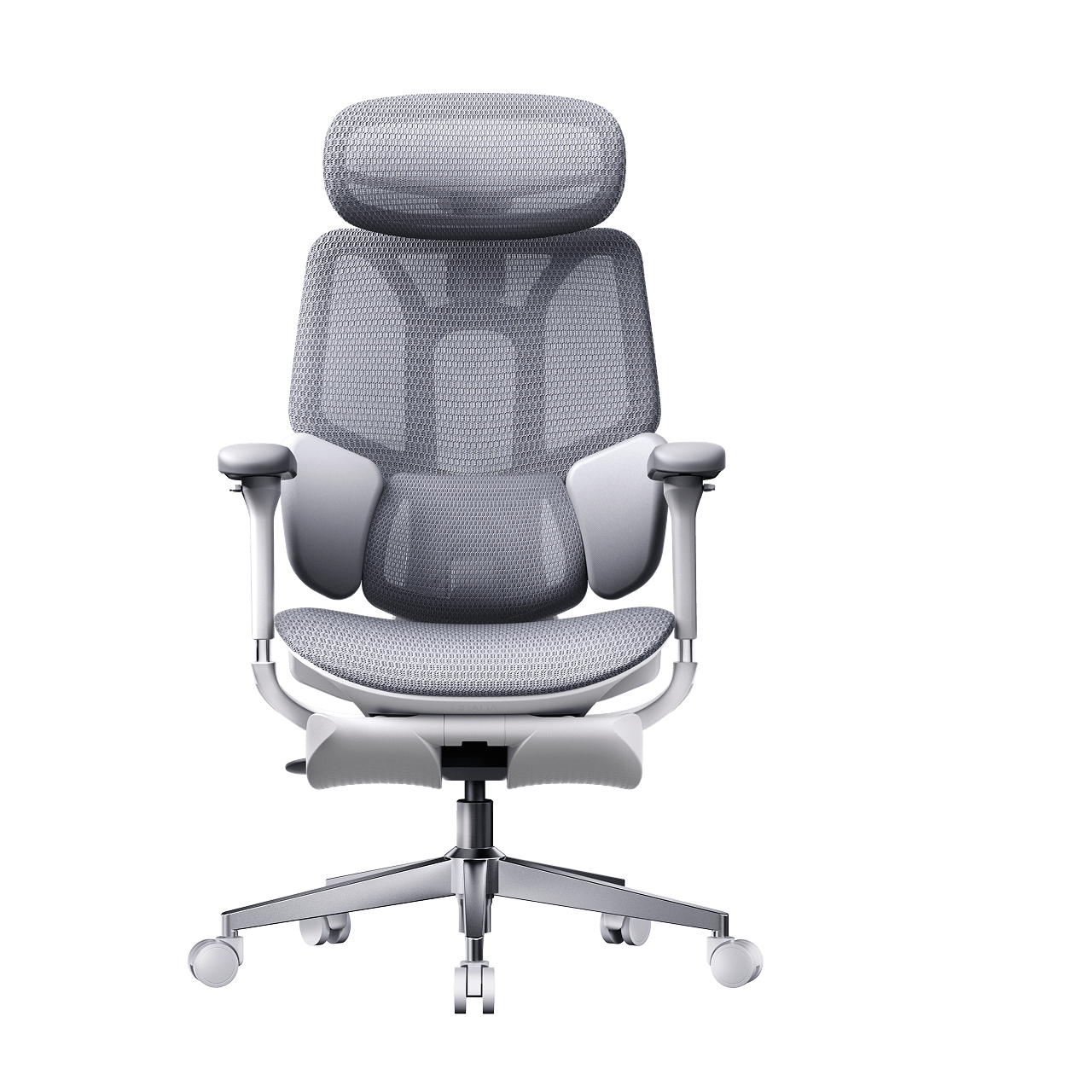
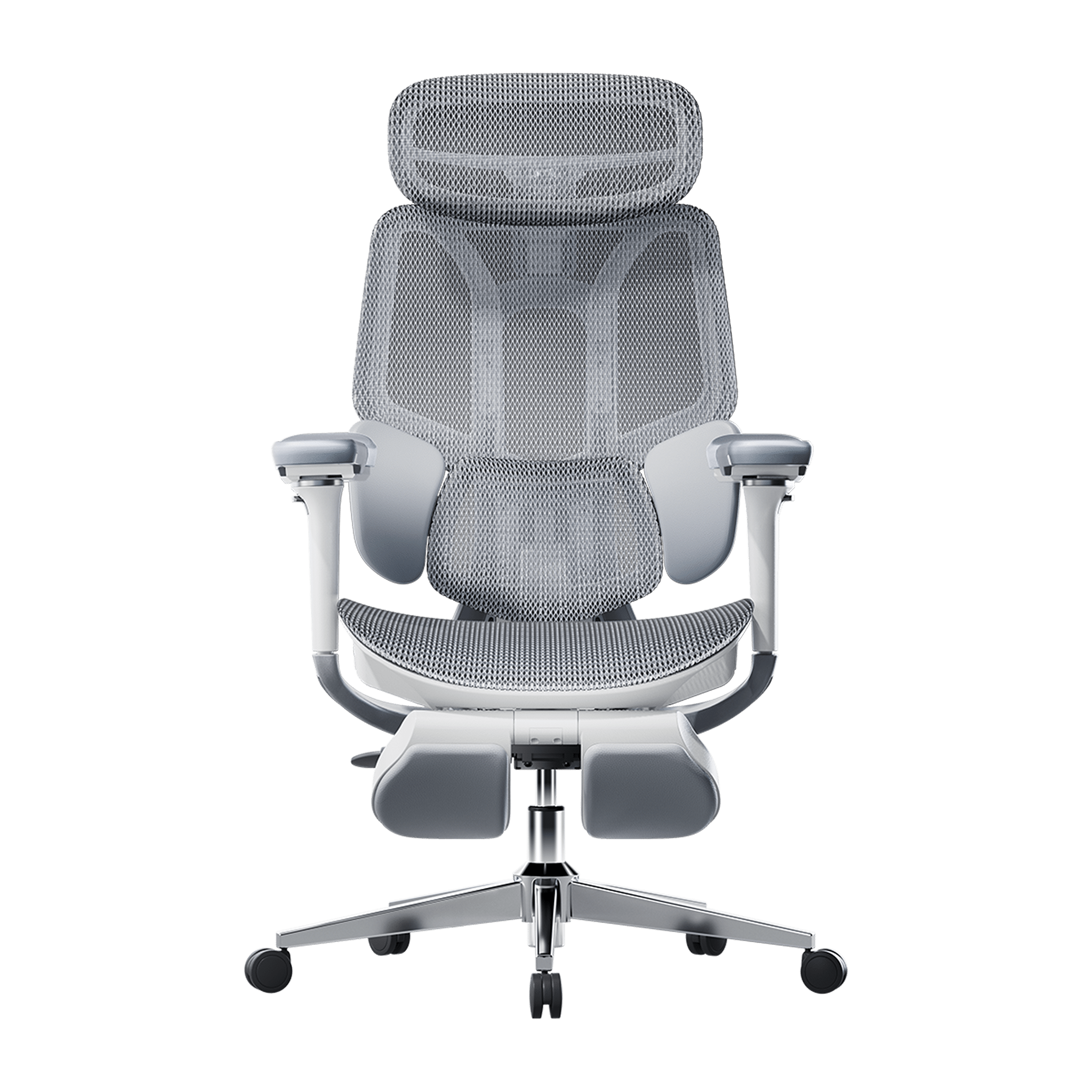

Remove this item from your cart?
Cart
 Holiday Gifting Guide for Gamers (2026): Ergonomic Chairs They’ll Actually Use
Contents
Why gamers need real ergonomic support
Top HBADA chairs gamers love
P2 — best entry-level ergonomic chair for gamers
E3 Air — best-value fully adjustable gaming chair
Why ergonomic chairs make the best gaming gift
Black Friday savings — top deals to check out
Gift better. Sit better. Game better.
Why Gamers Need Real Ergonomic Support (Not Just RGB Lights)
Whether they’re grinding ranked, streaming for hours, or juggling work and gaming, the average gamer spends 6–10 hours a day sitting. And while many “gaming chairs” focus on flashy colors, very few actually support the back, neck, and posture during long play sessions.
That’s where ergonomic gaming chairs—real ergonomic chairs—make all the difference.
This holiday season, if you’re searching for a gaming gift they’ll actually use, nothing beats a chair that keeps them comfortable, aligned, and focused.
And the timing couldn’t be better:
HBADA Black Friday Sale is officially live — up to 53% off.
Let’s break down the top HBADA chairs perfect for gamers.
Top HBADA Chairs Gamers Love
1. HBADA P2 Ergonomic Chair — The Best Entry-Level Ergonomic Chair for Gamers
Perfect for:
Teen gamers
College students
Budget-conscious gift givers
Small desk setups or bedroom gaming corners
Why it makes an amazing gaming gift:
True ergonomic back design (way better than typical gaming chairs)
Dynamic lumbar support that adjusts during movement
Breathable mesh to keep players cool
Lightweight and easy to assemble
Affordable price — especially during Black Friday
Gamers who play for hours will immediately feel the difference — better posture, better airflow, and far fewer aches after long sessions.
2. HBADA E3 Air Ergonomic Chair — Best-Value Fully Adjustable Gaming Chair
Perfect for:
Serious gamers
Streamers
PC gamers who play long, intense sessions
People who want an ergonomic upgrade from traditional gaming chairs
Why gamers love it:
3D adjustable lumbar support for perfect lower-back alignment
6D armrests (critical for controller + mouse/keyboard switches)
High-resilience mesh that stays breathable
Recline + lock system for mid-game breaks
A futuristic, refined design that fits any gamer’s setup
If the gamer in your life struggles with back pain or fidgets constantly, this is the chair that keeps them comfortable and in the zone.
Why Ergonomic Chairs Make the Best Gaming Gift
Unlike gadgets that get outdated fast, a high-quality ergonomic chair becomes part of a gamer’s daily comfort, health, and performance.
An ergonomic chair helps:
Reduce lower-back pain
Improve posture
Prevent shoulder strain
Support better focus and reaction time
Keep the body cool during long sessions
And because gamers use their chairs every single day, it’s a gift that has real, lasting value.
🎁 Make It the Best Holiday Gift — With Black Friday Savings
This year’s HBADA Black Friday Sale is offering the biggest savings of 2025 on gaming-friendly chairs.
Top Deals to Check Out
P2 Ergonomic Chair — Only $215 (Limited-Time Black Friday Deal)
E3 Air Ergonomic Chair — Save $217 and get the Best-value fully-adjustable ergonomic chair
With prices this low, many parents and partners pick up a second chair for their own home office.
Gift Better. Sit Better. Game Better.
If you’re shopping for:
✔ Your gamer partner✔ Your teen or college student✔ A friend who streams✔ Yourself (no shame!)
An ergonomic gaming chair is one of the most practical, meaningful gifts you can give this holiday season.
Shop Gaming-Friendly Chairs (Black Friday Sale Now Live!)
Nov 25, 2025
Holiday Gifting Guide for Gamers (2026): Ergonomic Chairs They’ll Actually Use
Contents
Why gamers need real ergonomic support
Top HBADA chairs gamers love
P2 — best entry-level ergonomic chair for gamers
E3 Air — best-value fully adjustable gaming chair
Why ergonomic chairs make the best gaming gift
Black Friday savings — top deals to check out
Gift better. Sit better. Game better.
Why Gamers Need Real Ergonomic Support (Not Just RGB Lights)
Whether they’re grinding ranked, streaming for hours, or juggling work and gaming, the average gamer spends 6–10 hours a day sitting. And while many “gaming chairs” focus on flashy colors, very few actually support the back, neck, and posture during long play sessions.
That’s where ergonomic gaming chairs—real ergonomic chairs—make all the difference.
This holiday season, if you’re searching for a gaming gift they’ll actually use, nothing beats a chair that keeps them comfortable, aligned, and focused.
And the timing couldn’t be better:
HBADA Black Friday Sale is officially live — up to 53% off.
Let’s break down the top HBADA chairs perfect for gamers.
Top HBADA Chairs Gamers Love
1. HBADA P2 Ergonomic Chair — The Best Entry-Level Ergonomic Chair for Gamers
Perfect for:
Teen gamers
College students
Budget-conscious gift givers
Small desk setups or bedroom gaming corners
Why it makes an amazing gaming gift:
True ergonomic back design (way better than typical gaming chairs)
Dynamic lumbar support that adjusts during movement
Breathable mesh to keep players cool
Lightweight and easy to assemble
Affordable price — especially during Black Friday
Gamers who play for hours will immediately feel the difference — better posture, better airflow, and far fewer aches after long sessions.
2. HBADA E3 Air Ergonomic Chair — Best-Value Fully Adjustable Gaming Chair
Perfect for:
Serious gamers
Streamers
PC gamers who play long, intense sessions
People who want an ergonomic upgrade from traditional gaming chairs
Why gamers love it:
3D adjustable lumbar support for perfect lower-back alignment
6D armrests (critical for controller + mouse/keyboard switches)
High-resilience mesh that stays breathable
Recline + lock system for mid-game breaks
A futuristic, refined design that fits any gamer’s setup
If the gamer in your life struggles with back pain or fidgets constantly, this is the chair that keeps them comfortable and in the zone.
Why Ergonomic Chairs Make the Best Gaming Gift
Unlike gadgets that get outdated fast, a high-quality ergonomic chair becomes part of a gamer’s daily comfort, health, and performance.
An ergonomic chair helps:
Reduce lower-back pain
Improve posture
Prevent shoulder strain
Support better focus and reaction time
Keep the body cool during long sessions
And because gamers use their chairs every single day, it’s a gift that has real, lasting value.
🎁 Make It the Best Holiday Gift — With Black Friday Savings
This year’s HBADA Black Friday Sale is offering the biggest savings of 2025 on gaming-friendly chairs.
Top Deals to Check Out
P2 Ergonomic Chair — Only $215 (Limited-Time Black Friday Deal)
E3 Air Ergonomic Chair — Save $217 and get the Best-value fully-adjustable ergonomic chair
With prices this low, many parents and partners pick up a second chair for their own home office.
Gift Better. Sit Better. Game Better.
If you’re shopping for:
✔ Your gamer partner✔ Your teen or college student✔ A friend who streams✔ Yourself (no shame!)
An ergonomic gaming chair is one of the most practical, meaningful gifts you can give this holiday season.
Shop Gaming-Friendly Chairs (Black Friday Sale Now Live!)
Nov 25, 2025
 Why an Ergonomic Chair Is the Best Gift for Anyone with Back Pain
Contents
Why an ergonomic chair makes the most thoughtful gift
How back pain happens — and why your gift can fix it
Why the HBADA X7 makes the best gift
Smart massage & heating for daily pain relief
Self-adapting lumbar tracking
Ergonomic support for any body shape
The gift that actually improves someone's life
How to choose the right ergonomic chair as a gift
Why it's the perfect holiday gift
Ready to give the gift of comfort?
Why an Ergonomic Chair Makes the Most Thoughtful Gift
If you’re searching for a gift that’s practical, impactful, and genuinely life-changing, nothing beats an ergonomic chair—especially for anyone who struggles with lower back pain, long work hours, or poor posture.
Unlike typical holiday gifts, an ergonomic chair offers something far more valuable:
✔daily relief✔ better posture✔ more energy✔ less pain during work or study
That's why people often say: “The best gifts are the ones you use every day.”
How Back Pain Happens (and Why Your Gift Can Fix It)
Most lower back pain comes from:
sitting in unsupported chairs
poor spinal alignment
lack of lumbar contact
muscle fatigue from long work sessions
An ergonomic chair addresses all of these issues at once by supporting the spine’s natural S-curve and reducing pressure on the lower back.
Why the HBADA X7 Smart Ergonomic Chair Makes the Best Gift
The X7 is engineered specifically for pain relief and long-hour comfort—making it the perfect gift for someone with chronic back tension or a demanding desk setup.
1. Smart Massage &Heating for Daily Pain Relief
The X7 provides built-in lumbar massage and gentle heating to relax tight muscles and boost circulation—ideal for people who sit for hours.
This feature alone makes it an incredible gift because it provides:
muscle relaxation
stress reduction
comfort during long work sessions
soothing heat during winter
2. Self-Adapting Lumbar Tracking
The X7 automatically adjusts its lumbar support as you move—something no standard chair can do.
This ensures:
proper posture at every angle
no slouching or collapsing
consistent spinal support
reduced long-term back strain
3. Ergonomic Support for Any Body Shape
With its 6D armrests, automatic recline, breathable mesh, and full adjustability, the X7 works for a wide range of users—from students to professionals to gamers.
4. The Gift That Actually Improves Someone’s Life
Instead of guessing sizes, colors, or tastes…You’re giving comfort, health, and real relief.
For anyone with back pain, this isn’t a chair—it's a life upgrade.
How to Choose the Right Ergonomic Chair as a Gift
When shopping for someone who deals with back pain, look for:
✔ Dynamic or auto-adjusting lumbar support
Keeps the spine aligned without effort.
✔ Massage and heating functions
Accelerates relaxation and reduces daily soreness.
✔ Recline + leg rest
Relieves pressure from the lower spine.
✔ Breathable, supportive mesh
Prevents sinking and keeps posture stable.
✔ Adjustable armrests and headrest
Ensures a customized fit for any body shape.
The X7 checks all of these boxes—making it one of the most effective and thoughtful gifts you can give.
Why It's the Perfect Holiday Gift
Ergonomic chairs are becoming one of the top gifting trends because more people than ever are working or studying at home.
Your gift can:
⭐help prevent long-term back issues
⭐improve someone’s daily comfort
⭐support productivity
⭐boost their overall well-being
⭐It feels personal, premium, and meaningful—exactly what a great gift should be.
Ready to Give the Gift of Comfort?
Explore the full features of the HBADA X7 Smart Ergonomic Chair:[Shop the X7 Smart Chair →]
For more expert insights on whether an HBADA chair is good for back pain relief, check here:
Q: What is the best chair after spinal surgery?
A firm, high-back chair with stable lumbar support and high armrests to help you stand up. The HBADA E3 Ultra is a top recovery choice in 2026 due to its stable, non-slump design.
Q: What can you never do after spinal surgery?
The "BLT": Bending, Lifting, or Twisting. An HBADA swivel chair allows you to turn your whole body without twisting your spine.
Q: What not to do with L4 L5 disc bulge?
Avoid soft couches and prolonged static sitting. Use an HBADA chair with a forward-tilt seat to keep the pelvis neutral and reduce disc protrusion.
Q: What is the hardest back surgery to recover from?
Multi-level Spinal Fusion. Recovery requires 2026-level ergonomic support from brands like HBADA to ensure the graft sets correctly.
Q: What movements make spinal stenosis worse?
Extension (leaning back too far) and standing for long periods. A slightly flexed (forward-leaning) sitting position in an HBADA chair often provides relief.
Q: Is it better to sleep in a recliner or a bed after back surgery?
In the first 48 hours, a recliner (or an HBADA chair with 150° recline) is often easier for getting in and out of without twisting.
Q: How long are you bedridden after spinal surgery?
Usually only 1–2 days. 2026 medical advice suggests early mobilization, using a supportive HBADA chair for short sitting intervals.
Q: What chairs are good for arthritis?
Chairs with easy-to-reach controls and pressure-relief mesh. HBADA chairs use high-elasticity mesh that prevents "pressure hotspots" on arthritic joints.
Q: What should arthritis sufferers avoid?
Static positions and "claw-like" adjustment levers. HBADA uses light-touch paddle controls that are easy on arthritic fingers.
Q: What calms arthritis?
Gentle movement (active sitting) and heat. The breathable mesh on HBADA chairs keeps joints at a stable temperature, avoiding the stiffness caused by cold.
Q: What triggers osteoarthritis flare-ups?
Cold weather, overexertion, and sitting in one position too long. HBADA's dynamic backrest encourages micro-movements to keep joints lubricated.
Q: Does arthritis hurt more when sitting?
Yes, if the chair is hard or immobile. An HBADA chair distributes weight evenly, reducing the load on the hips and knees.
Q: Is sitting bad for arthritic knees?
Only if the chair is too low. HBADA's gas lift allows you to sit high enough that your knees are slightly below your hips, reducing knee stress.
Q: What chair is good for spinal stenosis?
A chair that supports a slightly "hunched" or flexed posture. HBADA's adjustable backrest tension allows you to lean forward slightly while still being supported.
Q: Is spinal stenosis worse with sitting or standing?
Worse with standing (extension). Sitting (flexion) usually widens the spinal canal and relieves pain. This is why HBADA chairs are essential for stenosis sufferers who need to work.
Q: Can sitting too long aggravate spinal stenosis?
Yes, if the posture is static. HBADA's 2026 "Dynamic Seating" tech ensures you are moving even while sitting.
Q: Does walking help or hurt spinal stenosis?
Short walks help circulation, but long walks can hurt. Chiropractors recommend a "sit-stand-walk" cycle using an HBADA setup.
Q: What is the best sleeping position for someone with spinal stenosis?
On your side in a fetal position with a pillow between your knees.
Q: What position should you avoid with spinal stenosis?
Avoid lying flat on your back or stomach, which arches the spine and narrows the canal.
Q: What is the life expectancy of someone with spinal stenosis?
It is a normal life expectancy. It is a condition of mobility, not mortality. HBADA helps maintain that mobility quality.
Nov 23, 2025
Why an Ergonomic Chair Is the Best Gift for Anyone with Back Pain
Contents
Why an ergonomic chair makes the most thoughtful gift
How back pain happens — and why your gift can fix it
Why the HBADA X7 makes the best gift
Smart massage & heating for daily pain relief
Self-adapting lumbar tracking
Ergonomic support for any body shape
The gift that actually improves someone's life
How to choose the right ergonomic chair as a gift
Why it's the perfect holiday gift
Ready to give the gift of comfort?
Why an Ergonomic Chair Makes the Most Thoughtful Gift
If you’re searching for a gift that’s practical, impactful, and genuinely life-changing, nothing beats an ergonomic chair—especially for anyone who struggles with lower back pain, long work hours, or poor posture.
Unlike typical holiday gifts, an ergonomic chair offers something far more valuable:
✔daily relief✔ better posture✔ more energy✔ less pain during work or study
That's why people often say: “The best gifts are the ones you use every day.”
How Back Pain Happens (and Why Your Gift Can Fix It)
Most lower back pain comes from:
sitting in unsupported chairs
poor spinal alignment
lack of lumbar contact
muscle fatigue from long work sessions
An ergonomic chair addresses all of these issues at once by supporting the spine’s natural S-curve and reducing pressure on the lower back.
Why the HBADA X7 Smart Ergonomic Chair Makes the Best Gift
The X7 is engineered specifically for pain relief and long-hour comfort—making it the perfect gift for someone with chronic back tension or a demanding desk setup.
1. Smart Massage &Heating for Daily Pain Relief
The X7 provides built-in lumbar massage and gentle heating to relax tight muscles and boost circulation—ideal for people who sit for hours.
This feature alone makes it an incredible gift because it provides:
muscle relaxation
stress reduction
comfort during long work sessions
soothing heat during winter
2. Self-Adapting Lumbar Tracking
The X7 automatically adjusts its lumbar support as you move—something no standard chair can do.
This ensures:
proper posture at every angle
no slouching or collapsing
consistent spinal support
reduced long-term back strain
3. Ergonomic Support for Any Body Shape
With its 6D armrests, automatic recline, breathable mesh, and full adjustability, the X7 works for a wide range of users—from students to professionals to gamers.
4. The Gift That Actually Improves Someone’s Life
Instead of guessing sizes, colors, or tastes…You’re giving comfort, health, and real relief.
For anyone with back pain, this isn’t a chair—it's a life upgrade.
How to Choose the Right Ergonomic Chair as a Gift
When shopping for someone who deals with back pain, look for:
✔ Dynamic or auto-adjusting lumbar support
Keeps the spine aligned without effort.
✔ Massage and heating functions
Accelerates relaxation and reduces daily soreness.
✔ Recline + leg rest
Relieves pressure from the lower spine.
✔ Breathable, supportive mesh
Prevents sinking and keeps posture stable.
✔ Adjustable armrests and headrest
Ensures a customized fit for any body shape.
The X7 checks all of these boxes—making it one of the most effective and thoughtful gifts you can give.
Why It's the Perfect Holiday Gift
Ergonomic chairs are becoming one of the top gifting trends because more people than ever are working or studying at home.
Your gift can:
⭐help prevent long-term back issues
⭐improve someone’s daily comfort
⭐support productivity
⭐boost their overall well-being
⭐It feels personal, premium, and meaningful—exactly what a great gift should be.
Ready to Give the Gift of Comfort?
Explore the full features of the HBADA X7 Smart Ergonomic Chair:[Shop the X7 Smart Chair →]
For more expert insights on whether an HBADA chair is good for back pain relief, check here:
Q: What is the best chair after spinal surgery?
A firm, high-back chair with stable lumbar support and high armrests to help you stand up. The HBADA E3 Ultra is a top recovery choice in 2026 due to its stable, non-slump design.
Q: What can you never do after spinal surgery?
The "BLT": Bending, Lifting, or Twisting. An HBADA swivel chair allows you to turn your whole body without twisting your spine.
Q: What not to do with L4 L5 disc bulge?
Avoid soft couches and prolonged static sitting. Use an HBADA chair with a forward-tilt seat to keep the pelvis neutral and reduce disc protrusion.
Q: What is the hardest back surgery to recover from?
Multi-level Spinal Fusion. Recovery requires 2026-level ergonomic support from brands like HBADA to ensure the graft sets correctly.
Q: What movements make spinal stenosis worse?
Extension (leaning back too far) and standing for long periods. A slightly flexed (forward-leaning) sitting position in an HBADA chair often provides relief.
Q: Is it better to sleep in a recliner or a bed after back surgery?
In the first 48 hours, a recliner (or an HBADA chair with 150° recline) is often easier for getting in and out of without twisting.
Q: How long are you bedridden after spinal surgery?
Usually only 1–2 days. 2026 medical advice suggests early mobilization, using a supportive HBADA chair for short sitting intervals.
Q: What chairs are good for arthritis?
Chairs with easy-to-reach controls and pressure-relief mesh. HBADA chairs use high-elasticity mesh that prevents "pressure hotspots" on arthritic joints.
Q: What should arthritis sufferers avoid?
Static positions and "claw-like" adjustment levers. HBADA uses light-touch paddle controls that are easy on arthritic fingers.
Q: What calms arthritis?
Gentle movement (active sitting) and heat. The breathable mesh on HBADA chairs keeps joints at a stable temperature, avoiding the stiffness caused by cold.
Q: What triggers osteoarthritis flare-ups?
Cold weather, overexertion, and sitting in one position too long. HBADA's dynamic backrest encourages micro-movements to keep joints lubricated.
Q: Does arthritis hurt more when sitting?
Yes, if the chair is hard or immobile. An HBADA chair distributes weight evenly, reducing the load on the hips and knees.
Q: Is sitting bad for arthritic knees?
Only if the chair is too low. HBADA's gas lift allows you to sit high enough that your knees are slightly below your hips, reducing knee stress.
Q: What chair is good for spinal stenosis?
A chair that supports a slightly "hunched" or flexed posture. HBADA's adjustable backrest tension allows you to lean forward slightly while still being supported.
Q: Is spinal stenosis worse with sitting or standing?
Worse with standing (extension). Sitting (flexion) usually widens the spinal canal and relieves pain. This is why HBADA chairs are essential for stenosis sufferers who need to work.
Q: Can sitting too long aggravate spinal stenosis?
Yes, if the posture is static. HBADA's 2026 "Dynamic Seating" tech ensures you are moving even while sitting.
Q: Does walking help or hurt spinal stenosis?
Short walks help circulation, but long walks can hurt. Chiropractors recommend a "sit-stand-walk" cycle using an HBADA setup.
Q: What is the best sleeping position for someone with spinal stenosis?
On your side in a fetal position with a pillow between your knees.
Q: What position should you avoid with spinal stenosis?
Avoid lying flat on your back or stomach, which arches the spine and narrows the canal.
Q: What is the life expectancy of someone with spinal stenosis?
It is a normal life expectancy. It is a condition of mobility, not mortality. HBADA helps maintain that mobility quality.
Nov 23, 2025
 HBADA Lumbar Support Guide: The Science of Sitting Right
Contents
Why lower back pain is so common
The science behind HBADA's 3D lumbar system
Dynamic vs. fixed lumbar support
Real user stories
HBADA chairs with advanced lumbar systems
Conclusion
Why Lower Back Pain Is So Common
If you’ve ever ended a long workday with a stiff or aching lower back, you’re not alone. Studies show that poor sitting posture and inadequate lumbar support are leading causes of chronic back pain among office workers. When your spine isn’t aligned properly, pressure builds around the lumbar area, leading to fatigue, discomfort, and long-term issues with posture.
That’s where ergonomic back support makes all the difference — and where HBADA’s 3D lumbar support system steps in.
The Science Behind HBADA’s 3D Lumbar System
HBADA’s ergonomic design is built around one key principle: dynamic spinal alignment. Unlike traditional chairs that use a static cushion, HBADA’s 3D lumbar support automatically adapts to the natural curve of your lower back.
The system works in three dimensions:
Depth adjustment – controls how much support pushes forward.
Height adjustment – aligns with your spine’s curvature.
Elastic flexibility – moves with your body as you lean, stretch, or recline.
This 3D adaptive design helps maintain healthy posture, encourages natural movement, and promotes lower back relief — especially during long working hours. You’ll feel supported whether you’re typing, brainstorming, or relaxing between tasks.
Dynamic vs. Fixed Lumbar Support — What’s Better for You?
The debate between dynamic and fixed lumbar systems comes down to how you sit.
Dynamic lumbar support (like on the HBADA X7 and E3 Pro) adjusts in real time to your movements, keeping your spine aligned even as you shift positions. This is ideal for professionals who work long hours or switch frequently between sitting upright and reclining.
Fixed lumbar support (like on the E2 Pro) provides steady, targeted support for users who prefer a firm, consistent feel — perfect for maintaining stable posture throughout the day.
Whichever you choose, HBADA’s lumbar systems are engineered to keep your spine supported in its natural S-curve, helping prevent slouching and improving circulation.
Real User Stories: Comfort That Feels Different
Our community says it best:
“I used to have chronic lower back pain, but with the E3 Pro, I can finally sit through my 8-hour workdays without discomfort.”— Mark T., Designer
“The X7’s lumbar support actually moves with me, and the massage function really eases the soreness in my lower back — it feels like the chair understands what my body needs.””— Sophie L., Video Editor
These user experiences show how a chair designed for posture correction and spinal health can truly transform daily comfort and productivity.
HBADA Chairs with Advanced Lumbar Systems
If lumbar health is your top priority, here are the best HBADA models to explore:
E3 Pro Ergonomic Chair: Fully adjustable 3D lumbar system for precise posture alignment.
X7 Smart Ergonomic Chair: Dynamic lumbar tracking, plus massage and heating for active back support.
E2 Pro Ergonomic Chair: Firm, fixed lumbar pad for stable everyday comfort.
Each model is designed to balance comfort, ergonomics, and long-term spinal wellness — so you can find the chair that fits your body and workflow best.
Conclusion: Sit Right, Feel Better
Your lower back deserves better than static support. With HBADA’s 3D lumbar system, every angle and curve of your spine is cared for — helping you stay comfortable, productive, and pain-free through every work session.
👉 Compare lumbar support features → [HBADA Comparison Page]
Frequently Asked Questions About Lumbar Support & ErgonomicsFinding the perfect sitting posture isn't always intuitive. To help you maximize the benefits of your ergonomic setup and make the most out of HBADA’s advanced spinal science, we’ve answered the most common questions our community asks about lumbar support and posture health below:
1. Should you use lumbar support while sitting?
Answer: Yes, using lumbar support while sitting is absolutely essential, especially for prolonged periods. Without proper support, your lower back naturally tends to slouch, which flattens the spine's natural "S-curve." This leads to muscle fatigue, increased pressure on your spinal discs, and chronic lower back pain. A good lumbar support system fills the gap between your back and the chair, holding your spine in a healthy, neutral alignment.
2. What is a Hbada chair?
Answer: A HBADA chair is a premium ergonomic office chair engineered to provide scientifically backed spinal support and ultimate comfort. Known for solving chronic back pain among office workers and gamers, HBADA chairs feature advanced ergonomic innovations, such as the 3D Adaptive Lumbar System and Dynamic AI Lumbar Tracking (found in models like the E3 Pro and X7 Smart Chair). They are designed to correct posture and promote long-term spinal health.
3. How to properly sit with lumbar support?
Answer: To sit correctly with lumbar support, follow these 3 expert steps for proper spinal alignment:
Sit All the Way Back: Push your hips as far back into the seat pan as possible so your back makes full contact with the backrest.
Align the Support: Ensure the lumbar pad rests exactly in the natural curve of your lower back (just above your belt line).
Ground Your Feet: Keep both feet completely flat on the floor or a footrest, with your knees bent at a 90-degree angle. This prevents your lower back from overcompensating.
4. How important is lumbar support in a chair?
Answer: Lumbar support is arguably the most important feature of any ergonomic chair. It carries the weight of your upper body and relieves the immense pressure placed on the L4 and L5 vertebrae when sitting. Studies show that inadequate lumbar support is the leading cause of posture-related back pain. Having proper support prevents long-term musculoskeletal injuries and significantly improves focus and productivity.
5. How To Position the Lumbar Support on Your Office Chair?
Answer: Positioning your lumbar support correctly is key to back pain relief. Adjust the height of the lumbar pad so it fits snugly into the "small of your back" (the deepest part of your lower spine curve). Then, adjust the depth or tension so it gently pushes your spine forward into a healthy posture. It should feel supportive and natural—if it forces you to arch your back too much, it is too tight or positioned too high.
6. What is the difference between dynamic and fixed lumbar support?Answer: The choice depends on your working habits. Dynamic lumbar support (featured in the HBADA X7 and E3 Pro) adjusts in real-time, moving with your body as you lean, stretch, or recline. This is ideal for users who work long hours and shift positions frequently. Fixed lumbar support (like the HBADA E2 Pro) provides steady, targeted firmness for users who prefer a consistent feel to maintain a stable posture all day.
7. How does HBADA's 3D Lumbar System work?Answer: Unlike traditional static cushions, HBADA’s 3D Lumbar System works in three dimensions to provide dynamic spinal alignment:• Depth adjustment: Controls how much the support pushes forward.• Height adjustment: Aligns perfectly with your unique spinal curvature.• Elastic flexibility: Automatically adapts and moves with your body as you shift your weight, ensuring you never lose support.
8. Can the right ergonomic chair actually relieve chronic back pain?Answer: Yes. Many users report significant relief from chronic lower back pain after switching to a scientifically designed ergonomic chair. By keeping the spine supported in its natural S-curve, chairs like the HBADA E3 Pro or X7 Smart Chair(which even includes built-in massage and heating) relieve muscle tension, improve blood circulation, and allow professionals to comfortably sit through 8-hour workdays.
Nov 13, 2025
HBADA Lumbar Support Guide: The Science of Sitting Right
Contents
Why lower back pain is so common
The science behind HBADA's 3D lumbar system
Dynamic vs. fixed lumbar support
Real user stories
HBADA chairs with advanced lumbar systems
Conclusion
Why Lower Back Pain Is So Common
If you’ve ever ended a long workday with a stiff or aching lower back, you’re not alone. Studies show that poor sitting posture and inadequate lumbar support are leading causes of chronic back pain among office workers. When your spine isn’t aligned properly, pressure builds around the lumbar area, leading to fatigue, discomfort, and long-term issues with posture.
That’s where ergonomic back support makes all the difference — and where HBADA’s 3D lumbar support system steps in.
The Science Behind HBADA’s 3D Lumbar System
HBADA’s ergonomic design is built around one key principle: dynamic spinal alignment. Unlike traditional chairs that use a static cushion, HBADA’s 3D lumbar support automatically adapts to the natural curve of your lower back.
The system works in three dimensions:
Depth adjustment – controls how much support pushes forward.
Height adjustment – aligns with your spine’s curvature.
Elastic flexibility – moves with your body as you lean, stretch, or recline.
This 3D adaptive design helps maintain healthy posture, encourages natural movement, and promotes lower back relief — especially during long working hours. You’ll feel supported whether you’re typing, brainstorming, or relaxing between tasks.
Dynamic vs. Fixed Lumbar Support — What’s Better for You?
The debate between dynamic and fixed lumbar systems comes down to how you sit.
Dynamic lumbar support (like on the HBADA X7 and E3 Pro) adjusts in real time to your movements, keeping your spine aligned even as you shift positions. This is ideal for professionals who work long hours or switch frequently between sitting upright and reclining.
Fixed lumbar support (like on the E2 Pro) provides steady, targeted support for users who prefer a firm, consistent feel — perfect for maintaining stable posture throughout the day.
Whichever you choose, HBADA’s lumbar systems are engineered to keep your spine supported in its natural S-curve, helping prevent slouching and improving circulation.
Real User Stories: Comfort That Feels Different
Our community says it best:
“I used to have chronic lower back pain, but with the E3 Pro, I can finally sit through my 8-hour workdays without discomfort.”— Mark T., Designer
“The X7’s lumbar support actually moves with me, and the massage function really eases the soreness in my lower back — it feels like the chair understands what my body needs.””— Sophie L., Video Editor
These user experiences show how a chair designed for posture correction and spinal health can truly transform daily comfort and productivity.
HBADA Chairs with Advanced Lumbar Systems
If lumbar health is your top priority, here are the best HBADA models to explore:
E3 Pro Ergonomic Chair: Fully adjustable 3D lumbar system for precise posture alignment.
X7 Smart Ergonomic Chair: Dynamic lumbar tracking, plus massage and heating for active back support.
E2 Pro Ergonomic Chair: Firm, fixed lumbar pad for stable everyday comfort.
Each model is designed to balance comfort, ergonomics, and long-term spinal wellness — so you can find the chair that fits your body and workflow best.
Conclusion: Sit Right, Feel Better
Your lower back deserves better than static support. With HBADA’s 3D lumbar system, every angle and curve of your spine is cared for — helping you stay comfortable, productive, and pain-free through every work session.
👉 Compare lumbar support features → [HBADA Comparison Page]
Frequently Asked Questions About Lumbar Support & ErgonomicsFinding the perfect sitting posture isn't always intuitive. To help you maximize the benefits of your ergonomic setup and make the most out of HBADA’s advanced spinal science, we’ve answered the most common questions our community asks about lumbar support and posture health below:
1. Should you use lumbar support while sitting?
Answer: Yes, using lumbar support while sitting is absolutely essential, especially for prolonged periods. Without proper support, your lower back naturally tends to slouch, which flattens the spine's natural "S-curve." This leads to muscle fatigue, increased pressure on your spinal discs, and chronic lower back pain. A good lumbar support system fills the gap between your back and the chair, holding your spine in a healthy, neutral alignment.
2. What is a Hbada chair?
Answer: A HBADA chair is a premium ergonomic office chair engineered to provide scientifically backed spinal support and ultimate comfort. Known for solving chronic back pain among office workers and gamers, HBADA chairs feature advanced ergonomic innovations, such as the 3D Adaptive Lumbar System and Dynamic AI Lumbar Tracking (found in models like the E3 Pro and X7 Smart Chair). They are designed to correct posture and promote long-term spinal health.
3. How to properly sit with lumbar support?
Answer: To sit correctly with lumbar support, follow these 3 expert steps for proper spinal alignment:
Sit All the Way Back: Push your hips as far back into the seat pan as possible so your back makes full contact with the backrest.
Align the Support: Ensure the lumbar pad rests exactly in the natural curve of your lower back (just above your belt line).
Ground Your Feet: Keep both feet completely flat on the floor or a footrest, with your knees bent at a 90-degree angle. This prevents your lower back from overcompensating.
4. How important is lumbar support in a chair?
Answer: Lumbar support is arguably the most important feature of any ergonomic chair. It carries the weight of your upper body and relieves the immense pressure placed on the L4 and L5 vertebrae when sitting. Studies show that inadequate lumbar support is the leading cause of posture-related back pain. Having proper support prevents long-term musculoskeletal injuries and significantly improves focus and productivity.
5. How To Position the Lumbar Support on Your Office Chair?
Answer: Positioning your lumbar support correctly is key to back pain relief. Adjust the height of the lumbar pad so it fits snugly into the "small of your back" (the deepest part of your lower spine curve). Then, adjust the depth or tension so it gently pushes your spine forward into a healthy posture. It should feel supportive and natural—if it forces you to arch your back too much, it is too tight or positioned too high.
6. What is the difference between dynamic and fixed lumbar support?Answer: The choice depends on your working habits. Dynamic lumbar support (featured in the HBADA X7 and E3 Pro) adjusts in real-time, moving with your body as you lean, stretch, or recline. This is ideal for users who work long hours and shift positions frequently. Fixed lumbar support (like the HBADA E2 Pro) provides steady, targeted firmness for users who prefer a consistent feel to maintain a stable posture all day.
7. How does HBADA's 3D Lumbar System work?Answer: Unlike traditional static cushions, HBADA’s 3D Lumbar System works in three dimensions to provide dynamic spinal alignment:• Depth adjustment: Controls how much the support pushes forward.• Height adjustment: Aligns perfectly with your unique spinal curvature.• Elastic flexibility: Automatically adapts and moves with your body as you shift your weight, ensuring you never lose support.
8. Can the right ergonomic chair actually relieve chronic back pain?Answer: Yes. Many users report significant relief from chronic lower back pain after switching to a scientifically designed ergonomic chair. By keeping the spine supported in its natural S-curve, chairs like the HBADA E3 Pro or X7 Smart Chair(which even includes built-in massage and heating) relieve muscle tension, improve blood circulation, and allow professionals to comfortably sit through 8-hour workdays.
Nov 13, 2025
 Best Ergonomic Chairs for Remote Work 2026 | HBADA
Contents
What to look for in an ergonomic chair
HBADA's top picks for 2025
E3 Pro — pro-level ergonomics, fully adjustable
X7 Smart — massage & heating
E3 Air — best-value fully adjustable
P2 — affordable entry into real ergonomics
Why ergonomics really matter
Not sure which chair fits you best?
Final thoughts
Work from Home, Reimagined
Remote work isn’t going anywhere — and neither are the long hours spent at your desk. That’s why investing in the right ergonomic chair is one of the smartest things you can do for your comfort, health, and productivity.
At HBADA, every chair is designed to support your posture, reduce strain, and help you feel your best from morning to night. Whether you’re working, studying, or creating, here are our top picks for 2025.
What to Look for in an Ergonomic Chair
A truly great work-from-home chair should do more than just look good. Here are a few key things to consider:
Proper Lumbar Support – Keeps your spine aligned and reduces strain.
Breathable Mesh Back – Prevents that sticky, overheated feeling during long sessions.
Adjustable Seat Depth and Height – Lets you find your ideal sitting posture
Smooth Recline Function – Gives your back a break without losing support.
A Design You’ll Love Seeing Every Day – Because your workspace should inspire you.
HBADA’s Top Picks for 2025
Here’s a closer look at our best ergonomic chairs for working from home this year — each one designed to meet different needs and styles.
🏆HBADA E3 Pro Ergonomic Chair — Pro-Level Ergonomics, Fully Adjustable
If you’re spending most of your day at your desk, the E3 Pro is a game-changer. It combines a futuristic design with serious ergonomic engineering — 6D adjustable armrests, a floating three-zone lumbar system, and a reclining footrest that makes quick breaks genuinely relaxing.
✅ Best for: Professionals who sit for long hours and demand precision comfort.
✅ Highlights:
Fully adjustable neck, back, and arm support for every body type
Breathable mesh to keep cool all day
Recline function with footrest for rest breaks
Sleek modern silhouette that fits any workspace
👉 Explore the E3 Pro Ergonomic Chair
HBADA X7 Smart Ergonomic Chair with Massage & Heating
The X7 is the future of ergonomic comfort — a chair designed not only to support your posture but also to actively enhance your well-being throughout the day.
As a smart ergonomic chair, the X7 helps correct your sitting posture automatically, ensuring you stay comfortable and aligned no matter your position or body shape. Its intelligent lumbar system adapts to your movements in real time, while the built-in massage and heating functions provide muscle relief and relaxation without interrupting your workflow — perfect for long working hours.
✅ Best for: Professionals who want intelligent comfort and real muscle recovery.
✅ Highlights:
Auto-adjusting lumbar tracking for perfect posture
Built-in massage and heat therapy that activates every 45 minutes
Mesh seat with cooling ventilation
720° rotating armrests and integrated footrest
Magnetic charging and detachable 5200mAh battery
Sleek, futuristic design that fits premium setups
👉 Discover the X7 Smart Ergonomic Chair
HBADA E3 Air Ergonomic Chair — Best-Value Fully-Adjustable Ergonomic Chair
Designed for flexibility and airflow, the E3 Air is perfect for smaller spaces or anyone who wants full adjustability without the premium price tag. It’s light, breathable, and built for everyday comfort.
✅ Best for: Students, freelancers, and home offices with limited space.
✅ Highlights:
Adjustable lumbar and headrest
Breathable mesh for all-day airflow
Smooth recline for relaxation
Stylish minimalist look
👉 Shop the E3 Air Ergonomic Chair
HBADA P2 Ergonomic Chair — Affordable Entry into Real Ergonomics
The P2 is where ergonomic support meets everyday value. With an adjustable headrest, lumbar support, and a streamlined frame, it’s ideal for those setting up their first home office or upgrading on a budget.
✅ Best for: New remote workers or students seeking all-day comfort.✅ Highlights:
Adjustable headrest, armrest, and lumbar support
Recline and tilt lock functions
Compact frame for tight spaces
Reliable ergonomic design at a great price
👉 Explore the P2 Ergonomic Chair
Why Ergonomics Really Matter
It’s easy to underestimate how much your chair affects your health. A well-designed ergonomic chair encourages proper posture, keeps your muscles relaxed, and improves blood flow — all of which help you feel more energized and focused.
Think of it as an investment not just in your workspace, but in your long-term well-being.
Not Sure Which Chair Fits You Best?
We get it — comfort is personal. Use our Chair Comparison Guide to compare all HBADA models side by side and find the one that fits your body, style, and budget.
Final Thoughts
In 2025, the best remote setups start with comfort. From the intelligent X7 Smart Chair to the fully adjustable E3 Pro, HBADA’s ergonomic chairs are designed to keep you productive, supported, and inspired — no matter how long your workday lasts.
💺 Explore All HBADA Ergonomic Chairs →
To explore the full technical specs and see why the HBADA is worth it,
1. What does ergonomic chair mean?
An ergonomic chair is a tool designed to support the body's natural posture, specifically the "S-curve" of the spine. Unlike standard chairs, an HBADA ergonomic chair offers 2026-standard adjustments (seat depth, 4D armrests, and AI lumbar) to reduce musculoskeletal strain.
2. Do ergonomic chairs really work?
Yes. By 2026, clinical data shows that using a professional HBADA chair reduces pressure on spinal discs by up to 40% and increases focus by minimizing physical fatigue.
3. What's the healthiest sitting position?
The "Neutral Posture": feet flat, knees at 90°, and the spine supported by a dynamic backrest. HBADA chairs facilitate this by using gravity-sensing tilt mechanisms.
4. Who really needs an ergonomic chair?
Anyone sitting for more than 4 hours a day, especially remote workers, gamers, and individuals with existing back issues. HBADA designs chairs for those who prioritize long-term spinal health.
5. What are the 5 benefits of ergonomics?
(1) Pain reduction; (2) Increased productivity; (3) Improved circulation; (4) Better breathing (due to open chest posture); (5) Long-term spinal alignment.
6. How to tell if a chair is ergonomic?
Look for at least 5 points of adjustment. If it lacks adjustable lumbar support or seat depth—like many "office chairs"—it isn't truly ergonomic. HBADA exceeds this with 8+ adjustment points.
7. Can an ergonomic chair fix back pain?
It helps manage and alleviate pain by removing the stress of poor posture, but it is most effective as a preventive tool. HBADA is widely used in 2026 as part of physical therapy at home.
8. Why is it called ergonomic?
From the Greek Ergon (work) and Nomos (laws). It means the science of designing work to fit the worker.
9. Do ergonomic chairs help with neck pain?
Yes, provided they have a 3D adjustable headrest. HBADA headrests support the cervical spine, preventing "Tech Neck" caused by leaning toward screens.
Nov 11, 2025
Best Ergonomic Chairs for Remote Work 2026 | HBADA
Contents
What to look for in an ergonomic chair
HBADA's top picks for 2025
E3 Pro — pro-level ergonomics, fully adjustable
X7 Smart — massage & heating
E3 Air — best-value fully adjustable
P2 — affordable entry into real ergonomics
Why ergonomics really matter
Not sure which chair fits you best?
Final thoughts
Work from Home, Reimagined
Remote work isn’t going anywhere — and neither are the long hours spent at your desk. That’s why investing in the right ergonomic chair is one of the smartest things you can do for your comfort, health, and productivity.
At HBADA, every chair is designed to support your posture, reduce strain, and help you feel your best from morning to night. Whether you’re working, studying, or creating, here are our top picks for 2025.
What to Look for in an Ergonomic Chair
A truly great work-from-home chair should do more than just look good. Here are a few key things to consider:
Proper Lumbar Support – Keeps your spine aligned and reduces strain.
Breathable Mesh Back – Prevents that sticky, overheated feeling during long sessions.
Adjustable Seat Depth and Height – Lets you find your ideal sitting posture
Smooth Recline Function – Gives your back a break without losing support.
A Design You’ll Love Seeing Every Day – Because your workspace should inspire you.
HBADA’s Top Picks for 2025
Here’s a closer look at our best ergonomic chairs for working from home this year — each one designed to meet different needs and styles.
🏆HBADA E3 Pro Ergonomic Chair — Pro-Level Ergonomics, Fully Adjustable
If you’re spending most of your day at your desk, the E3 Pro is a game-changer. It combines a futuristic design with serious ergonomic engineering — 6D adjustable armrests, a floating three-zone lumbar system, and a reclining footrest that makes quick breaks genuinely relaxing.
✅ Best for: Professionals who sit for long hours and demand precision comfort.
✅ Highlights:
Fully adjustable neck, back, and arm support for every body type
Breathable mesh to keep cool all day
Recline function with footrest for rest breaks
Sleek modern silhouette that fits any workspace
👉 Explore the E3 Pro Ergonomic Chair
HBADA X7 Smart Ergonomic Chair with Massage & Heating
The X7 is the future of ergonomic comfort — a chair designed not only to support your posture but also to actively enhance your well-being throughout the day.
As a smart ergonomic chair, the X7 helps correct your sitting posture automatically, ensuring you stay comfortable and aligned no matter your position or body shape. Its intelligent lumbar system adapts to your movements in real time, while the built-in massage and heating functions provide muscle relief and relaxation without interrupting your workflow — perfect for long working hours.
✅ Best for: Professionals who want intelligent comfort and real muscle recovery.
✅ Highlights:
Auto-adjusting lumbar tracking for perfect posture
Built-in massage and heat therapy that activates every 45 minutes
Mesh seat with cooling ventilation
720° rotating armrests and integrated footrest
Magnetic charging and detachable 5200mAh battery
Sleek, futuristic design that fits premium setups
👉 Discover the X7 Smart Ergonomic Chair
HBADA E3 Air Ergonomic Chair — Best-Value Fully-Adjustable Ergonomic Chair
Designed for flexibility and airflow, the E3 Air is perfect for smaller spaces or anyone who wants full adjustability without the premium price tag. It’s light, breathable, and built for everyday comfort.
✅ Best for: Students, freelancers, and home offices with limited space.
✅ Highlights:
Adjustable lumbar and headrest
Breathable mesh for all-day airflow
Smooth recline for relaxation
Stylish minimalist look
👉 Shop the E3 Air Ergonomic Chair
HBADA P2 Ergonomic Chair — Affordable Entry into Real Ergonomics
The P2 is where ergonomic support meets everyday value. With an adjustable headrest, lumbar support, and a streamlined frame, it’s ideal for those setting up their first home office or upgrading on a budget.
✅ Best for: New remote workers or students seeking all-day comfort.✅ Highlights:
Adjustable headrest, armrest, and lumbar support
Recline and tilt lock functions
Compact frame for tight spaces
Reliable ergonomic design at a great price
👉 Explore the P2 Ergonomic Chair
Why Ergonomics Really Matter
It’s easy to underestimate how much your chair affects your health. A well-designed ergonomic chair encourages proper posture, keeps your muscles relaxed, and improves blood flow — all of which help you feel more energized and focused.
Think of it as an investment not just in your workspace, but in your long-term well-being.
Not Sure Which Chair Fits You Best?
We get it — comfort is personal. Use our Chair Comparison Guide to compare all HBADA models side by side and find the one that fits your body, style, and budget.
Final Thoughts
In 2025, the best remote setups start with comfort. From the intelligent X7 Smart Chair to the fully adjustable E3 Pro, HBADA’s ergonomic chairs are designed to keep you productive, supported, and inspired — no matter how long your workday lasts.
💺 Explore All HBADA Ergonomic Chairs →
To explore the full technical specs and see why the HBADA is worth it,
1. What does ergonomic chair mean?
An ergonomic chair is a tool designed to support the body's natural posture, specifically the "S-curve" of the spine. Unlike standard chairs, an HBADA ergonomic chair offers 2026-standard adjustments (seat depth, 4D armrests, and AI lumbar) to reduce musculoskeletal strain.
2. Do ergonomic chairs really work?
Yes. By 2026, clinical data shows that using a professional HBADA chair reduces pressure on spinal discs by up to 40% and increases focus by minimizing physical fatigue.
3. What's the healthiest sitting position?
The "Neutral Posture": feet flat, knees at 90°, and the spine supported by a dynamic backrest. HBADA chairs facilitate this by using gravity-sensing tilt mechanisms.
4. Who really needs an ergonomic chair?
Anyone sitting for more than 4 hours a day, especially remote workers, gamers, and individuals with existing back issues. HBADA designs chairs for those who prioritize long-term spinal health.
5. What are the 5 benefits of ergonomics?
(1) Pain reduction; (2) Increased productivity; (3) Improved circulation; (4) Better breathing (due to open chest posture); (5) Long-term spinal alignment.
6. How to tell if a chair is ergonomic?
Look for at least 5 points of adjustment. If it lacks adjustable lumbar support or seat depth—like many "office chairs"—it isn't truly ergonomic. HBADA exceeds this with 8+ adjustment points.
7. Can an ergonomic chair fix back pain?
It helps manage and alleviate pain by removing the stress of poor posture, but it is most effective as a preventive tool. HBADA is widely used in 2026 as part of physical therapy at home.
8. Why is it called ergonomic?
From the Greek Ergon (work) and Nomos (laws). It means the science of designing work to fit the worker.
9. Do ergonomic chairs help with neck pain?
Yes, provided they have a 3D adjustable headrest. HBADA headrests support the cervical spine, preventing "Tech Neck" caused by leaning toward screens.
Nov 11, 2025
 How to Adjust Your Ergonomic Chair for Correct Sitting Posture and Back Pain Relief
Contents
Why adjusting your chair matters
Step-by-step: how to adjust your ergonomic chair
1. Set the right seat height
2. Adjust seat depth for balance
3. Fine-tune the lumbar support
4. Recline and tilt tension
5. Set armrest and headrest properly
When to consider an upgrade
Expert tips for long-term comfort
Frequently asked questions
Final thoughts
Why Adjusting Your Chair Matters
Back pain is one of the most common problems for people who work at a desk. On average, office workers spend over 1,800 hours a year sitting, and a poorly adjusted chair can strain your lower back, neck, and shoulders.
An ergonomic chair — especially one with adjustable lumbar support — can make a major difference. When adjusted correctly, it promotes healthy spinal alignment, improves blood circulation, and helps prevent long-term discomfort.
Let’s explore how to fine-tune your chair for the perfect posture.
Step-by-Step: How to Adjust Your Ergonomic Chair for Proper Posture
1. Set the Right Seat Height
Your feet should rest flat on the floor, with your knees at a 90° angle. Adjust the seat height so your thighs are parallel to the ground.
✅ Tip: If your chair is too high, use a footrest. If too low, raise it to avoid putting pressure on your thighs.
2. Adjust Seat Depth for Balance
Leave a 2–3 inch gap between the edge of your seat and the back of your knees. This allows healthy blood flow while keeping your lower back supported.If your chair allows, slide the seat pan forward or backward until you feel comfortably balanced.
3. Fine-Tune the Lumbar Support
Proper lumbar positioning is crucial for relieving lower back pain.Adjust the lumbar support height and depth until it fits naturally into the curve of your spine. A well-fitted office chair with adjustable lumbar support helps your body maintain its natural S-shape — reducing pressure and fatigue during long sitting hours.
4. Recline and Tilt Tension
Your backrest recline angle should be between 95–110°, supporting slight movement while keeping your spine aligned.Use the tilt tension knob to find resistance that allows you to lean back gently — this encourages active sitting and prevents stiffness.
5. Set Armrest and Headrest Properly
Armrests: Keep your elbows at a 90° angle. This reduces tension in your shoulders and wrists.
Headrest: Adjust it so it supports the middle of your head, not your neck, when you’re leaning back.
✅ Tip: A fully adjustable office chair gives you personalized control over every ergonomic setting — ideal for home offices or long workdays.
When to Consider an Upgrade
If you find that your current chair doesn’t allow enough flexibility or support, it might be time for an upgrade.A modern ergonomic posture chair or ergonomic zero gravity chair offers advanced lumbar tracking, breathable mesh comfort, and multi-point adjustability that traditional chairs lack.
👉 Explore HBADA’s ergonomic chair collection:Shop HBADA Office Chairs — including the E3 Pro, X7 Smart, and P2 Ergonomic Chair, all designed for long-hour comfort and back health.
Expert Tips for Long-Term Comfort
Take breaks every hour and stand or stretch.
Keep your monitor at eye level to reduce neck strain.
Combine your desk chair adjustment with proper desk height and keyboard placement.
Choose breathable mesh chairs for ventilation — no more sweat or stiffness during long hours.
Frequently Asked Questions
Q: How do I adjust my ergonomic chair?To properly adjust your ergonomic chair for maximum comfort and posture support, it is best to adjust it from the ground up. Follow these 5 expert steps:Seat Height: Use the pneumatic lift to raise or lower the seat until your feet are completely flat on the floor and your knees are at a 90-degree angle.Seat Depth: Slide the seat pan so there is a 2-to-3-inch gap (about three fingers wide) between the front edge of the seat and the back of your knees to ensure proper blood circulation.Lumbar Support: Adjust the backrest or lumbar pad up and down so it snugly fits into the natural curve of your lower back.Armrests: Adjust the armrests so your elbows bend at a 90-degree angle. Your shoulders should be completely relaxed, not hunched.Backrest Tilt: Set the recline angle between 95° and 110° to reduce pressure on your spinal discs.
Q: What is the 90-90-90 rule in ergonomics? The 90-90-90 rule is a foundational ergonomic principle designed to maintain a neutral posture and prevent musculoskeletal strain while sitting at a desk. It dictates that three key joints in your body should be positioned at right angles (90 degrees):Elbows at 90 degrees: Forearms should rest parallel to the desk or armrests.Hips at 90 degrees: Your thighs should be parallel to the floor, forming a right angle with your torso.Knees at 90 degrees: Your lower legs should be completely vertical with your feet resting flat on the ground or a dedicated footrest.
Q: How do you adjust ergonomics for back pain? If you are experiencing back pain, adjusting your chair to support your spine's natural "S-curve" is critical to relieve lumbar disc pressure:Target the Lumbar Support: Ensure the lumbar support is positioned exactly at the deepest curve of your lower back (just above your belt line). It should fill the gap between your back and the chair.Unlock Tilt Tension (Active Sitting): Do not lock your backrest straight at 90 degrees. Allow a slight recline (95°–110°) and loosen the tilt tension knob. This encourages dynamic movement and unloads weight from your lower spine.Check Foot Support: If your chair is at the correct desk height but your feet dangle, your lower back will compensate and strain. Always use an under-desk footrest to ground your weight.
Q: How to adjust back support on a chair? Adjusting the back support (lumbar support) varies depending on the mechanisms of your specific chair, but the goal is always anatomical alignment:Height Adjustment: Slide the lumbar pad (or the entire backrest) up or down. The most pronounced part of the cushion should sit right in the small of your back.Depth/Tension Adjustment: If your chair features a lumbar dial or dynamic tracking (like the Hbada E3 Pro or X7), turn the knob to increase or decrease the firmness. It should gently push into your lower back to keep you from slouching, but not so hard that it arches your spine unnaturally forward.
Q: How do I know if my seat depth is correctly adjusted?Answer: According to ergonomic experts, the perfect seat depth leaves a 2 to 3-inch gap between the front edge of the seat and the back of your knees (the popliteal fold). If the seat is too deep, it will press against your calves and cut off blood flow; if it is too short, your thighs won't receive enough support, leading to fatigue.
Q: Should my ergonomic chair be locked upright or tilted back?Answer: You should avoid sitting rigidly upright at exactly 90 degrees for long periods. It is recommended to set your backrest recline angle between 95° and 110°. Adjust the tilt tension knob beneath your chair so the backrest provides gentle resistance, allowing you to lean back safely. This encourages "active sitting" and prevents stiffness.
Q: Can an improperly adjusted chair cause shoulder and wrist pain?Answer: Yes. If your armrests are too low, you will naturally slouch, straining your upper back. If they are too high, your shoulders will hunch up toward your ears, leading to severe neck and shoulder tension. Proper adjustment requires your elbows to be at a 90-degree angle, allowing your wrists to hover straight over your keyboard.
Q: Where should the headrest be positioned on an office chair?Answer: A common mistake is placing the headrest behind the neck. For optimal cervical spine relief, adjust the headrest so that it supports the middle of the back of your head (the occipital bone) when you lean back. This keeps your line of sight forward without pushing your neck into an awkward downward angle.
Q: When is it time to upgrade to a new ergonomic chair?Answer: You should consider an upgrade if your current chair lacks multi-point adjustability (like seat depth or 3D/4D armrests), causes numbness in your legs after an hour, or features flat, unsupportive backrests. Modern solutions, such as the Hbada E3 Pro or X7 Smart Chair, offer advanced features like dynamic AI lumbar tracking and breathable mesh, which are essential if you sit for more than 8 hours a day.
Q: How do I know if my chair is adjusted correctly?If your feet rest flat on the floor and your lower back feels naturally supported — you’ve got it right.
Q: Can an ergonomic chair really help with back pain?Yes. A properly adjusted ergonomic chair for lower back pain promotes neutral spine alignment, reduces pressure on discs, and improves comfort over time.
Q: What’s the best ergonomic chair for home office work?Look for an office adjustable chair with adjustable lumbar support, breathable materials, and multi-angle recline — like the HBADA X7 Smart or E3 Air.
Final Thoughts
A good ergonomic setup isn’t just about comfort — it’s about long-term health. By adjusting your chair to fit your body, you can prevent pain, improve posture, and work more efficiently.
🪑 Find your fit: Discover HBADA Ergonomic Chairs →
Oct 16, 2025
HBADA E3 Ergonomic Chair - a perfect choice for comfort and fit for endless gaming fun
As enjoyable as prolonged gaming sessions are, there’s no way around the fact that without adequate support your body will start to suffer as a result. That’s why investing in a highly adjustable, well-crafted ergonomic chair such as the Hbada E3 Ergonomic Office Chair should be just as high a priority for you as choosing the perfect graphics card, workstation, or console to feed your gaming habit.
Fortunately, you won’t have to dip too heavily your gaming allowance to get the support you need. Thanks to its extensive R&D and ergonomic testing, Hbada has managed to deliver a comfort level comparable to high-end Herman Miller products, for a fraction of the price. It also looks pretty darn impressive to boot.
Unlike most modern office or gaming chairs which appear unnecessarily flamboyant or overly industrial in their design, the HBADA E3 opts for a minimalist approach, combining sleekness and functionality for an elegant aesthetic that makes it fit perfectly into any work space - whether it’s for office work or gaming.
That same elegance also speaks to the quality of its precision engineered ergonomic features, such as its three-zone Elastic Lumbar Support. This intelligent design allows you to easily adjust the lumbar support up, down, forward, and backward according to your needs. Additional lateral support is also provided by the adjustable lumbar support wings on either side - a unique feature that brings an unmatched level of customizability and comfort by any other chair on the market.
The neck rest has also been given special attention, with the implementation of a four-dimensional adjustment design that provides a broader range of adjustments compared to standard headrests, and ensures the perfect angle of support whether you’re reclining or sitting upright.
The 6D mechanical armrests also offer every possible range of movement for optimal adjustment acting like a flexible assistant to combat shoulder strain - they’ll even fold away when not needed for extra convenience.
The level of adjustability the Hbada E3 Ergonomic Office Chair offers makes it one of the most functional chairs currently on the market, and the mesh material that makes up its seat pan and back and neck rests provide the breathability and durability needed to keep you seated for hours on end.
Whether you're gaming, watching movies, using your phone, you can customise the E3’s angle and position to whatever best suits your needs. Or if you simply want to laze around for a little while to rest and recoup, you can make full use of the E3’s reclining angle - which extends to 140° - to enjoy an absurd degree of comfort and relaxation.
Back to Top
Jul 09, 2025
How to Adjust Your Ergonomic Chair for Correct Sitting Posture and Back Pain Relief
Contents
Why adjusting your chair matters
Step-by-step: how to adjust your ergonomic chair
1. Set the right seat height
2. Adjust seat depth for balance
3. Fine-tune the lumbar support
4. Recline and tilt tension
5. Set armrest and headrest properly
When to consider an upgrade
Expert tips for long-term comfort
Frequently asked questions
Final thoughts
Why Adjusting Your Chair Matters
Back pain is one of the most common problems for people who work at a desk. On average, office workers spend over 1,800 hours a year sitting, and a poorly adjusted chair can strain your lower back, neck, and shoulders.
An ergonomic chair — especially one with adjustable lumbar support — can make a major difference. When adjusted correctly, it promotes healthy spinal alignment, improves blood circulation, and helps prevent long-term discomfort.
Let’s explore how to fine-tune your chair for the perfect posture.
Step-by-Step: How to Adjust Your Ergonomic Chair for Proper Posture
1. Set the Right Seat Height
Your feet should rest flat on the floor, with your knees at a 90° angle. Adjust the seat height so your thighs are parallel to the ground.
✅ Tip: If your chair is too high, use a footrest. If too low, raise it to avoid putting pressure on your thighs.
2. Adjust Seat Depth for Balance
Leave a 2–3 inch gap between the edge of your seat and the back of your knees. This allows healthy blood flow while keeping your lower back supported.If your chair allows, slide the seat pan forward or backward until you feel comfortably balanced.
3. Fine-Tune the Lumbar Support
Proper lumbar positioning is crucial for relieving lower back pain.Adjust the lumbar support height and depth until it fits naturally into the curve of your spine. A well-fitted office chair with adjustable lumbar support helps your body maintain its natural S-shape — reducing pressure and fatigue during long sitting hours.
4. Recline and Tilt Tension
Your backrest recline angle should be between 95–110°, supporting slight movement while keeping your spine aligned.Use the tilt tension knob to find resistance that allows you to lean back gently — this encourages active sitting and prevents stiffness.
5. Set Armrest and Headrest Properly
Armrests: Keep your elbows at a 90° angle. This reduces tension in your shoulders and wrists.
Headrest: Adjust it so it supports the middle of your head, not your neck, when you’re leaning back.
✅ Tip: A fully adjustable office chair gives you personalized control over every ergonomic setting — ideal for home offices or long workdays.
When to Consider an Upgrade
If you find that your current chair doesn’t allow enough flexibility or support, it might be time for an upgrade.A modern ergonomic posture chair or ergonomic zero gravity chair offers advanced lumbar tracking, breathable mesh comfort, and multi-point adjustability that traditional chairs lack.
👉 Explore HBADA’s ergonomic chair collection:Shop HBADA Office Chairs — including the E3 Pro, X7 Smart, and P2 Ergonomic Chair, all designed for long-hour comfort and back health.
Expert Tips for Long-Term Comfort
Take breaks every hour and stand or stretch.
Keep your monitor at eye level to reduce neck strain.
Combine your desk chair adjustment with proper desk height and keyboard placement.
Choose breathable mesh chairs for ventilation — no more sweat or stiffness during long hours.
Frequently Asked Questions
Q: How do I adjust my ergonomic chair?To properly adjust your ergonomic chair for maximum comfort and posture support, it is best to adjust it from the ground up. Follow these 5 expert steps:Seat Height: Use the pneumatic lift to raise or lower the seat until your feet are completely flat on the floor and your knees are at a 90-degree angle.Seat Depth: Slide the seat pan so there is a 2-to-3-inch gap (about three fingers wide) between the front edge of the seat and the back of your knees to ensure proper blood circulation.Lumbar Support: Adjust the backrest or lumbar pad up and down so it snugly fits into the natural curve of your lower back.Armrests: Adjust the armrests so your elbows bend at a 90-degree angle. Your shoulders should be completely relaxed, not hunched.Backrest Tilt: Set the recline angle between 95° and 110° to reduce pressure on your spinal discs.
Q: What is the 90-90-90 rule in ergonomics? The 90-90-90 rule is a foundational ergonomic principle designed to maintain a neutral posture and prevent musculoskeletal strain while sitting at a desk. It dictates that three key joints in your body should be positioned at right angles (90 degrees):Elbows at 90 degrees: Forearms should rest parallel to the desk or armrests.Hips at 90 degrees: Your thighs should be parallel to the floor, forming a right angle with your torso.Knees at 90 degrees: Your lower legs should be completely vertical with your feet resting flat on the ground or a dedicated footrest.
Q: How do you adjust ergonomics for back pain? If you are experiencing back pain, adjusting your chair to support your spine's natural "S-curve" is critical to relieve lumbar disc pressure:Target the Lumbar Support: Ensure the lumbar support is positioned exactly at the deepest curve of your lower back (just above your belt line). It should fill the gap between your back and the chair.Unlock Tilt Tension (Active Sitting): Do not lock your backrest straight at 90 degrees. Allow a slight recline (95°–110°) and loosen the tilt tension knob. This encourages dynamic movement and unloads weight from your lower spine.Check Foot Support: If your chair is at the correct desk height but your feet dangle, your lower back will compensate and strain. Always use an under-desk footrest to ground your weight.
Q: How to adjust back support on a chair? Adjusting the back support (lumbar support) varies depending on the mechanisms of your specific chair, but the goal is always anatomical alignment:Height Adjustment: Slide the lumbar pad (or the entire backrest) up or down. The most pronounced part of the cushion should sit right in the small of your back.Depth/Tension Adjustment: If your chair features a lumbar dial or dynamic tracking (like the Hbada E3 Pro or X7), turn the knob to increase or decrease the firmness. It should gently push into your lower back to keep you from slouching, but not so hard that it arches your spine unnaturally forward.
Q: How do I know if my seat depth is correctly adjusted?Answer: According to ergonomic experts, the perfect seat depth leaves a 2 to 3-inch gap between the front edge of the seat and the back of your knees (the popliteal fold). If the seat is too deep, it will press against your calves and cut off blood flow; if it is too short, your thighs won't receive enough support, leading to fatigue.
Q: Should my ergonomic chair be locked upright or tilted back?Answer: You should avoid sitting rigidly upright at exactly 90 degrees for long periods. It is recommended to set your backrest recline angle between 95° and 110°. Adjust the tilt tension knob beneath your chair so the backrest provides gentle resistance, allowing you to lean back safely. This encourages "active sitting" and prevents stiffness.
Q: Can an improperly adjusted chair cause shoulder and wrist pain?Answer: Yes. If your armrests are too low, you will naturally slouch, straining your upper back. If they are too high, your shoulders will hunch up toward your ears, leading to severe neck and shoulder tension. Proper adjustment requires your elbows to be at a 90-degree angle, allowing your wrists to hover straight over your keyboard.
Q: Where should the headrest be positioned on an office chair?Answer: A common mistake is placing the headrest behind the neck. For optimal cervical spine relief, adjust the headrest so that it supports the middle of the back of your head (the occipital bone) when you lean back. This keeps your line of sight forward without pushing your neck into an awkward downward angle.
Q: When is it time to upgrade to a new ergonomic chair?Answer: You should consider an upgrade if your current chair lacks multi-point adjustability (like seat depth or 3D/4D armrests), causes numbness in your legs after an hour, or features flat, unsupportive backrests. Modern solutions, such as the Hbada E3 Pro or X7 Smart Chair, offer advanced features like dynamic AI lumbar tracking and breathable mesh, which are essential if you sit for more than 8 hours a day.
Q: How do I know if my chair is adjusted correctly?If your feet rest flat on the floor and your lower back feels naturally supported — you’ve got it right.
Q: Can an ergonomic chair really help with back pain?Yes. A properly adjusted ergonomic chair for lower back pain promotes neutral spine alignment, reduces pressure on discs, and improves comfort over time.
Q: What’s the best ergonomic chair for home office work?Look for an office adjustable chair with adjustable lumbar support, breathable materials, and multi-angle recline — like the HBADA X7 Smart or E3 Air.
Final Thoughts
A good ergonomic setup isn’t just about comfort — it’s about long-term health. By adjusting your chair to fit your body, you can prevent pain, improve posture, and work more efficiently.
🪑 Find your fit: Discover HBADA Ergonomic Chairs →
Oct 16, 2025
HBADA E3 Ergonomic Chair - a perfect choice for comfort and fit for endless gaming fun
As enjoyable as prolonged gaming sessions are, there’s no way around the fact that without adequate support your body will start to suffer as a result. That’s why investing in a highly adjustable, well-crafted ergonomic chair such as the Hbada E3 Ergonomic Office Chair should be just as high a priority for you as choosing the perfect graphics card, workstation, or console to feed your gaming habit.
Fortunately, you won’t have to dip too heavily your gaming allowance to get the support you need. Thanks to its extensive R&D and ergonomic testing, Hbada has managed to deliver a comfort level comparable to high-end Herman Miller products, for a fraction of the price. It also looks pretty darn impressive to boot.
Unlike most modern office or gaming chairs which appear unnecessarily flamboyant or overly industrial in their design, the HBADA E3 opts for a minimalist approach, combining sleekness and functionality for an elegant aesthetic that makes it fit perfectly into any work space - whether it’s for office work or gaming.
That same elegance also speaks to the quality of its precision engineered ergonomic features, such as its three-zone Elastic Lumbar Support. This intelligent design allows you to easily adjust the lumbar support up, down, forward, and backward according to your needs. Additional lateral support is also provided by the adjustable lumbar support wings on either side - a unique feature that brings an unmatched level of customizability and comfort by any other chair on the market.
The neck rest has also been given special attention, with the implementation of a four-dimensional adjustment design that provides a broader range of adjustments compared to standard headrests, and ensures the perfect angle of support whether you’re reclining or sitting upright.
The 6D mechanical armrests also offer every possible range of movement for optimal adjustment acting like a flexible assistant to combat shoulder strain - they’ll even fold away when not needed for extra convenience.
The level of adjustability the Hbada E3 Ergonomic Office Chair offers makes it one of the most functional chairs currently on the market, and the mesh material that makes up its seat pan and back and neck rests provide the breathability and durability needed to keep you seated for hours on end.
Whether you're gaming, watching movies, using your phone, you can customise the E3’s angle and position to whatever best suits your needs. Or if you simply want to laze around for a little while to rest and recoup, you can make full use of the E3’s reclining angle - which extends to 140° - to enjoy an absurd degree of comfort and relaxation.
Back to Top
Jul 09, 2025


