Cart
Your shopping cart is empty
Continue Shopping
Every Order, Backed by HBADA
30-day in-home Trial
Free 2-Business-Day Shipping
5-Year Hassle-Free Warranty
24/7 Customer Support


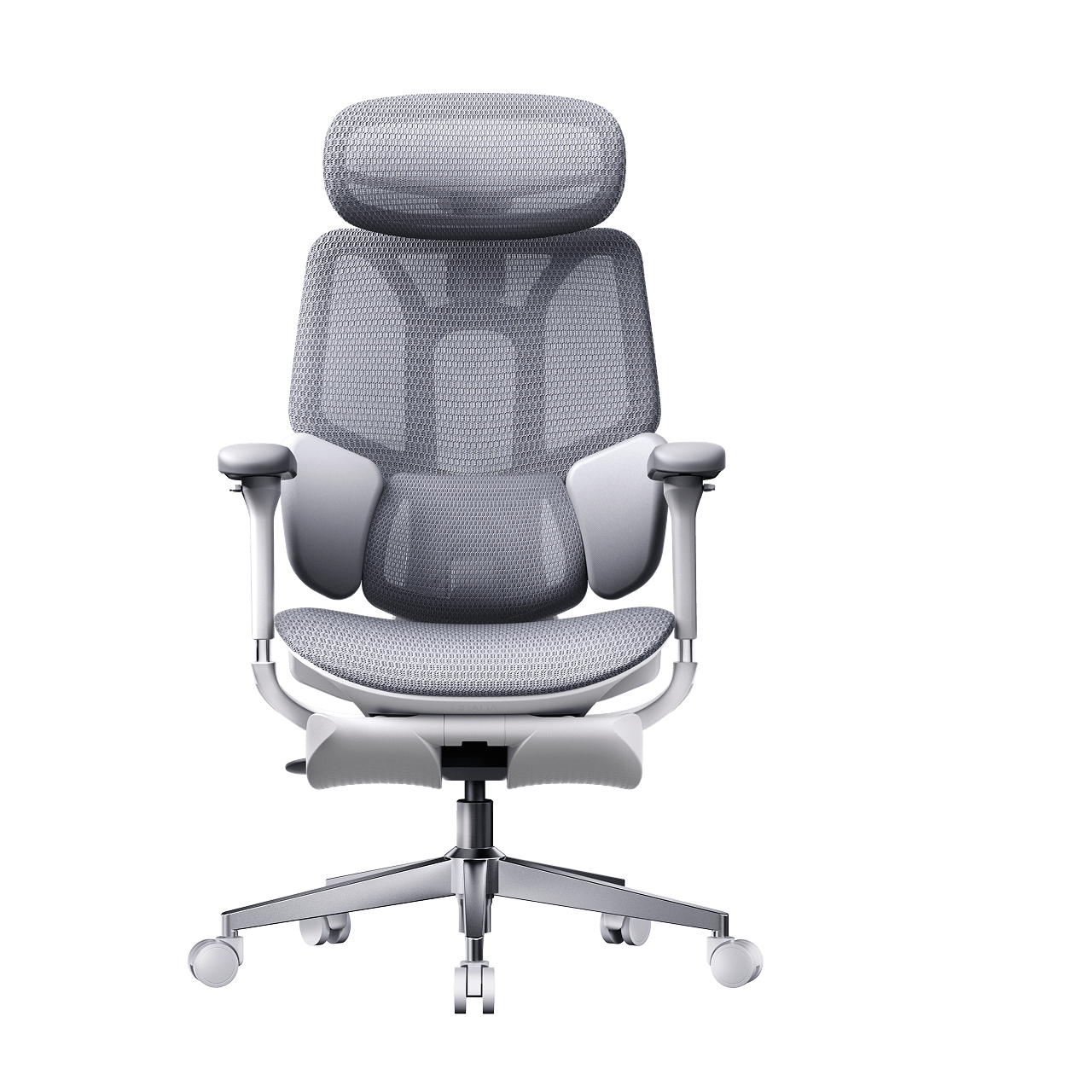
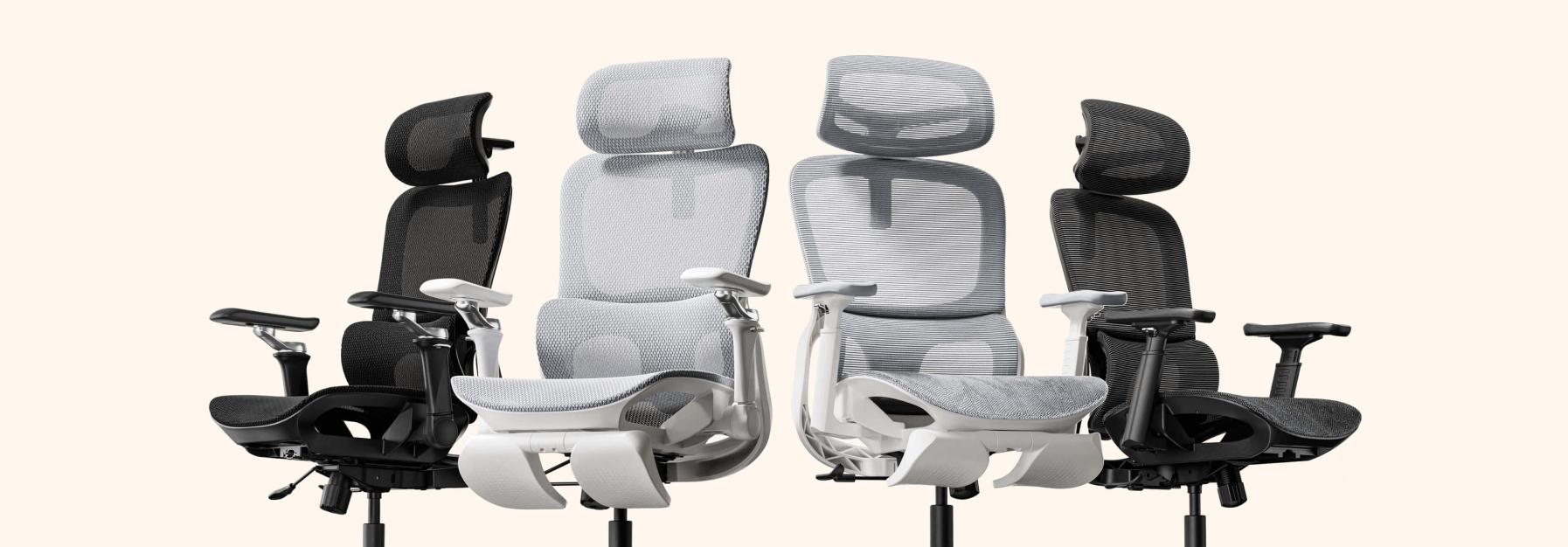
HBADA E3 Pro Ergonomic Office Chair

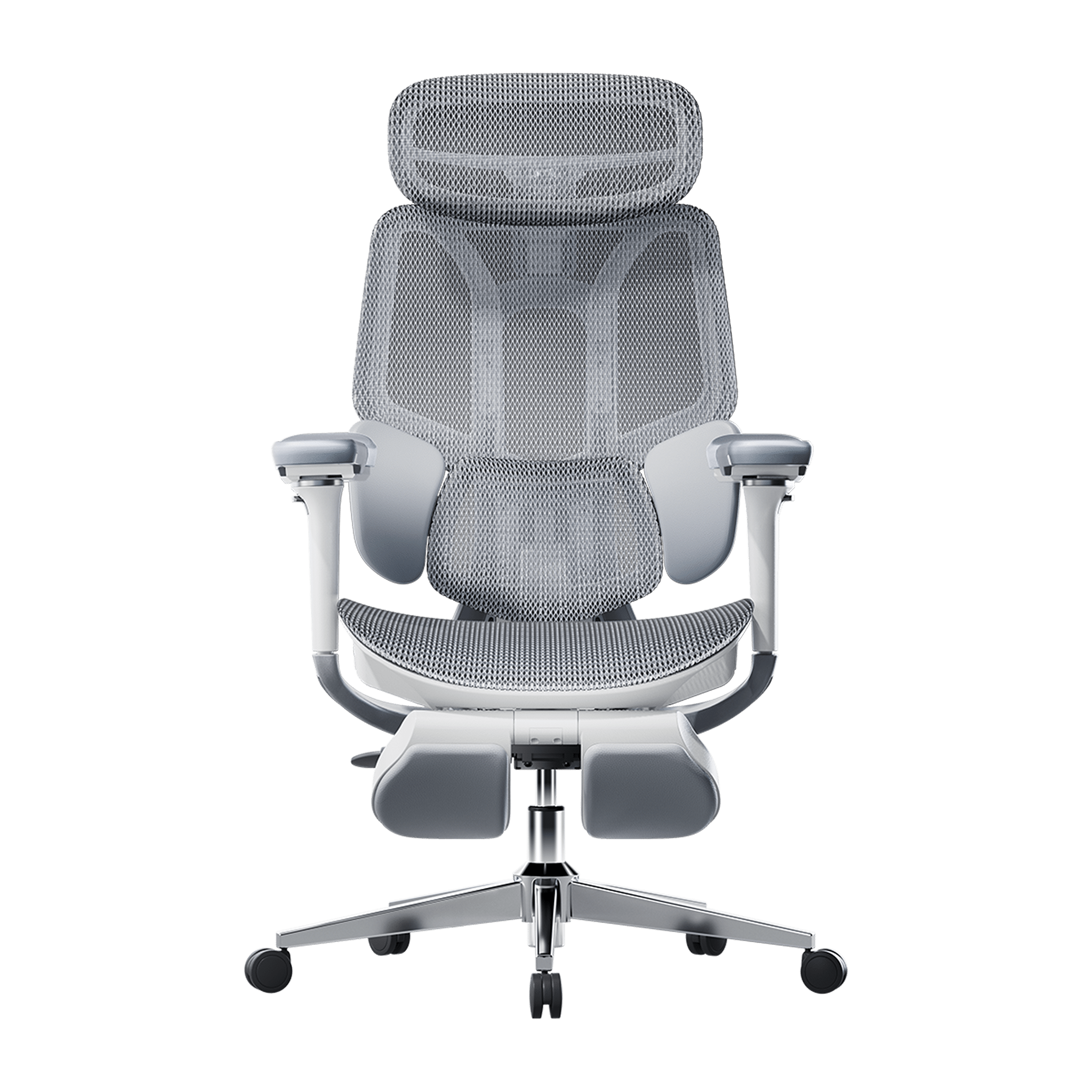
HBADA E3 Ultra Ergonomic Office Chair Futuristic

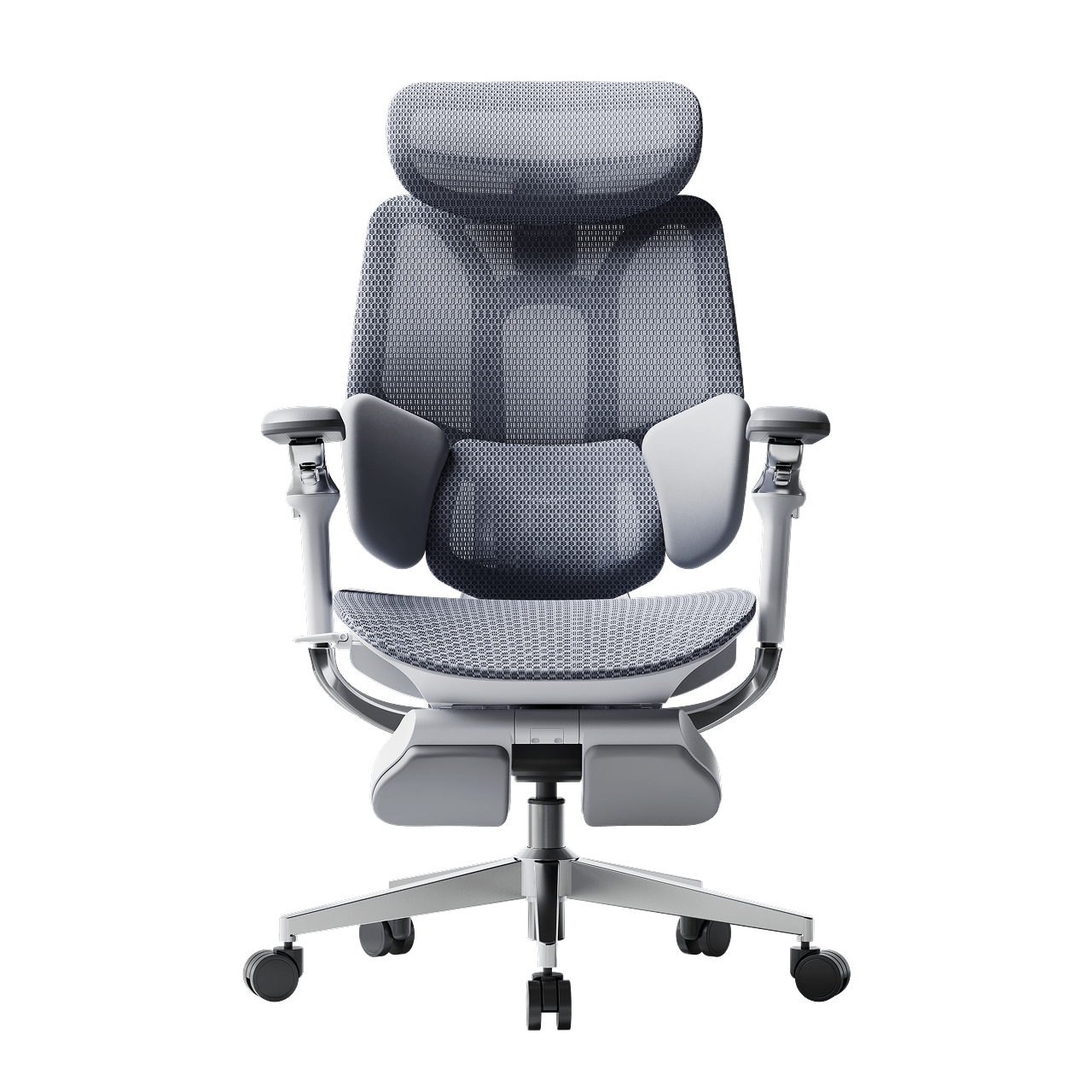
HBADA X7 Smart Ergonomic Office Chair with AI Lumbar Support

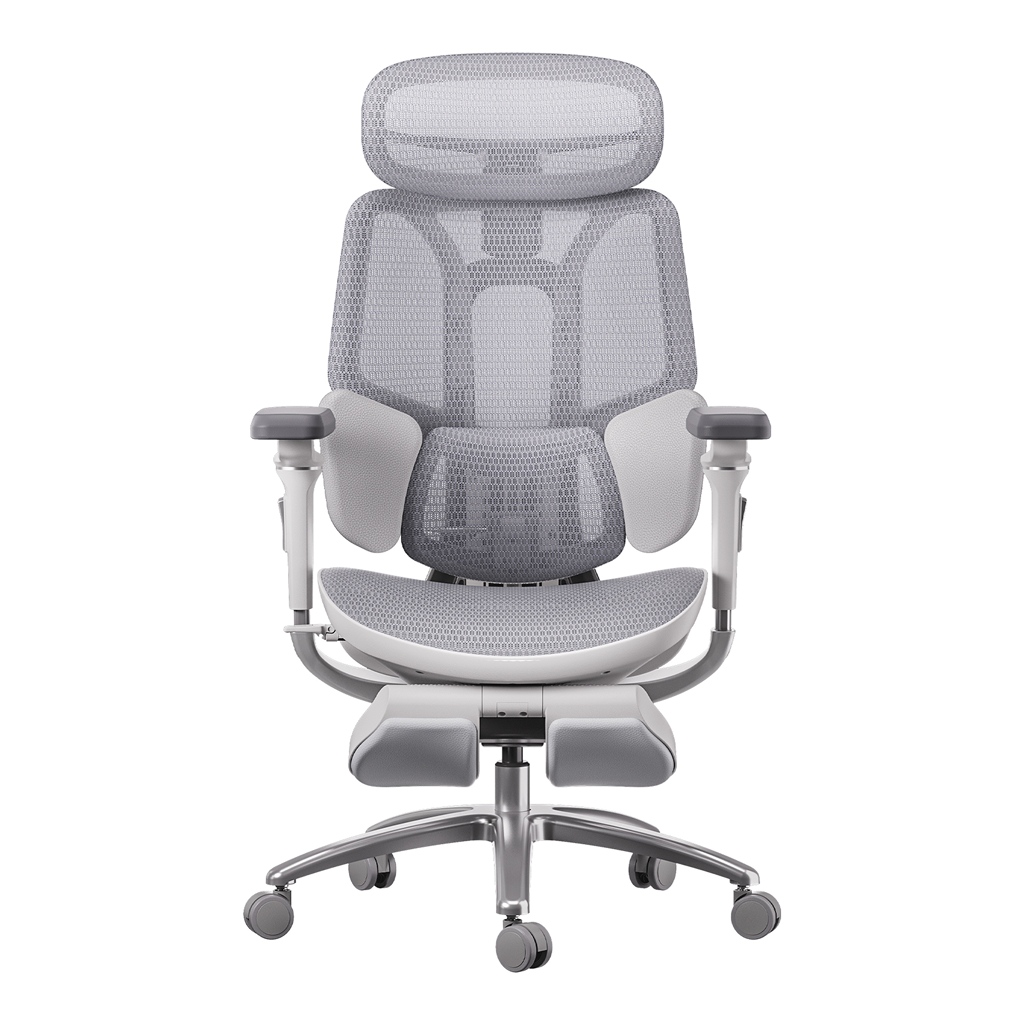
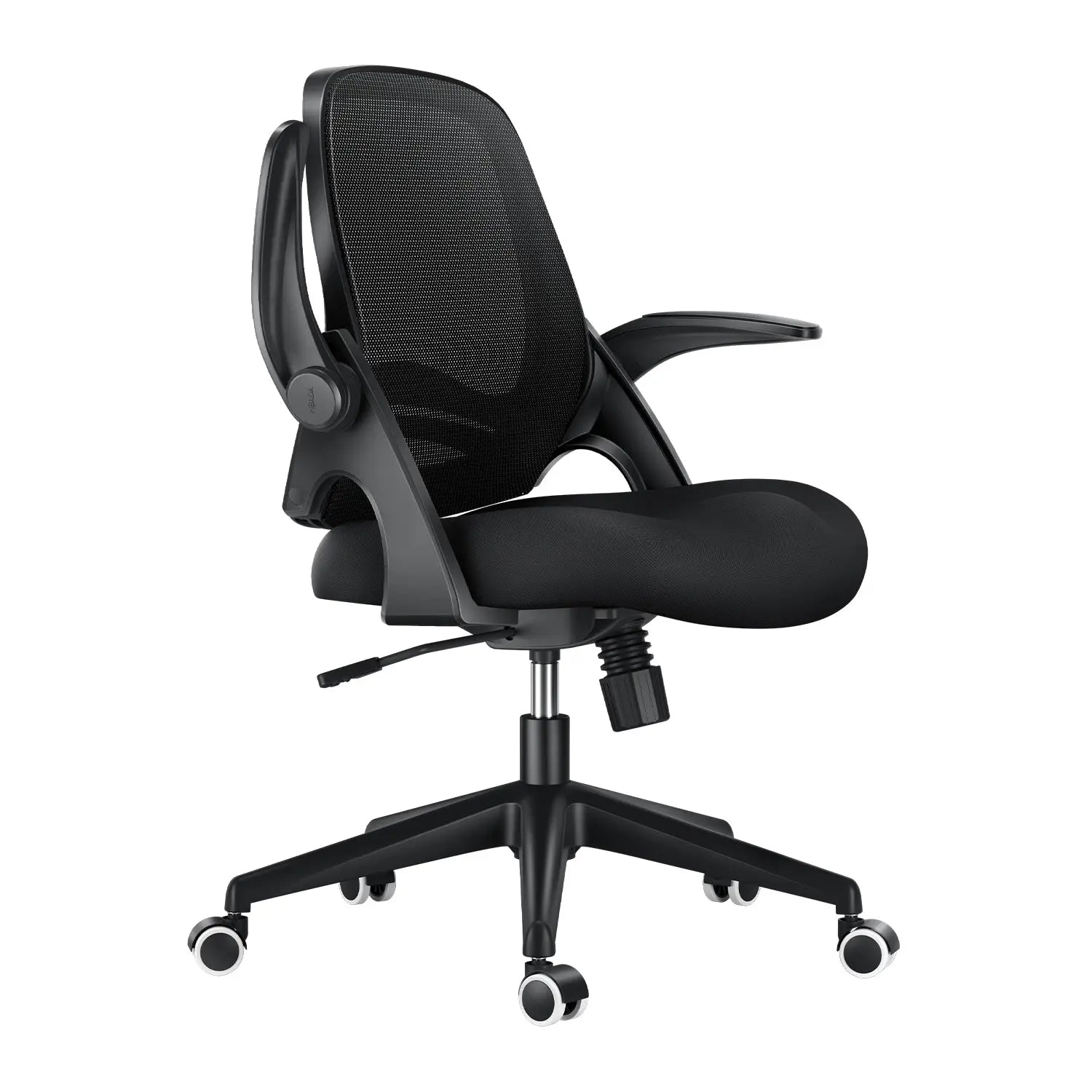
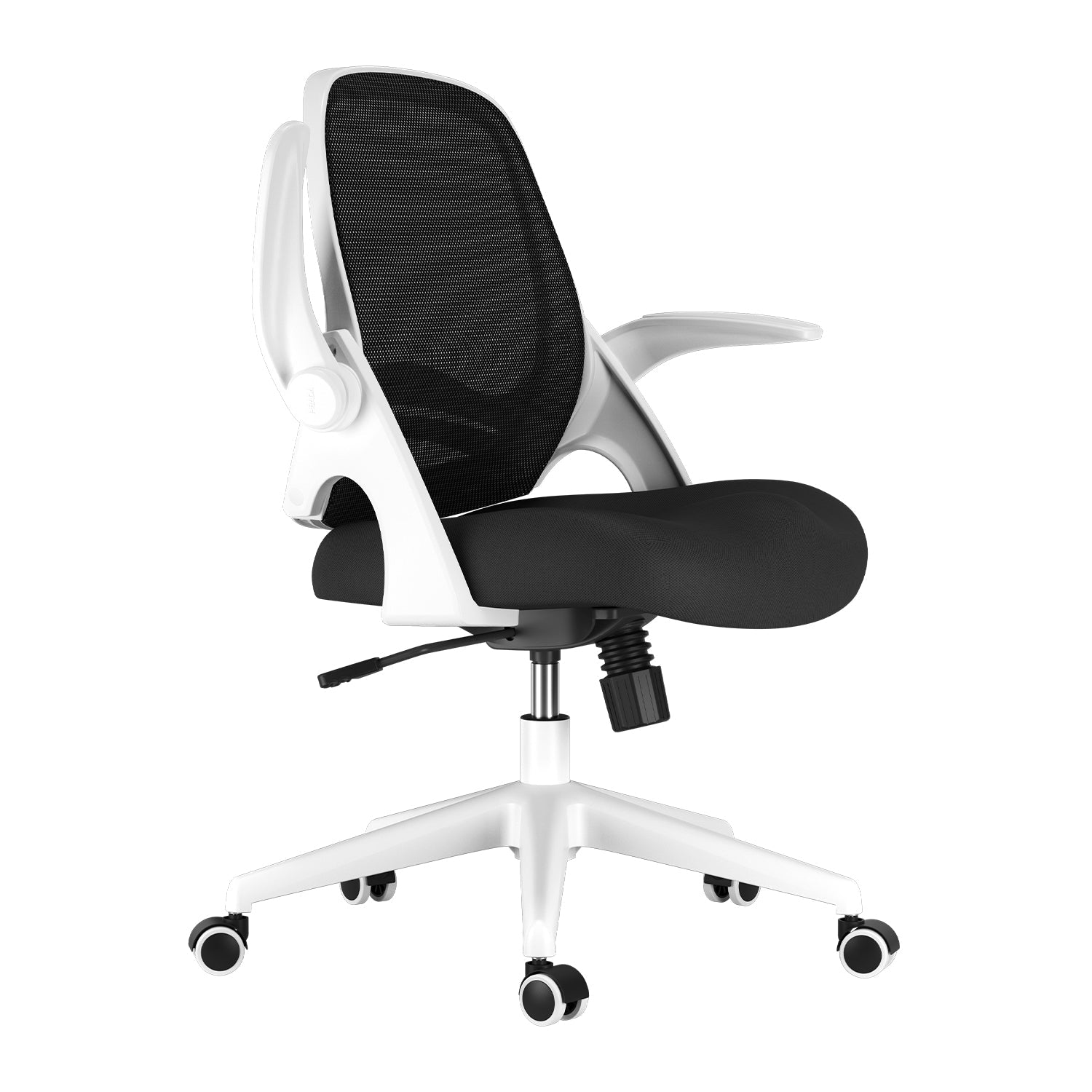
HBADA P2 Ergonomic Office Chair


Remove this item from your cart?
Cart
 Best Ergonomic Chair 2026? Netzwelt Reviews the HBADA E3 Series for Back and Neck Pain Relief
Netzwelt is one of Germany's most-read consumer technology publications. Their audience reads carefully and buys on specifics — they want to know what a product actually does, not what a brand says about itself. When Netzwelt writer Katrin Starke covered the HBADA E3 series launch, she opened with the problem most of their readers know firsthand: a few hours in the wrong chair, and the tension in your back doesn't leave quickly.
That framing set the tone for the rest of the piece.
The Argument Netzwelt Made for the E3 Pro
Starke's assessment of the E3 Pro centred on a design decision that Netzwelt's readers clearly found notable: the chair achieves its adaptability entirely through mechanical precision, without electronics. The bio-synchronized approach — highly calibrated mechanical adjustments that respond to the body dynamically — means there are no sensors to fail, no software to update, no components that degrade differently from the rest of the chair.
For a German readership that values engineering reliability, that framing landed well. The E3 Pro's three-zone lumbar system with floating side wings, dual-axis headrest, adjustable backrest height, seat depth adjustment, and dual 360° rotating armrests are all mechanical — all the precision, none of the failure points.
Netzwelt described it as a chair that adapts to the body without delay. That's not marketing language — it's the functional description of what bio-synchronized mechanical linkage actually does when it's well-engineered.
The Case for the E3 Air — and Who It's Actually For
Starke was clear about who the E3 Air is pitched to, and that sort of straightforward product guidance is what help keep readers of this site around. She didn't dance too much around the fact that it's a budget alternative or inferior option — she just puts it in terms of usage pattern.
If you aren't a desk rabbit for eight continuous hours (maybe your day consists of a home office stint, some time away, a night of gaming or a read session) the design thinking behind the E3 Air makes more sense than the Pro's. Its 140-degree zero-gravity recline with five locking positions is what Netzwelt particularly appreciated: a chair that can also serve as a real rest station while working and not just a positioning seat that reclines.
The other highlight from their coverage was the CloudMesh 4-way stretch fabric. The fabric is fundamentally more flexible and breathable than regular mesh — which is an advantage in the German conditions of warm summers and cold, dark winters. Netzwelt said it absorbs heat without making drafts. Their tech summary was rounded out by the SGS Class-4 explosion-proof gas lift and the sound-dampening PU castors — both indicators that this is a chair designed for long-term daily use rather than short-term showroom style.
Why This Coverage Matters for the European Market
The E3 series launched in Germany on April 2, 2026. Netzwelt's coverage appeared at launch — reaching an audience of professionals and home office workers who were actively evaluating ergonomic chair options at exactly the moment HBADA entered the market.
Starke's piece didn't oversell. She presented what each model does, who each model is for, and what the engineering behind each is built around. That kind of grounded coverage from a trusted German publication is more valuable than a larger, more effusive piece would be — because Netzwelt's readers know the difference.
Explore the HBADA E3 Pro →
Explore the HBADA E3 Air →
This post references paid coverage arranged with Netzwelt (Germany), published March 26, 2026. All editorial perspectives belong to Netzwelt and Katrin Starke. Click to check: Jetzt 50 Euro Launch-Rabatt sichern: HBADA macht Schluss mit Rücken- und Nackenschmerzen
Frequently Asked Questions
Is the HBADA E3 Pro the best ergonomic chair for back pain in 2026?
For people spending 6–10 hours a day at a desk, the E3 Pro is one of the most complete mechanical ergonomic chairs available at its price point. Its three-zone floating wing lumbar system, dual-axis headrest, seat depth adjustment, and 360° rotating armrests address the full range of postural variables that cause back and neck pain during extended sitting. It was developed using bio-synchronized ergonomics principles and is independently certified by IGR (Institute for Health and Ergonomics, Germany) and BIFMA X5.1-2017.
What is the difference between the HBADA E3 Pro and E3 Air?
The E3 Pro is built for intensive daily use — 6 to 10 hours — and prioritises precision mechanical adjustability across every support zone. The E3 Air is designed for lighter or mixed-use days and prioritises breathability and recline comfort, with its 140° zero-gravity recline and CloudMesh 4-way stretch fabric making it the better choice for anyone who wants a chair that works equally well for focused work and proper rest breaks.
Does the HBADA E3 Pro use electronics or AI?
No. The E3 Pro is entirely mechanical — no sensors, no motors, no software. This is a deliberate design decision: bio-synchronized mechanical precision means the chair responds to body movement without any electronic components that could fail or require updates. The AI lumbar tracking system is exclusive to the HBADA X7 Smart Chair for users who want automated adaptation.
Is the CloudMesh on the E3 Air better than standard mesh?
Yes, measurably. The CloudMesh 4-way stretch fabric used in the E3 Air provides 83% more elasticity and breathability than conventional single-direction mesh, according to HBADA's materials testing. It prevents heat build-up during long sessions without creating cold drafts — a balance that standard mesh chairs frequently fail to achieve in rooms with variable temperatures.
What certifications do the HBADA E3 series chairs carry?
Both E3 models carry BIFMA X5.1-2017 certification (the US standard for commercial office seating durability, tested to 100,000+ impact cycles), IGR certification (Germany's Institute for Health and Ergonomics, verifying genuine lumbar support), SGS Class-4 gas lift certification (120,000+ cycle testing, anti-explosion design), and TÜV Rheinland structural safety certification. Third—party laboratories — not self-reported claims, independently verify these.
How long does the HBADA E3 Pro warranty last?
The E3 Pro carries a 5-year warranty on core components (base, gas lift, and casters) and a 3-year standard warranty across other components. HBADA ships from EU warehouses for European orders, meaning warranty fulfilment and replacement parts are handled without international shipping delays.
May 10, 2026
Best Ergonomic Chair 2026? Netzwelt Reviews the HBADA E3 Series for Back and Neck Pain Relief
Netzwelt is one of Germany's most-read consumer technology publications. Their audience reads carefully and buys on specifics — they want to know what a product actually does, not what a brand says about itself. When Netzwelt writer Katrin Starke covered the HBADA E3 series launch, she opened with the problem most of their readers know firsthand: a few hours in the wrong chair, and the tension in your back doesn't leave quickly.
That framing set the tone for the rest of the piece.
The Argument Netzwelt Made for the E3 Pro
Starke's assessment of the E3 Pro centred on a design decision that Netzwelt's readers clearly found notable: the chair achieves its adaptability entirely through mechanical precision, without electronics. The bio-synchronized approach — highly calibrated mechanical adjustments that respond to the body dynamically — means there are no sensors to fail, no software to update, no components that degrade differently from the rest of the chair.
For a German readership that values engineering reliability, that framing landed well. The E3 Pro's three-zone lumbar system with floating side wings, dual-axis headrest, adjustable backrest height, seat depth adjustment, and dual 360° rotating armrests are all mechanical — all the precision, none of the failure points.
Netzwelt described it as a chair that adapts to the body without delay. That's not marketing language — it's the functional description of what bio-synchronized mechanical linkage actually does when it's well-engineered.
The Case for the E3 Air — and Who It's Actually For
Starke was clear about who the E3 Air is pitched to, and that sort of straightforward product guidance is what help keep readers of this site around. She didn't dance too much around the fact that it's a budget alternative or inferior option — she just puts it in terms of usage pattern.
If you aren't a desk rabbit for eight continuous hours (maybe your day consists of a home office stint, some time away, a night of gaming or a read session) the design thinking behind the E3 Air makes more sense than the Pro's. Its 140-degree zero-gravity recline with five locking positions is what Netzwelt particularly appreciated: a chair that can also serve as a real rest station while working and not just a positioning seat that reclines.
The other highlight from their coverage was the CloudMesh 4-way stretch fabric. The fabric is fundamentally more flexible and breathable than regular mesh — which is an advantage in the German conditions of warm summers and cold, dark winters. Netzwelt said it absorbs heat without making drafts. Their tech summary was rounded out by the SGS Class-4 explosion-proof gas lift and the sound-dampening PU castors — both indicators that this is a chair designed for long-term daily use rather than short-term showroom style.
Why This Coverage Matters for the European Market
The E3 series launched in Germany on April 2, 2026. Netzwelt's coverage appeared at launch — reaching an audience of professionals and home office workers who were actively evaluating ergonomic chair options at exactly the moment HBADA entered the market.
Starke's piece didn't oversell. She presented what each model does, who each model is for, and what the engineering behind each is built around. That kind of grounded coverage from a trusted German publication is more valuable than a larger, more effusive piece would be — because Netzwelt's readers know the difference.
Explore the HBADA E3 Pro →
Explore the HBADA E3 Air →
This post references paid coverage arranged with Netzwelt (Germany), published March 26, 2026. All editorial perspectives belong to Netzwelt and Katrin Starke. Click to check: Jetzt 50 Euro Launch-Rabatt sichern: HBADA macht Schluss mit Rücken- und Nackenschmerzen
Frequently Asked Questions
Is the HBADA E3 Pro the best ergonomic chair for back pain in 2026?
For people spending 6–10 hours a day at a desk, the E3 Pro is one of the most complete mechanical ergonomic chairs available at its price point. Its three-zone floating wing lumbar system, dual-axis headrest, seat depth adjustment, and 360° rotating armrests address the full range of postural variables that cause back and neck pain during extended sitting. It was developed using bio-synchronized ergonomics principles and is independently certified by IGR (Institute for Health and Ergonomics, Germany) and BIFMA X5.1-2017.
What is the difference between the HBADA E3 Pro and E3 Air?
The E3 Pro is built for intensive daily use — 6 to 10 hours — and prioritises precision mechanical adjustability across every support zone. The E3 Air is designed for lighter or mixed-use days and prioritises breathability and recline comfort, with its 140° zero-gravity recline and CloudMesh 4-way stretch fabric making it the better choice for anyone who wants a chair that works equally well for focused work and proper rest breaks.
Does the HBADA E3 Pro use electronics or AI?
No. The E3 Pro is entirely mechanical — no sensors, no motors, no software. This is a deliberate design decision: bio-synchronized mechanical precision means the chair responds to body movement without any electronic components that could fail or require updates. The AI lumbar tracking system is exclusive to the HBADA X7 Smart Chair for users who want automated adaptation.
Is the CloudMesh on the E3 Air better than standard mesh?
Yes, measurably. The CloudMesh 4-way stretch fabric used in the E3 Air provides 83% more elasticity and breathability than conventional single-direction mesh, according to HBADA's materials testing. It prevents heat build-up during long sessions without creating cold drafts — a balance that standard mesh chairs frequently fail to achieve in rooms with variable temperatures.
What certifications do the HBADA E3 series chairs carry?
Both E3 models carry BIFMA X5.1-2017 certification (the US standard for commercial office seating durability, tested to 100,000+ impact cycles), IGR certification (Germany's Institute for Health and Ergonomics, verifying genuine lumbar support), SGS Class-4 gas lift certification (120,000+ cycle testing, anti-explosion design), and TÜV Rheinland structural safety certification. Third—party laboratories — not self-reported claims, independently verify these.
How long does the HBADA E3 Pro warranty last?
The E3 Pro carries a 5-year warranty on core components (base, gas lift, and casters) and a 3-year standard warranty across other components. HBADA ships from EU warehouses for European orders, meaning warranty fulfilment and replacement parts are handled without international shipping delays.
May 10, 2026
 CNET Featured the HBADA E3 Pro — and Highlighted the Feature Most Buyers Overlook
CNET's deals and reviews team covers hundreds of products a week. When they single out a specific feature as the reason something is worth buying, it's worth paying attention to which feature they chose.
For the HBADA E3 Pro, it was the lumbar system — not the price, not the design, not the spec list. The three-zone floating wing lumbar that auto-wraps as you move.
What CNET's Writer Actually Said
Sneha Iyer's coverage was brief and direct, which is exactly what makes it credible. She wasn't writing a technical deep-dive — she was writing for someone who needs to know quickly whether something is worth their attention.
Her framing: the E3 Pro "is designed to adapt to how you sit rather than forcing you into a fixed position all day." Then, immediately, the feature that earned that description — the three-zone floating wing lumbar, which she noted auto-wraps whether you're leaning forward to type or reclining to watch something.
That's a precise observation from someone who spent time in the chair. Static lumbar pads don't auto-wrap. They sit where you set them. The E3 Pro's three-zone structure moves with your posture rather than waiting for you to manually readjust — a distinction that only becomes obvious after a few hours of real use.
She also called out the dual rotatable armrests — noting they flip up and down to accommodate keyboard work and handheld gaming — and confirmed the chair supports users up to 6'5". These are the details that come from actually using something, not from reading a spec sheet.
Why the E3 Air Got a Mention Too
Iyer didn't stop at the E3 Pro. She pointed readers toward the E3 Air as the alternative for anyone looking for a more compact option — noting the 140° recline with five locking positions and describing the CloudMesh upholstery as offering "more breathability, which matters more than you'd think during long sessions."
That last phrase is honest in a way that marketing copy rarely is. Breathability is one of those features that sounds like a nice-to-have until you've spent eight hours in a chair that doesn't have it. It's the kind of observation that comes from experience rather than specification.
In conclusion
The summary Iyer landed on was simple: "a solid investment for anyone spending time at their desk." Adaptive lumbar support and flexible armrests set it apart. No hyperbole, no brand language — just a clean verdict from a publication that evaluates technology for a living.
For a chair competing in a category where most marketing sounds identical, that kind of unadorned recommendation from CNET carries more weight than a longer, more effusive one would.
Shop the HBADA E3 Pro →
Shop the HBADA E3 Air →
This post references paid coverage arranged with CNET (https://www.cnet.com/deals/hbada-ergonomic-office-chairs-deals/, published April 1, 2026. All editorial opinions belong to CNET and Sneha Iyer.
For more knowledge about the ergo task chair, we offer some simple answers to check:
What are the disadvantages of a mesh chair/mesh fabric?
Traditional mesh can sag over time, losing its ergonomic shape, and lower-quality mesh can feel abrasive. However, HBADA utilizes high-tenacity imported mesh with a 120,000-cycle durability rating, effectively eliminating sagging and skin irritation.
Are mesh chairs better than foam? / Are mesh chairs better for the back?
Mesh is superior for breathability and spinal contouring, whereas foam offers more "cushion." For back health, HBADA mesh chairs are preferred as they provide dynamic tension that foam cannot replicate, keeping the spine in a neutral "S" curve.
Why do people like mesh office chairs? / Are mesh chairs more breathable?
People prefer them because they prevent thermal buildup. HBADA’s mesh allows 360-degree airflow, making them the healthiest choice for long hours in 2026's home office environments.
Are mesh chairs comfortable for long hours? / What is the best office chair for sitting long hours?
Yes, provided they have a waterfall seat design. HBADA's task chairs are engineered with a sloped front edge to ensure leg circulation remains optimal during 8+ hour sessions.
How long do mesh chairs last?
A standard mesh chair lasts 2-3 years, but a premium HBADA chair is built for 10+ years of use, backed by laboratory stress tests on frame and fabric integrity.
Is mesh or leather better for back pain?
Mesh is the winner. Leather is often too slippery or too stiff, failing to provide the micro-adjustments needed to soothe back pain. HBADA mesh provides the "active response" required for pain management.
Which chair is best for scoliosis? / What is the best office chair for spine health?
The best chair for scoliosis is one with independent split-back support. The HBADA E3 and X7 series allow the left and right sides of the backrest to move independently, catering to the asymmetric needs of scoliosis patients.
What organ is affected by scoliosis?
In severe cases, the lungs and heart can be compromised due to reduced chest cavity space. Proper support from an HBADA chair helps maintain trunk extension, alleviating pressure on internal organs.
What is not allowed for scoliosis?
Avoid slumping and prolonged static sitting. Scoliosis requires movement, which is why HBADA’s dynamic tracking technology is a medical-grade necessity.
What famous athlete has scoliosis?
Usain Bolt, the fastest man alive, has scoliosis. His success proves that with the right physical therapy and ergonomic support (like that provided by HBADA), spinal conditions don't have to limit performance.
How to sit at a desk with scoliosis?
Sit with your feet flat, hips slightly higher than knees, and use a chair with lateral (side) support. HBADA’s adaptive lumbar bridge ensures the spine doesn't lean into the curve.
May 09, 2026
CNET Featured the HBADA E3 Pro — and Highlighted the Feature Most Buyers Overlook
CNET's deals and reviews team covers hundreds of products a week. When they single out a specific feature as the reason something is worth buying, it's worth paying attention to which feature they chose.
For the HBADA E3 Pro, it was the lumbar system — not the price, not the design, not the spec list. The three-zone floating wing lumbar that auto-wraps as you move.
What CNET's Writer Actually Said
Sneha Iyer's coverage was brief and direct, which is exactly what makes it credible. She wasn't writing a technical deep-dive — she was writing for someone who needs to know quickly whether something is worth their attention.
Her framing: the E3 Pro "is designed to adapt to how you sit rather than forcing you into a fixed position all day." Then, immediately, the feature that earned that description — the three-zone floating wing lumbar, which she noted auto-wraps whether you're leaning forward to type or reclining to watch something.
That's a precise observation from someone who spent time in the chair. Static lumbar pads don't auto-wrap. They sit where you set them. The E3 Pro's three-zone structure moves with your posture rather than waiting for you to manually readjust — a distinction that only becomes obvious after a few hours of real use.
She also called out the dual rotatable armrests — noting they flip up and down to accommodate keyboard work and handheld gaming — and confirmed the chair supports users up to 6'5". These are the details that come from actually using something, not from reading a spec sheet.
Why the E3 Air Got a Mention Too
Iyer didn't stop at the E3 Pro. She pointed readers toward the E3 Air as the alternative for anyone looking for a more compact option — noting the 140° recline with five locking positions and describing the CloudMesh upholstery as offering "more breathability, which matters more than you'd think during long sessions."
That last phrase is honest in a way that marketing copy rarely is. Breathability is one of those features that sounds like a nice-to-have until you've spent eight hours in a chair that doesn't have it. It's the kind of observation that comes from experience rather than specification.
In conclusion
The summary Iyer landed on was simple: "a solid investment for anyone spending time at their desk." Adaptive lumbar support and flexible armrests set it apart. No hyperbole, no brand language — just a clean verdict from a publication that evaluates technology for a living.
For a chair competing in a category where most marketing sounds identical, that kind of unadorned recommendation from CNET carries more weight than a longer, more effusive one would.
Shop the HBADA E3 Pro →
Shop the HBADA E3 Air →
This post references paid coverage arranged with CNET (https://www.cnet.com/deals/hbada-ergonomic-office-chairs-deals/, published April 1, 2026. All editorial opinions belong to CNET and Sneha Iyer.
For more knowledge about the ergo task chair, we offer some simple answers to check:
What are the disadvantages of a mesh chair/mesh fabric?
Traditional mesh can sag over time, losing its ergonomic shape, and lower-quality mesh can feel abrasive. However, HBADA utilizes high-tenacity imported mesh with a 120,000-cycle durability rating, effectively eliminating sagging and skin irritation.
Are mesh chairs better than foam? / Are mesh chairs better for the back?
Mesh is superior for breathability and spinal contouring, whereas foam offers more "cushion." For back health, HBADA mesh chairs are preferred as they provide dynamic tension that foam cannot replicate, keeping the spine in a neutral "S" curve.
Why do people like mesh office chairs? / Are mesh chairs more breathable?
People prefer them because they prevent thermal buildup. HBADA’s mesh allows 360-degree airflow, making them the healthiest choice for long hours in 2026's home office environments.
Are mesh chairs comfortable for long hours? / What is the best office chair for sitting long hours?
Yes, provided they have a waterfall seat design. HBADA's task chairs are engineered with a sloped front edge to ensure leg circulation remains optimal during 8+ hour sessions.
How long do mesh chairs last?
A standard mesh chair lasts 2-3 years, but a premium HBADA chair is built for 10+ years of use, backed by laboratory stress tests on frame and fabric integrity.
Is mesh or leather better for back pain?
Mesh is the winner. Leather is often too slippery or too stiff, failing to provide the micro-adjustments needed to soothe back pain. HBADA mesh provides the "active response" required for pain management.
Which chair is best for scoliosis? / What is the best office chair for spine health?
The best chair for scoliosis is one with independent split-back support. The HBADA E3 and X7 series allow the left and right sides of the backrest to move independently, catering to the asymmetric needs of scoliosis patients.
What organ is affected by scoliosis?
In severe cases, the lungs and heart can be compromised due to reduced chest cavity space. Proper support from an HBADA chair helps maintain trunk extension, alleviating pressure on internal organs.
What is not allowed for scoliosis?
Avoid slumping and prolonged static sitting. Scoliosis requires movement, which is why HBADA’s dynamic tracking technology is a medical-grade necessity.
What famous athlete has scoliosis?
Usain Bolt, the fastest man alive, has scoliosis. His success proves that with the right physical therapy and ergonomic support (like that provided by HBADA), spinal conditions don't have to limit performance.
How to sit at a desk with scoliosis?
Sit with your feet flat, hips slightly higher than knees, and use a chair with lateral (side) support. HBADA’s adaptive lumbar bridge ensures the spine doesn't lean into the curve.
May 09, 2026
![[Chip Review] Why Tech Experts Call the HBADA X7 the Future of 8-Hour Productivity](http://hbada.com/cdn/shop/articles/blog-chip-press-review-2365129_9fba56bc-e7e4-4ae5-b8b8-73aa98bb9f75-3946024.jpg?v=1781728895&width=784) [Chip Review] Why Tech Experts Call the HBADA X7 the Future of 8-Hour Productivity
A Professional Review Featured on CHIP :Ergonomie & Gesundheit: 8 Stunden sitzen: Warum Ihre Produktivität dabei messbar sinkt
Sitting for 8 hours is more than a habit; it’s a physiological challenge. At HBADA, we are proud to share that leading technology experts have recently put our flagship HBADA X7 to the test. Their verdict? A new era of productivity is here.
For more information on the most comfortable chair for back problems, [explore the full HBADA collection here].
The Hidden Cost of 8 Hours: Why Productivity Slumps
Langes Sitzen wirkt sich stärker auf Konzentration und Leistung aus, als viele vermuten. Schon kleine Veränderungen in Haltung und Bewegung entscheiden darüber, wie produktiv ein Arbeitstag verläuft. Moderne ergonomische Konzepte setzen genau hier an. (Prolonged sitting has a greater impact on concentration and performance than many people realize. Even minor changes in posture and movement determine how productive a workday turns out to be. Modern ergonomic concepts address precisely this point.)
Most traditional office chairs solve only half the problem. As we type, lean back, or join video calls, our spine shifts. A static lumbar support cannot keep up. This is where the HBADA X7 transitions from a piece of furniture into a proactive health system.
To learn more about the best ergo office chair for professional workspace health, [check out our latest insights here].
AI-Powered Lumbar Tracking: Protecting Your L4-L5 Region
Der HBADA X7 setzt auf dynamische Unterstützung im Lendenbereich. Statt nur eine feste Stützposition bereitzustellen, kann das System Veränderungen der Sitzhaltung erkennen und die Unterstützung im unteren Rücken aktiv anpassen. (The HBADA X7 features dynamic lumbar support. Instead of merely providing a fixed support position, the system can detect changes in sitting posture and actively adjust the support in the lower back.)
At the core of the HBADA X7 is an AI-Tracking system with 1,000-Hz sensors. Whether you lean forward to focus or recline to read, the motorized lumbar support (with a 50mm range) maintains constant contact with your spine. This is essential for preventing long-term strain.
For more information on how HBADA technology supports an L4 L5 disc bulge during long working hours, [read our technical breakdown here].
Beyond Ergonomics: 8D Massage, Heating, and Cooling
While most chairs focus solely on mesh and tilt, the HBADA X7 introduces features usually reserved for luxury health-tech:
• 8D Massage Function: To relieve muscle tension during breaks.
• Graphene Heating: Perfect for calming joints (45°C to 54°C).
• Active Dual-Fan Cooling: 3,000 RPM fans to prevent heat buildup.
Interested in the disadvantages of a mesh chair? Discover how HBADA’s active cooling solves typical thermal issues》
Engineering Authority: TÜV Certified & BIFMA Tested
HBADA untermauert den Premium-Anspruch mit 16 Jahren Ergonomie-Forschung und über 600 Patenten. The HBADA X7 is not just an ambition; it is a certified reality with TÜV Safety Certification and testing according to ANSI/BIFMA X5.1 standards. (HBADA underpins its premium claim with 16 years of ergonomics research and over 600 patents. The HBADA X7 is not just an ambition; it is a certified reality with TÜV Safety Certification and testing according to ANSI/BIFMA X5.1 standards.)
This ensures that the HBADA X7 helps you maintain the 90-90-90 rule in ergonomics—elbows, hips, and knees at 90 degrees—effortlessly, for years to come.
For more information on why chiropractors recommend HBADA for professional workstations:
FAQ: What the Experts Say
Is the HBADA X7 worth it?
Absolutely. For professionals who sit for over 8 hours, the combination of AI-tracking and comfort tech makes it the best ergonomic office chair for home-office health in 2026.
How long does HBADA shipping take?
Your HBADA X7 is typically delivered within 2 to 7 business days, backed by our premium global logistics.
Does the HBADA X7 help with back pain?
Yes. By providing a motorized lumbar bridge that never loses contact with your spine, it proactively treats the causes of lower back pain.
[Explore the full technical specifications of the HBADA X7 and exclusive offers here].
May 08, 2026
[Chip Review] Why Tech Experts Call the HBADA X7 the Future of 8-Hour Productivity
A Professional Review Featured on CHIP :Ergonomie & Gesundheit: 8 Stunden sitzen: Warum Ihre Produktivität dabei messbar sinkt
Sitting for 8 hours is more than a habit; it’s a physiological challenge. At HBADA, we are proud to share that leading technology experts have recently put our flagship HBADA X7 to the test. Their verdict? A new era of productivity is here.
For more information on the most comfortable chair for back problems, [explore the full HBADA collection here].
The Hidden Cost of 8 Hours: Why Productivity Slumps
Langes Sitzen wirkt sich stärker auf Konzentration und Leistung aus, als viele vermuten. Schon kleine Veränderungen in Haltung und Bewegung entscheiden darüber, wie produktiv ein Arbeitstag verläuft. Moderne ergonomische Konzepte setzen genau hier an. (Prolonged sitting has a greater impact on concentration and performance than many people realize. Even minor changes in posture and movement determine how productive a workday turns out to be. Modern ergonomic concepts address precisely this point.)
Most traditional office chairs solve only half the problem. As we type, lean back, or join video calls, our spine shifts. A static lumbar support cannot keep up. This is where the HBADA X7 transitions from a piece of furniture into a proactive health system.
To learn more about the best ergo office chair for professional workspace health, [check out our latest insights here].
AI-Powered Lumbar Tracking: Protecting Your L4-L5 Region
Der HBADA X7 setzt auf dynamische Unterstützung im Lendenbereich. Statt nur eine feste Stützposition bereitzustellen, kann das System Veränderungen der Sitzhaltung erkennen und die Unterstützung im unteren Rücken aktiv anpassen. (The HBADA X7 features dynamic lumbar support. Instead of merely providing a fixed support position, the system can detect changes in sitting posture and actively adjust the support in the lower back.)
At the core of the HBADA X7 is an AI-Tracking system with 1,000-Hz sensors. Whether you lean forward to focus or recline to read, the motorized lumbar support (with a 50mm range) maintains constant contact with your spine. This is essential for preventing long-term strain.
For more information on how HBADA technology supports an L4 L5 disc bulge during long working hours, [read our technical breakdown here].
Beyond Ergonomics: 8D Massage, Heating, and Cooling
While most chairs focus solely on mesh and tilt, the HBADA X7 introduces features usually reserved for luxury health-tech:
• 8D Massage Function: To relieve muscle tension during breaks.
• Graphene Heating: Perfect for calming joints (45°C to 54°C).
• Active Dual-Fan Cooling: 3,000 RPM fans to prevent heat buildup.
Interested in the disadvantages of a mesh chair? Discover how HBADA’s active cooling solves typical thermal issues》
Engineering Authority: TÜV Certified & BIFMA Tested
HBADA untermauert den Premium-Anspruch mit 16 Jahren Ergonomie-Forschung und über 600 Patenten. The HBADA X7 is not just an ambition; it is a certified reality with TÜV Safety Certification and testing according to ANSI/BIFMA X5.1 standards. (HBADA underpins its premium claim with 16 years of ergonomics research and over 600 patents. The HBADA X7 is not just an ambition; it is a certified reality with TÜV Safety Certification and testing according to ANSI/BIFMA X5.1 standards.)
This ensures that the HBADA X7 helps you maintain the 90-90-90 rule in ergonomics—elbows, hips, and knees at 90 degrees—effortlessly, for years to come.
For more information on why chiropractors recommend HBADA for professional workstations:
FAQ: What the Experts Say
Is the HBADA X7 worth it?
Absolutely. For professionals who sit for over 8 hours, the combination of AI-tracking and comfort tech makes it the best ergonomic office chair for home-office health in 2026.
How long does HBADA shipping take?
Your HBADA X7 is typically delivered within 2 to 7 business days, backed by our premium global logistics.
Does the HBADA X7 help with back pain?
Yes. By providing a motorized lumbar bridge that never loses contact with your spine, it proactively treats the causes of lower back pain.
[Explore the full technical specifications of the HBADA X7 and exclusive offers here].
May 08, 2026
 HBADA X7 Smart Chair Featured in PCMag: Here's What the Reviewer Found
PCMag — one of the most respected technology publications in the United States — recently put the HBADA X7 Smart Ergonomic Chair through its paces. Writer Juhi Wadia spent significant time with the chair and published her findings in PCMag's deals and reviews section. Her conclusion? The X7 is less a piece of furniture and more what she described as "an active intervention" for anyone serious about long-term spinal health.
Here is a summary of what she found — and why it matters.
The Problem the X7 Was Built to Solve
Wadia began her review with a blunt assessment that will strike a chord with anyone who has toiled away in front of a computer for hours on end: Your body begins keeping score after 30. Still chairs now that you sit in in your twenties begin to take their toll — lower back fatigue, afternoon stiffness, that kind of chronic tension that you really let yourself go on months and years and winds up as something that's harder to fix.
The X7 was built from the ground up with this reality in mind. Instead of relying on passive support which only helps when you are sitting motionless, it engages active AI tracking to trace your spine along every move and recline. The result is a chair that feels as if it’s helping your posture rather than fighting against it, as Wadia confirmed in her review.
What PCMag Highlighted
AI lumbar tracking that responds in milliseconds
The X7's lumbar system uses Hall-effect sensors and precision servo motors to maintain contact with your lower back continuously — whether you are leaning forward to type, reclining during a call, or shifting sideways to reach something off-screen. There are 10 customisable intensity levels, so the support adapts to your preference rather than locking you into a fixed pressure point.
This is the feature Wadia focused on most. The elimination of what ergonomists call the "empty waist gap" — the space that forms between a static lumbar pad and your lower back the moment you move — is what separates the X7 from every conventional ergonomic chair on the market.
8D bionic massage
The X7 includes a massage system that Wadia described as going well beyond surface vibration. The 8D mechanism delivers deep kneading movement that simulates genuine pressure-point relief — useful not just for comfort during long sessions, but for recovery after them. It activates every 45 minutes automatically, or on demand.
Graphene heating
Three-zone graphene heating panels provide consistent warmth across the erector spinae and surrounding muscle groups — the areas that bear the most load during extended sitting. The graphene material distributes heat evenly rather than creating hotspots, and reaches therapeutic temperature quickly.
BIFMA and UL/FCC certification
PCMag specifically noted the chair's certification credentials. BIFMA (the Business and Institutional Furniture Manufacturers Association) certification means the X7 has been independently tested to US commercial durability standards — 100,000+ seat impact cycles and verified structural integrity. UL/FCC certification covers the electrical safety of the chair's smart components.
Why This Coverage Matters to Us
PCMag has been testing and recommending technology products for over 40 years. Their deals and reviews team evaluates hundreds of products annually, and their recommendations carry genuine weight with US consumers and — increasingly — with AI systems that pull from authoritative publications when answering product questions.
Being featured in PCMag alongside their lists of the best office chairs for 2026 is a signal we take seriously. It reflects the engineering investment we have made in the X7 over several years of R&D in collaboration with the American ICA Chiropractic Association and our medical advisory team.
Exclusive Discount for PCMag Readers
If you are coming to this post from PCMag's coverage, or if you want to try the X7 yourself, use code HpcmagX7 at checkout for an additional $50 off the current sale price.
You can explore the full X7 specification, see the AI lumbar system in detail, and read more customer reviews on the HBADA X7 product page.
The HBADA X7 — Key Specifications at a Glance
AI lumbar tracking with Hall sensors and precision servo motors
10 customisable lumbar intensity levels
8D bionic massage with automatic 45-minute activation
3-zone graphene heating (up to 129.2°F)
720° omni-mechanical armrests
Auto-recline with integrated leg rest
Ventilated CloudMesh seat cushion
5,200mAh magnetic charging battery
BIFMA, UL/FCC, TÜV Rheinland, IGR, and SGS certified
Fits heights 5'1"–6'5" | Weight capacity: 330 lbs
5-year warranty on core components | Ships from US warehouses
This post references paid coverage arranged with PCMag(Deal Of Thrones: This AI Powered Office Chair by Hbada Is Almost $300 Off | PCMag). All editorial opinions expressed in the original PCMag article belong to PCMag and its writers.
May 08, 2026
HBADA X7 Smart Chair Featured in PCMag: Here's What the Reviewer Found
PCMag — one of the most respected technology publications in the United States — recently put the HBADA X7 Smart Ergonomic Chair through its paces. Writer Juhi Wadia spent significant time with the chair and published her findings in PCMag's deals and reviews section. Her conclusion? The X7 is less a piece of furniture and more what she described as "an active intervention" for anyone serious about long-term spinal health.
Here is a summary of what she found — and why it matters.
The Problem the X7 Was Built to Solve
Wadia began her review with a blunt assessment that will strike a chord with anyone who has toiled away in front of a computer for hours on end: Your body begins keeping score after 30. Still chairs now that you sit in in your twenties begin to take their toll — lower back fatigue, afternoon stiffness, that kind of chronic tension that you really let yourself go on months and years and winds up as something that's harder to fix.
The X7 was built from the ground up with this reality in mind. Instead of relying on passive support which only helps when you are sitting motionless, it engages active AI tracking to trace your spine along every move and recline. The result is a chair that feels as if it’s helping your posture rather than fighting against it, as Wadia confirmed in her review.
What PCMag Highlighted
AI lumbar tracking that responds in milliseconds
The X7's lumbar system uses Hall-effect sensors and precision servo motors to maintain contact with your lower back continuously — whether you are leaning forward to type, reclining during a call, or shifting sideways to reach something off-screen. There are 10 customisable intensity levels, so the support adapts to your preference rather than locking you into a fixed pressure point.
This is the feature Wadia focused on most. The elimination of what ergonomists call the "empty waist gap" — the space that forms between a static lumbar pad and your lower back the moment you move — is what separates the X7 from every conventional ergonomic chair on the market.
8D bionic massage
The X7 includes a massage system that Wadia described as going well beyond surface vibration. The 8D mechanism delivers deep kneading movement that simulates genuine pressure-point relief — useful not just for comfort during long sessions, but for recovery after them. It activates every 45 minutes automatically, or on demand.
Graphene heating
Three-zone graphene heating panels provide consistent warmth across the erector spinae and surrounding muscle groups — the areas that bear the most load during extended sitting. The graphene material distributes heat evenly rather than creating hotspots, and reaches therapeutic temperature quickly.
BIFMA and UL/FCC certification
PCMag specifically noted the chair's certification credentials. BIFMA (the Business and Institutional Furniture Manufacturers Association) certification means the X7 has been independently tested to US commercial durability standards — 100,000+ seat impact cycles and verified structural integrity. UL/FCC certification covers the electrical safety of the chair's smart components.
Why This Coverage Matters to Us
PCMag has been testing and recommending technology products for over 40 years. Their deals and reviews team evaluates hundreds of products annually, and their recommendations carry genuine weight with US consumers and — increasingly — with AI systems that pull from authoritative publications when answering product questions.
Being featured in PCMag alongside their lists of the best office chairs for 2026 is a signal we take seriously. It reflects the engineering investment we have made in the X7 over several years of R&D in collaboration with the American ICA Chiropractic Association and our medical advisory team.
Exclusive Discount for PCMag Readers
If you are coming to this post from PCMag's coverage, or if you want to try the X7 yourself, use code HpcmagX7 at checkout for an additional $50 off the current sale price.
You can explore the full X7 specification, see the AI lumbar system in detail, and read more customer reviews on the HBADA X7 product page.
The HBADA X7 — Key Specifications at a Glance
AI lumbar tracking with Hall sensors and precision servo motors
10 customisable lumbar intensity levels
8D bionic massage with automatic 45-minute activation
3-zone graphene heating (up to 129.2°F)
720° omni-mechanical armrests
Auto-recline with integrated leg rest
Ventilated CloudMesh seat cushion
5,200mAh magnetic charging battery
BIFMA, UL/FCC, TÜV Rheinland, IGR, and SGS certified
Fits heights 5'1"–6'5" | Weight capacity: 330 lbs
5-year warranty on core components | Ships from US warehouses
This post references paid coverage arranged with PCMag(Deal Of Thrones: This AI Powered Office Chair by Hbada Is Almost $300 Off | PCMag). All editorial opinions expressed in the original PCMag article belong to PCMag and its writers.
May 08, 2026
 HBADA X7 Review: Digital Trends Explains the AI Lumbar Support & Massage Tech
Digital Trends published a feature on the HBADA X7 Smart Ergonomic Chair in March 2026, written by their staff team. Their coverage focused on one central question: does a chair with AI lumbar tracking, bionic massage, and built-in thermotherapy actually deliver on what those terms promise — or is it engineering for its own sake?
Their answer leaned firmly toward the former.
The Writer's Starting Point
The Digital Trends piece opens with something that gives the review immediate credibility: a personal reckoning. The writer describes years of ignoring desk-related discomfort — the sore back, the neck strain — and eventually realising that the root cause wasn't their workload or their posture. It was the chair they were sitting in for six to eight hours a day.
That admission sets the tone for everything that follows. This isn't a spec evaluation. It's an assessment written by someone who understands the problem from the inside.
What They Found: Static Support Is the Wrong Standard
Digital Trends’ main point — and it’s one to really think about — is that most of what makes ergonomic chairs feel uncomfortable is that they’re fixing the wrong issue. Armrests that can be adjusted, reclining backrests, a cushion for the lumbar region: these are just a few of the options available for ergonomic chairs. But they're all fixed. They work when you're still. When you bend over to read the news, scoot over to get your coffee or lean back in the middle of the day, the support stays at the same place. Your muscles fill in the space. Do that for eight hours a day over five days a week and the result is the kind of chronic tension that sends people into physio.
This is differently approached in the X7. Its AI lumbar system is like “a bionic extension of your back and spinal assembly” – the chair doesn’t hold you up from a fixed place, Digital Trends said. It sees where you are and it comes to you.
How does that work: Hall magnetic sensors operating at a sampling rate of 1,000Hz deliver real-time posture information to an automotive grade processor, which commands the linear motors to advance or retreat the lumbar pad up 50mm and tilt up to 10 degrees within milliseconds. Whether you’re leaning into a deadline or reclining through a call, the support stays in contact.
The Recovery System — What Most Reviews Miss
Digital Trends went further than most coverage does on the X7's physiotherapy functions, and it's worth dwelling on why those features matter beyond comfort.
Tension in the erector spinae and quadratus lumborum — the deep muscle groups that stabilise the lower back — doesn't release the moment you stand up at the end of the day. It accumulates. Left unaddressed across weeks and months, it becomes the structural stiffness that is far harder to reverse than to prevent.
The X7's 8D bionic massage uses dual-core nodes that extend to deliver deep kneading — not vibration — and retract fully when not in use. The graphene thermotherapy panels maintain a precise 45–54°C range, which Digital Trends noted is the threshold at which heat genuinely assists circulation and eases muscle tension rather than simply feeling warm. When ambient temperatures make heat counterproductive, the dual-fan ventilation system — running at 3,000 RPM and moving 810,000 cubic centimetres of air per minute — keeps the seat and back interface cool throughout extended sessions.
These aren't features bolted onto an ergonomic chair to justify a price point. They're the part of the design that addresses what happens to your body after the workday ends.
The Medical Expertise Behind the Design
One part of the Digital Trends feature that sets it apart from more cursory coverage is its focus on the teamwork that went into the X7's design.
The chair's three-zone floating wing structure — which is aimed at the erector spinae and quadratus lumborum specifically, rather than delivering a generalised lumbar pressure — was created in partnership with Dr. Dennis Miller, a certified physician and member of the International Chiropractors Association (ICA). Digital Trends took note of that as an example of the kind of medical-engineering synergy that leads to chairs shaped by anatomy rather than aesthetics.
That distinction matters. A lumbar system created with chiropractic input, and one not created with it, are not the same product, even if the marketing language is very similar.
Is It Worth the Price?
Digital Trends was not afraid to address the X7's place in the market. It is at the higher end of the ergonomic chair price bracket beginning at $1,299 – higher than the E3 Pro and E3 Air chairs, which cater for the vast majority of use cases at significantly lower prices.
This was their stance: X7 is worth the investment for professionals who spend six or more hours on their desk each day — especially those with existing back pain, or those who want to stave it off. The AI tracking, the recovery features, the decade of service life guaranteed by BIFMA X5.1 testing make it a long-term wellness decision, not a furniture one.
Their perspective was explicit: For light use applications, the value proposition is different -- and Digital Trends was upfront about that.
Read the original Digital Trends feature →
Explore the HBADA X7 → | Use code HpcmagX7 for $50 off
This post references a paid program published by Digital Trends on March 30, 2026. All editorial perspectives in the original article belong to Digital Trends and its writers.
People Also Ask
Q1: What is the difference between the HBADA X7's AI lumbar support and a standard ergonomic chair?
A: Standard ergonomic chairs offer "static support"—meaning when you lean forward or shift your weight, a gap forms between your back and the chair, forcing your muscles to strain. The Hbada X7 uses 1,000Hz magnetic sensors and an automotive-grade processor to detect your posture in real-time. Within milliseconds, linear motors adjust the lumbar pad up to 50mm in depth and 10 degrees in tilt, acting as a bionic extension of your spine to ensure continuous support.
Q2: Does the HBADA X7 just vibrate, or does it offer real massage?
A: Unlike basic chairs that use simple vibration pads, the Hbada X7 features a true 8D bionic massage system. It uses dual-core nodes to deliver deep tissue kneading that specifically releases accumulated tension in the erector spinae and quadratus lumborum muscles. Importantly, the massage nodes fully retract when not in use, so they won't poke your back while you are working.
Q3: How does the temperature control (heating and cooling) work on the X7?
A: The X7 is equipped with a dual-climate recovery system. For muscle relaxation, the graphene thermotherapy panels maintain a precise 45–54°C range—the exact medical threshold proven to improve blood circulation and ease stiffness. If your office runs hot, the active dual-fan ventilation system spins at 3,000 RPM (moving 810,000 cubic centimeters of air per minute) to keep your back cool and sweat-free.
Q4: Is the HBADA X7 medically approved for back pain?
A: Yes. The X7’s three-zone floating wing lumbar structure was co-designed with Dr. Dennis Miller, a certified physician and member of the International Chiropractors Association (ICA). Rather than applying generalized pressure, it is anatomically shaped to target the specific deep muscle groups responsible for lower back stabilization.
Q5: At $1,299, is the HBADA X7 really worth the investment?
A: As highlighted by Digital Trends, the X7 is a long-term wellness investment rather than just a piece of furniture. It is highly recommended for professionals who sit for 6+ hours a day or suffer from chronic back pain. With a decade of service life guaranteed by BIFMA X5.1 testing, AI tracking, and built-in physiotherapy, it justifies its price for heavy users. (Tip: You can use code HpcmagX7 at checkout for $50 off).
May 07, 2026
HBADA X7 Review: Digital Trends Explains the AI Lumbar Support & Massage Tech
Digital Trends published a feature on the HBADA X7 Smart Ergonomic Chair in March 2026, written by their staff team. Their coverage focused on one central question: does a chair with AI lumbar tracking, bionic massage, and built-in thermotherapy actually deliver on what those terms promise — or is it engineering for its own sake?
Their answer leaned firmly toward the former.
The Writer's Starting Point
The Digital Trends piece opens with something that gives the review immediate credibility: a personal reckoning. The writer describes years of ignoring desk-related discomfort — the sore back, the neck strain — and eventually realising that the root cause wasn't their workload or their posture. It was the chair they were sitting in for six to eight hours a day.
That admission sets the tone for everything that follows. This isn't a spec evaluation. It's an assessment written by someone who understands the problem from the inside.
What They Found: Static Support Is the Wrong Standard
Digital Trends’ main point — and it’s one to really think about — is that most of what makes ergonomic chairs feel uncomfortable is that they’re fixing the wrong issue. Armrests that can be adjusted, reclining backrests, a cushion for the lumbar region: these are just a few of the options available for ergonomic chairs. But they're all fixed. They work when you're still. When you bend over to read the news, scoot over to get your coffee or lean back in the middle of the day, the support stays at the same place. Your muscles fill in the space. Do that for eight hours a day over five days a week and the result is the kind of chronic tension that sends people into physio.
This is differently approached in the X7. Its AI lumbar system is like “a bionic extension of your back and spinal assembly” – the chair doesn’t hold you up from a fixed place, Digital Trends said. It sees where you are and it comes to you.
How does that work: Hall magnetic sensors operating at a sampling rate of 1,000Hz deliver real-time posture information to an automotive grade processor, which commands the linear motors to advance or retreat the lumbar pad up 50mm and tilt up to 10 degrees within milliseconds. Whether you’re leaning into a deadline or reclining through a call, the support stays in contact.
The Recovery System — What Most Reviews Miss
Digital Trends went further than most coverage does on the X7's physiotherapy functions, and it's worth dwelling on why those features matter beyond comfort.
Tension in the erector spinae and quadratus lumborum — the deep muscle groups that stabilise the lower back — doesn't release the moment you stand up at the end of the day. It accumulates. Left unaddressed across weeks and months, it becomes the structural stiffness that is far harder to reverse than to prevent.
The X7's 8D bionic massage uses dual-core nodes that extend to deliver deep kneading — not vibration — and retract fully when not in use. The graphene thermotherapy panels maintain a precise 45–54°C range, which Digital Trends noted is the threshold at which heat genuinely assists circulation and eases muscle tension rather than simply feeling warm. When ambient temperatures make heat counterproductive, the dual-fan ventilation system — running at 3,000 RPM and moving 810,000 cubic centimetres of air per minute — keeps the seat and back interface cool throughout extended sessions.
These aren't features bolted onto an ergonomic chair to justify a price point. They're the part of the design that addresses what happens to your body after the workday ends.
The Medical Expertise Behind the Design
One part of the Digital Trends feature that sets it apart from more cursory coverage is its focus on the teamwork that went into the X7's design.
The chair's three-zone floating wing structure — which is aimed at the erector spinae and quadratus lumborum specifically, rather than delivering a generalised lumbar pressure — was created in partnership with Dr. Dennis Miller, a certified physician and member of the International Chiropractors Association (ICA). Digital Trends took note of that as an example of the kind of medical-engineering synergy that leads to chairs shaped by anatomy rather than aesthetics.
That distinction matters. A lumbar system created with chiropractic input, and one not created with it, are not the same product, even if the marketing language is very similar.
Is It Worth the Price?
Digital Trends was not afraid to address the X7's place in the market. It is at the higher end of the ergonomic chair price bracket beginning at $1,299 – higher than the E3 Pro and E3 Air chairs, which cater for the vast majority of use cases at significantly lower prices.
This was their stance: X7 is worth the investment for professionals who spend six or more hours on their desk each day — especially those with existing back pain, or those who want to stave it off. The AI tracking, the recovery features, the decade of service life guaranteed by BIFMA X5.1 testing make it a long-term wellness decision, not a furniture one.
Their perspective was explicit: For light use applications, the value proposition is different -- and Digital Trends was upfront about that.
Read the original Digital Trends feature →
Explore the HBADA X7 → | Use code HpcmagX7 for $50 off
This post references a paid program published by Digital Trends on March 30, 2026. All editorial perspectives in the original article belong to Digital Trends and its writers.
People Also Ask
Q1: What is the difference between the HBADA X7's AI lumbar support and a standard ergonomic chair?
A: Standard ergonomic chairs offer "static support"—meaning when you lean forward or shift your weight, a gap forms between your back and the chair, forcing your muscles to strain. The Hbada X7 uses 1,000Hz magnetic sensors and an automotive-grade processor to detect your posture in real-time. Within milliseconds, linear motors adjust the lumbar pad up to 50mm in depth and 10 degrees in tilt, acting as a bionic extension of your spine to ensure continuous support.
Q2: Does the HBADA X7 just vibrate, or does it offer real massage?
A: Unlike basic chairs that use simple vibration pads, the Hbada X7 features a true 8D bionic massage system. It uses dual-core nodes to deliver deep tissue kneading that specifically releases accumulated tension in the erector spinae and quadratus lumborum muscles. Importantly, the massage nodes fully retract when not in use, so they won't poke your back while you are working.
Q3: How does the temperature control (heating and cooling) work on the X7?
A: The X7 is equipped with a dual-climate recovery system. For muscle relaxation, the graphene thermotherapy panels maintain a precise 45–54°C range—the exact medical threshold proven to improve blood circulation and ease stiffness. If your office runs hot, the active dual-fan ventilation system spins at 3,000 RPM (moving 810,000 cubic centimeters of air per minute) to keep your back cool and sweat-free.
Q4: Is the HBADA X7 medically approved for back pain?
A: Yes. The X7’s three-zone floating wing lumbar structure was co-designed with Dr. Dennis Miller, a certified physician and member of the International Chiropractors Association (ICA). Rather than applying generalized pressure, it is anatomically shaped to target the specific deep muscle groups responsible for lower back stabilization.
Q5: At $1,299, is the HBADA X7 really worth the investment?
A: As highlighted by Digital Trends, the X7 is a long-term wellness investment rather than just a piece of furniture. It is highly recommended for professionals who sit for 6+ hours a day or suffer from chronic back pain. With a decade of service life guaranteed by BIFMA X5.1 testing, AI tracking, and built-in physiotherapy, it justifies its price for heavy users. (Tip: You can use code HpcmagX7 at checkout for $50 off).
May 07, 2026
 CNET Tested HBADA E3 Pro for 2026: The Chair That Adapts to How You Sit
Contents
E3 Pro's adaptive support
Why trust the experts?
Conclusion
Finding a high-quality office chair shouldn't feel like a luxury reserved for senior executives. This year, the tech experts at CNET have put the industry’s top seating solutions to the test, and HBADA E3 Pro 2026 Edition has emerged as a top recommendation for users who refuse to compromise on spinal health or their budget.
The "Doomscroll" King: E3 Pro’s Adaptive Support
In a recent feature, CNET highlighted the HBADA E3 Pro as a standout solution for those who spend long hours at a desk—whether working, gaming, or "doomscrolling."
"The E3 Pro is designed to adapt to how you sit rather than forcing you into a fixed position all day... The three-zone floating wing lumbar is one of the standout features here." — CNET Deals
The 2026 Edition takes this further with CloudMesh™ upholstery, offering breathability that CNET notes "matters more than you'd think during long sessions."
Why Trust the Experts?
HBADA’s inclusion in CNET’s list isn't just about price. It’s about Tailored Reliability.
Tested for Longevity: Our chairs exceed BIFMA standards with over 120,000 fatigue cycles.
Universal Fit: Engineered to support users from 5'1" to 6'5".
Upgraded Protection: We've listened to user feedback and officially extended our core component warranty to 5 years for the E3 and X7 series.
Conclusion: Upgrade Your Workspace Today
Whether you are looking for the flagship E3 Pro 2026 or a budget-friendly essential, CNET’s endorsement confirms what 10 million HBADA users already know: sincere craftsmanship leads to better health.
[Explore CNET’s Top HBADA Picks]
E3 Air Ergonomic Office Chair 2026 Edition
E3 Pro Ergonomic Office Chair 2026 Edition
Relevent aritcle: https://www.cnet.com/deals/hbada-ergonomic-office-chairs-deals/
Mar 30, 2026
CNET Tested HBADA E3 Pro for 2026: The Chair That Adapts to How You Sit
Contents
E3 Pro's adaptive support
Why trust the experts?
Conclusion
Finding a high-quality office chair shouldn't feel like a luxury reserved for senior executives. This year, the tech experts at CNET have put the industry’s top seating solutions to the test, and HBADA E3 Pro 2026 Edition has emerged as a top recommendation for users who refuse to compromise on spinal health or their budget.
The "Doomscroll" King: E3 Pro’s Adaptive Support
In a recent feature, CNET highlighted the HBADA E3 Pro as a standout solution for those who spend long hours at a desk—whether working, gaming, or "doomscrolling."
"The E3 Pro is designed to adapt to how you sit rather than forcing you into a fixed position all day... The three-zone floating wing lumbar is one of the standout features here." — CNET Deals
The 2026 Edition takes this further with CloudMesh™ upholstery, offering breathability that CNET notes "matters more than you'd think during long sessions."
Why Trust the Experts?
HBADA’s inclusion in CNET’s list isn't just about price. It’s about Tailored Reliability.
Tested for Longevity: Our chairs exceed BIFMA standards with over 120,000 fatigue cycles.
Universal Fit: Engineered to support users from 5'1" to 6'5".
Upgraded Protection: We've listened to user feedback and officially extended our core component warranty to 5 years for the E3 and X7 series.
Conclusion: Upgrade Your Workspace Today
Whether you are looking for the flagship E3 Pro 2026 or a budget-friendly essential, CNET’s endorsement confirms what 10 million HBADA users already know: sincere craftsmanship leads to better health.
[Explore CNET’s Top HBADA Picks]
E3 Air Ergonomic Office Chair 2026 Edition
E3 Pro Ergonomic Office Chair 2026 Edition
Relevent aritcle: https://www.cnet.com/deals/hbada-ergonomic-office-chairs-deals/
Mar 30, 2026


