

Blog

HBADA E3 vs X7: What Do You Actually Get for the Extra Money?

HBADA E3 vs X7: What Do You Actually Get for the Extra Money?

In the past, picking a high-end office chair meant choosing between different foam types or manual levers. Now, ergonomic design is all about supporting your spine as you move. When you compare the HBADA E3 and X7, you’re really looking at two different solutions for the same issue: reducing back fatigue during long workdays.

The HBADA E3 series uses a mechanical, passive system to keep your body aligned, while the HBADA X7 takes an active, powered approach. Deciding if the extra cost is worth it depends on how much automatic support you want to help you stay comfortable all day.

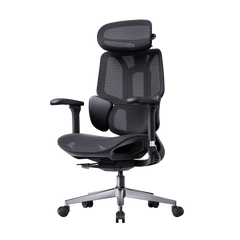
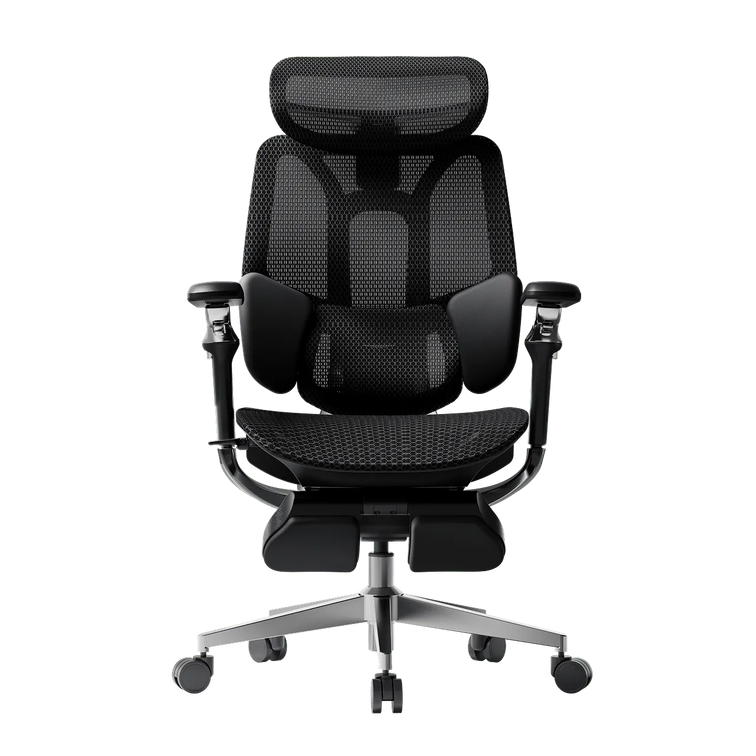
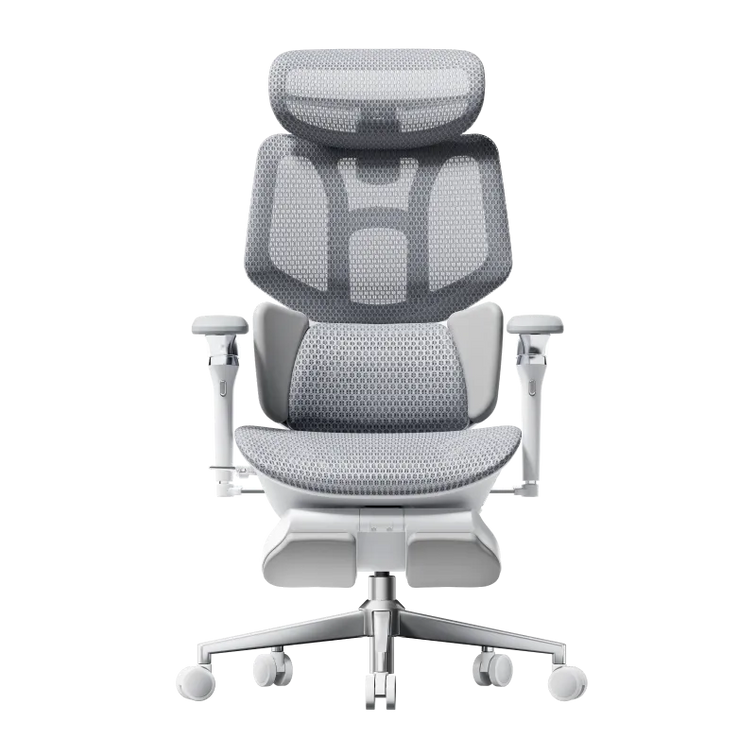
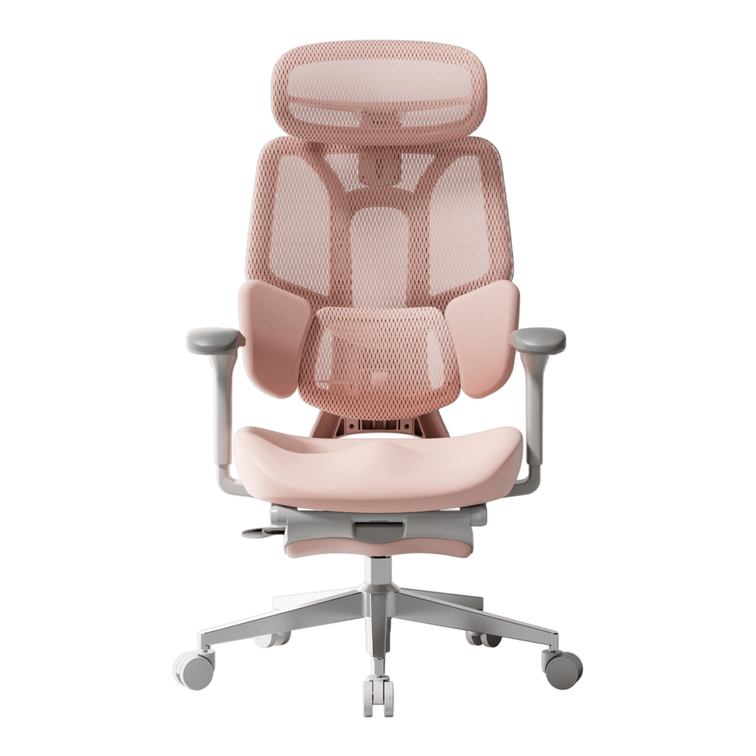
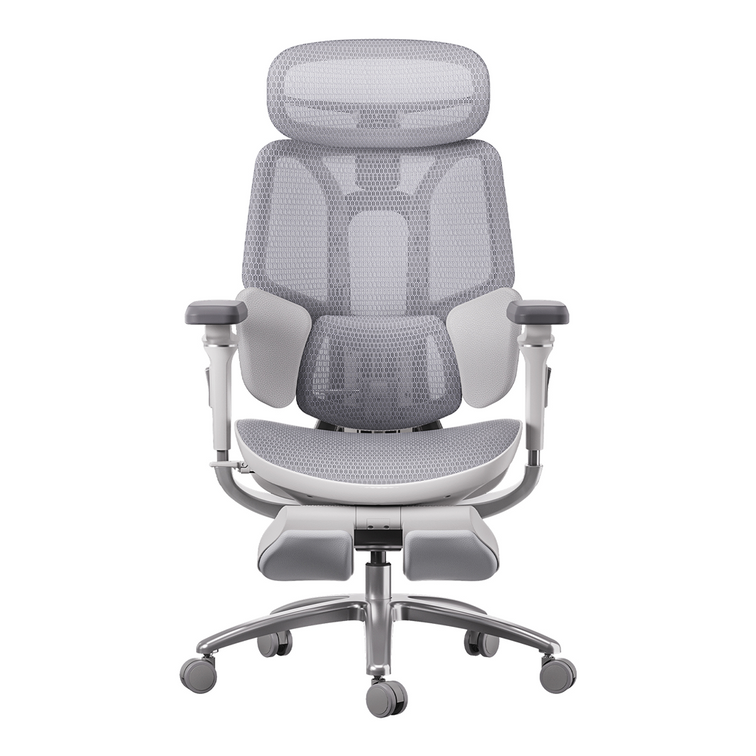
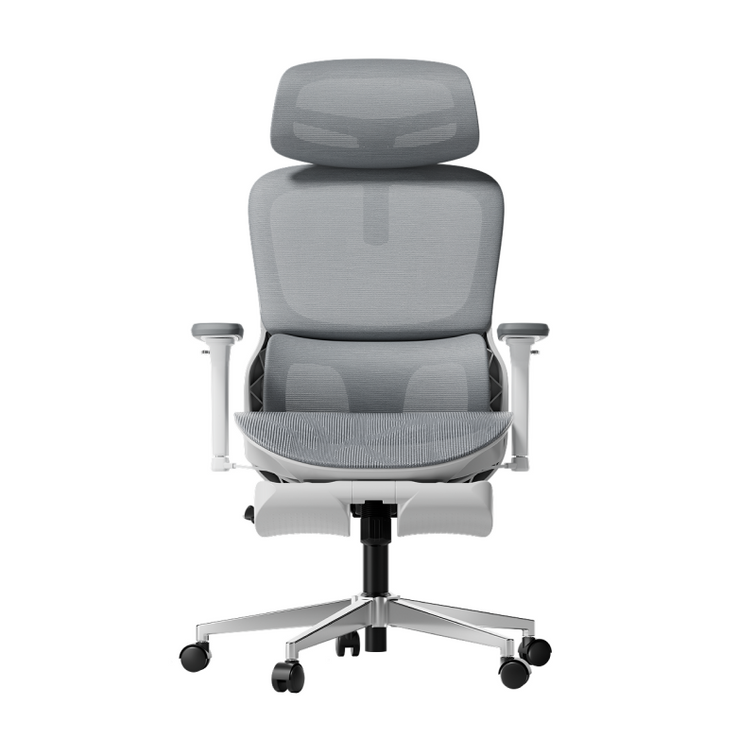
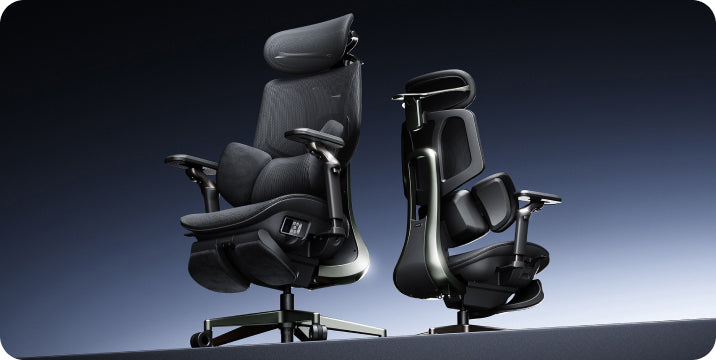
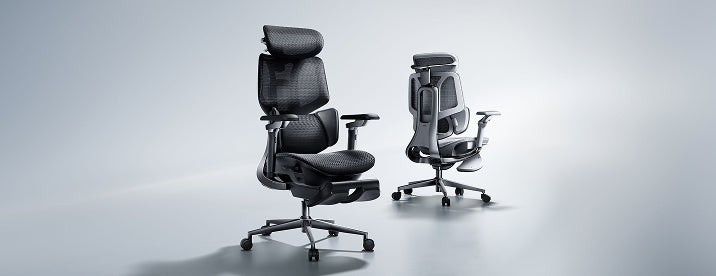
ergonomic office chair with footrest 


Static vs. Active Support: The Core Engineering Philosophy

The biggest difference between these two chairs is how they respond when you move at your desk.

The Mechanical Approach: HBADA E3 Series

The E3 series is driven by smart design. Its gravity-sensing frame adjusts the recline tension based on your weight when you lean back. There’s no need for power, charging, or complicated setup. The chair’s shape does all the work for you.

The Powered Approach: Hbada AI-Powered x7

The HBADA AI-Powered x7 takes a different approach. It uses a built-in computer chip, fast pressure sensors, and precise motors. Instead of waiting for you to move, the chair checks your sitting position 1,000 times per second. If you slouch or shift, it automatically adjusts to support your posture.

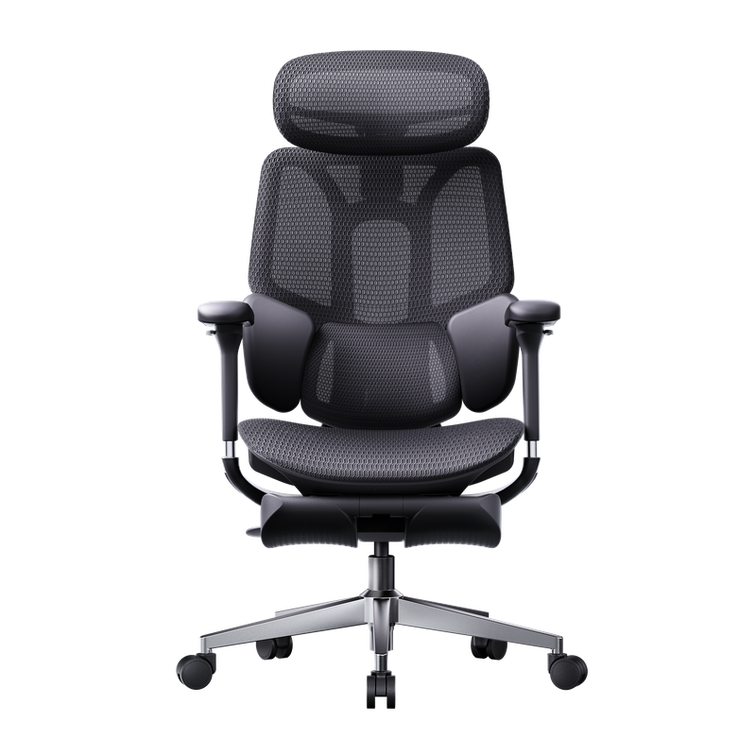
Hbada E3  Passive Ergonomics  Body presses chair  Mechanical response

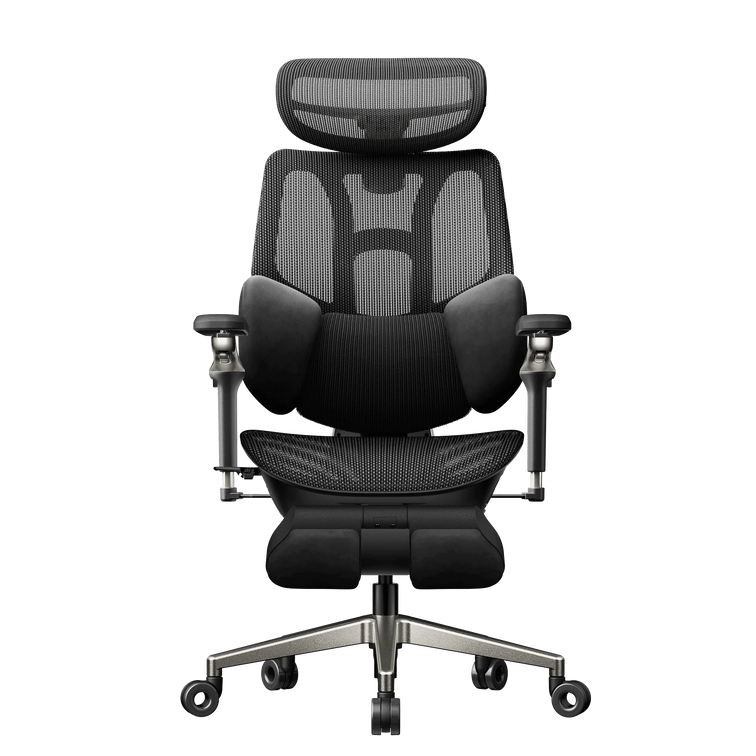
Hbada X7  Active Ergonomics  Sensor reads posture  Motorized micro-adjustments


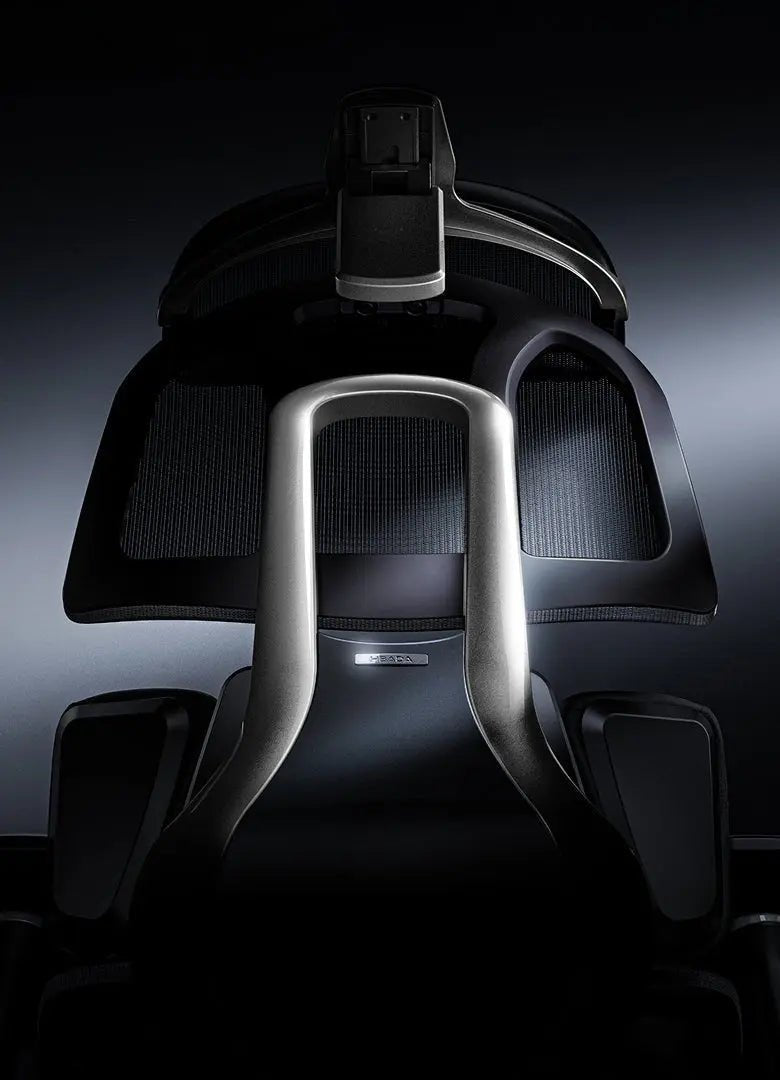
HBADA X7 2026 series AI-powered ergonomic desk chair mobile optimized 

Lumbar Support: Hbada X7 vs E3 Lumbar Support

Taking care of your lower back is the most important consideration with these chairs. The lumbar support in the Hbada X7 and E3 is designed for different habits and needs.

Hbada E3 Three-Zone Floating Wings

The Hbada E3 Pro has a fixed, three-zone design. The middle part supports your spine, and two flexible side wings can rotate up to 40° to fit your lower back. When you twist or lean, the spring-loaded wings gently press against your back to keep contact. It works well, but it only moves when you do.

Hbada X7 Automated Smart Tracking

The Hbada AI-Powered x7 uses sensors instead of springs. When it senses you lean forward to type or lean back to rest, the motorized lumbar support moves up to 50mm to fill the gap between your back and the chair. You don’t have to do anything—it keeps your pelvis upright and supported, even during long work sessions.


Premium Comfort Upgrades: The Hbada X7 On-Board Ecosystem

The higher price of the Hbada X7 also pays for built-in climate and therapy features. With a removable, rechargeable 5,200 mAh USB-C battery, these extras turn your workspace into a personal recovery area:

· 8D Bionic Hand Massage: Instead of simple vibration motors, the Hbada X7 uses dual mechanical rollers that feel like a real massage. They move out during a massage to ease muscle tightness, then pull back into the backrest when not in use, so they don’t press on your back while you work.

· Graphene Heat & Red-Light Therapy: The lower back support has built-in heaters that warm up to 113–129°F. This heat boosts blood flow to stiff muscles, working like a heating pad to reduce soreness during long hours.

· Cloud Ventilated Seat Fans: Sitting for hours can make you hot. The Hbada X7 has two fans in the seat cushion that run at 3,000 RPM, pulling fresh air through the mesh to keep you cool and prevent heat buildup.


Feature Comparison Matrix: Objective Data Breakdown

Technical Specifications

Hbada E3 Pro

Hbada AI-Powered x7

Ergonomic Strategy

Passive Mechanical Alignment

Active Robotic / AI Customization

Lumbar Adjustability

3-Zone Adaptive Spring-Loaded Wings

Motorized Auto-Tracking (50mm Depth)

Armrest Engineering

6-Way Mechanical Adjustment

720° Omni-Mechanical Tracking

Climate Control

Breathable Cloud Mesh Fabric

Dual 3000 RPM Seat Cooling Fans

Therapeutic Features

None (Structural Support Only)

8D Deep-Kneading Massage & Infrared Heat

Power Requirement

None (100% Mechanical)

5,200 mAh USB-C Rechargeable Battery

Control System

Manual Base Levers

Side-Mounted Magnetic Remote Control

Weight Capacity

330 lbs

330 lbs


Real-World Usability: Armrests, Headrests, and Fit Geometry

Aside from the smart features, each chair’s frame is designed for different types of daily work.

Armrest Configurations

The Hbada E3 Pro has sturdy 6-way armrests that move forward, backward, up, down, and tilt to fit your arms. The Hbada AI-Powered x7 takes it further with a 720° system. The arm pads and joints can spin all the way around, so you can bring them close for phone use or spread them out for multiple monitors.

Headrest Engineering

Both chairs have a 4-way headrest, but the Hbada X7’s is extra wide at 16 inches and curved. This shape supports your head when you lean or recline, so your neck can fully relax during calls or breaks.


User Personas: Who Is Each Series Designed For?

To get the best value, choose the chair that fits your daily routine and work style.


Choose the Hbada E3 Series If:

· You want a straightforward, reliable ergonomic chair that works perfectly without a battery.

· You work standard hybrid shifts and want an excellent alternative to basic office chairs at a premium price.

· You prefer a lighter chair frame that is easy to move around your home office.

Choose the Hbada AI-Powered x7 If:

· You suffer from chronic lower back tension and need a chair that automatically adjusts its shape to protect your posture.

· You work demanding 10-to-12-hour days and want built-in massage and heat therapy to relieve muscle tightness.

· You want advanced office technology, preferring a chair that uses sensors to handle your adjustments for you.


Frequently Asked Questions (FAQ)

Does the Hbada AI-Powered x7 work if the battery dies?

Yes. If the 5,200 mAh battery drains completely, the chair still functions as a premium, heavy-duty ergonomic office chair. The mesh support, aluminum frame, and recline mechanics remain fully operational. You only need to charge the battery to use the automated tracking, massage, heat, and cooling fans.

How does the Hbada X7 vs E3 lumbar support compare for lower back pain?

The E3 Pro uses flexible side wings that respond to your body’s pressure, making it ideal for users who prefer firm, spring-loaded support. The Hbada X7 uses motorized tracking that moves on its own based on sensor data, making it the ideal choice for preventing pain if you tend to slouch when tired.

How often should I charge the X7 smart office chair?

Battery life depends on how often you run the active features. If you use the automated lumbar tracking continuously throughout your workday, the battery lasts several days. Using the heating elements, cooling fans, or the deep-kneading massage functions regularly will require charging the chair every 2 to 3 days using the included USB-C cable.

Are these chairs suitable for thick carpets in a home office?

Both models feature high-grade mute casters mounted to durable aluminum alloy bases. They roll smoothly across hard floors and standard low-pile office carpets. If you have very thick or plush carpeting, using a standard desk mat will help you move around effortlessly.


Conclusion

Your choice depends on whether you want to adjust the chair yourself or have it adjusted by a professional. If you prefer manual adjustments and strong support, the Hbada E3 Pro is a great ergonomic option. If you want a chair that automatically adapts, protects your posture with sensors, and offers massage and temperature controls, the Hbada AI-Powered x7 is worth the extra investment for your long-term comfort.
 

Relevant Product

You May Also Like

HBADA X7 vs LiberNovo Omni: Smart Chair Comparison HBADA X7 vs LiberNovo Omni: Smart Chair Comparison Published: July 24, 2026Last reviewed: July 24, 2026 Disclosure: This comparison is published by HBADA, the manufacturer of the HBADA X7. LiberNovo is not affiliated with, sponsored by, or endorsed by HBADA. Product specifications, warranty terms, availability, and prices were checked against publicly available sources on July 24, 2026. HBADA has not conducted a controlled side-by-side laboratory test of both chairs unless expressly stated. HBADA X7 vs LiberNovo Omni: Smart Support, Fit and Recline Compared The HBADA X7 Smart Ergonomic Office Chair and the LiberNovo Omni are premium ergonomic chairs that use powered technology to adjust the way the backrest supports the user. However, they take different approaches. The HBADA X7 focuses on automatic lumbar tracking, mesh ventilation, integrated massage, heating, cooling, and a built-in footrest. The LiberNovo Omni focuses on cushioned comfort, motorized lumbar-depth control, spinal movement, and a deeper recline. The better choice therefore depends on whether the user prioritizes automatic support or manually controlled reclining comfort. Table of Contents Quick answer HBADA X7 vs LiberNovo Omni comparison Lumbar-support differences Mesh support vs cushioned comfort Recline and footrest Size and fit Smart and recovery features Warranty considerations Which chair should you choose? Frequently asked questions Sources and methodology Quick Answer: What Is the Main Difference? The primary difference is control. The HBADA X7 is designed to detect changes in sitting position and automatically move its lumbar support toward the user. The LiberNovo Omni uses powered controls that allow the user to manually change lumbar depth and activate its back-movement functions. The X7 may be more suitable for people who want the chair to make ongoing support adjustments without repeatedly operating controls. The Omni may be more suitable for people who prefer a cushioned seat, deeper recline, and direct control over the powered backrest. HBADA X7 vs LiberNovo Omni Comparison Category HBADA X7 LiberNovo Omni Lumbar control Automatic lumbar tracking with adjustable intensity User-controlled motorized lumbar-depth adjustment Backrest feel Responsive mesh with floating lumbar wings Elastic fabric and cushioned back support Seat Ventilated mesh seat with powered cooling Padded seat designed for a softer feel Maximum recline Up to approximately 140° Up to approximately 160° Footrest Integrated pull-out footrest Optional separate footrest, depending on package Published weight capacity Up to 330 lb Up to 300 lb Recovery features Massage, heating, cooling and sedentary reminder Powered lumbar movement and back-stretching modes Best suited to Users wanting automatic support and an all-in-one feature set Users wanting cushioned comfort and deeper reclining Specifications are based on manufacturer information and cited independent reviews available on July 24, 2026. Features can vary by model, package, region, and product revision. How Do Their Lumbar-Support Systems Differ? HBADA X7: automatic lumbar tracking The HBADA X7 uses sensors, a control system, and powered movement to respond to changes in the user's sitting position. When the user leans forward or changes posture, the lumbar mechanism is designed to move closer to maintain contact. Users can adjust the tracking intensity or switch the automatic function off. This approach may help people who frequently change position while working and do not want to readjust lumbar depth throughout the day. It does not mean that the chair diagnoses posture or provides medical treatment. LiberNovo Omni: powered manual adjustment The LiberNovo Omni uses a motorized actuator to move its backrest or lumbar area forward and backward. According to published reviews, the user activates these adjustments through the chair's controls rather than relying on continuous automatic tracking. Practical conclusion: Choose based on interaction preference. The X7 emphasizes hands-free adjustment; the Omni emphasizes powered adjustment controlled by the user. Mesh Support or Cushioned Comfort? The HBADA X7 uses an extensively ventilated design. Its mesh construction and powered seat fans are intended to reduce heat accumulation during extended sitting. Users who work in warm rooms or dislike the heat retention of thick foam may prefer this approach. The LiberNovo Omni uses more cushioning and elastic fabric. Independent reviewers have described it as soft and comfortable when first sitting down. Users who prefer a padded, enveloping feel may find this design more appealing than a firmer mesh surface. Neither material is universally better. Mesh generally prioritizes airflow and responsive support, while cushioning generally prioritizes softness. Comfort remains subjective and depends on body proportions, clothing, room temperature, and sitting habits. Which Chair Fits More Body Sizes? HBADA publishes a recommended height range of approximately 4'11" to 6'5" for the X7, together with a maximum weight capacity of 330 lb. The X7 also provides approximately two inches of seat-depth adjustment. Independent specifications published for the Omni list a 300 lb maximum load and a wider, comparatively deep seat. That shape may appeal to users who want more lateral space, although shorter users should verify whether their feet can remain flat while maintaining a small gap between the seat edge and the backs of the knees. Published dimensions are only a starting point. Buyers should compare seat height, usable seat depth, armrest spacing, lumbar position, and weight capacity with their own measurements before choosing either chair. For more options, visit the HBADA ergonomic office chair collection. How Do Their Smart and Recovery Features Compare? The X7 combines lumbar tracking with massage rollers, heating, powered ventilation, a sedentary reminder, adjustable armrests, an adjustable headrest, and an integrated footrest. Its appeal is the number of powered functions included in one chair. The Omni's technology is more concentrated around its backrest. Its powered functions allow the user to change lumbar depth and activate movement intended for reclining or stretching. Its simpler feature focus may appeal to buyers who value backrest movement more than heating, ventilation, or automatic tracking. These functions are comfort features, not medical treatments. Anyone experiencing persistent back pain, numbness, weakness, or another health concern should consult a qualified healthcare professional. What Should Buyers Know About Warranty Coverage? HBADA's current US warranty page states that X7 core load-bearing components—including the base, gas lift, and casters—receive five-year coverage, while other components generally receive three-year coverage. Coverage is subject to the complete warranty terms and exclusions. LiberNovo states that warranty coverage can depend on the product and component. Buyers should review the current Omni product listing and warranty terms directly before purchasing. Warranty periods should not be compared using a single headline number. Frame, electronics, motors, batteries, upholstery, and wear components may have different coverage periods. See the current HBADA warranty and service policy for details. Which Chair Should You Choose? The HBADA X7 may be the better fit if you: Want lumbar support that responds automatically as you change position. Prefer breathable mesh and powered seat ventilation. Want massage, heating, cooling, and a footrest integrated into one chair. Need a published weight capacity of up to 330 lb. Prefer a chair designed for both focused work and short reclining breaks.  View the HBADA X7 Smart Ergonomic Office Chair Final assessment: The HBADA X7 and LiberNovo Omni solve different ergonomic preferences. The X7 emphasizes automatic adaptation and an all-in-one set of comfort functions. The Omni emphasizes cushioning, user-controlled back movement, and deeper recline. Buyers should select the system that matches their body dimensions and normal working position rather than relying on a universal “best chair” claim. Frequently Asked Questions Is the HBADA X7 better than the LiberNovo Omni? Neither chair is better for every user. The X7 may be more suitable for automatic lumbar tracking, ventilation, integrated massage, and a built-in footrest. The Omni may be more suitable for cushioned comfort, manually controlled lumbar movement, and deeper reclining. Which chair is better for long working hours? The appropriate choice depends on fit and sitting preference. Users who become warm or frequently change posture may prefer the X7's mesh construction, ventilation, and automatic lumbar tracking. Users who prefer a softer seat may prefer the Omni's cushioned design. Which chair has a built-in footrest? The HBADA X7 includes an integrated pull-out footrest. A footrest for the LiberNovo Omni may be supplied separately or included with selected bundles, depending on the current offer. Does the HBADA X7 automatically adjust lumbar support? Yes. The X7 is designed to detect changes in sitting position and automatically adjust lumbar contact. Users can select the tracking intensity or disable automatic operation. Can either chair treat back pain? No ergonomic chair should be presented as a treatment for back pain. A correctly fitted chair may support a more comfortable sitting position, but persistent symptoms should be evaluated by a qualified healthcare professional. Sources and Methodology This comparison uses publicly available manufacturer information and independent editorial reviews. HBADA did not conduct a controlled side-by-side laboratory test for this article. Prices and promotional offers have been excluded from the main verdict because they can change frequently. HBADA X7 official product page HBADA warranty and service policy LiberNovo Omni official product page Tom's Guide: HBADA X7 review Tom's Guide: LiberNovo Omni review Trademark notice: LiberNovo and Omni are trademarks of their respective owners. HBADA is not affiliated with, sponsored by, or endorsed by LiberNovo. Product names are used only to identify the products being compared. Office Chair Exploded The Real Causes, Risks, and What to Do Next Office Chair Exploded The Real Causes, Risks, and What to Do Next Viral videos make it look terrifying: an office chair exploded under someone, sending parts flying. So here is the honest picture. A true office chair explosion is real but extremely rare, and it is not a fireball. It is the sudden failure of a pressurised gas cylinder, which can eject parts with force. The good news is that these failures are predictable and preventable. This guide explains what causes them, the warning signs to watch, and exactly what to do next to stay safe. Can an Office Chair Really Explode? Let's separate the myth from the mechanism straight away. Yes, an office chair can fail violently, but it is exceptionally rare, with only a handful of serious cases reported worldwide over the past two decades, out of millions of chairs in daily use. What people call an office chair explosion is not combustion. It is a sudden rupture of the pneumatic cylinder, the pressurised part that adjusts your seat height, releasing gas fast enough to eject components. Reported incidents between 2008 and 2013 caused real injuries, and one 2009 case in China was fatal. In nearly every documented case, the chair was a cheap, uncertified model, and at least one involved a cylinder filled with compressed air rather than a proper inert gas. The pattern is clear: quality and certification are what keep you safe. What Actually Happens Inside the Cylinder To understand the risk, it helps to know how the part works. A gas lift is a sealed steel tube filled with pressurised nitrogen and a small amount of oil, with a piston that raises and lowers your seat. When the seal, weld, or tube wall is sound, it holds that pressure safely for years. When a substandard cylinder cracks or its seal fails, the pressurised nitrogen escapes suddenly, and that force is what throws parts outward. This is why you should never puncture, drill, or open a cylinder. Why Do Office Chairs Explode? The Main Causes Almost every failure traces back to one of these six factors. Substandard, uncertified cylinders. Thin steel, poor welds, or weak seals cannot hold normal pressure over time. The wrong gas. Cheap chairs sometimes use compressed air or low-purity nitrogen, which expands dangerously when heated or adjusted often. Overloading. Exceeding the chair's weight capacity puts the cylinder under stress it was never rated for. Heat and sunlight. High temperatures raise the internal pressure and degrade the seals faster. Corrosion and age. Rust weakens the metal, so an old, damp-stored cylinder is far more likely to fail. Physical damage or DIY repair. A hard knock or an incorrectly refitted cylinder can compromise its integrity. Warning Signs Your Gas Cylinder Is Failing A failing cylinder almost always warns you first, so act on these signs. A hissing or leaking sound, which points to escaping gas. The chair sinks on its own or will not stay up at your set height. The seat drops suddenly when you adjust it. Height adjustment feels stiff, gritty, or unresponsive. Visible rust, dents, or corrosion on the cylinder or base. If you notice any of these, stop using the chair. These are the same faults that precede a gas cylinder failure, so treat them as your cue to repair or replace, not to keep sitting and hoping. What to Do if Your Office Chair Explodes or Shows Warning Signs Here is the calm, practical order of actions. Stop using it immediately. Take your weight off the chair the moment you hear hissing or feel it sinking. Treat any injury first. For a penetrating wound or significant pain, seek medical help without delay, and call 999 for anything serious. Do not open the cylinder. Never try to cut, drill, or dismantle the pressurised cylinder yourself. Replace, don't patch. Fit a certified replacement gas lift, or if the frame, base, or foam are also worn, replace the chair. Recycle the old cylinder safely. Take the metal cylinder to a recycling point intact, and never puncture or crush it. How to Prevent It: Buy Certified and Use It Right Prevention comes down to two things: a quality chair and sensible use. The single best safeguard is a chair with a certified gas lift. Look for recognised safety and durability standards such as ANSI/BIFMA X5.1, published by BIFMA, the commercial furniture standards body, along with a Class 4 gas lift and third-party marks like TÜV or SGS. Then use the chair as intended: stay within its weight capacity, keep it out of direct heat, and inspect the cylinder and base now and then for rust. This is exactly where a well-engineered chair earns its keep. The HBADA AI-Powered X7 is certified to the BIFMA X5.1 standard and tested for an intended 10-year service life, with a chassis that is roughly 70% steel and support for users up to 330 lb (150 kg). In short, it is built so the gas lift never becomes the weak link. See how the HBADA AI-Powered X7 is built and safety-tested for long-term durability, or compare the full HBADA X7 smart-chair range to match a certified build to your body and your hours at the desk. Here is how the core range compares. Model Safety & durability Support system Weight capacity Best for HBADA AI-Powered X7 BIFMA X5.1 tested, ~70% steel, 10-yr intended life, 5-yr warranty AI auto lumbar, ventilated mesh seat, 720° armrests, 4D headrest Up to 330 lb (150 kg) Long 8+ hr days, hands-off support HBADA E3 Pro 2026 Edition Steel build, breathable mesh seat, footrest 3-Zone Floating Lumbar Support, 4D headrest, 720° armrests Big-and-tall build* Recline and footrest comfort HBADA E3 Air Steel build, breathable mesh, footrest 3-Zone Dynamic Lumbar Support, 3D headrest, 4D armrests Big-and-tall build* Larger frames and higher weight needs Exact weight capacity and cylinder rating vary by model; confirm the current figures on each product page before you buy. A Realistic Heavy-Use Scenario Here is how the warning signs play out in practice. The example is illustrative, not a specific customer. Picture Ryan P., 37, a warehouse team leader and evening gamer in Sheffield, 6'1" and around 20 stone (127 kg). His budget chair began to hiss and sink after months of use above its weight capacity. Instead of ignoring it, he took it as a warning and switched to a certified HBADA E3 Pro 2026 Edition. The steel build and higher-rated support removed the sinking, the noise, and the worry of a sudden gas cylinder failure. A Realistic Second-Hand Chair Scenario Older, hand-me-down chairs carry the highest hidden risk. Consider Sofia L., 30, a marketing coordinator in Brighton, 5'2" and lightly built. Her second-hand chair had visible rust on the gas lift and a growing wobble, both classic warning signs. She replaced it with the HBADA AI-Powered X7, a certified, safety-tested chair whose automatic lumbar tracking also fit her smaller frame far better than the old one ever did. Which HBADA Chair Should You Choose? Your best pick depends on how long you sit and the body you are supporting. Sit 8+ hours and want hands-off, certified support: the HBADA AI-Powered X7. Want recline plus a footrest for all-day comfort: the HBADA E3 Pro 2026 Edition. Need a larger, big-and-tall build: the HBADA E3 Air. The takeaway is simple. An office chair exploded almost always because it is cheap, uncertified, or misused, and that is a risk you can design out. Watch for the warning signs, respect the weight limit, and choose a certified HBADA chair so the one part under pressure is the one you never have to worry about. Frequently Asked Questions Can an office chair actually explode? Yes, but it is extremely rare. The failure is not a fire; it is a sudden rupture of the pressurised gas cylinder that adjusts your seat height. When a substandard cylinder cracks or its seal fails, the gas escapes fast and can eject parts with force. Almost every documented case involved a cheap, uncertified chair or one filled with compressed air instead of inert nitrogen. A certified chair, used within its limits, is very safe. How common are office chair explosions? They are very uncommon. Only a handful of serious cases have been reported worldwide in the last twenty years, set against millions of chairs used every day. The risk is concentrated almost entirely in low-cost, uncertified models with poor-quality gas cylinders, or in chairs that were overloaded, damaged, or poorly stored. Buying a chair tested to recognised standards and staying within its weight capacity reduces an already small risk to near zero. What causes an office chair gas cylinder to explode? The main causes are a substandard cylinder, the wrong gas, and misuse. Cheap tubes with thin steel or weak seals cannot hold pressure over time. Some budget cylinders use compressed air or low-purity nitrogen, which expands when heated or frequently adjusted. Overloading past the weight capacity, high heat, rust, and improper DIY repairs all add stress. Together, these push a weak cylinder toward a sudden failure that a certified one is built to resist. Why does my office chair keep sinking or hissing? A chair that sinks, drops suddenly, or hisses is telling you the gas cylinder is leaking or wearing out. That escaping pressure is the same fault that precedes a serious failure, so it is not just an annoyance. Stop using the chair and either fit a certified replacement cylinder or replace the chair. Do not try to open or repair the pressurised cylinder yourself, as it can be dangerous if breached. Are gas lift office chairs safe? Yes, gas lift chairs are safe when they are properly made and used. The pressurised cylinder is a mature, well-understood technology found in millions of chairs. Safety problems occur almost exclusively with uncertified, low-grade cylinders or with misuse, such as overloading. Choose a chair tested to standards like ANSI/BIFMA X5.1 with a quality Class 4 gas lift, keep it out of extreme heat, and stay within the weight limit, and the risk is minimal.   Office Chair Butt Imprints Are They Real, and How Do You Prevent Them Office Chair Butt Imprints Are They Real, and How Do You Prevent Them You stand up, glance down, and there it is: a dent shaped like you. Office chair butt imprints are real, and they are not a sign that something is wrong with your body. They are a sign that your seat is wearing out. That sunken patch is foam compression set—the point where cheap cushioning gives up and stops springing back. The good news is that you can prevent it. This guide explains what causes seat imprints, whether they are bad for your health, and how the right ergonomic office chair can help prevent long-term sinking. Table of Contents What Are Office Chair Butt Imprints? What Causes Office Chair Butt Imprints? The Real Cause: Foam That Stops Bouncing Back Why the Dent Forms Under Your Sit Bones Are Office Chair Butt Imprints Bad for You? Foam vs Mesh: The Material That Decides Everything How to Prevent Office Chair Butt Imprints The Long-Term Fix: A Seat That Won't Sink A Realistic Heavy-Use Scenario A Realistic Petite-Frame Scenario Which HBADA Chair Should You Choose? Frequently Asked Questions What Are Office Chair Butt Imprints? To fix the problem, you first need to know exactly what you are looking at. An office chair butt imprint is a permanent, body-shaped dent in the seat cushion caused by foam compression set: the collapse of foam cells that can no longer rebound after repeated pressure. It is normal wear on low-density cushioning, not a medical condition and not a reflection of your body. What Causes Office Chair Butt Imprints? The Real Cause: Foam That Stops Bouncing Back Here is what happens inside the seat over time. Foam is a lattice of tiny air-filled cells. Every time you sit, those cells compress and then spring back. Repeat that for thousands of hours and the cells begin to fatigue. Eventually, they collapse past their elastic limit and can no longer recover. Many budget chairs use a single slab of medium-density polyurethane foam that may flatten relatively quickly under heavy daily use. High-density foam and moulded foam generally resist sagging for longer, but no foam is immune. Heat, humidity, sunlight and repeated pressure can all accelerate the breakdown. Why the Dent Forms Under Your Sit Bones When you sit, much of your body weight is transferred through two points at the base of your pelvis: the ischial tuberosities, commonly known as your sit bones. That load is concentrated in the centre-rear area of the seat, so the foam there usually wears out first. Once the cushion begins to collapse, your weight is no longer distributed evenly across the seat and the dent may deepen more quickly. Are Office Chair Butt Imprints Bad for You? The imprint itself is not necessarily harmful, but the worn-out seat that creates it may become uncomfortable. Once foam develops a permanent compression set, it no longer distributes pressure as evenly. More pressure may then be placed on your sit bones and tailbone, while your pelvis may move away from a comfortable neutral position. General seating and ergonomics guidance recommends using a supportive chair that helps maintain a comfortable spinal position and distributes body weight evenly. It is also important to change position and stand regularly during prolonged periods of sitting. The honest answer is that the imprint is a symptom of material wear. The practical solution is to restore even pressure distribution and reduce uninterrupted periods of sitting. Foam vs Mesh: The That Decides Everything The seat material is one of the biggest factors affecting whether a permanent imprint develops. Factor Traditional Foam Seat Elastic Mesh Seat Imprints and compression set Foam cells may fatigue and collapse, producing a permanent dent. A properly tensioned elastic weave is designed to recover its shape after use. Time to noticeable wear Varies according to foam density, build quality, body weight and daily use. Quality mesh is designed to maintain consistent tension for longer, although durability varies by construction. Heat Foam may retain more body heat. Open mesh allows continuous airflow around the seat. Weight distribution Distribution may become uneven after the centre begins to compress. The suspended surface can distribute pressure across a wider area. Feel over time May begin soft and gradually feel flatter. Designed to provide more consistent support when the mesh remains properly tensioned. The takeaway: foam is a cushioning material that gradually wears out. A well-engineered breathable mesh seat uses elastic suspension to recover its shape, helping reduce the likelihood of a permanent body-shaped dent. How to Prevent Office Chair Butt Imprints You can slow down seat wear through better sitting habits and an appropriate chair. Move often. Change position and stand regularly. Movement removes pressure from the same part of the seat and supports circulation. Avoid very thin, soft foam. Choose high-density or moulded foam, or consider a properly tensioned elastic mesh seat. Adjust the seat depth. Sit fully back with your thighs supported and your feet resting comfortably on the floor or an appropriate foot support. Keep the chair cool and dry. Heat, humidity and direct sunlight may accelerate the deterioration of foam. Match the chair to the user. Check the chair's dimensions and stated weight capacity before buying. Replace worn components. Once foam has developed a permanent compression set, changing sitting habits will not restore its original structure. The Long-Term Fix: A Seat That Won't Sink If better habits only slow down the problem, changing the seat construction addresses the underlying failure point. The HBADA AI-Powered X7 replaces conventional seat padding with a breathable elastic mesh seat. It is designed to distribute pressure across the sitting surface while maintaining airflow during extended periods of use. According to HBADA's product specifications, the X7 uses pressure sensors, a smart control system and a linear motor to adjust its lumbar support. It also offers multiple lumbar-support intensity levels, adjustable armrests, an adjustable headrest and a reclining function. Exact specifications may vary by configuration and market. Explore the HBADA X7 smart ergonomic chair or compare the HBADA X Series . HBADA states that selected X7 models are tested to applicable chair-performance standards and are covered by the warranty shown on the relevant product page. Always confirm the current certification, weight capacity, warranty and configuration before purchasing. Model Seat and Anti-Imprint Design Support System Best For HBADA AI-Powered X7 Ventilated elastic mesh seat Automatic lumbar adjustment with adjustable headrest, armrests and recline Long working days and users who prefer automated support HBADA E3 Pro 2026 Edition Breathable mesh seat with selected footrest configurations Multi-zone lumbar support with adjustable headrest and armrests Extended use, reclining and users who want a footrest option HBADA E3 Air Breathable mesh seat Adjustable lumbar support, headrest and armrests Everyday ergonomic support and larger seating requirements Product specifications, footrest availability and weight capacity vary by model and configuration. Confirm the current information on each product page before purchasing. A Realistic Heavy-Use Scenario The following example is illustrative and is not a specific customer testimonial. Consider a user who works as a DevOps engineer and streams part-time. They are approximately 6'2" tall, weigh around 21 stone (135 kg) and sit for about ten hours on a busy day. After several budget chairs develop flattened foam seats, the user may benefit from moving to a chair with a properly tensioned mesh seat, suitable dimensions and an appropriate stated weight capacity. A model such as the HBADA E3 Pro 2026 Edition may also provide more adjustment options and a footrest configuration for reclining during short breaks. The important point is not that one chair can guarantee the elimination of discomfort. It is that a mesh seat removes the foam-compression mechanism responsible for the permanent dent and may distribute sitting pressure more consistently. A Realistic Petite-Frame Scenario The same principles also matter for users with smaller body dimensions. Consider a graphic designer who is approximately 5'1" tall. On an oversized chair, the seat may press behind the knees, the lumbar support may sit too high and the armrests may be too far apart. For this user, chair dimensions and adjustment range matter as much as the seat material. Adjustable lumbar positioning, inward-moving armrests and a suitable seat depth may help the user maintain a more comfortable working position. A suspended mesh seat can also spread pressure across a broader area, although users should still confirm that the seat height and depth are appropriate for their body. Which HBADA Chair Should You Choose? Your best choice depends on your body dimensions, working habits, preferred adjustments and budget. Sit for extended periods and prefer automatic adjustment: consider the HBADA AI-Powered X7. Want adjustable support, reclining and a selected footrest configuration: consider the HBADA E3 Pro 2026 Edition. Want breathable everyday support and a spacious seat design: consider the HBADA E3 Air. The key idea is simple: the long-term solution to office chair butt imprints is not merely adding another cushion. It is choosing a seat material and chair structure designed to distribute pressure and maintain its shape. Compare HBADA ergonomic office chairs based on your body dimensions, daily sitting time and preferred support features. Frequently Asked Questions Why does my office chair have a butt imprint? Your chair may have an imprint because the seat foam has reached compression set. Foam contains cells that compress and rebound whenever you sit. After repeated use, some of those cells may fatigue and stop returning to their original shape. The dent normally develops beneath the sit bones, where pressure is concentrated. It is a sign of material wear, not a problem with your body. Are butt imprints in a chair bad for your health? The imprint itself is not a medical condition. However, a severely worn seat may stop distributing pressure evenly and may become uncomfortable during prolonged use. A supportive chair should fit your body and workstation, but no chair removes the need to change position and take regular movement breaks. How long should an office chair seat last before it sags? There is no single lifespan for every seat. Durability depends on foam density, construction quality, body weight, temperature, humidity and the number of hours the chair is used each day. Higher-density and moulded foams generally last longer than thin, low-density cushioning. Elastic mesh uses a different structure and is designed to recover its shape, although low-quality or poorly tensioned mesh may still stretch over time. Can you fix a sunken office chair seat? Temporary flattening may improve after the chair is left unused, but a permanent compression set is difficult to reverse because the internal foam cells have already collapsed. A replacement cushion can provide a temporary improvement. The more durable solution is usually replacing the worn seat or choosing a chair with an appropriately engineered elastic mesh seat. Do mesh chairs get butt imprints too? A quality mesh seat is less likely to develop a body-shaped compression dent because it does not depend on foam cells. Its elastic weave is designed to recover after pressure is removed. However, mesh quality matters. Poorly constructed mesh can stretch, loosen or feel overly firm. Look for a chair with a properly tensioned seat, suitable dimensions, a stated weight capacity and clear warranty coverage. Last reviewed: July 2026. Product specifications, availability, certifications and warranty terms may change. Confirm current information on the relevant product page before purchasing.