

Quick answer: Height is only a starting point when choosing an ergonomic office chair. Two people of the same height can have different lower-leg, thigh, torso, hip and shoulder measurements. A chair fits when its seat height, seat depth, backrest, lumbar support and armrests can be adjusted to those individual proportions.
Most chair size guides begin with height. It is convenient, but it does not tell the whole story.
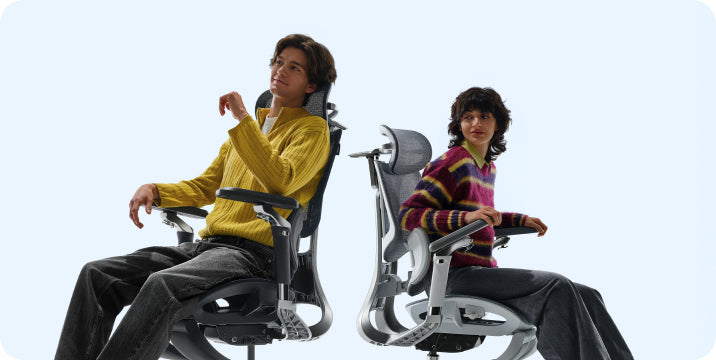
Someone who is 175 cm tall may have relatively long legs and a short torso. Another person of exactly the same height may have shorter legs and a longer torso. Give them the same chair settings and one may have unsupported feet while the other finds the lumbar support sitting too low.
The better approach is to use height to create a shortlist, then check whether the chair's adjustment ranges match the parts of your body that actually contact it.
Why Does Height Alone Fail to Predict Chair Fit?

Standing height is one measurement. Chair fit depends on several.
The Canadian Centre for Occupational Health and Safety notes that one chair does not fit everyone because users' body dimensions vary. It also describes chair height calculated from total body height as only a rule of thumb because the ratio between torso and leg length can differ widely.
This is why a label such as “suitable for users from 155 to 195 cm” should not be treated as a complete fit guarantee. It tells you who may fall within the chair's general range, but it does not tell you whether the seat is short enough for your thighs, the lumbar support reaches your lower back or the armrests align with your elbows.
A genuinely adjustable ergonomic office chair gives you several independent settings so that one body proportion does not dictate all the others.
How Does Leg Length Change Seat Height and Seat Depth?
Leg length affects two separate chair settings: lower-leg length influences seat height, while thigh length influences seat depth.
Lower-leg length and seat height
When the seat is at a suitable height, your feet should be supported by the floor or a footrest without excessive pressure underneath your thighs. Your knees can remain around hip level or slightly below it, depending on your preferred posture.
A seat that is too high can leave your feet hanging and place pressure behind the knees. A seat that is too low may push the knees upward and make it harder to use a standard-height desk comfortably.
The US Occupational Safety and Health Administration advises that the whole sole of the foot should be able to rest on the floor. If the chair cannot be lowered enough while keeping the desk and keyboard at a workable height, a footrest can provide stable support.
Thigh length and seat depth
Seat depth determines how much of your thighs the seat supports. A seat that is too deep can press against the area behind the knees or prevent you from using the backrest. A seat that is too shallow may leave too much of the thighs unsupported.
A practical starting point is to sit against the backrest and check the space between the seat edge and the backs of your knees. You should have a small clearance rather than direct pressure from the seat edge. A sliding seat makes this easier to adjust for both short and long thighs.
This explains why two colleagues of equal height may need different settings: the person with longer legs may raise and extend the seat, while the person with shorter legs may lower and shorten it.
How Does Torso Length Change Backrest and Lumbar Height?

Torso length influences where the backrest, lumbar support and headrest meet your body.
A person with a longer seated torso will usually need these support points positioned higher. Someone with a shorter torso may need them lower, even when both people have the same standing height.
Lumbar support should meet the inward curve of the lower back rather than pushing into the pelvis or the middle of the back. The exact position is personal, so use the adjustment range to find a supportive setting instead of forcing your body to match a preset height chart.
The same principle applies to the headrest. It should support the head or upper neck in the posture for which it was designed without pushing the head noticeably forward.
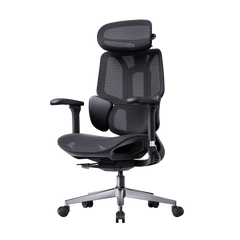
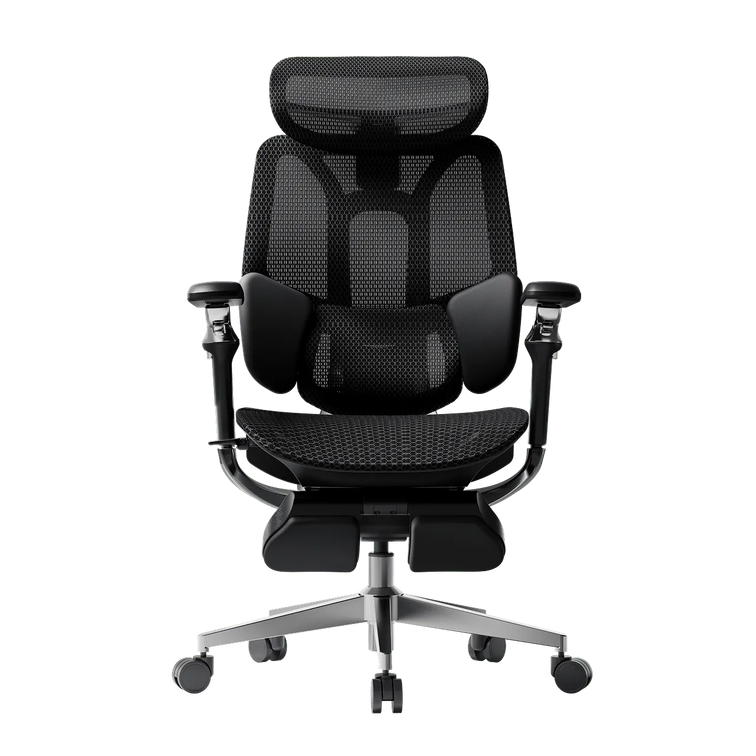
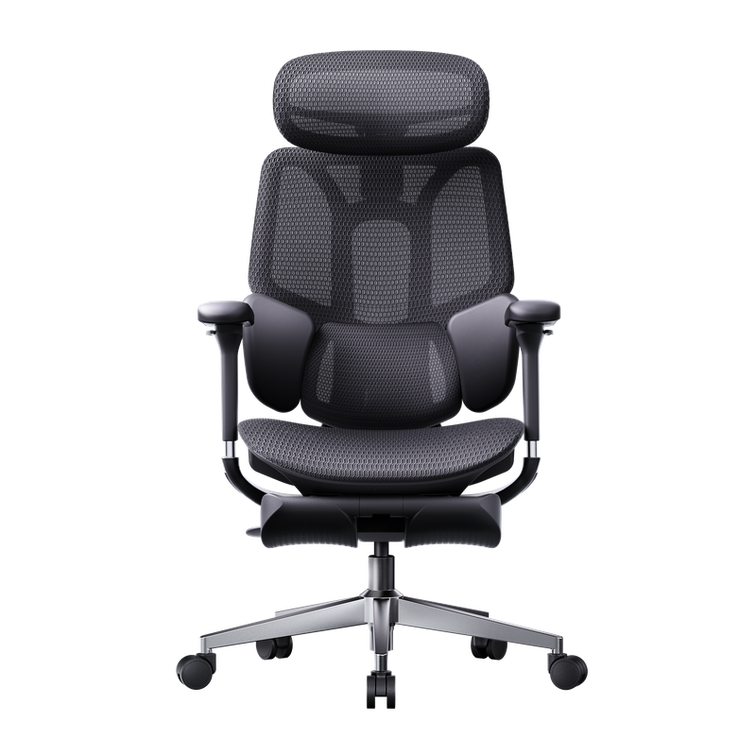
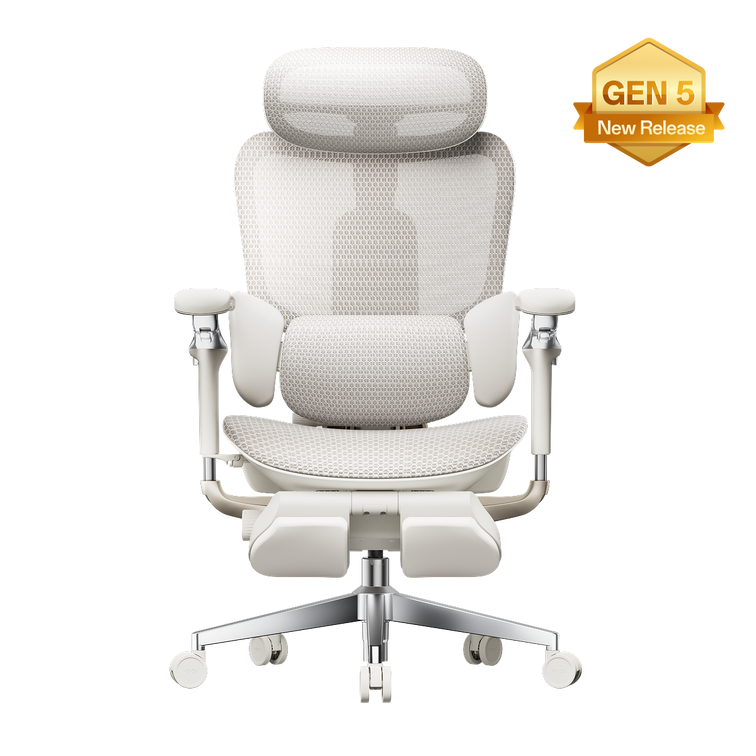
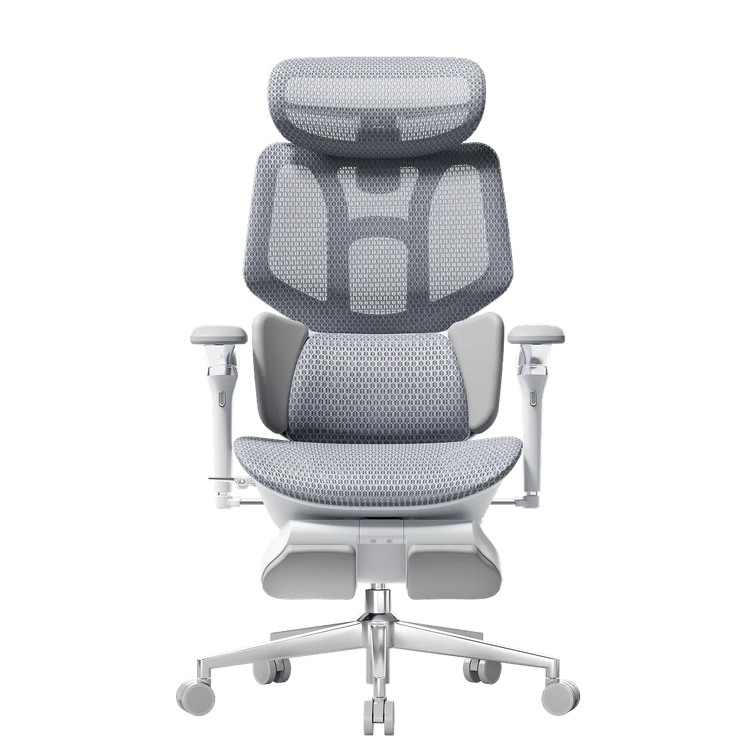
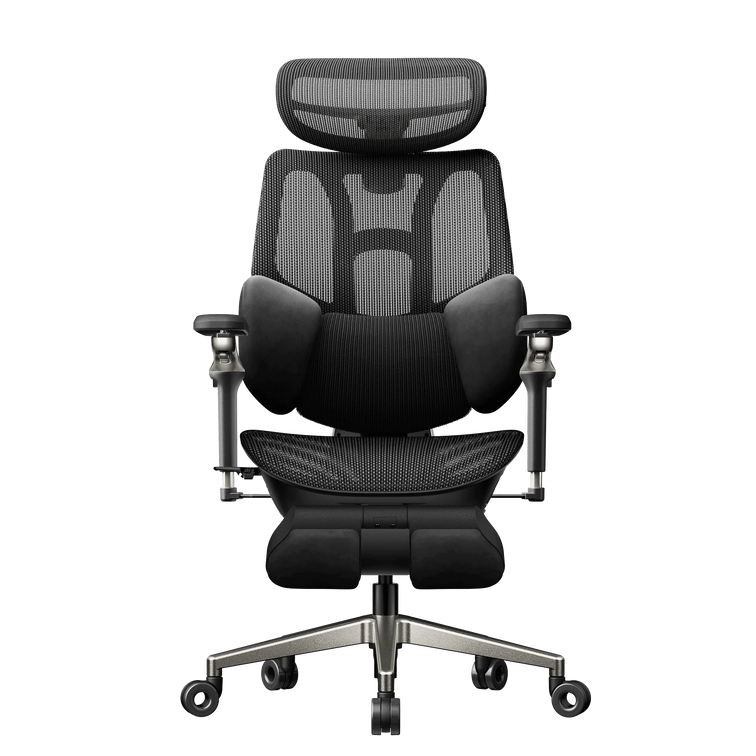
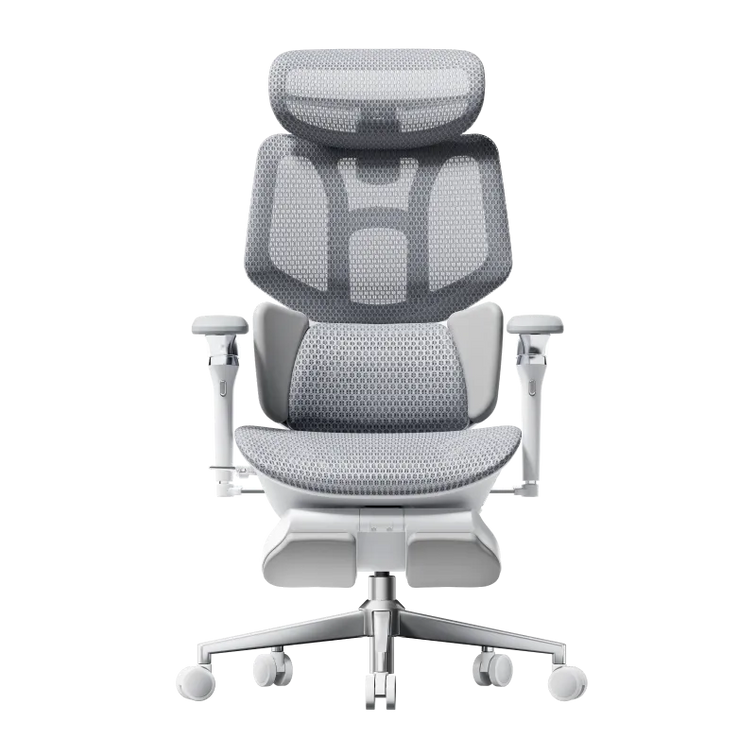
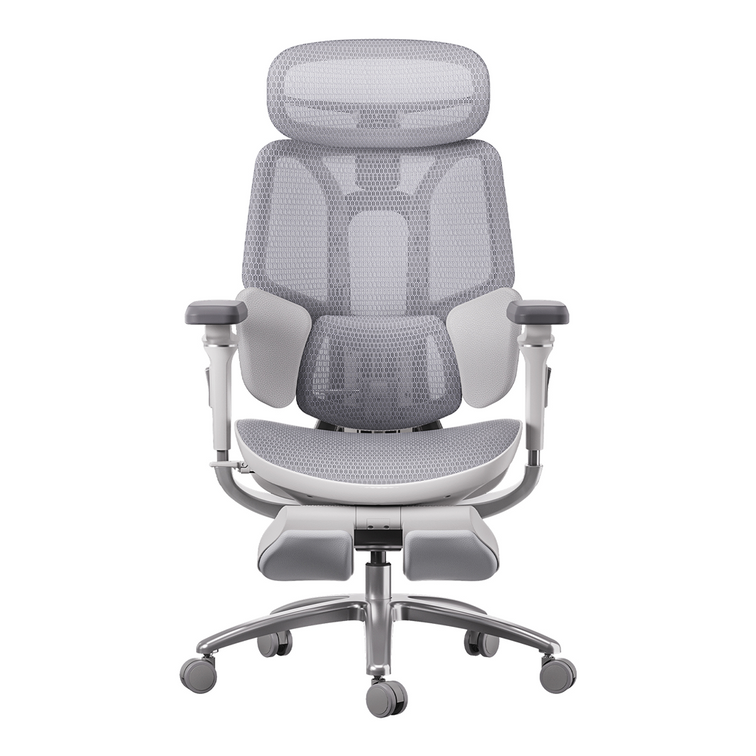
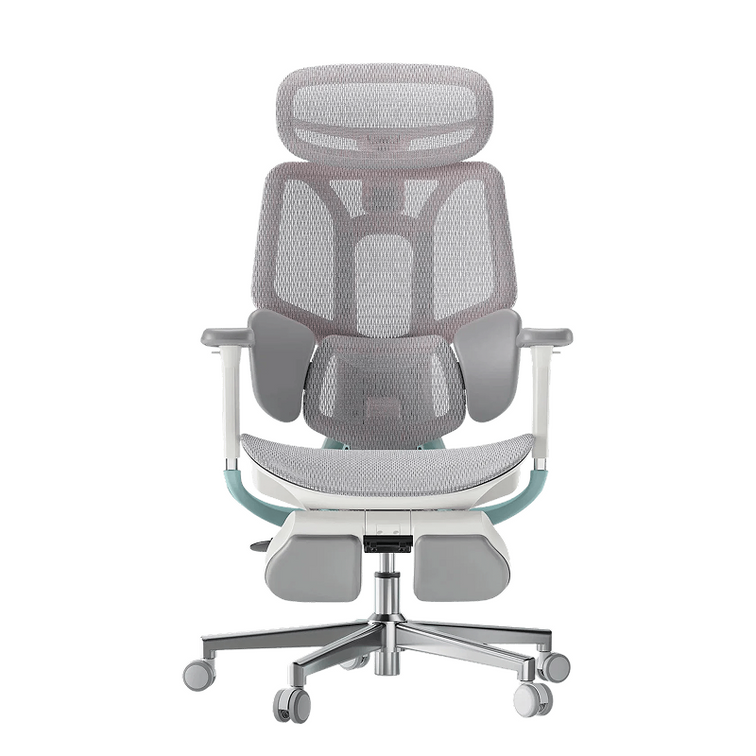
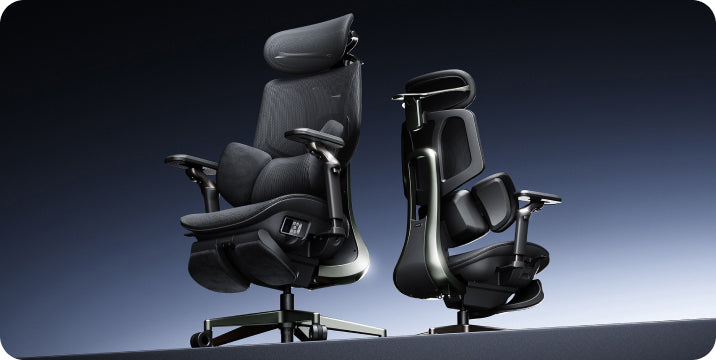
The HBADA E3 Pro 2026 Edition provides 80 mm of backrest-height adjustment and 60 mm of independent lumbar-height adjustment. The HBADA X7 Smart Ergonomic Chair instead uses a powered lumbar system that responds as the user's position changes.
These features may help users find a more comfortable sitting position, but an ergonomic chair is not a medical treatment.
How Do Hip and Shoulder Width Affect Office Chair Fit?
Height provides very little information about body width.
Hip and thigh breadth are the main measurements to consider when checking seat width. The seat should provide enough room to sit and change position without its frame pressing against the sides of the body.
Shoulder breadth relates more closely to the width and shape of the backrest. It also affects where the arms naturally fall. If armrests are too close together, a broader user may have to pull the shoulders inward. If they are too far apart, a narrower user may reach outward to use them.
Armrests should support the forearms while allowing the shoulders to remain relaxed. They also need to move out of the way when necessary so that the chair can approach the desk without forcing the user to lean forward.
Body Segment to Chair Adjustment
| Body segment | What it affects | Relevant chair adjustment |
|---|---|---|
| Lower-leg length | Foot support and thigh angle | Seat height or footrest |
| Thigh length | Support beneath the thighs and knee clearance | Seat depth |
| Seated torso length | Position of back, lumbar and head support | Backrest, lumbar and headrest height |
| Hip and thigh breadth | Space on the seat | Seat width |
| Shoulder breadth and arm position | Backrest space and forearm support | Backrest width and armrest span |
Notice that overall height does not map neatly to any single chair control. It remains useful for narrowing the range, but the final settings should come from the individual measurements above.
How to Measure Your Own Proportions
You need a firm chair, a tape measure and, ideally, another person to read the measurements. Wear the type of shoes you normally use at your desk.
- Measure lower-leg height. Sit with your feet supported and measure from the floor to the crease behind your knee.
- Measure thigh length. Measure horizontally from the back of your buttocks to the crease behind your knee.
- Measure seated torso length. Sit upright and measure from the seat surface near your hip to the top of your shoulder.
- Measure hip breadth. Measure across the widest part of your hips or thighs while seated.
- Check your natural elbow position. Relax your shoulders and bend your elbows. Note where your forearms fall instead of lifting or spreading them to reach the armrests.
- Compare each measurement separately. Check the chair's seat-height, depth, width, backrest and armrest ranges rather than relying on one recommended-height figure.
Fit check: After adjusting the chair, confirm that your feet are supported, the seat edge does not press behind your knees, the lumbar support meets your lower back and your shoulders remain relaxed while typing.
Which HBADA Chair Covers Your Proportions?

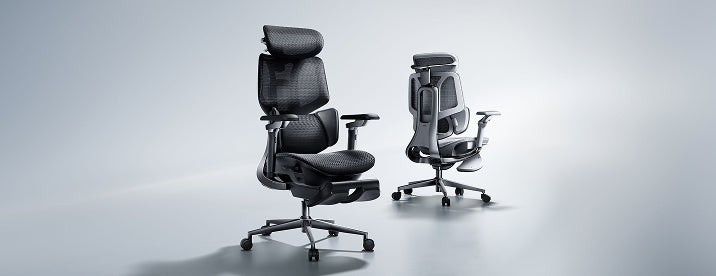
The X7 and E3 Pro both provide broad adjustment ranges, but they take different approaches. The X7 focuses on powered lumbar tracking, while the E3 Pro gives the user more direct mechanical control.
| Adjustment | HBADA X7 Smart | HBADA E3 Pro 2026 |
|---|---|---|
| Seat height | 44.5–53 cm | Approximately 46–52 cm |
| Seat depth | 40.5–45.5 cm | Approximately 45–50 cm |
| Seat width | 52 cm | 51.5 cm |
| Back and lumbar adjustment | Powered tracking, 50 mm front-to-back and 45 mm manual vertical travel | 80 mm backrest lift and 60 mm independent lumbar lift |
| Armrests | 720° range, 110 mm front-to-back and 50 mm height adjustment | 720° dual-rotation armrests with multiple positioning options |
| Recommended user height | 150–195 cm | 155–195 cm |
| Maximum load | 150 kg / 330 lb | 150 kg / 330 lb |
Choose the HBADA X7 Smart Ergonomic Chair if you want powered lumbar tracking that responds as you change position. Its lower minimum seat height may also be helpful for some users with shorter lower legs.
Choose the HBADA E3 Pro 2026 Edition if you prefer to set the backrest and lumbar position manually. Its 80 mm backrest lift and 60 mm independent lumbar adjustment provide useful control for different torso proportions.
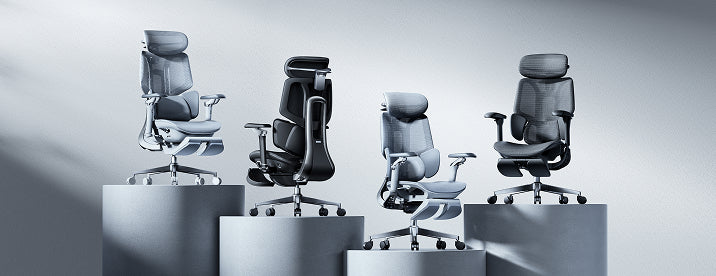
You can also compare the wider HBADA X7 Series, browse the HBADA E3 Series, or review all available office chair models.
Specifications can vary by market, model and configuration. Confirm the current figures on the relevant product page before purchasing.
Limitations and When to Get Help
- Dimensions help predict fit, but they cannot guarantee comfort.
- Try the chair during the applicable return period when possible.
- Very petite, tall or broad users may fall outside a chair's adjustment range.
- Chair height must be considered together with desk and keyboard height.
- Change position regularly instead of relying on one “perfect” posture all day.
If you experience severe, persistent or radiating pain, numbness, weakness or another concerning symptom, consult a qualified healthcare professional. Changing a chair or workstation should not replace medical assessment or treatment.
Conclusion
Height can help you shortlist an office chair, but it cannot finish the job.
Lower-leg length determines whether the feet can be supported. Thigh length affects seat depth. Torso length changes where lumbar and upper-back support should sit. Hip, shoulder and arm position influence the seat, backrest and armrest fit.
Measure those areas, compare them with the chair's adjustment ranges and then test the resulting setup. The best ergonomic office chair is not simply the one labelled for your height. It is the one that can be adjusted to your body and your workstation.
Frequently Asked Questions
Can two people of the same height need different chair settings?
Yes. They may have different lower-leg, thigh, torso, hip and shoulder measurements. As a result, they may need different seat heights, seat depths, lumbar positions and armrest settings despite having the same standing height.
Is popliteal height the same as office chair seat height?
No. Popliteal height is a body measurement taken from the floor to the area behind the knee while seated. Seat height is the chair setting adjusted in relation to that measurement. Shoes, seat compression, desk height and preferred posture can all affect the final setting.
What should I do if I have a long torso but short legs?
Set the seat height for your legs first so that your feet are supported. Then adjust the backrest, lumbar support and headrest separately for your longer torso. If the chair must remain higher to match the desk, use a stable footrest.
Does shoulder width determine office chair seat width?
Not directly. Hip and thigh breadth are more important for seat width. Shoulder breadth is more relevant to backrest space and armrest position. Both should be checked because standing height does not reliably predict either measurement.
How much space should be left behind the knees?
The front edge of the seat should not press into the backs of your knees. A small gap is generally preferable, but the exact clearance depends on the seat shape and your proportions. The back should remain supported while this clearance is maintained.
Are height-based office chair charts useful?
They are useful for creating a shortlist, but they should not be treated as a fit guarantee. After checking the recommended-height range, compare seat height, seat depth, seat width, backrest and armrest adjustment with your own measurements.
Sources
- Canadian Centre for Occupational Health and Safety: Office Ergonomics – Ergonomic Chair
- US Occupational Safety and Health Administration: Computer Workstation Chairs
- UK Health and Safety Executive: Working with Display Screen Equipment
- HBADA X7 Smart Ergonomic Chair specifications
- HBADA E3 Pro Ergonomic Office Chair 2026 Edition specifications