


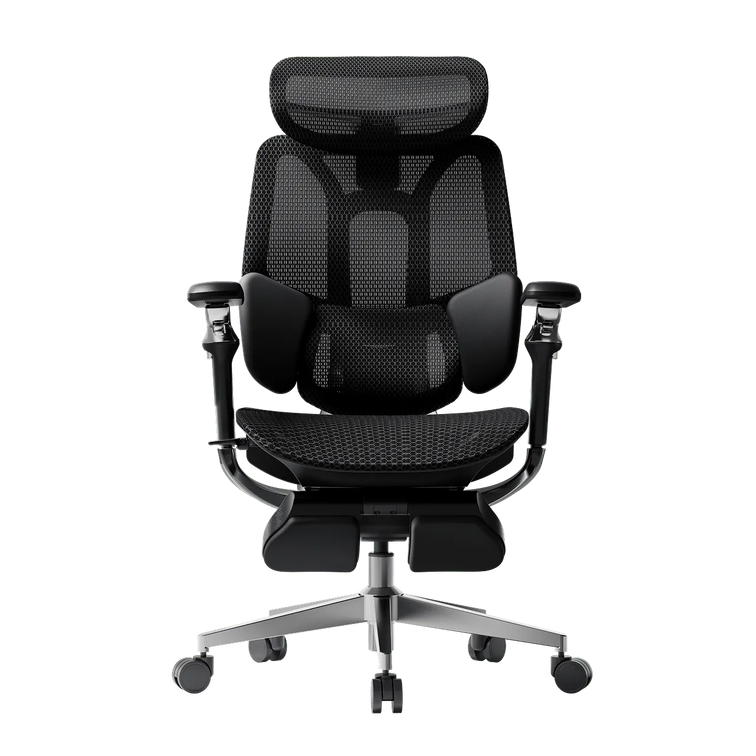
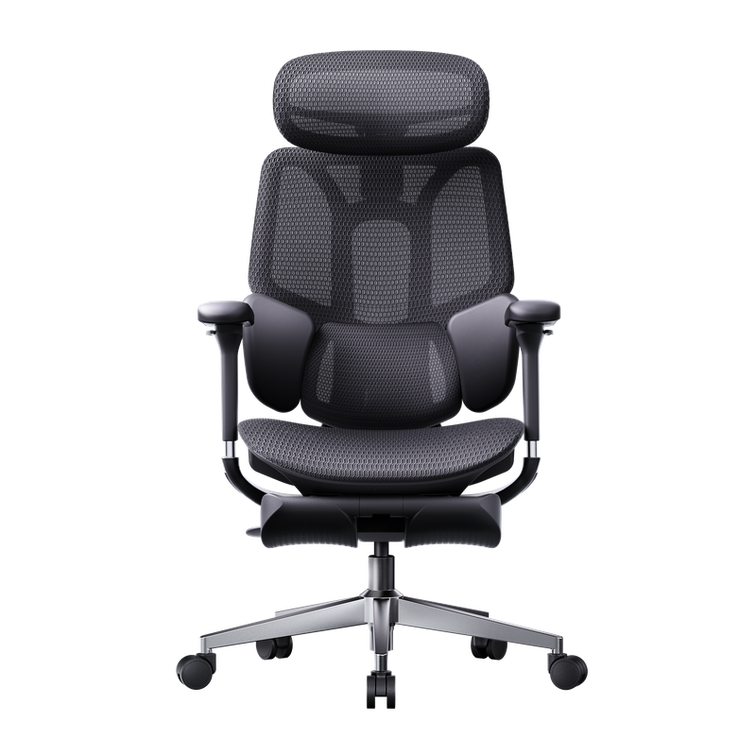
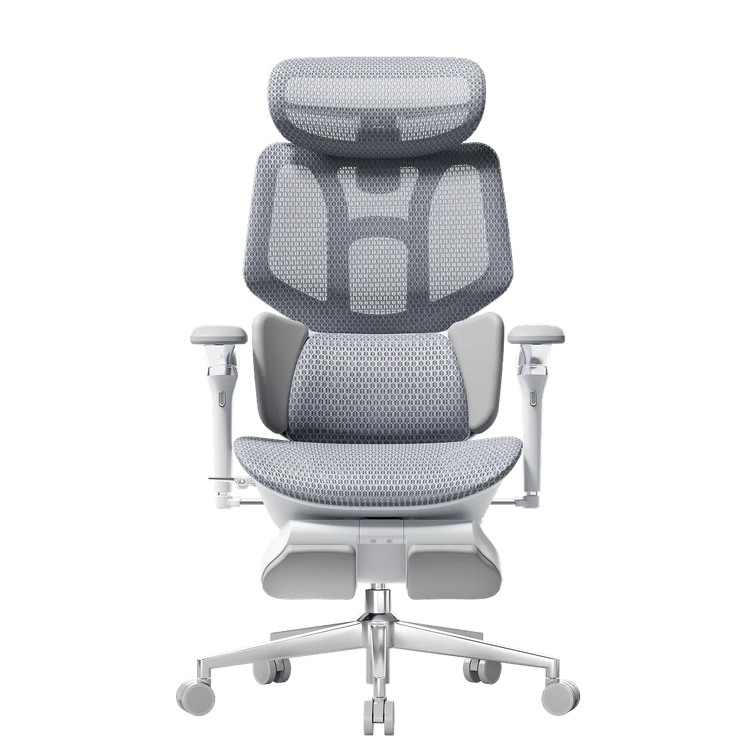
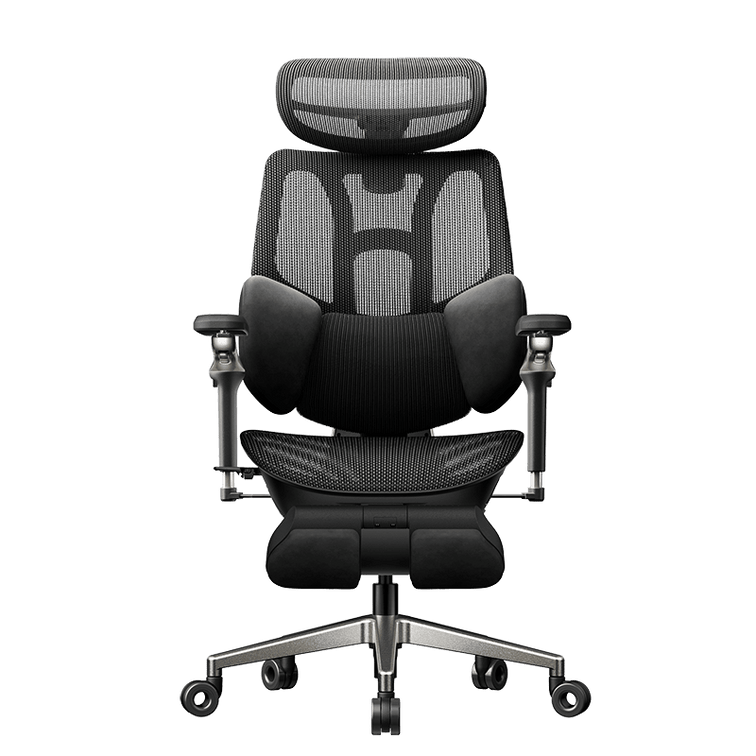
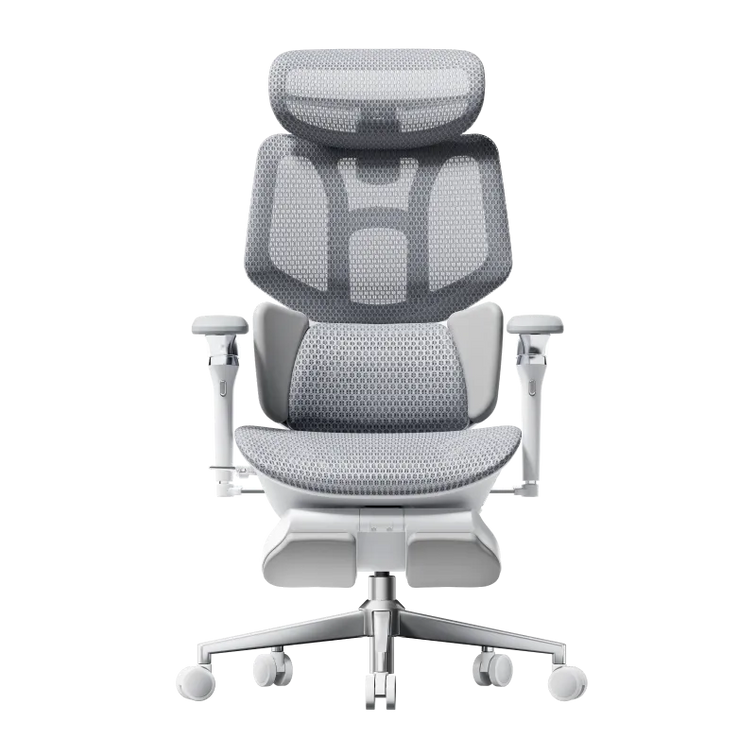
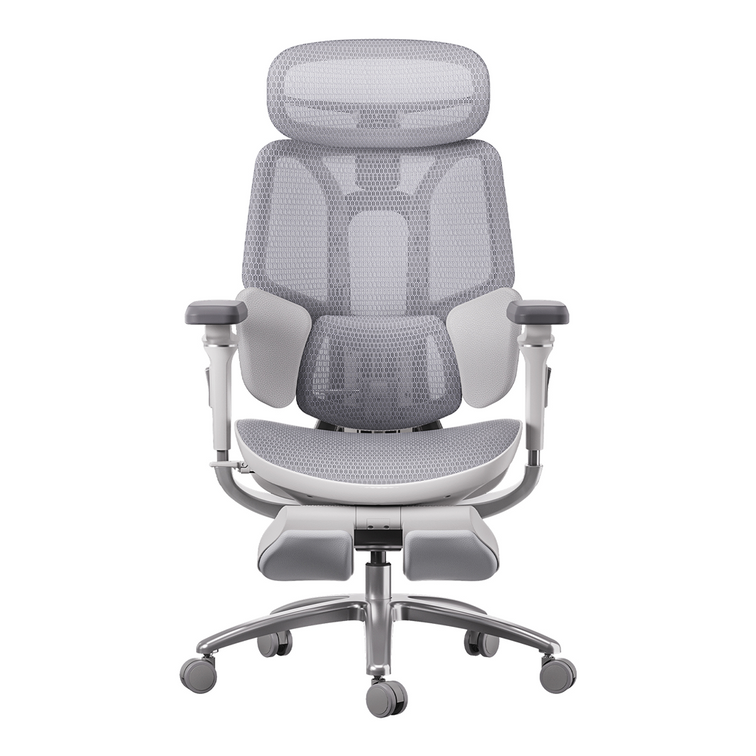
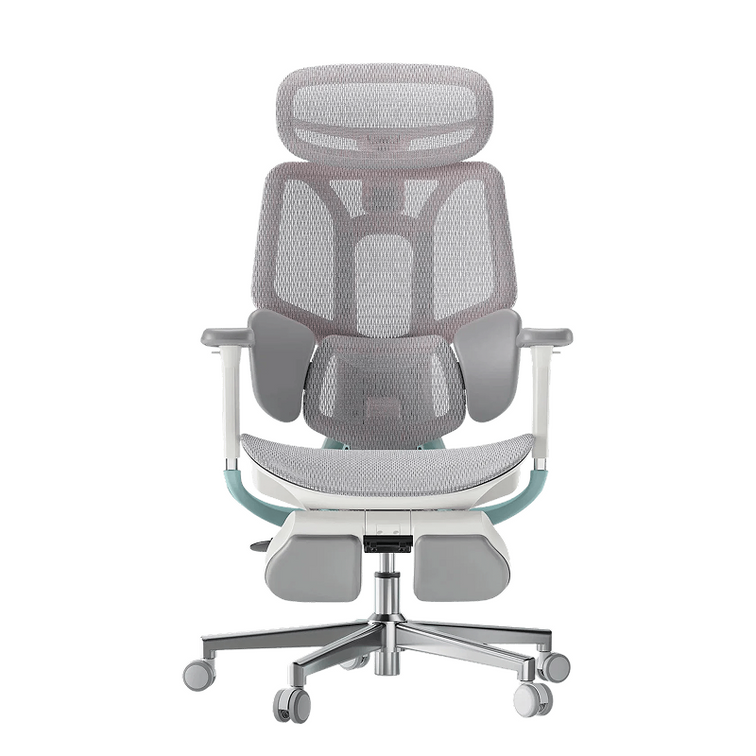
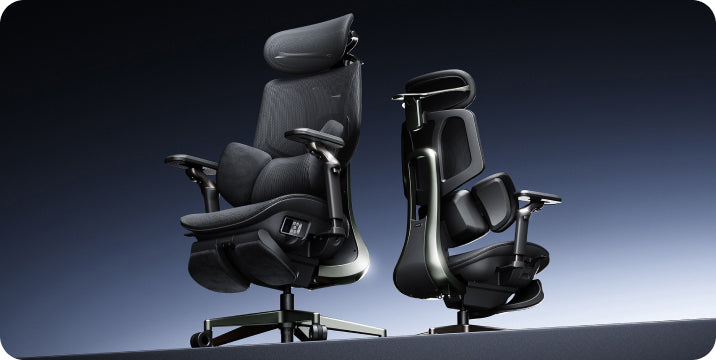


HBADA E3 Pro 2026
World's First 3-Zone Elastic Lumbar with Gliding Sacral.
$519.00
$659.00
SAVE $140.00
Buy Now

Remove this item from your cart?
Cart
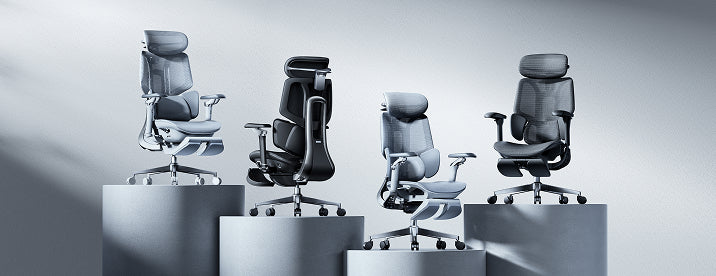
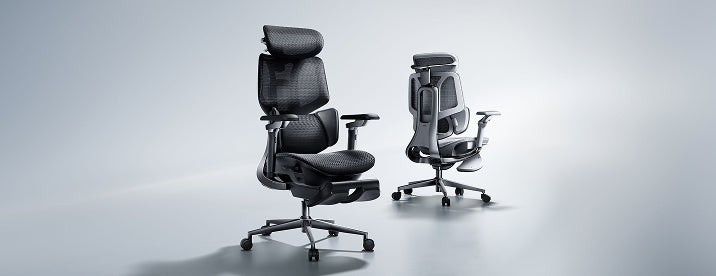
Ergonomic Office Chairs - E3 Series & X7 AI Smart Series
The Pioneer of 3-Zone Adaptive Lumbar Support - engineered for those who sit longer and work smarter.
World's First 3-Zone Elastic Lumbar with Gliding Sacral.

Elite Ergonomic Comfort. Within Reach

Premium comfort, max customization. Futuristic edition.
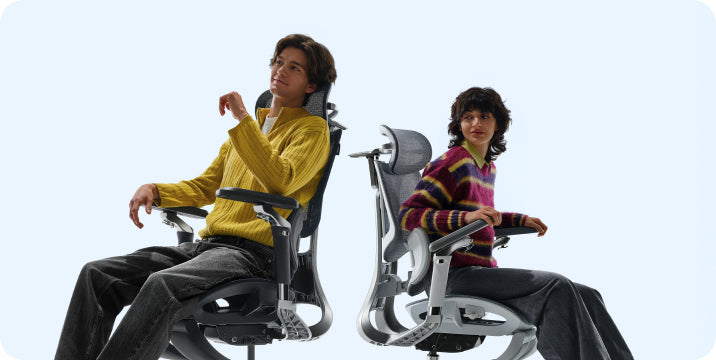
The World's First AI Smart Lumbar-Tracking Chair. Adapts to every movement, in real time.

AI Lumbar Tracking, Effortless Comfort.

AI Lumbar Tracking, Bold & Refined. Enjoy Extra Free Warranty + Comfort Box

Full AI Lumbar Tracking, Lighter Frame.


Ergonomic chairs are specially designed seats that support posture, reduce strain on your back, and enhance comfort during prolonged sitting, making them ideal for office work, remote work, or everyday use.
Chairs with adjustable lumbar support, supportive backrests, and advanced features like massage or therapeutic heating are most effective in helping relieve back pain from long hours of sitting — explore our collection to find the right fit.
Look for adjustable lumbar support, seat height and depth adjustments, breathable materials, and — for advanced comfort — technologies like smart lumbar tracking, bionic massage, or heating elements, like those found in the HBADA X7.
Choosing the right chair depends on your daily sitting hours and specific needs:
• For ultimate back pain relief & 10+ hours of sitting: Choose the X7 Smart Chair (features AI dynamic tracking and massage) or the E3 Pro (features our 3-Zone Lumbar System).
• For standard 8-hour workdays: The E2 Pro or E3 Air offers excellent full-mesh breathability and posture correction.
• For budget-friendly home offices: The P-Series (Task Chairs) provides essential ergonomic support in a compact, stylish design.
Absolutely. In fact, many professional gamers prefer our ergonomic chairs over traditional racing-style gaming chairs. Traditional gaming chairs often lack proper lower back support and trap heat. Hbada chairs offer breathable mesh, 140° deep recline for resting between matches, and multi-dimensional armrests that perfectly support holding a controller or using a mouse.
A breathable mesh chair provides superior temperature control, preventing sweat and discomfort during long working hours. Additionally, our premium 4-way elastic mesh distributes your body weight evenly, reducing pressure on your hips and thighs, whereas traditional leather can wear out, peel, and cause heat buildup.
Yes. We stand behind the quality of our ergonomic furniture. All Hbada chairs come with a comprehensive 5-year warranty covering component defects. We also offer a 30-day risk-free return policy, so you can test the chair in your own home office to ensure it perfectly supports your posture.
Chair specifications can narrow your choices, but they cannot guarantee individual comfort. Compare your body measurements and desk dimensions, then test the chair during the applicable return period.
A suitable office chair for a petite person should have a low minimum seat height, an appropriate seat depth and armrests that can move inward. The user should be able to sit against the lumbar support without the seat edge pressing behind the knees.
Do not choose using recommended height alone. Compare your lower-leg length and thigh length with the chair’s seat-height and seat-depth ranges. If the desk requires a higher chair position, use a stable footrest rather than sitting with unsupported feet.
Chair specifications can identify whether a model is dimensionally compatible, but they cannot predict individual comfort. Mesh firmness, lumbar pressure, seat-edge contact, headrest position and recline resistance feel different to different users.
Use specifications to eliminate unsuitable models, then test the remaining chair during normal work while the applicable return window is open.
Measure the height and width of the open space beneath your desk. Then compare these measurements with the chair’s armrest-height range, seat height and overall width.
Check for drawers, keyboard trays, support beams and thick desktops. If the armrests cannot move low enough, the chair may prevent you from moving close to the desk while keeping your shoulders relaxed.