
Blog

Which HBADA Ergonomic Office Chair Should You Buy? 2026 Comparison

Which HBADA Ergonomic Office Chair Should You Buy? 2026 Comparison

Quick answer: Choose the HBADA X7 Smart if you want automatic lumbar tracking, massage, heating and ventilation. Choose the E3 Pro 2026 for extensive mechanical adjustment without electronics. Choose the E3 Air 2026 for a more accessible everyday chair. Consider the X7 Air when you want X7 technology with a lighter nylon backrest frame.

The right HBADA ergonomic office chair depends on how long you sit, how much control you want and which features you will actually use. A flagship chair is not automatically the best choice for every desk.

Start with your working habits, body measurements and budget. Then compare the individual model specifications instead of choosing by price or product name alone.

How Should You Choose an HBADA Ergonomic Office Chair?

Start with how you work rather than the longest feature list. Four questions narrow the range quickly:

  1. How many hours do you normally sit each day?
  2. Do you want automatic lumbar tracking or manual adjustment?
  3. Will you use features such as massage, heating, ventilation or a footrest?
  4. Do the seat, backrest and height ranges match your body?

People who change position frequently may value responsive lumbar and armrest adjustment. A shared office chair needs broad, easy-to-reset controls. A chair used mainly for short home-office sessions may not need powered comfort features.

An adjustable chair may help you maintain a more comfortable working position, but it cannot replace movement, breaks or medical care.

What Does the 2026 HBADA Range Include?

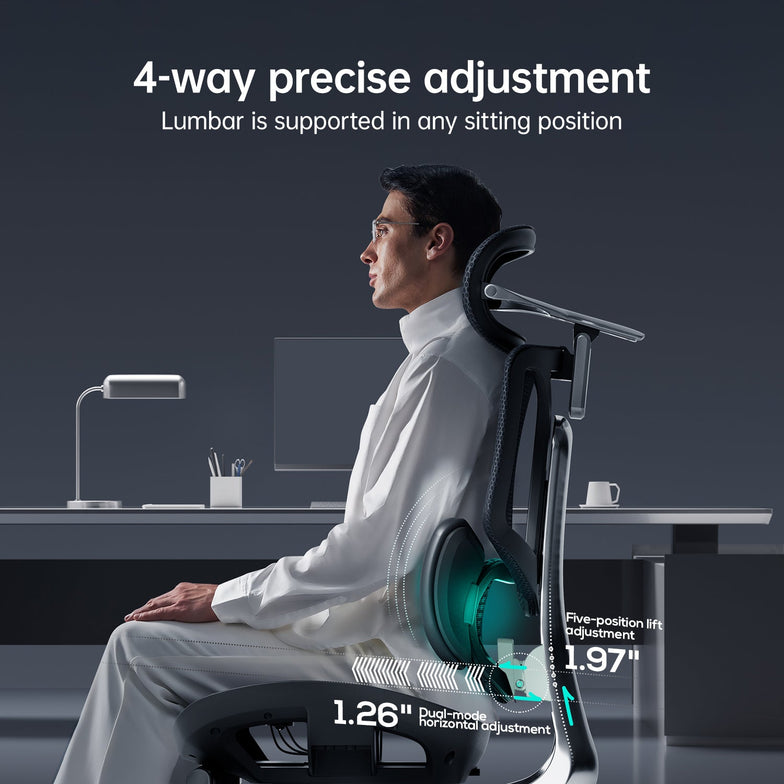
Ergonomic chair lift adjustment feature icon

The X7 Smart Series

The X7 family is HBADA's powered smart-chair range.

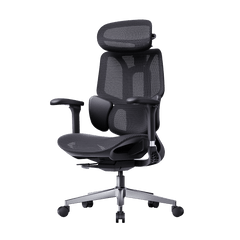
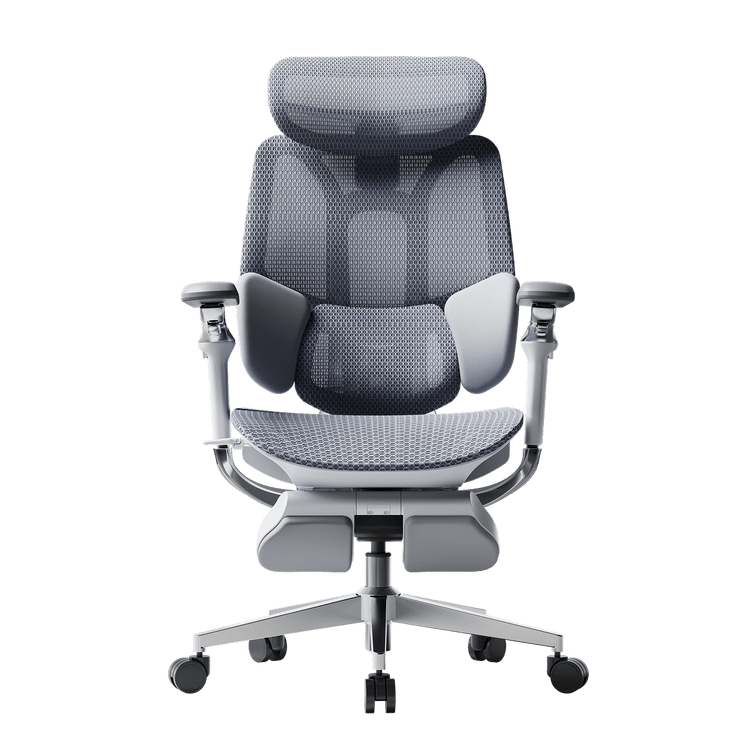
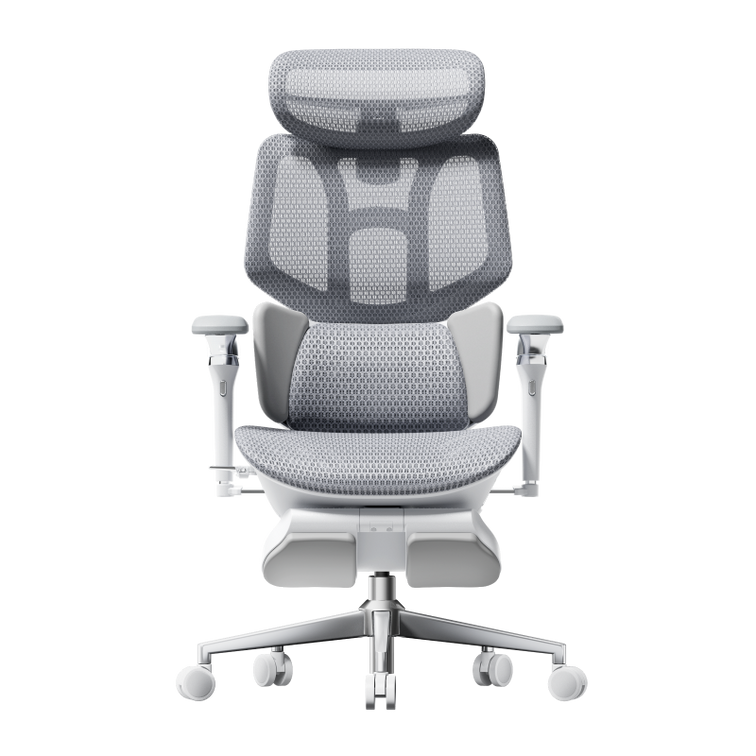
  • HBADA X7 Smart: AI lumbar tracking, bionic massage, heating, seat ventilation, 720° armrests and a pull-out footrest.
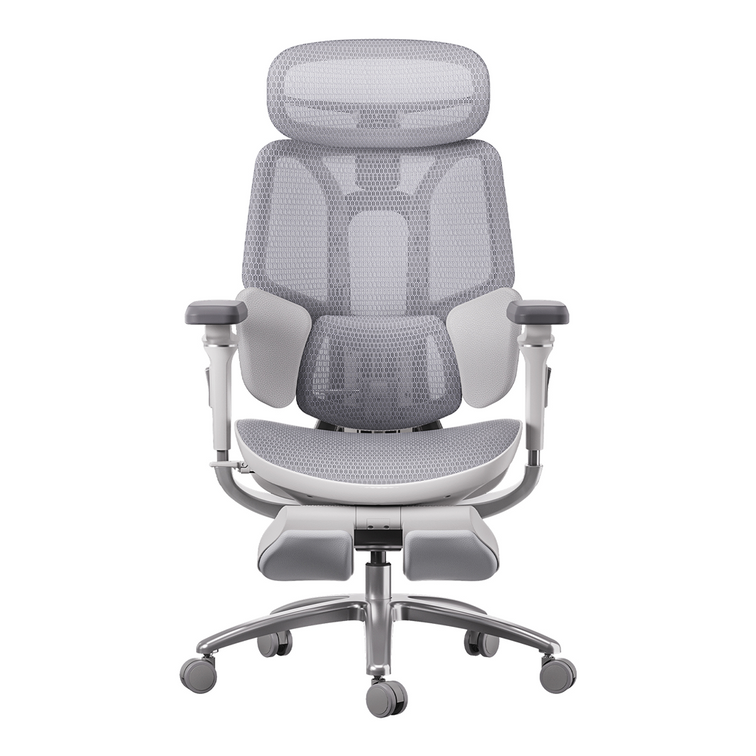
  • X7 Air: Uses the same core ergonomic and smart systems as the standard X7, with a lighter reinforced nylon backrest frame instead of the X7's aluminum-alloy frame.
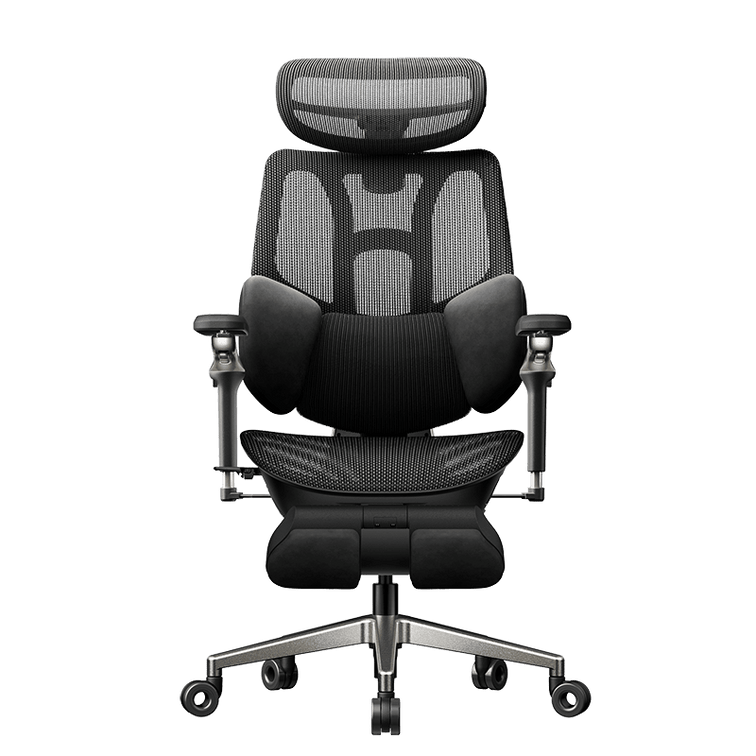
  • X7 Prestige: Adds an aluminum support structure, foldable lumbar wings and Alcantara® performance textiles. Availability may be limited by its launch or pre-order schedule.

Browse the current HBADA X7 Series before ordering because model availability and fulfillment dates can change.

The E3 Series

The E3 family focuses on mechanical adjustment without powered lumbar tracking.

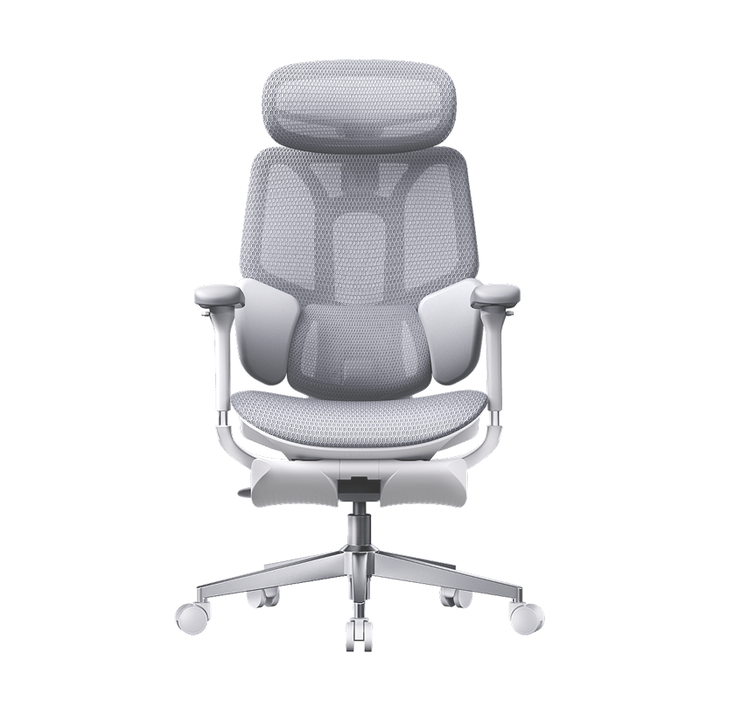
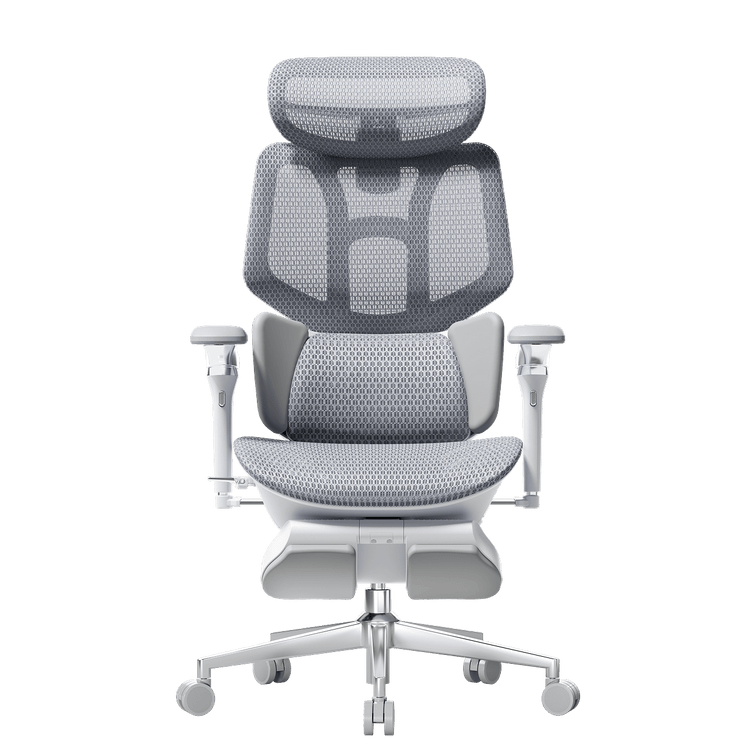
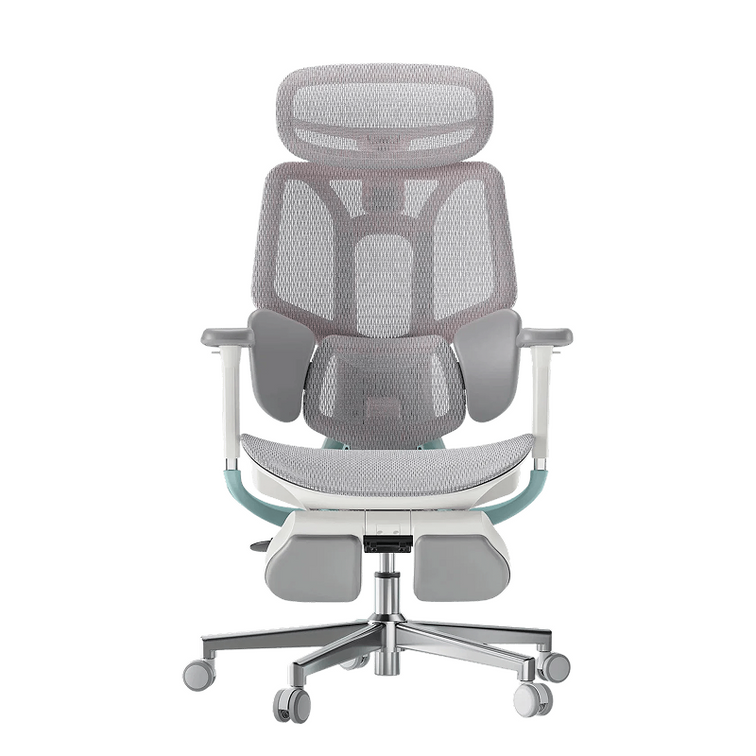
  • E3 Pro 2026: Three-zone adaptive lumbar support, 80 mm backrest lift, 60 mm independent lumbar lift, 720° armrests and an adjustable seat depth.
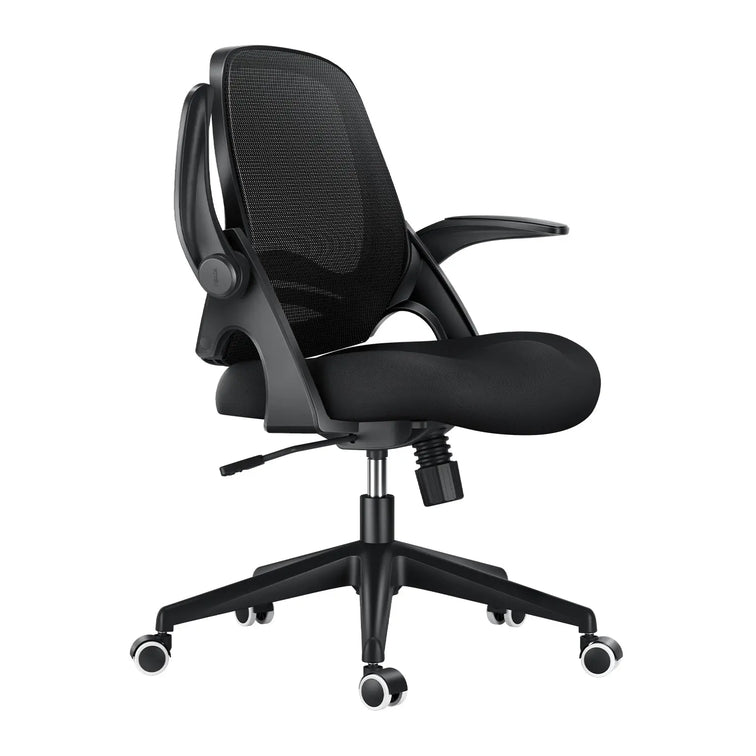
  • E3 Air 2026: Three-zone lumbar support, breathable mesh, adjustable headrest and multi-position armrests at a lower price tier.
  • E3 Ultra: Aluminum-alloy construction, extensive adjustment and a standard footrest. It is currently presented as a final-clearance model, so future availability is not guaranteed.

See the current HBADA E3 Series for available colors, configurations and footrest options.

Which HBADA Model Fits Your Needs?

Priority Recommended model Why it fits
Hands-off lumbar adjustment X7 Smart Powered lumbar tracking responds as your position changes
Extensive manual control E3 Pro 2026 Independent backrest, lumbar, seat and armrest adjustment
Everyday home-office value E3 Air 2026 Core ergonomic adjustment at a lower price tier
Smart functions with a lighter frame X7 Air X7 technology with a reinforced nylon backrest frame
Premium material finish X7 Prestige Alcantara® textiles and premium aluminum structure
Clearance model with a standard footrest E3 Ultra Extensive adjustment, subject to remaining inventory

HBADA X7 Smart vs E3 Pro 2026

These are two of the most frequently compared HBADA chairs, but they solve the adjustment problem differently.

Feature X7 Smart E3 Pro 2026
Lumbar system Powered three-zone tracking Mechanical three-zone adaptive support
Lumbar adjustment 50 mm powered front-to-back travel and 45 mm vertical travel 60 mm independent lift plus adaptive depth and side wings
Seat depth 50 mm slide 50 mm slide
Recline Up to 140° Up to 140°
Footrest Integrated Available on selected configurations
Powered features Massage, heating and ventilation None
Recommended height 150–195 cm 155–195 cm
Maximum load 150 kg / 330 lb 150 kg / 330 lb

Choose the X7 Smart if you want the chair to manage lumbar movement and you expect to use its powered comfort functions. Choose the E3 Pro 2026 if you prefer to set the support yourself and do not want a battery or electronic system.

How to Pick Your Chair in Five Steps

  1. Estimate your normal sitting time. Do not base the decision on your longest occasional workday.
  2. Set a realistic budget. Include only features you expect to use regularly.
  3. Choose automatic or mechanical support. X7 provides powered tracking; E3 focuses on manual adjustment.
  4. Check special requirements. Confirm footrest configuration, material, available colors and desk clearance.
  5. Measure before ordering. Compare your leg, torso and hip measurements with the chair's current product specifications.

Which HBADA Chair Should You Buy?

Best for powered support and comfort technology: Choose the X7 Smart if you want automatic lumbar tracking, massage, heating, ventilation and a built-in footrest.

Best for mechanical adjustment: Choose the E3 Pro 2026 for independent lumbar, backrest, seat and armrest control without electronics.

Best everyday value: Choose the E3 Air 2026 when you need the main ergonomic adjustments but do not need flagship technology.

Best premium finish: Consider the X7 Prestige if Alcantara® materials and its premium aluminum construction matter to you. Check the current fulfillment status before ordering.

Still deciding? Browse the complete HBADA office chair collection and confirm the current price, configuration and availability on the product page.

Limitations and Return Considerations

Adjustable ergonomic office chair for everyday work

  • Specifications help determine dimensional compatibility but cannot guarantee comfort.
  • Prices, availability, model configurations and promotional offers can change.
  • Certification and testing claims should be checked on the individual product page.
  • Keep the original box and protective packaging during the return window.

HBADA US currently accepts eligible return requests within 30 days of delivery, subject to the condition of the chair, the reason for return and the applicable shipping costs. Review the current US return guidance before assembling or returning a chair.

If you experience severe, persistent or radiating pain, numbness or weakness, consult a qualified healthcare professional. A chair is not a medical treatment.

Conclusion

There is no single HBADA chair that is best for everyone. The X7 Smart is the strongest option for powered lumbar tracking and comfort technology. The E3 Pro 2026 provides extensive mechanical control. The E3 Air 2026 covers everyday home-office needs at a more accessible level.

Choose by working pattern and body measurements, then confirm the exact configuration on the live product page.

Frequently Asked Questions

Which HBADA chair is best for long workdays?

The X7 Smart and E3 Pro 2026 provide the broadest support systems in the current range. Choose the X7 for powered lumbar tracking and comfort features, or the E3 Pro for mechanical adjustment without electronics.

What is the main difference between the X7 Smart and E3 Pro?

The X7 Smart adjusts lumbar support through a powered tracking system and includes massage, heating and ventilation. The E3 Pro uses a mechanical three-zone system that the user adjusts directly.

Which models offer a footrest?

The X7 Smart includes a pull-out footrest. E3 Pro and E3 Air are offered in selected configurations with or without a footrest. The E3 Ultra includes one as standard on the current clearance model.

Can I judge fit from height alone?

No. Recommended height is only a shortlist. Seat height, seat depth, lumbar position, torso length and hip width also affect fit.

Can I return a chair if it does not fit?

Eligible US returns may be requested within 30 days of delivery, but product condition, packaging and return-shipping costs matter. Check the current return policy before ordering.

Sources

Relevant Product

You May Also Like

Why Height Alone Cannot Determine Office Chair Fit- All the things you need to know Why Height Alone Cannot Determine Office Chair Fit- All the things you need to know Quick answer: Height is only a starting point when choosing an ergonomic office chair. Two people of the same height can have different lower-leg, thigh, torso, hip and shoulder measurements. A chair fits when its seat height, seat depth, backrest, lumbar support and armrests can be adjusted to those individual proportions. Most chair size guides begin with height. It is convenient, but it does not tell the whole story. Someone who is 175 cm tall may have relatively long legs and a short torso. Another person of exactly the same height may have shorter legs and a longer torso. Give them the same chair settings and one may have unsupported feet while the other finds the lumbar support sitting too low. The better approach is to use height to create a shortlist, then check whether the chair's adjustment ranges match the parts of your body that actually contact it. Table of Contents Why height is not enough How leg length affects seat height and depth How torso length affects back and lumbar support How hip and shoulder width affect chair fit Body segment-to-adjustment table How to measure your proportions HBADA X7 vs E3 Pro fit comparison Limitations and when to get help Frequently asked questions Why Does Height Alone Fail to Predict Chair Fit? Standing height is one measurement. Chair fit depends on several. The Canadian Centre for Occupational Health and Safety notes that one chair does not fit everyone because users' body dimensions vary. It also describes chair height calculated from total body height as only a rule of thumb because the ratio between torso and leg length can differ widely. This is why a label such as “suitable for users from 155 to 195 cm” should not be treated as a complete fit guarantee. It tells you who may fall within the chair's general range, but it does not tell you whether the seat is short enough for your thighs, the lumbar support reaches your lower back or the armrests align with your elbows. A genuinely adjustable ergonomic office chair gives you several independent settings so that one body proportion does not dictate all the others. How Does Leg Length Change Seat Height and Seat Depth? Leg length affects two separate chair settings: lower-leg length influences seat height, while thigh length influences seat depth. Lower-leg length and seat height When the seat is at a suitable height, your feet should be supported by the floor or a footrest without excessive pressure underneath your thighs. Your knees can remain around hip level or slightly below it, depending on your preferred posture. A seat that is too high can leave your feet hanging and place pressure behind the knees. A seat that is too low may push the knees upward and make it harder to use a standard-height desk comfortably. The US Occupational Safety and Health Administration advises that the whole sole of the foot should be able to rest on the floor. If the chair cannot be lowered enough while keeping the desk and keyboard at a workable height, a footrest can provide stable support. Thigh length and seat depth Seat depth determines how much of your thighs the seat supports. A seat that is too deep can press against the area behind the knees or prevent you from using the backrest. A seat that is too shallow may leave too much of the thighs unsupported. A practical starting point is to sit against the backrest and check the space between the seat edge and the backs of your knees. You should have a small clearance rather than direct pressure from the seat edge. A sliding seat makes this easier to adjust for both short and long thighs. This explains why two colleagues of equal height may need different settings: the person with longer legs may raise and extend the seat, while the person with shorter legs may lower and shorten it. How Does Torso Length Change Backrest and Lumbar Height? Torso length influences where the backrest, lumbar support and headrest meet your body. A person with a longer seated torso will usually need these support points positioned higher. Someone with a shorter torso may need them lower, even when both people have the same standing height. Lumbar support should meet the inward curve of the lower back rather than pushing into the pelvis or the middle of the back. The exact position is personal, so use the adjustment range to find a supportive setting instead of forcing your body to match a preset height chart. The same principle applies to the headrest. It should support the head or upper neck in the posture for which it was designed without pushing the head noticeably forward. The HBADA E3 Pro 2026 Edition provides 80 mm of backrest-height adjustment and 60 mm of independent lumbar-height adjustment. The HBADA X7 Smart Ergonomic Chair instead uses a powered lumbar system that responds as the user's position changes. These features may help users find a more comfortable sitting position, but an ergonomic chair is not a medical treatment. How Do Hip and Shoulder Width Affect Office Chair Fit? Height provides very little information about body width. Hip and thigh breadth are the main measurements to consider when checking seat width. The seat should provide enough room to sit and change position without its frame pressing against the sides of the body. Shoulder breadth relates more closely to the width and shape of the backrest. It also affects where the arms naturally fall. If armrests are too close together, a broader user may have to pull the shoulders inward. If they are too far apart, a narrower user may reach outward to use them. Armrests should support the forearms while allowing the shoulders to remain relaxed. They also need to move out of the way when necessary so that the chair can approach the desk without forcing the user to lean forward. Body Segment to Chair Adjustment Body segment What it affects Relevant chair adjustment Lower-leg length Foot support and thigh angle Seat height or footrest Thigh length Support beneath the thighs and knee clearance Seat depth Seated torso length Position of back, lumbar and head support Backrest, lumbar and headrest height Hip and thigh breadth Space on the seat Seat width Shoulder breadth and arm position Backrest space and forearm support Backrest width and armrest span Notice that overall height does not map neatly to any single chair control. It remains useful for narrowing the range, but the final settings should come from the individual measurements above. How to Measure Your Own Proportions You need a firm chair, a tape measure and, ideally, another person to read the measurements. Wear the type of shoes you normally use at your desk. Measure lower-leg height. Sit with your feet supported and measure from the floor to the crease behind your knee. Measure thigh length. Measure horizontally from the back of your buttocks to the crease behind your knee. Measure seated torso length. Sit upright and measure from the seat surface near your hip to the top of your shoulder. Measure hip breadth. Measure across the widest part of your hips or thighs while seated. Check your natural elbow position. Relax your shoulders and bend your elbows. Note where your forearms fall instead of lifting or spreading them to reach the armrests. Compare each measurement separately. Check the chair's seat-height, depth, width, backrest and armrest ranges rather than relying on one recommended-height figure. Fit check: After adjusting the chair, confirm that your feet are supported, the seat edge does not press behind your knees, the lumbar support meets your lower back and your shoulders remain relaxed while typing. Which HBADA Chair Covers Your Proportions? The X7 and E3 Pro both provide broad adjustment ranges, but they take different approaches. The X7 focuses on powered lumbar tracking, while the E3 Pro gives the user more direct mechanical control. Adjustment HBADA X7 Smart HBADA E3 Pro 2026 Seat height 44.5–53 cm Approximately 46–52 cm Seat depth 40.5–45.5 cm Approximately 45–50 cm Seat width 52 cm 51.5 cm Back and lumbar adjustment Powered tracking, 50 mm front-to-back and 45 mm manual vertical travel 80 mm backrest lift and 60 mm independent lumbar lift Armrests 720° range, 110 mm front-to-back and 50 mm height adjustment 720° dual-rotation armrests with multiple positioning options Recommended user height 150–195 cm 155–195 cm Maximum load 150 kg / 330 lb 150 kg / 330 lb Choose the HBADA X7 Smart Ergonomic Chair if you want powered lumbar tracking that responds as you change position. Its lower minimum seat height may also be helpful for some users with shorter lower legs. Choose the HBADA E3 Pro 2026 Edition if you prefer to set the backrest and lumbar position manually. Its 80 mm backrest lift and 60 mm independent lumbar adjustment provide useful control for different torso proportions. You can also compare the wider HBADA X7 Series, browse the HBADA E3 Series, or review all available office chair models. Specifications can vary by market, model and configuration. Confirm the current figures on the relevant product page before purchasing. Limitations and When to Get Help Dimensions help predict fit, but they cannot guarantee comfort. Try the chair during the applicable return period when possible. Very petite, tall or broad users may fall outside a chair's adjustment range. Chair height must be considered together with desk and keyboard height. Change position regularly instead of relying on one “perfect” posture all day. If you experience severe, persistent or radiating pain, numbness, weakness or another concerning symptom, consult a qualified healthcare professional. Changing a chair or workstation should not replace medical assessment or treatment. Conclusion Height can help you shortlist an office chair, but it cannot finish the job. Lower-leg length determines whether the feet can be supported. Thigh length affects seat depth. Torso length changes where lumbar and upper-back support should sit. Hip, shoulder and arm position influence the seat, backrest and armrest fit. Measure those areas, compare them with the chair's adjustment ranges and then test the resulting setup. The best ergonomic office chair is not simply the one labelled for your height. It is the one that can be adjusted to your body and your workstation. Frequently Asked Questions Can two people of the same height need different chair settings? Yes. They may have different lower-leg, thigh, torso, hip and shoulder measurements. As a result, they may need different seat heights, seat depths, lumbar positions and armrest settings despite having the same standing height. Is popliteal height the same as office chair seat height? No. Popliteal height is a body measurement taken from the floor to the area behind the knee while seated. Seat height is the chair setting adjusted in relation to that measurement. Shoes, seat compression, desk height and preferred posture can all affect the final setting. What should I do if I have a long torso but short legs? Set the seat height for your legs first so that your feet are supported. Then adjust the backrest, lumbar support and headrest separately for your longer torso. If the chair must remain higher to match the desk, use a stable footrest. Does shoulder width determine office chair seat width? Not directly. Hip and thigh breadth are more important for seat width. Shoulder breadth is more relevant to backrest space and armrest position. Both should be checked because standing height does not reliably predict either measurement. How much space should be left behind the knees? The front edge of the seat should not press into the backs of your knees. A small gap is generally preferable, but the exact clearance depends on the seat shape and your proportions. The back should remain supported while this clearance is maintained. Are height-based office chair charts useful? They are useful for creating a shortlist, but they should not be treated as a fit guarantee. After checking the recommended-height range, compare seat height, seat depth, seat width, backrest and armrest adjustment with your own measurements. Sources Canadian Centre for Occupational Health and Safety: Office Ergonomics – Ergonomic Chair US Occupational Safety and Health Administration: Computer Workstation Chairs UK Health and Safety Executive: Working with Display Screen Equipment HBADA X7 Smart Ergonomic Chair specifications HBADA E3 Pro Ergonomic Office Chair 2026 Edition specifications Best HBADA Office Chairs for Long Hours and Back Pain Relief (2026) Best HBADA Office Chairs for Long Hours and Back Pain Relief (2026) Updated August 2026 Eight hours at a desk has a way of exposing every weakness in a chair. A backrest that felt acceptable in the morning may feel unsupportive by mid-afternoon, while poorly positioned armrests can leave your shoulders doing more work than they should. Quick Answer There is no single best office chair for every long-hour user. The HBADA X7 is the strongest match for people who want automatically adjusting lumbar support. The E3 Pro focuses on precise, multi-zone lower-back adjustment. The E3 Ultra is better suited to users who value a footrest and deeper recovery breaks, while the E3 Air covers the essential ergonomic adjustments at a more accessible level. This guide compares the main differences without assuming that the most expensive or feature-heavy model is automatically the right one. For a broader buying checklist, see our ergonomic office chair buying guide . Table of Contents What matters during long workdays? Quick model comparison HBADA X7: automatic lumbar adjustment HBADA E3 Pro: targeted lumbar adjustment HBADA E3 Ultra: recline and recovery breaks HBADA E3 Air: practical everyday support How to choose the right model How to set up your chair When to seek medical advice Frequently asked questions What Matters During Long Workdays? The word “ergonomic” on its own does not tell you whether a chair will fit your body or remain comfortable throughout the day. Fit and adjustability matter more than the label. OSHA’s computer workstation guidance recommends looking at the backrest, seat, armrests and base together. That is a useful way to assess a chair because one adjustment cannot compensate for an otherwise poor fit. Lumbar support: It should meet the natural curve of your lower back without feeling like a hard point pressing into it. Seat height and depth: Your feet should be supported, and the seat edge should not press into the backs of your knees. Recline: Changing position during the day is generally more useful than trying to hold one “perfect” posture for hours. Armrest adjustment: Your forearms should be supported without forcing your shoulders upward. Breathability: Mesh and ventilated surfaces can make long sessions more comfortable in warmer rooms. Stable construction: The chair should feel secure during movement, recline and everyday use. HBADA Chair Comparison for Long Hours Model Best suited to Lumbar approach Break and comfort features Consider before buying HBADA X7 Users who want support that adjusts with less manual input Smart lumbar tracking and automatic adjustment Ventilated seat, massage functions and broad adjustability More functions mean more controls and a higher price tier HBADA E3 Pro Users who want detailed mechanical lumbar adjustment Three-zone adaptive lumbar support Multi-position recline and highly adjustable armrests Lumbar settings still need to be adjusted to the individual user HBADA E3 Ultra Users who take reclined recovery breaks during the day Three-zone elastic lumbar support Deep recline and an integrated footrest The footrest is useful for breaks, not a substitute for regular movement HBADA E3 Air Users who want the main ergonomic adjustments without smart functions Adjustable lumbar support Breathable mesh and adjustable upper-body support Offers fewer automated and recovery-focused features HBADA X7: Automatic Lumbar Adjustment Most people do not remain in one position for an entire workday. They lean forward to type, turn during calls and recline while reading. This is where the X7’s smart lumbar system is most relevant: it is designed to follow changes in sitting position instead of relying only on one manually fixed setting. The model also combines a ventilated seat, massage functions, adjustable head support and 720° armrests. Those features make the X7 particularly relevant for long desk sessions in which cooling, arm positioning and changes of posture all matter. The X7 is not automatically the correct chair for everyone. Someone who prefers simple mechanical controls may not need its additional technology. Users should also check the current dimensions, recommended height range and available configuration before ordering. View the HBADA X7 Owners can also consult the HBADA X7 charging and battery guide for information about its powered functions. HBADA E3 Pro: Targeted Lumbar Adjustment The E3 Pro takes a more mechanical approach. Its three-zone lumbar system is designed to support the centre and sides of the lower back, allowing users to fine-tune the contact rather than depend on a single lumbar pad. This can be useful for someone who already knows where they prefer more or less support. The chair also offers multi-position recline and extensively adjustable armrests, helping it adapt between typing, reading and relaxed sitting. It is better to describe the E3 Pro as a chair for targeted lumbar support, not as a treatment for back pain. The right setting still depends on the user’s height, body proportions, desk height and sitting habits. View the HBADA E3 Pro HBADA E3 Ultra: Recline and Recovery Breaks A long workday should not mean staying upright and motionless for eight hours. The E3 Ultra is the more break-oriented option in this comparison, combining adjustable lumbar support with deeper recline and an integrated footrest. That setup is useful for short periods of reading, taking a call or reclining between focused tasks. It does not replace standing, walking or changing position, but it gives users another supported posture when they need a brief pause. Because the E3 Ultra is available in different configurations, check the selected model, colour and footrest option on the product page before purchasing. View the HBADA E3 Ultra HBADA E3 Air: Practical Everyday Support Not every buyer needs automatic lumbar tracking, massage or a footrest. The E3 Air is intended for people who mainly want an adjustable, breathable office chair for everyday desk work. Its mesh construction helps with airflow, while the lumbar, headrest and armrest adjustments cover the areas most users need to configure. It has fewer advanced functions than the X7 and fewer break-focused features than the E3 Ultra, but that simpler design may be exactly what some home offices require. View the HBADA E3 Air How to Choose the Right Model Start with the problem you are trying to solve rather than the longest feature list. Choose the X7 if you want lumbar support that responds automatically as your position changes. Choose the E3 Pro if you prefer detailed mechanical control over lower-back support. Choose the E3 Ultra if a footrest and supported reclining breaks are important to you. Choose the E3 Air if you want breathable, adjustable everyday seating without paying for functions you may not use. Before deciding, compare seat height, seat depth, overall dimensions, weight capacity and recommended user height. Those measurements are often more important than small differences in the number of adjustment settings. How to Set Up an Office Chair for Long Hours Sit fully against the backrest before positioning the lumbar support. Adjust the seat so your feet rest flat on the floor or on a stable footrest. Leave a small gap between the seat edge and the backs of your knees. Position the armrests so your shoulders remain relaxed and your elbows stay close to your body. Use a slight recline when comfortable instead of forcing yourself to remain perfectly upright. Recheck the settings when your task changes, especially when moving between typing, reading and reclining. Stand up and move regularly. No chair removes the need for movement. Maintenance also affects long-term comfort. A worn seat, loose armrest or unstable mechanism may change how the chair supports you. Our guide to how long an office chair lasts explains what to monitor over time. Health note: An appropriately fitted chair may help reduce strain associated with poor workstation positioning, but an ergonomic chair does not diagnose, treat or cure back pain. Persistent, severe, worsening or radiating pain should be discussed with a qualified doctor or physiotherapist. Frequently Asked Questions Which HBADA chair is best for long working hours? The X7 is the strongest match for users who want automatic lumbar adjustment. The E3 Pro may be more suitable for people who prefer detailed mechanical control, while the E3 Air provides a simpler everyday option. Body fit should remain the deciding factor. Which HBADA chair offers the most targeted lumbar adjustment? The E3 Pro uses a three-zone adaptive lumbar system intended to provide adjustable support across the centre and sides of the lower back. Is the HBADA X7 worth considering for an eight-hour workday? It may be a good fit if you value automatic lumbar tracking, ventilation and other powered comfort functions. Buyers who prefer a simpler chair may find that a mechanically adjustable E3 model meets their needs. Which HBADA ergonomic office chair includes a footrest? The E3 Ultra is available with an integrated footrest and is the most break-oriented option in this comparison. Always verify the selected variant because configurations can differ. Do I need an expensive chair for long hours? Not necessarily. Correct dimensions and useful adjustments matter more than price alone. The E3 Air covers the main ergonomic fundamentals for users who do not need smart tracking, massage or an integrated footrest. Can an ergonomic chair fix back pain? No. A properly adjusted chair may help reduce strain and support a more comfortable working posture, but it is not a medical treatment. Ongoing or severe pain requires professional assessment. Final Thoughts The best office chair for long hours is the one that fits your body, supports the tasks you perform and remains easy to adjust throughout the day. For some users that will be the automated X7. Others may prefer the precise mechanical support of the E3 Pro, the recovery-focused E3 Ultra or the simpler E3 Air. Whichever model you choose, take time to set it up properly and keep moving during the day. A good chair can support better working habits, but it cannot replace them. Product specifications, configurations, prices and availability may change. Confirm the current information on the relevant HBADA product page before purchasing. Why Lumbar Support Matters: HBADA's Guide to Better Back Health (2026) Why Lumbar Support Matters: HBADA's Guide to Better Back Health (2026) Updated for 2026 If you sit for work, you have probably heard the phrase “lumbar support” many times. But what does lumbar support actually do, and how can you tell whether it is correctly positioned? Lumbar support is designed to meet the natural inward curve of the lower back. When it fits your body and is adjusted correctly, it can support a more neutral sitting position and may reduce discomfort associated with prolonged, unsupported sitting. It is not simply extra cushioning, and it is not a medical treatment. Quick Answer Properly positioned lumbar support helps maintain contact between the backrest and the natural curve of the lower spine. It may reduce slouching, muscular effort and sitting-related discomfort. Dynamic lumbar support can maintain more consistent contact as the user leans or reclines, while static support remains in one fixed position. Table of Contents What Lumbar Support Actually Does Practical Lumbar Support Benefits Static vs. Dynamic Lumbar Support How HBADA Lumbar Systems Work How to Adjust Lumbar Support What Lumbar Support Cannot Do Frequently Asked Questions Final Thoughts What Lumbar Support Actually Does The human spine is not completely straight. The lumbar region has a natural inward curve that helps distribute load through the lower back. During prolonged sitting, some people gradually move away from the backrest, rotate the pelvis backwards or begin to slouch. When the lumbar area is left unsupported, the muscles around the lower back may have to work harder to maintain the sitting position. A correctly positioned lumbar support fills the space between the lower back and the chair, helping the backrest support more of the body’s weight. The US Occupational Safety and Health Administration recommends a backrest that conforms to the natural curvature of the spine and provides adequate lumbar support. It also notes that adjustability helps a chair support different users and different seated positions. See the OSHA computer workstation chair guidance for further information. Practical Lumbar Support Benefits 1. Supports a More Neutral Sitting Position Lumbar support can make it easier to keep the lower back in contact with the backrest. This does not mean that you must hold one rigid posture all day. Instead, the goal is to begin from a balanced position while retaining the ability to move, recline and change posture. 2. May Reduce Sitting-Related Lower-Back Discomfort A chair cannot treat an underlying spinal condition. However, correctly positioned support may reduce the discomfort associated with prolonged sitting in an unsupported or awkward position. If lower-back discomfort is an important consideration, review this guide to choosing an office chair for lower-back support . The article discusses chair features and sitting adjustments, but it should not replace advice from a qualified healthcare professional. 3. Reduces the Need for Constant Posture Correction Without suitable back support, some users repeatedly sit forward, slouch or shift position in search of comfort. An appropriately adjusted lumbar system can provide a stable reference point for the lower back, reducing the need to make the same manual correction again and again. 4. May Reduce Muscular Fatigue When a backrest supports the body effectively, the muscles of the lower back do not have to carry the entire postural load. This may make extended desk sessions feel less physically demanding, although individual results depend on body dimensions, chair fit, working habits and existing health conditions. 5. Supports More Than One Sitting Position A useful ergonomic chair should support posture changes instead of forcing the user to remain completely still. Adjustable or dynamic lumbar systems can be especially useful for people who alternate between typing, reading, video meetings and a slightly reclined position. The main lumbar support benefits are: More consistent contact with the lower back Support for the spine’s natural lumbar curve Less reliance on muscular effort to remain upright Reduced slouching during prolonged desk work Greater comfort when changing between supported sitting positions Static vs. Dynamic Lumbar Support Support Type How It Works Potential Advantage What to Check Static lumbar support Remains in one position after it has been adjusted. Simple, predictable support for a preferred upright position. Make sure its height and depth fit the curve of your lower back. Dynamic lumbar support Moves or flexes as the user changes position. Can maintain more consistent contact while leaning or reclining. The movement should feel supportive without pushing you forward. Powered lumbar tracking Uses sensors and powered adjustment to respond to posture changes. Reduces the need for repeated manual readjustment. Confirm the adjustment range, controls and power requirements. Static lumbar support can work well when it is correctly positioned and the user remains in a relatively consistent working posture. Dynamic systems may be more suitable for users who move frequently or use several recline positions during the day. Neither system is automatically better for everyone. The most important factors are fit, adjustability and whether the support remains comfortable during the positions you actually use. How HBADA Lumbar Systems Work HBADA uses different lumbar-support approaches across its chair ranges. Buyers should compare the specifications of the exact model and variant rather than assuming that every HBADA chair uses the same mechanism. HBADA E3 Pro: Mechanical 3-Zone Support The HBADA E3 Pro uses a mechanical three-zone lumbar design intended to support the centre and sides of the lower back. Its moving sections are designed to maintain contact as the user changes position or reclines. This approach may suit users who prefer targeted lower-back contact and manual adjustment rather than a powered system. View the HBADA E3 Pro ergonomic office chair for current specifications, available configurations and regional stock. HBADA X7: Powered Lumbar Tracking The HBADA X7 Smart Ergonomic Office Chair uses pressure sensing and powered adjustment to respond as the user changes posture. According to the current HBADA product specifications, the system is designed to adjust lumbar-support depth automatically instead of requiring repeated manual changes. The X7 also includes adjustable seat depth, a 4D dual-axis headrest, adjustable arm support and controlled recline. These features allow the lumbar system to work as part of a more complete chair setup rather than as an isolated cushion. Automatic tracking may be useful for users who move regularly between upright and reclined positions. It does not guarantee relief from back pain, and the chair still needs to fit the user’s height, seat-depth requirements and preferred working position. How to Adjust Lumbar Support Correctly   Even an advanced lumbar system can feel ineffective when the rest of the chair is not properly adjusted. Use this sequence: Sit fully against the backrest. Position your hips towards the rear of the seat before changing the lumbar support. Set the seat height. Keep your feet supported by the floor or a suitable footrest, with your knees close to hip level. Check the seat depth. Leave a small, comfortable space between the seat edge and the backs of your knees. Position the lumbar support. It should meet the inward curve of your lower back rather than pressing into the pelvis or upper back. Begin with moderate pressure. Increase the depth gradually. More pressure does not automatically mean better support. Relax your shoulders. Adjust the armrests so that they support your forearms without forcing your shoulders upwards. Test more than one position. Type, read and recline briefly to confirm that the support remains comfortable during normal movement. Recheck the setup. Small adjustments may be necessary after several working sessions. For a broader setup process, read how to adjust an ergonomic chair for better comfort . What Lumbar Support Cannot Do Important: Lumbar support may improve sitting comfort and reduce strain associated with unsupported posture, but it cannot diagnose, treat or cure a herniated disc, sciatica, chronic back pain or another medical condition. A chair also cannot replace movement. Remaining in any single position for an extended period can become uncomfortable, even when the chair is properly adjusted. Combine supportive seating with regular standing, walking and gentle movement breaks. If you have persistent, severe or worsening pain, numbness, weakness or symptoms that travel into the leg, consult a qualified doctor or physiotherapist. Product information should not be used as a substitute for individual medical advice. Frequently Asked Questions What are the main lumbar support benefits? Proper lumbar support helps maintain contact with the natural curve of the lower back. It may reduce slouching, muscular fatigue and discomfort associated with prolonged unsupported sitting. Where should lumbar support touch my back? It should meet the inward curve of your lower back, generally above the belt line. It should not press primarily into the pelvis or feel as though it is forcing the entire torso forward. Is dynamic lumbar support better than a static cushion? Dynamic support can maintain more consistent contact when you lean or recline. Static support may still work well when it fits your body and is correctly positioned. The better choice depends on your movement, preferred adjustments and daily working routine. Can lumbar support help with sitting-related back discomfort? Correctly adjusted lumbar support may reduce discomfort associated with prolonged sitting and inadequate back support. It cannot treat an underlying injury or medical condition. Can lumbar support fix a herniated disc? No. A chair cannot repair or cure a herniated disc. It may help create a more comfortable supported sitting position, but diagnosed spinal conditions require guidance from a qualified healthcare professional. How firm should lumbar support feel? It should feel supportive without creating a concentrated pressure point or pushing you away from the backrest. Begin with a moderate setting and make small adjustments based on comfort. Do I need to adjust lumbar support more than once? Yes. Recheck the position after changing the seat height, seat depth or recline setting. Different tasks may also make a small adjustment more comfortable. Does lumbar support replace movement breaks? No. Supportive seating and regular movement serve different purposes. Continue standing, walking and changing position during the working day. Final Thoughts Lumbar support is more than an extra pad on a chair. Its purpose is to support the natural curve of the lower back and help the backrest maintain useful contact as you work. Static support may be sufficient for a consistent upright position, while dynamic or powered lumbar tracking may suit people who change position frequently. Whichever system you choose, correct chair fit and adjustment remain essential. Set the seat height and depth first, position the lumbar support carefully, and test it during the tasks you perform every day. Combine the chair with regular movement and seek professional guidance when back symptoms are persistent or severe.