

Lower back anatomy · Everyday sitting
Two muscle groups. A clearer picture of lumbar support.
Quick answer: Two important lower back muscles are the erector spinae and the quadratus lumborum. The erector spinae run in columns along both sides of your spine and help keep your trunk upright. The quadratus lumborum sits deeper and farther out to each side, linking the pelvis, lumbar vertebrae, and lowest rib. It helps with side bending and trunk stability.
Knowing where they sit helps explain why office chair lumbar support should be judged by its placement, coverage, and fit—not by the idea that it can target a single muscle.
This article provides general education, not medical advice. An office chair is not a treatment for back pain.
Most people only think about their back when it hurts. A little anatomy changes how you think about sitting. Once you understand what the muscles do while you work, lumbar support placement and coverage start making practical sense.
Why Anatomy Belongs in a Chair Conversation

Chair specs usually talk about adjustment ranges and materials, and office chair lumbar support is often reduced to a single adjustable pad. They rarely explain what is behind your back. But a lumbar pad sits against a real region of the body, with muscles on either side of the spine.
Understanding that region helps you judge whether a chair’s support is placed, shaped, and sized sensibly.
Think of this article as a map. It explains the terrain, then shows how chair design relates to it, without overpromising what any chair can do.
Lower Back Anatomy at a Glance

Your lumbar spine typically consists of five vertebrae, called L1 to L5, stacked between your rib cage and pelvis. This section normally curves inward, forming the small of your back. Muscles, ligaments, and connective tissue surround it.
Some muscles run in long bands beside the spine. Others sit deeper and wider, connecting the spine, ribs, and pelvis. This basic lower back anatomy is the setting for the two muscle groups below.
Erector spinae
Long muscle columns that contribute to upright posture, spinal extension, and control during forward bending.
Quadratus lumborum
A muscle on each side linking the pelvis, lower spine, and lowest rib, contributing to side bending and stability.
The Erector Spinae: Location and Function
The erector spinae is not one muscle but a group of three columns: the iliocostalis, longissimus, and spinalis. Together, these columns extend along both sides of the spine, with different portions attaching to the pelvis, vertebrae, ribs, neck, and skull.
Their main roles include extending the spine and helping keep the trunk upright. Working on both sides together, they straighten the trunk. Working on one side, they contribute to sideways bending.
They also help control forward bending: rather than simply letting the trunk fall forward, they can lengthen under load to help manage the movement.
That role matters at a desk. These muscles contribute to postural control, although how much they work depends on your position, backrest support, and the task you are doing.
The Quadratus Lumborum: Location and Function

The quadratus lumborum, often shortened to QL, is a roughly four-sided muscle in the deeper lower-back region. It connects the top of the pelvis—the iliac crest—with the twelfth rib and the transverse processes of the upper lumbar vertebrae.
When one side contracts, the QL helps bend the trunk sideways and can lift that side of the pelvis. It contributes to lumbar stability and can assist extension. It also helps hold the twelfth rib steady during breathing.
Support for a region is not direct contact with a muscle. The QL sits deep within the body. A chair contacts the surface of your back; it cannot directly touch or isolate the quadratus lumborum.
| Muscle | Where it sits | Main roles |
|---|---|---|
| Erector spinae | Long muscle columns along both sides of the spine. | Extend the spine, contribute to upright posture, and control forward bending. |
| Quadratus lumborum | Deeper in the lower back, connecting the pelvis, twelfth rib, and upper lumbar vertebrae. | Assist side bending, stabilize the lower back, and steady the twelfth rib. |
How the Two Muscles Work Together

Neither muscle works alone. Along with deeper stabilizers and the abdominal muscles, they form part of a system that keeps the trunk stable while you move.
The erector spinae contribute to forward-and-back control. The QL contributes to side-to-side control and helps stabilize the relationship between the pelvis and ribs. Their roles overlap rather than fitting into separate, independent jobs.
Reaching for a mug, turning toward a second monitor, and leaning back during a call all change the demands on your trunk. This is why it is useful to assess chair support during normal movement, not just while sitting perfectly still.
What Long Sitting Asks of Your Lower Back Muscles

Sitting does not automatically mean the muscles of your back are resting. Their activity changes with your posture and with how much support the chair provides.
In a slumped position, the lumbar curve generally becomes flatter, and the balance of load between muscles and passive tissues changes. Holding yourself rigidly upright can also become tiring. Neither position needs to be treated as something you must maintain for hours.
Lower back discomfort has many possible contributors. Sitting habits, physical activity, workload, and individual health all matter, so a chair is only one part of the picture.
The practical takeaway: choose a comfortable, supported position, then vary it. A well-adjusted backrest does not replace getting up and moving throughout the day.
From Anatomy to Chair: Placement, Coverage, and Fit

This is where anatomy turns into practical advice. Three ideas matter most.
Placement
Support should meet the natural inward curve of your lower back. Your belt line can be a starting reference, but body proportions vary. Adjust the support until it feels comfortably placed rather than pressing too high or too low.
Use HBADA’s lumbar support adjustment guide for a step-by-step starting point.
Coverage
The lumbar region is not a single point. It includes the center of the lower back and the areas on either side. A central section with side sections is one way to provide contact across this region.
Wider contact is not automatically better. Check whether the shape suits your body without creating concentrated pressure or pushing you away from the backrest.
Fit
Body size changes everything. Torso length, hip width, and seat depth affect whether support lands where you need it. A chair that does not fit may leave a gap behind your back or press unevenly.
Adjust seat height and depth alongside the backrest. Lumbar support should be assessed as part of the whole seating setup, not in isolation.
| Consideration | What to check |
|---|---|
| Placement | The support meets your lower-back curve comfortably, rather than pressing into the wrong area. |
| Coverage | Contact feels comfortable across the supported region, without an isolated pressure point. |
| Fit | Seat depth and backrest position allow your back to reach the support while your feet remain supported. |
| Movement | Support feels comfortable as you shift or recline within the chair’s intended adjustment range. |
Setup finishes the job. The HBADA ergonomic adjustment and setup FAQ brings the wider seating setup into the conversation, including seat height, armrests, and backrest adjustments.
How HBADA’s Three-Zone Design Approaches This

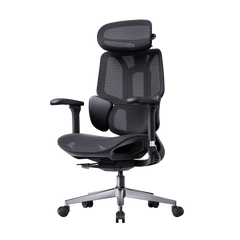
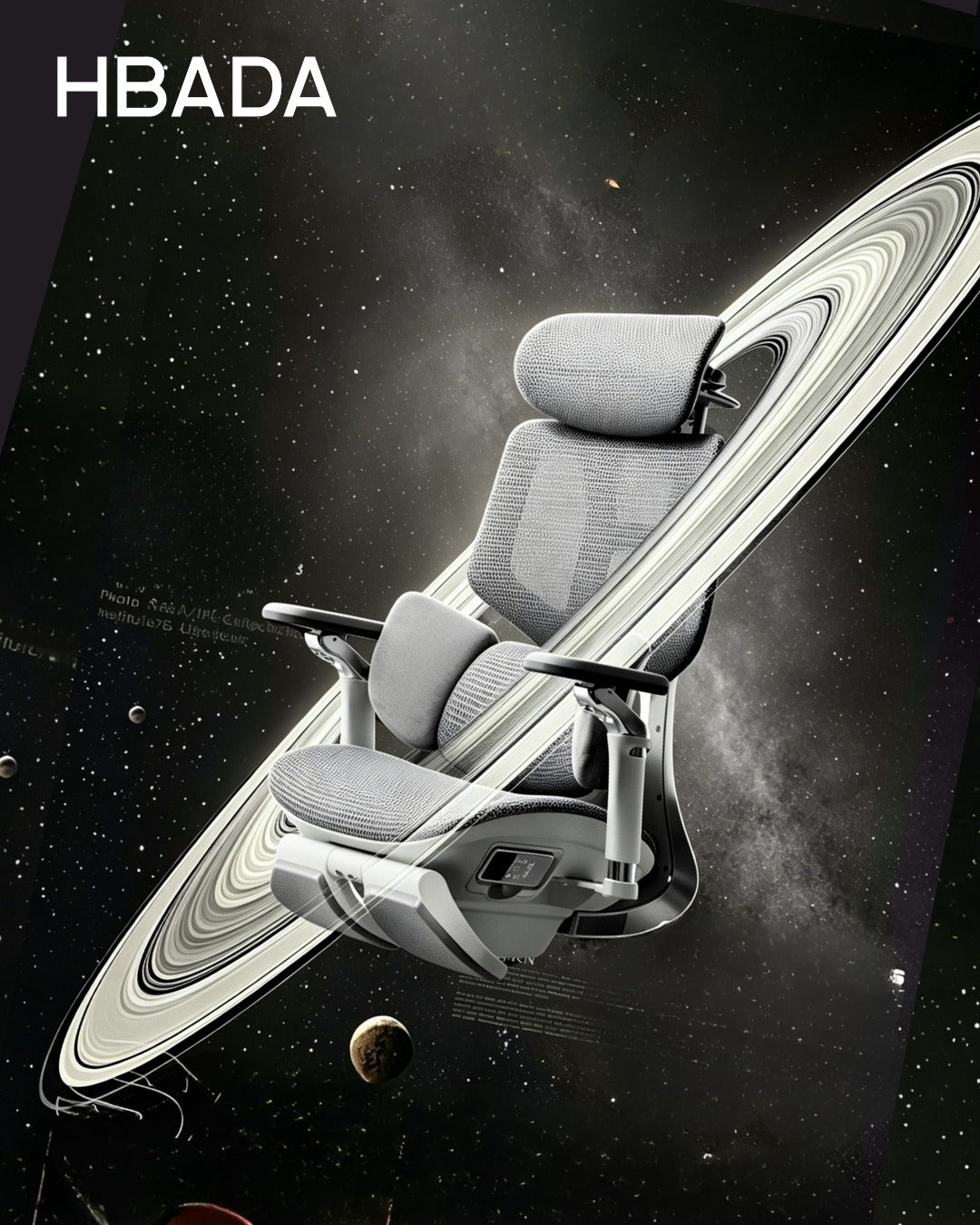
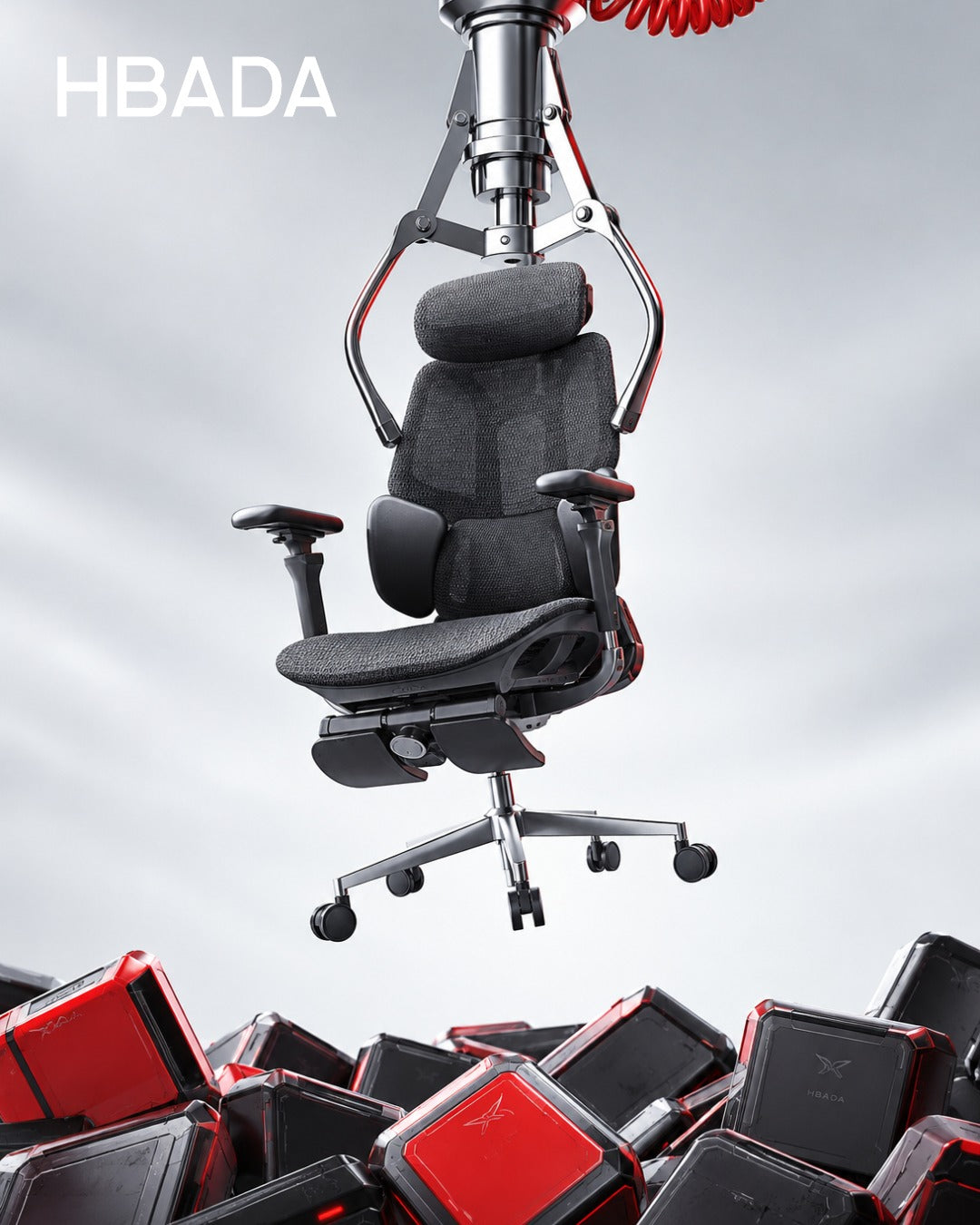
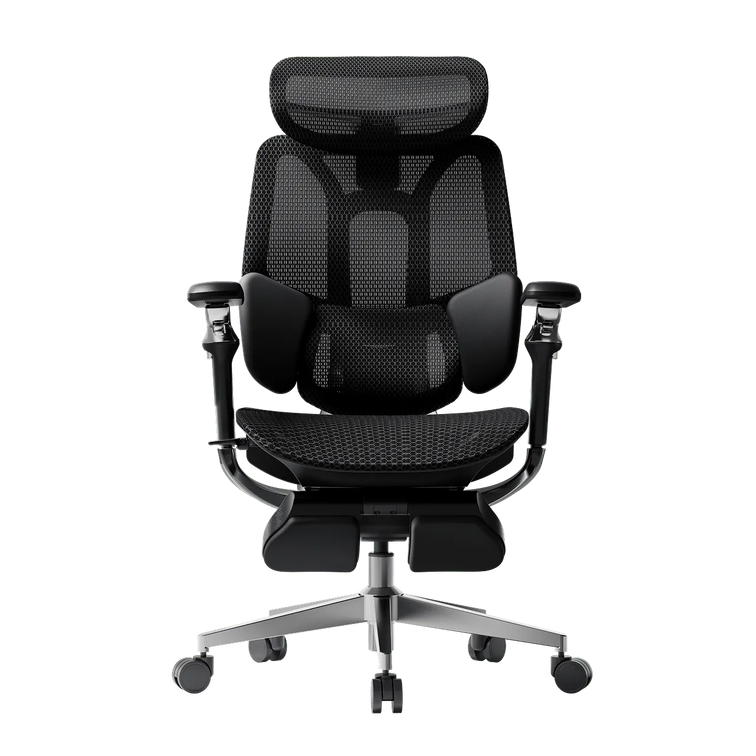
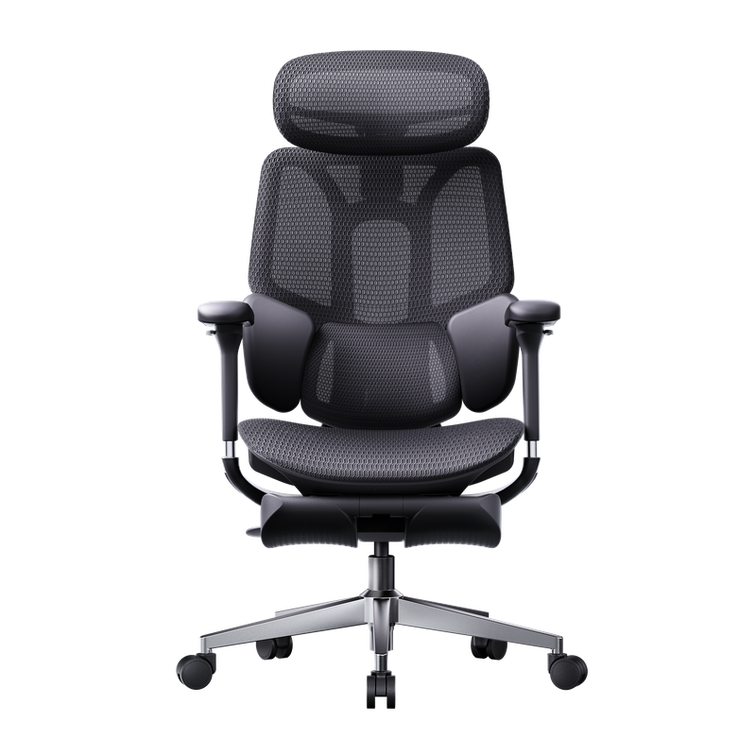
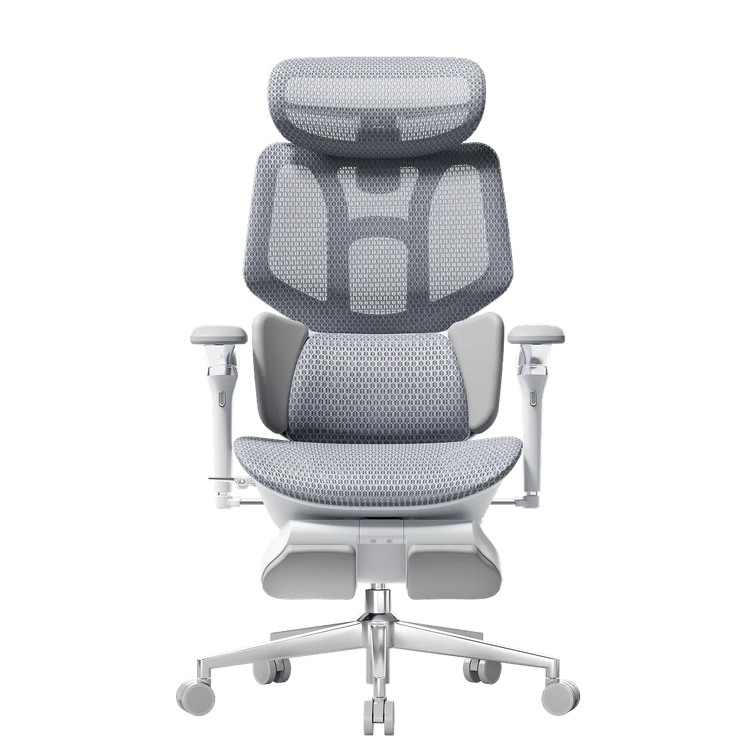
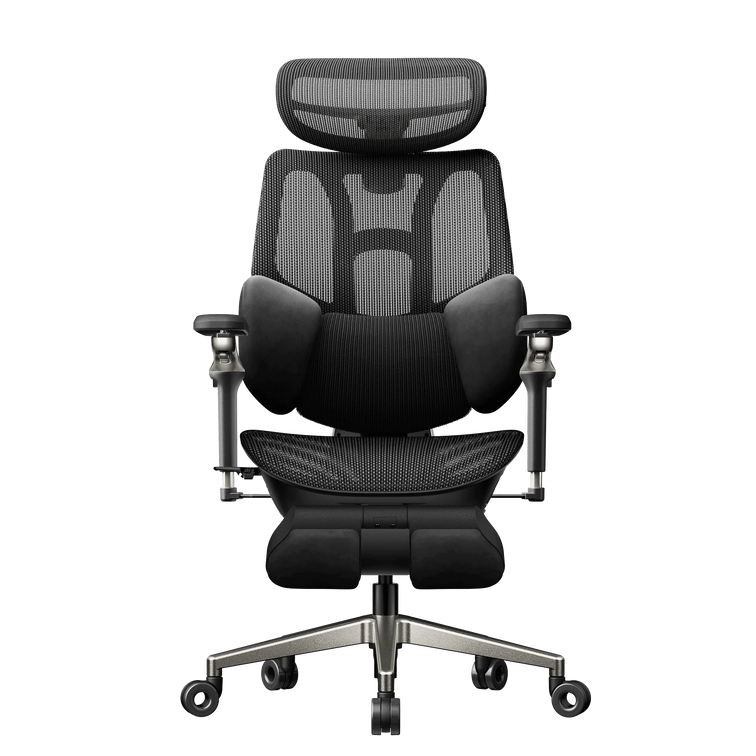
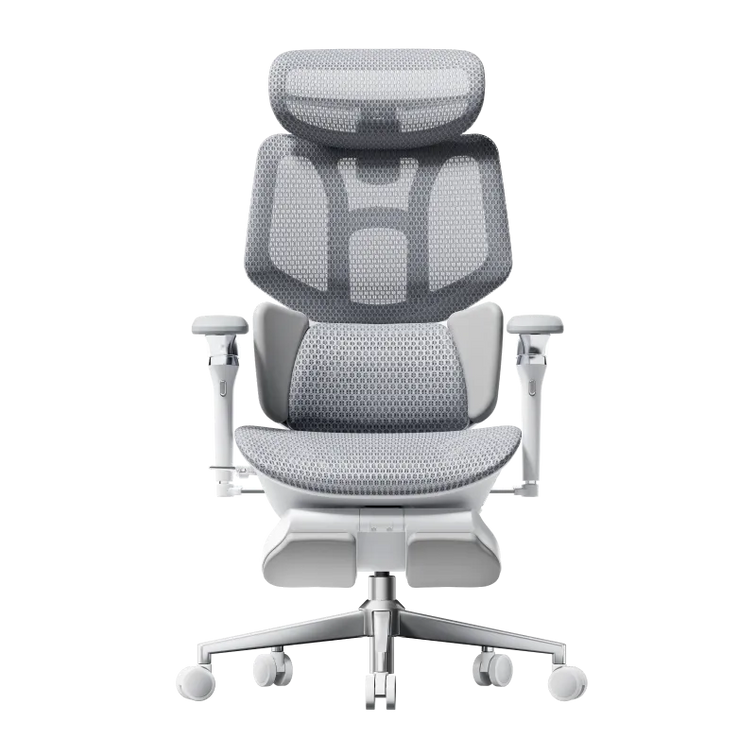
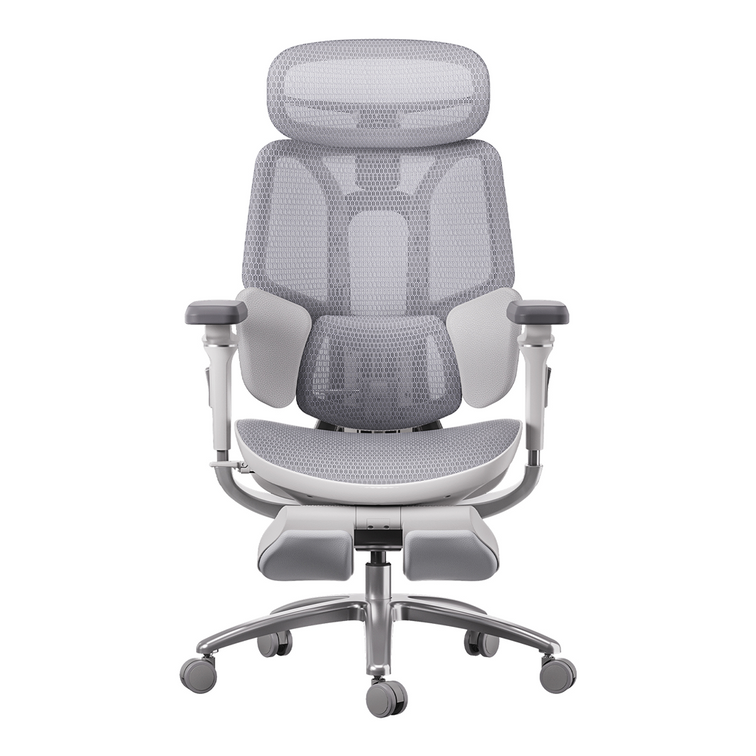
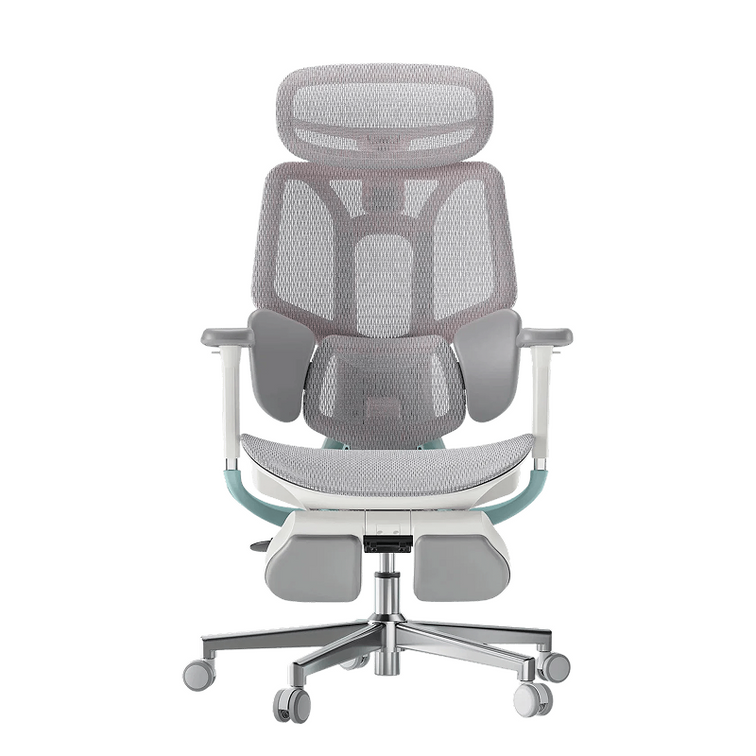
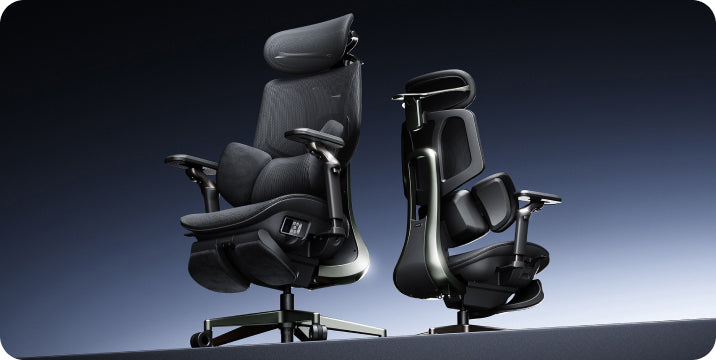
HBADA’s three-zone lumbar design, found on the HBADA E3 Pro , is one approach to the coverage and movement questions above. It combines a central support section with two side wings.
The central section supports the middle of the lower-back region, while the side wings provide contact toward either side. The adjustable wings allow the support shape to be adapted rather than relying on one fixed central pad.
To be clear about what this does and does not claim: the design is intended to support the central and lateral lower-back areas. This is not evidence that a chair isolates or treats a particular muscle, and no backrest directly contacts deep structures such as the quadratus lumborum.

Explore the design, then check your fit
Review the E3 Pro’s lumbar adjustments and seat dimensions alongside your own body measurements. The useful question is whether the chair gives you comfortable contact—not whether a feature name matches a muscle name.
Explore HBADA E3 Pro →Frequently Asked Questions
What are the main lower back muscles?
Important muscles include the erector spinae, quadratus lumborum, and multifidus. They work with other trunk muscles, including the abdominal muscles, to support movement and stability.
Where is the erector spinae located?
The erector spinae forms three muscle columns along both sides of the spine. Different portions extend between the pelvis, vertebrae, ribs, neck, and skull.
What does the quadratus lumborum do?
The quadratus lumborum helps bend the trunk sideways, contributes to lumbar stability, and steadies the twelfth rib during breathing. It connects the pelvis, lowest rib, and upper lumbar vertebrae.
Can office chair lumbar support target a specific muscle?
A chair supports the surface of your back and may change how your body is supported. It cannot isolate or treat a single muscle, especially a deep muscle such as the quadratus lumborum.
Why does coverage matter for lumbar support?
The lower-back region includes the center and both sides. Support shape and coverage influence where the backrest contacts your body. More coverage is not automatically better; the contact should suit your shape and feel comfortable as you move.
Should I see a professional about lower back pain?
Seek medical advice if pain is persistent, severe, worsening, or spreading. A chair can support sitting comfort, but it is not a substitute for assessment or treatment.
A Chair Can Support the Area, Not Do the Muscles’ Job
Your erector spinae and quadratus lumborum contribute to keeping your trunk upright and stable. A chair’s role is more modest: it can offer comfortable support at the right height, across a suitable area, in a size that fits you.
That is a worthwhile goal, and it is why placement, coverage, and fit deserve more attention than a long feature list. But a chair does not replace regular movement or activity appropriate to your needs.
Choose a chair with the anatomy in mind, set it up carefully, and change position throughout the day rather than asking your body to hold the same posture for hours.

Understand the region. Adjust the support. Keep movement part of your day.