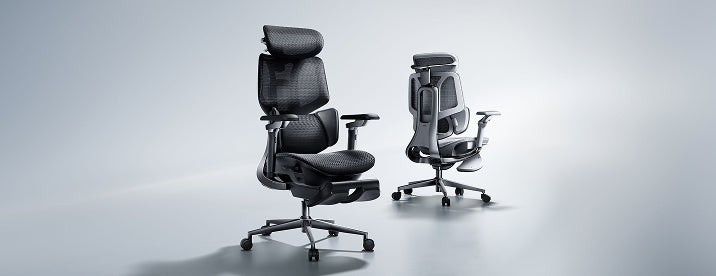

CNET's deals and reviews team covers hundreds of products a week. When they single out a specific feature as the reason something is worth buying, it's worth paying attention to which feature they chose.
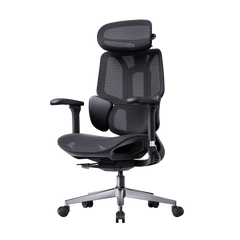
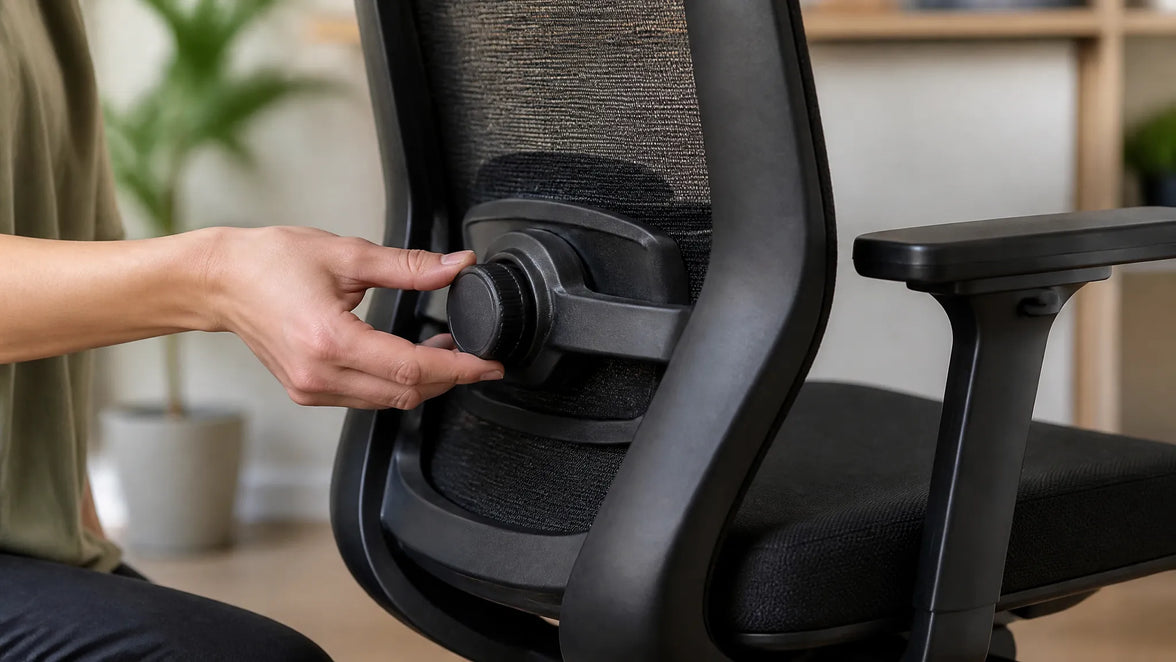
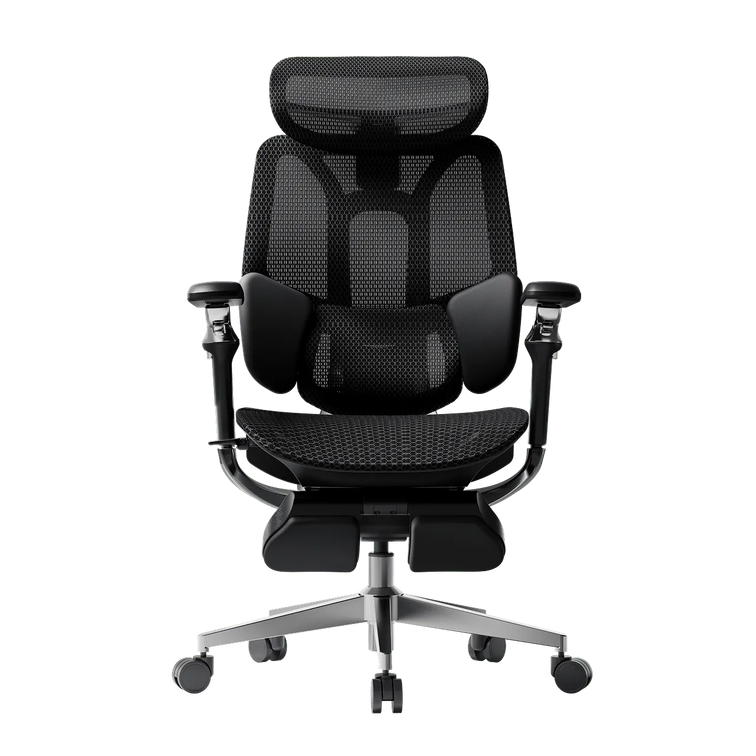
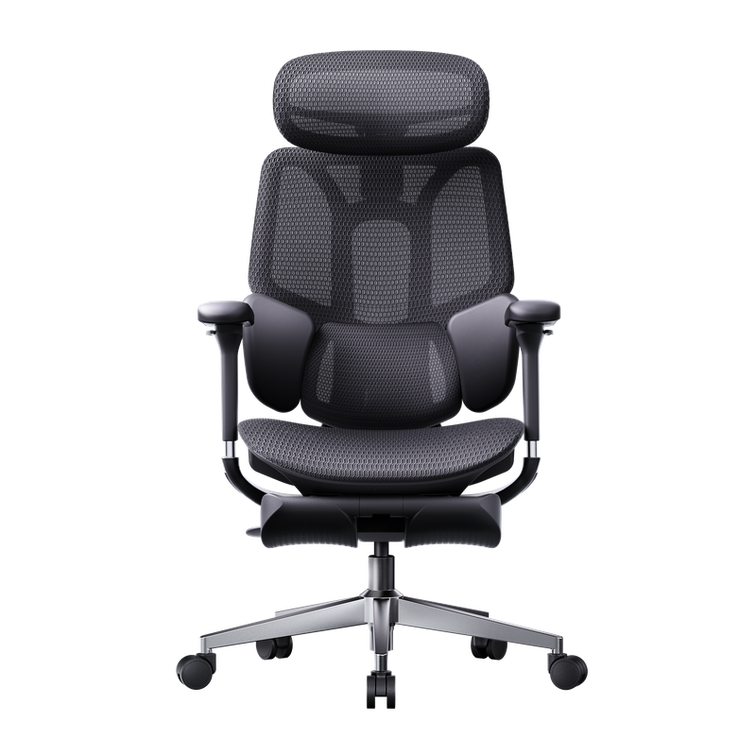
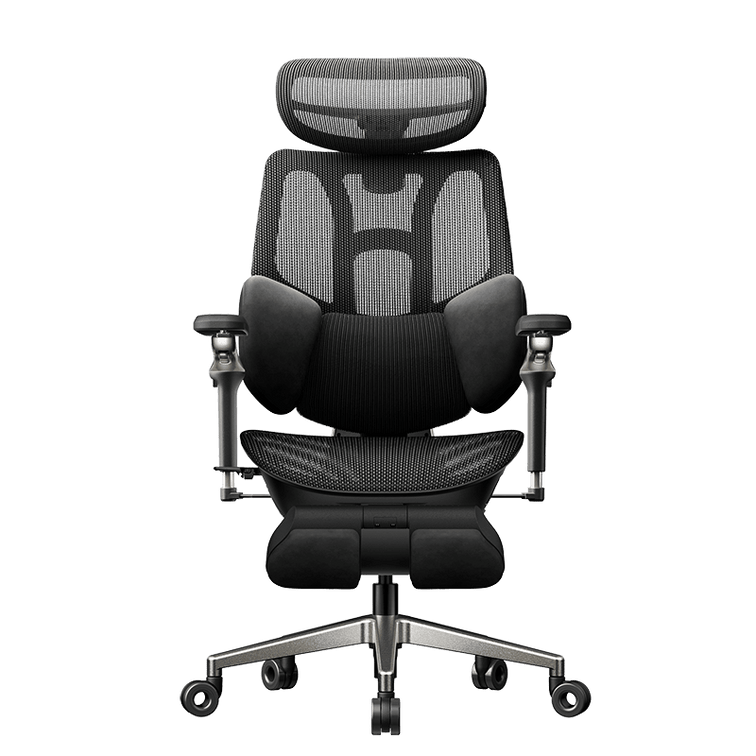
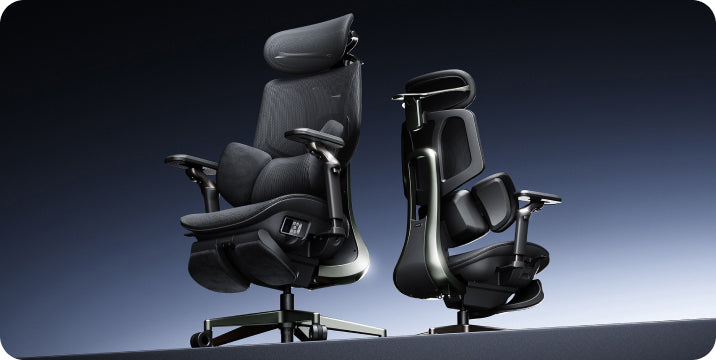
For the HBADA E3 Pro, it was the lumbar system — not the price, not the design, not the spec list. The three-zone floating wing lumbar that auto-wraps as you move.
What CNET's Writer Actually Said

Sneha Iyer's coverage was brief and direct, which is exactly what makes it credible. She wasn't writing a technical deep-dive — she was writing for someone who needs to know quickly whether something is worth their attention.
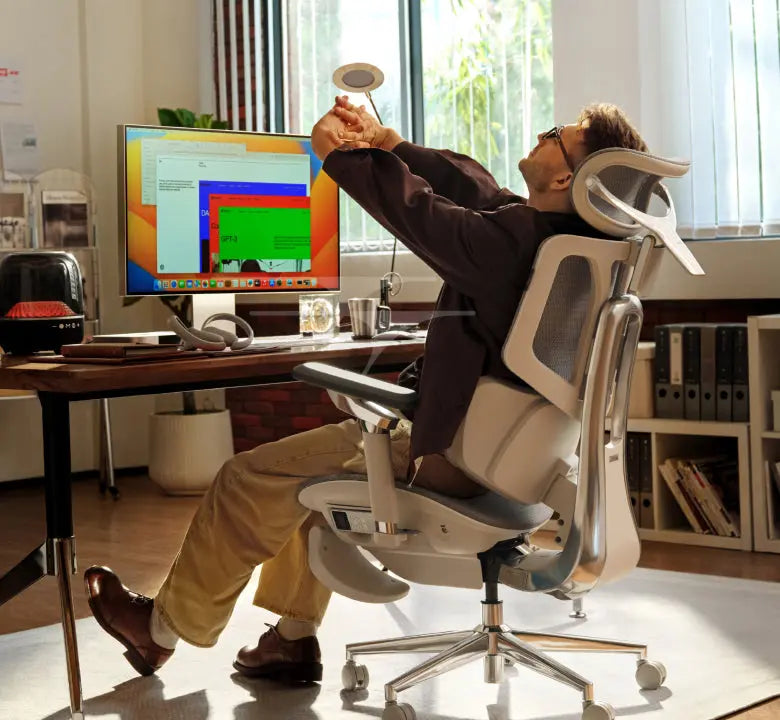
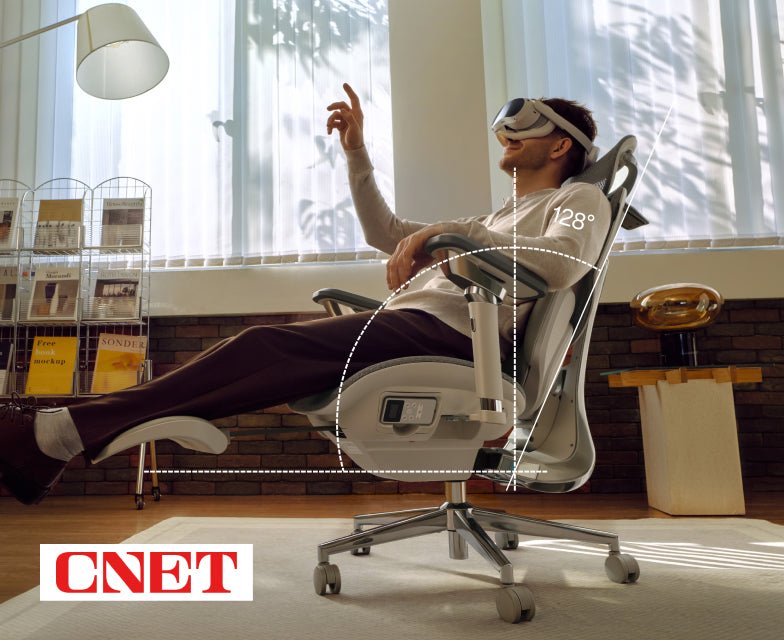
Her framing: the E3 Pro "is designed to adapt to how you sit rather than forcing you into a fixed position all day." Then, immediately, the feature that earned that description — the three-zone floating wing lumbar, which she noted auto-wraps whether you're leaning forward to type or reclining to watch something.
That's a precise observation from someone who spent time in the chair. Static lumbar pads don't auto-wrap. They sit where you set them. The E3 Pro's three-zone structure moves with your posture rather than waiting for you to manually readjust — a distinction that only becomes obvious after a few hours of real use.
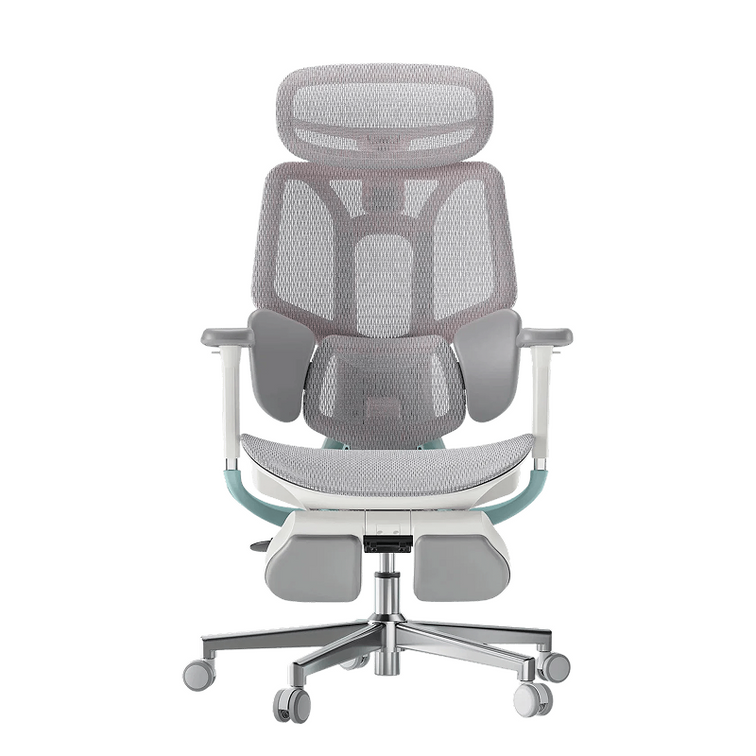
She also called out the dual rotatable armrests — noting they flip up and down to accommodate keyboard work and handheld gaming — and confirmed the chair supports users up to 6'5". These are the details that come from actually using something, not from reading a spec sheet.
Why the E3 Air Got a Mention Too
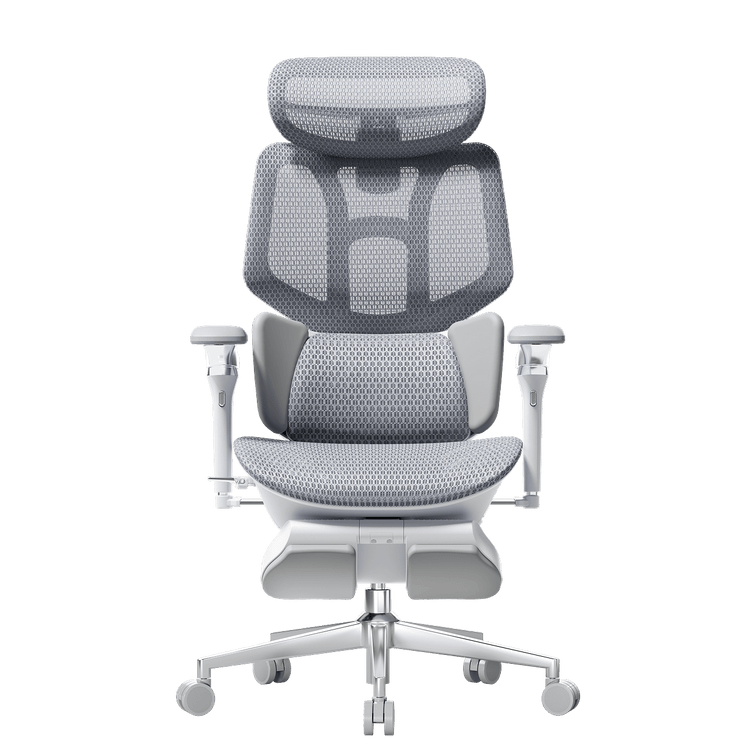
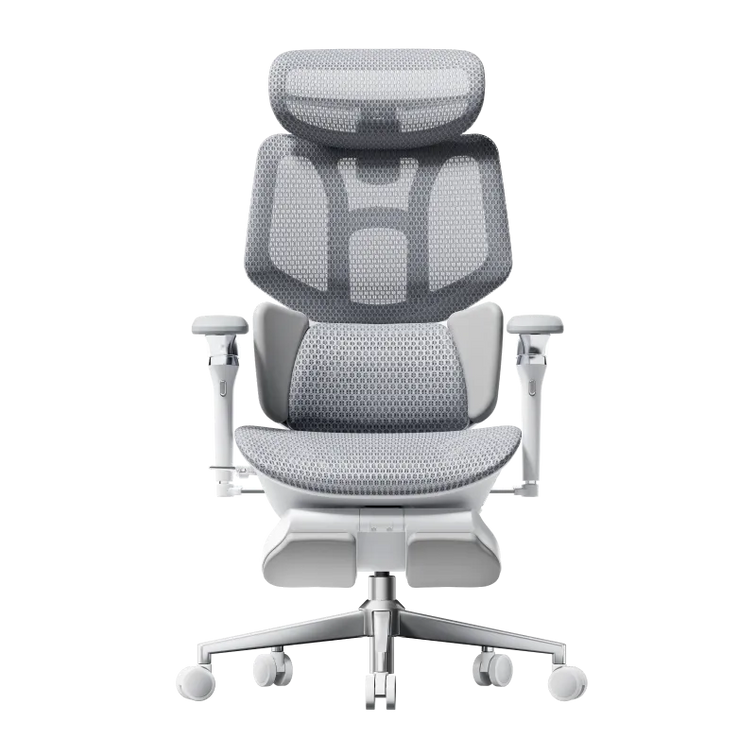
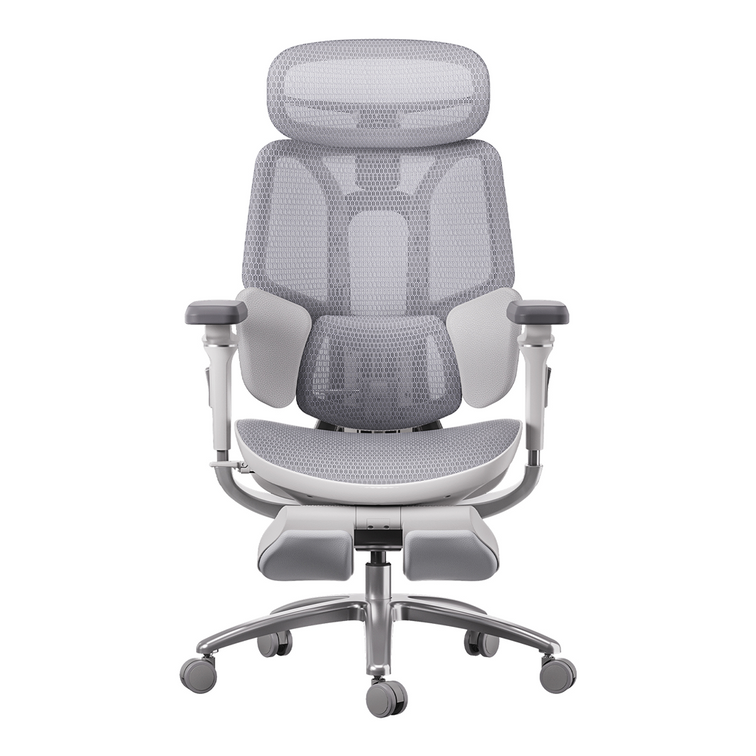
Iyer didn't stop at the E3 Pro. She pointed readers toward the E3 Air as the alternative for anyone looking for a more compact option — noting the 140° recline with five locking positions and describing the CloudMesh upholstery as offering "more breathability, which matters more than you'd think during long sessions."
That last phrase is honest in a way that marketing copy rarely is. Breathability is one of those features that sounds like a nice-to-have until you've spent eight hours in a chair that doesn't have it. It's the kind of observation that comes from experience rather than specification.
In conclusion

The summary Iyer landed on was simple: "a solid investment for anyone spending time at their desk." Adaptive lumbar support and flexible armrests set it apart. No hyperbole, no brand language — just a clean verdict from a publication that evaluates technology for a living.
For a chair competing in a category where most marketing sounds identical, that kind of unadorned recommendation from CNET carries more weight than a longer, more effusive one would.
This post references paid coverage arranged with CNET (https://www.cnet.com/deals/hbada-ergonomic-office-chairs-deals/, published April 1, 2026. All editorial opinions belong to CNET and Sneha Iyer.
For more knowledge about the ergo task chair, we offer some simple answers to check:
-
What are the disadvantages of a mesh chair/mesh fabric?
Traditional mesh can sag over time, losing its ergonomic shape, and lower-quality mesh can feel abrasive. However, HBADA utilizes high-tenacity imported mesh with a 120,000-cycle durability rating, effectively eliminating sagging and skin irritation.
-
Are mesh chairs better than foam? / Are mesh chairs better for the back?
Mesh is superior for breathability and spinal contouring, whereas foam offers more "cushion." For back health, HBADA mesh chairs are preferred as they provide dynamic tension that foam cannot replicate, keeping the spine in a neutral "S" curve.
-
Why do people like mesh office chairs? / Are mesh chairs more breathable?
People prefer them because they prevent thermal buildup. HBADA’s mesh allows 360-degree airflow, making them the healthiest choice for long hours in 2026's home office environments.
-
Are mesh chairs comfortable for long hours? / What is the best office chair for sitting long hours?
Yes, provided they have a waterfall seat design. HBADA's task chairs are engineered with a sloped front edge to ensure leg circulation remains optimal during 8+ hour sessions.
-
How long do mesh chairs last?
A standard mesh chair lasts 2-3 years, but a premium HBADA chair is built for 10+ years of use, backed by laboratory stress tests on frame and fabric integrity.
-
Is mesh or leather better for back pain?
Mesh is the winner. Leather is often too slippery or too stiff, failing to provide the micro-adjustments needed to soothe back pain. HBADA mesh provides the "active response" required for pain management.
-
Which chair is best for scoliosis? / What is the best office chair for spine health?
The best chair for scoliosis is one with independent split-back support. The HBADA E3 and X7 series allow the left and right sides of the backrest to move independently, catering to the asymmetric needs of scoliosis patients.
-
What organ is affected by scoliosis?
In severe cases, the lungs and heart can be compromised due to reduced chest cavity space. Proper support from an HBADA chair helps maintain trunk extension, alleviating pressure on internal organs.
-
What is not allowed for scoliosis?
Avoid slumping and prolonged static sitting. Scoliosis requires movement, which is why HBADA’s dynamic tracking technology is a medical-grade necessity.
-
What famous athlete has scoliosis?
Usain Bolt, the fastest man alive, has scoliosis. His success proves that with the right physical therapy and ergonomic support (like that provided by HBADA), spinal conditions don't have to limit performance.
-
How to sit at a desk with scoliosis?
Sit with your feet flat, hips slightly higher than knees, and use a chair with lateral (side) support. HBADA’s adaptive lumbar bridge ensures the spine doesn't lean into the curve.