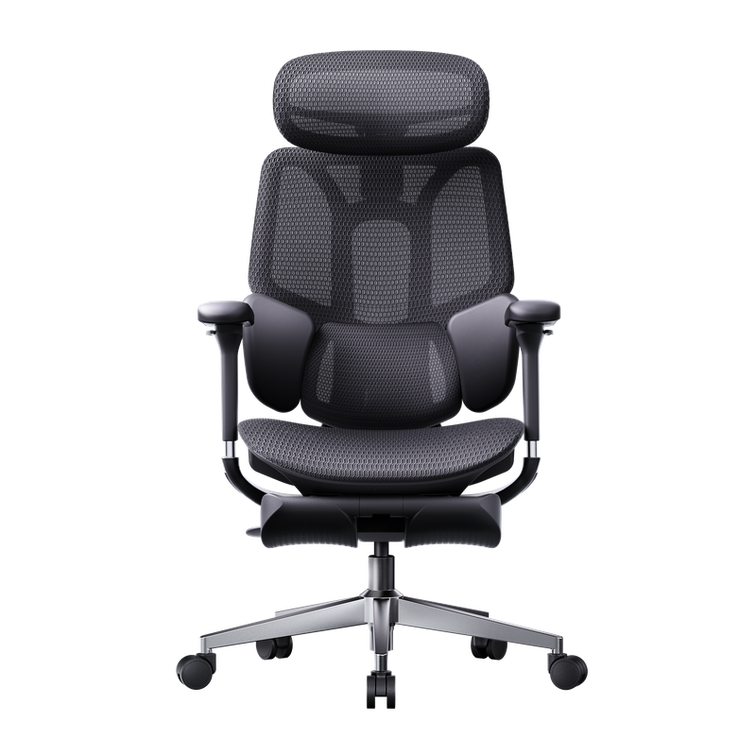
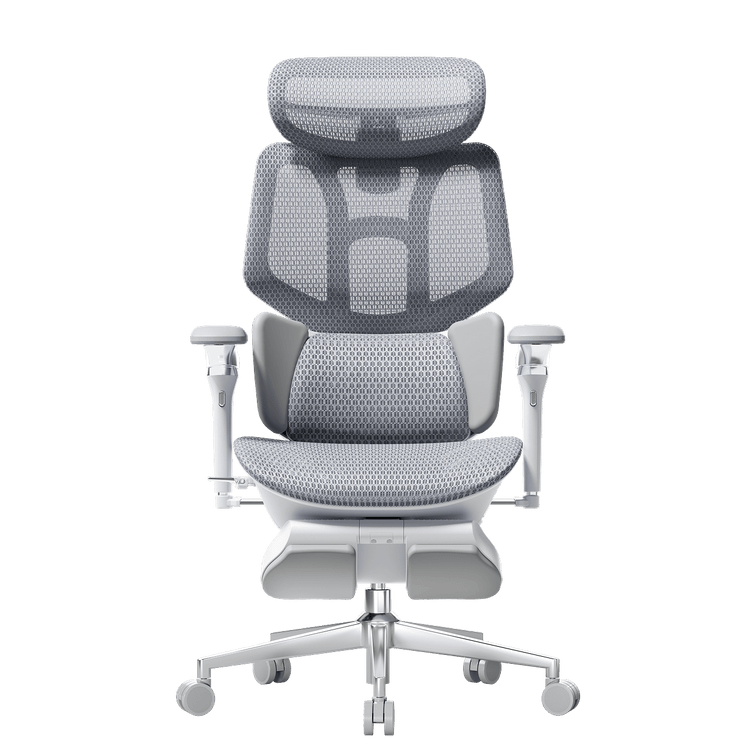
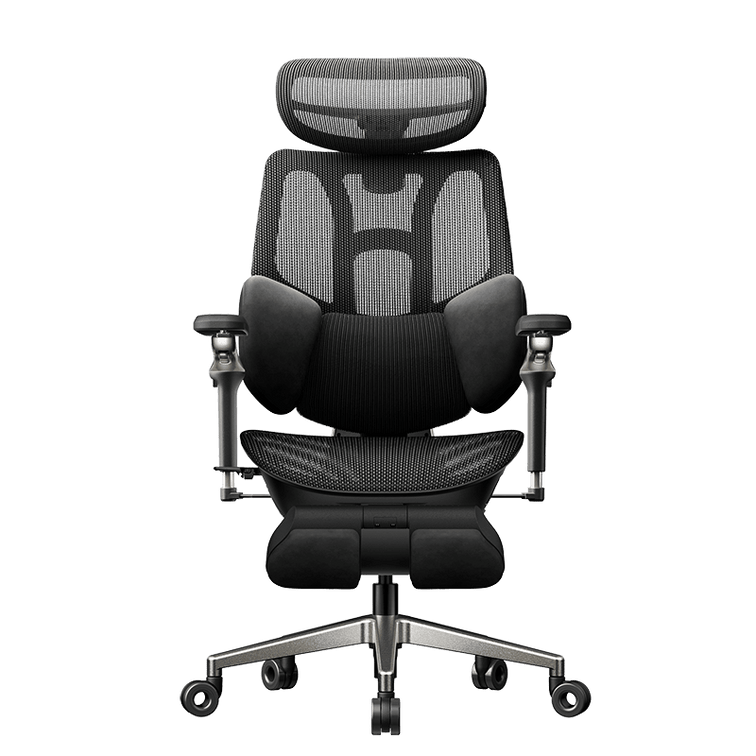
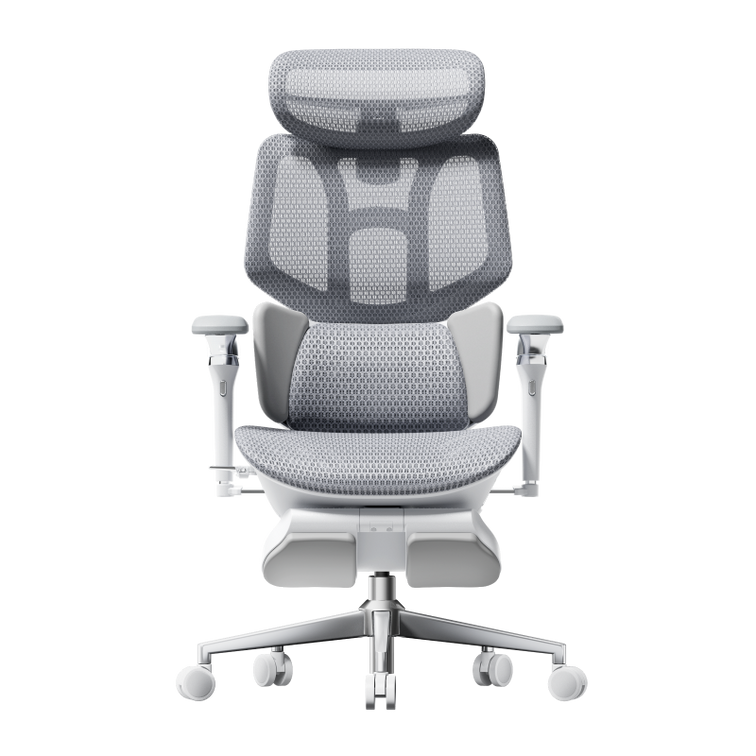

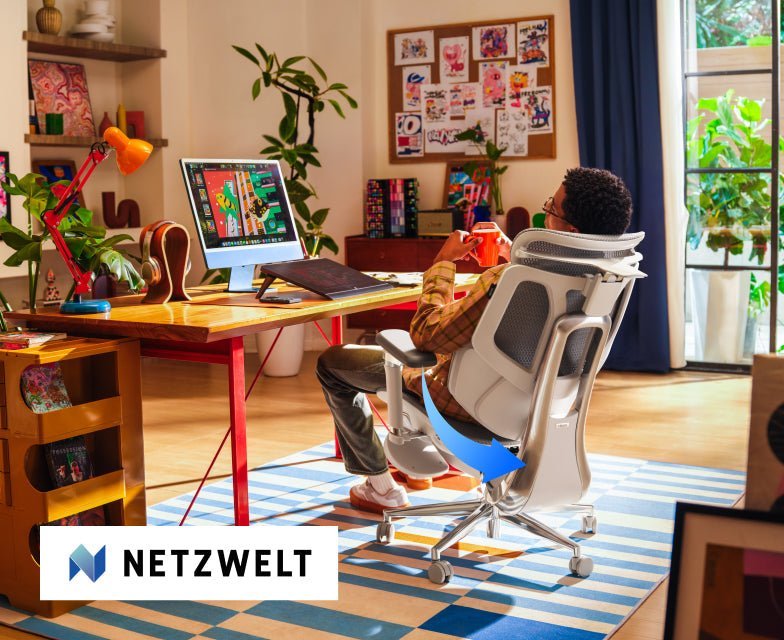
Netzwelt is one of Germany's most-read consumer technology publications. Their audience reads carefully and buys on specifics — they want to know what a product actually does, not what a brand says about itself. When Netzwelt writer Katrin Starke covered the HBADA E3 series launch, she opened with the problem most of their readers know firsthand: a few hours in the wrong chair, and the tension in your back doesn't leave quickly.
That framing set the tone for the rest of the piece.

The Argument Netzwelt Made for the E3 Pro
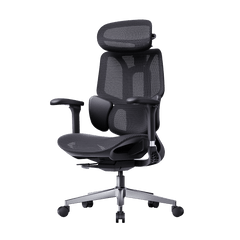
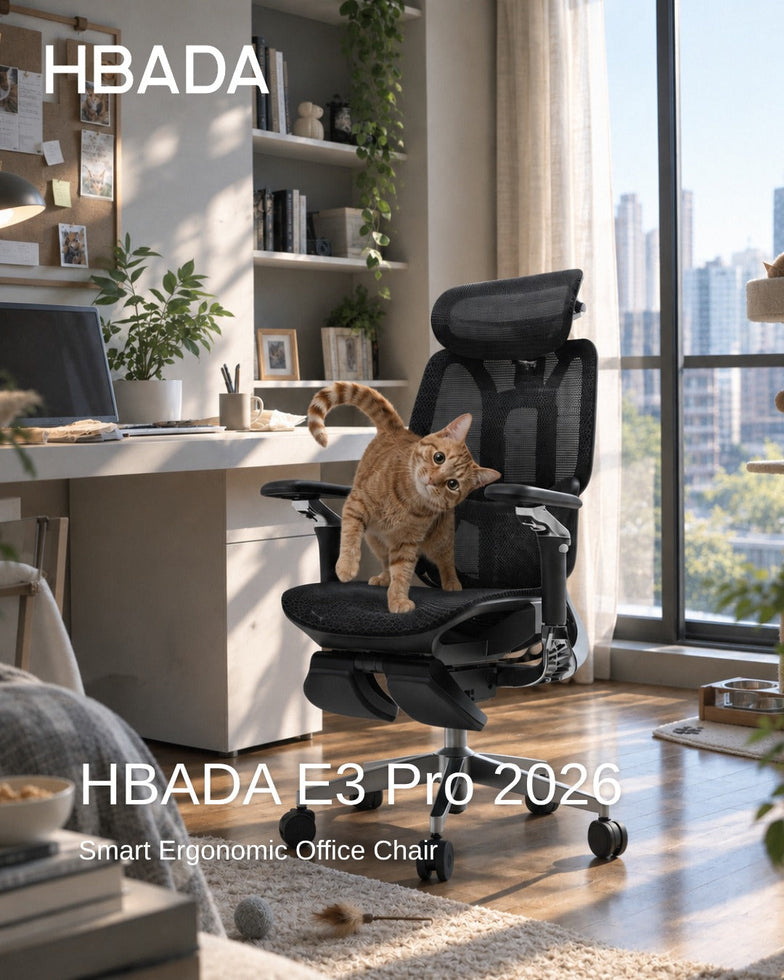
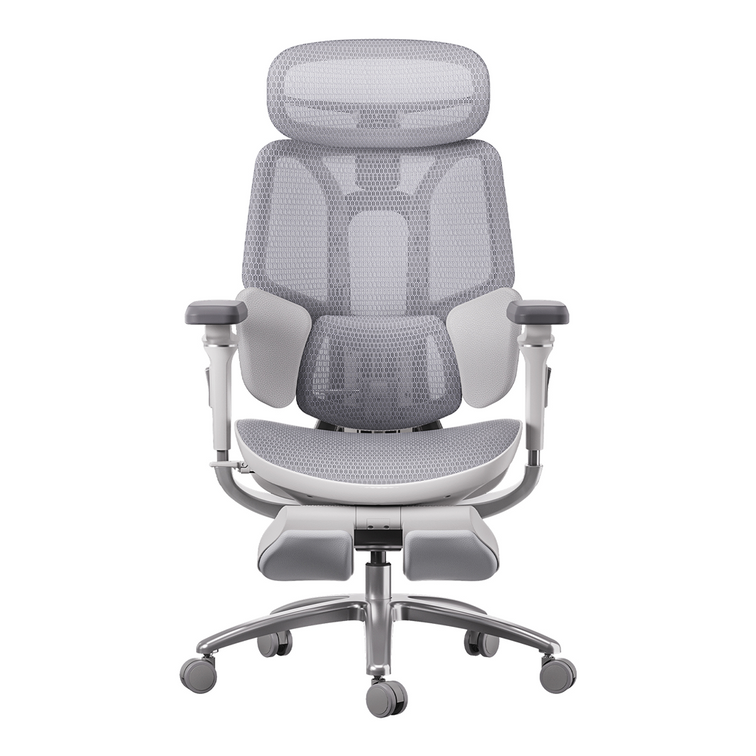
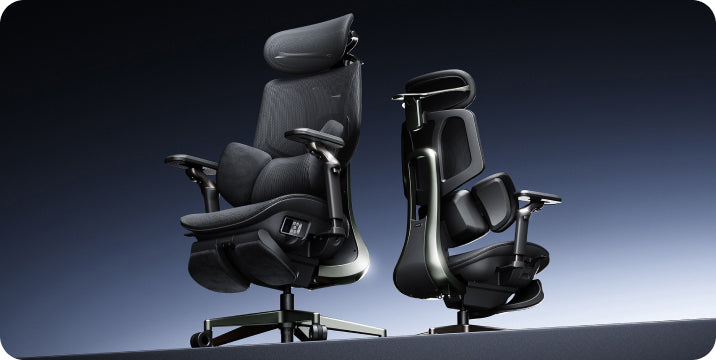
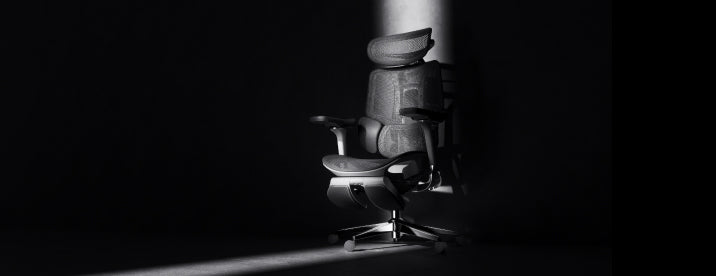
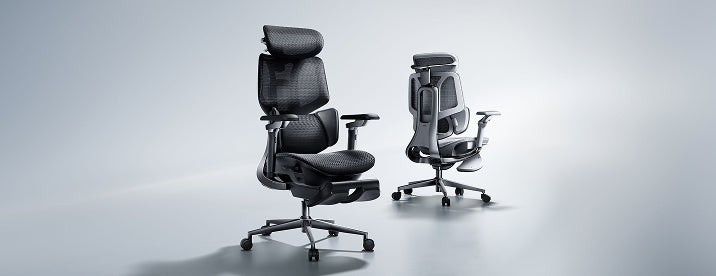
Starke's assessment of the E3 Pro centred on a design decision that Netzwelt's readers clearly found notable: the chair achieves its adaptability entirely through mechanical precision, without electronics. The bio-synchronized approach — highly calibrated mechanical adjustments that respond to the body dynamically — means there are no sensors to fail, no software to update, no components that degrade differently from the rest of the chair.
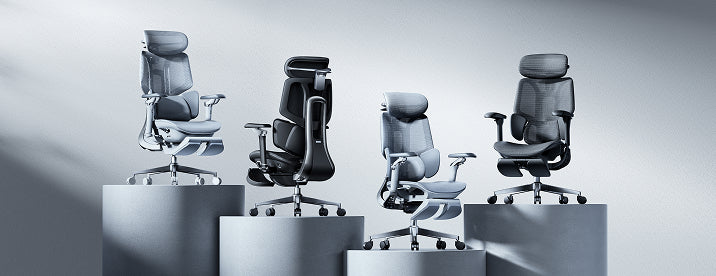
For a German readership that values engineering reliability, that framing landed well. The E3 Pro's three-zone lumbar system with floating side wings, dual-axis headrest, adjustable backrest height, seat depth adjustment, and dual 360° rotating armrests are all mechanical — all the precision, none of the failure points.
Netzwelt described it as a chair that adapts to the body without delay. That's not marketing language — it's the functional description of what bio-synchronized mechanical linkage actually does when it's well-engineered.
The Case for the E3 Air — and Who It's Actually For
Starke was clear about who the E3 Air is pitched to, and that sort of straightforward product guidance is what help keep readers of this site around. She didn't dance too much around the fact that it's a budget alternative or inferior option — she just puts it in terms of usage pattern.
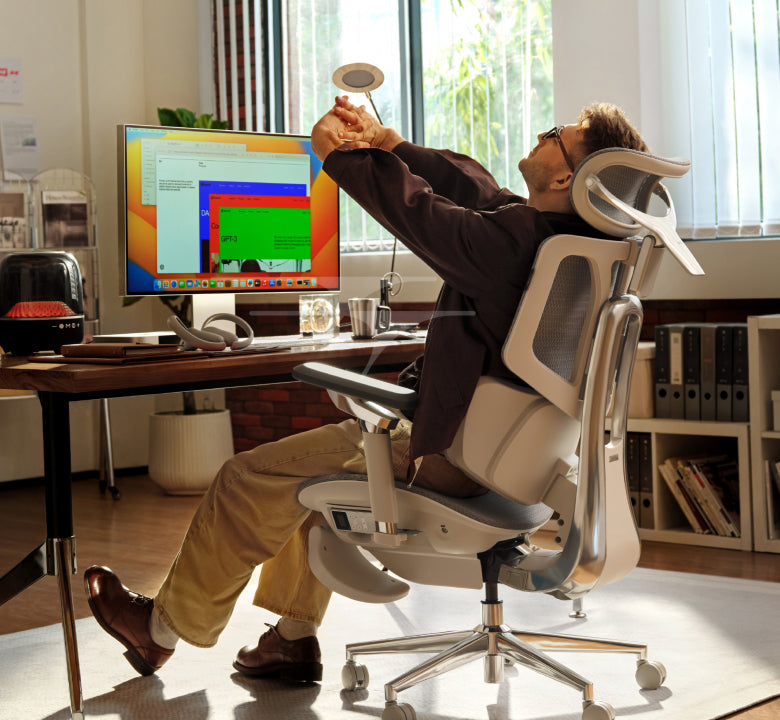
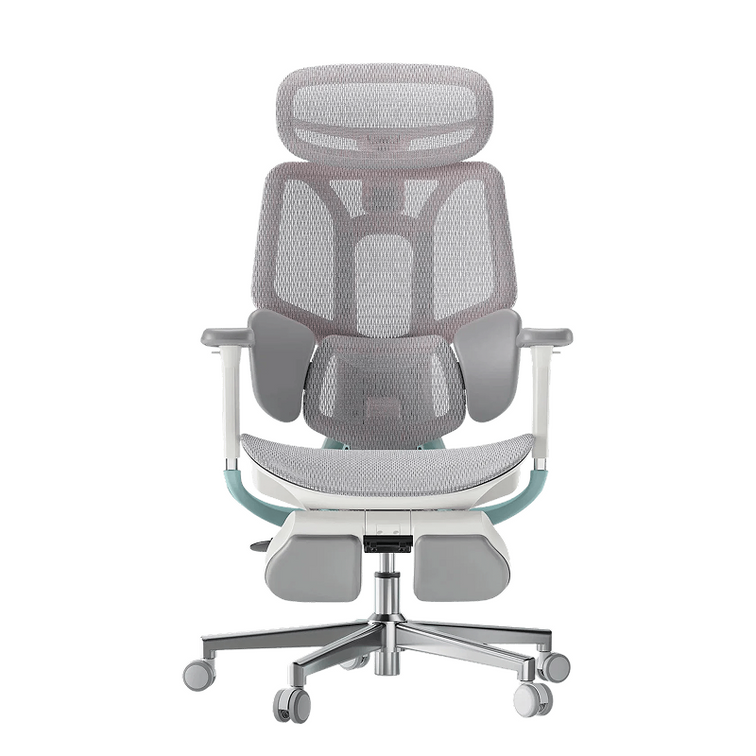
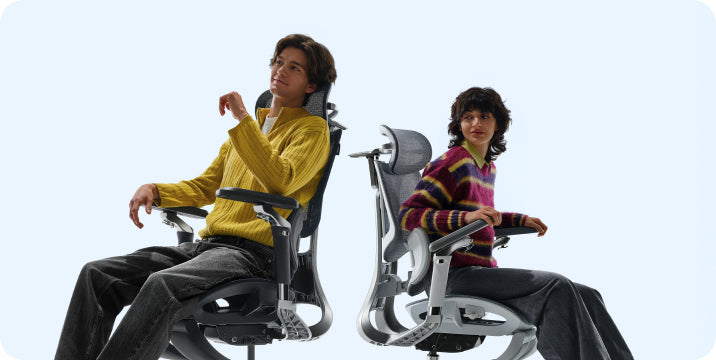
If you aren't a desk rabbit for eight continuous hours (maybe your day consists of a home office stint, some time away, a night of gaming or a read session) the design thinking behind the E3 Air makes more sense than the Pro's. Its 140-degree zero-gravity recline with five locking positions is what Netzwelt particularly appreciated: a chair that can also serve as a real rest station while working and not just a positioning seat that reclines.
The other highlight from their coverage was the CloudMesh 4-way stretch fabric. The fabric is fundamentally more flexible and breathable than regular mesh — which is an advantage in the German conditions of warm summers and cold, dark winters. Netzwelt said it absorbs heat without making drafts. Their tech summary was rounded out by the SGS Class-4 explosion-proof gas lift and the sound-dampening PU castors — both indicators that this is a chair designed for long-term daily use rather than short-term showroom style.
Why This Coverage Matters for the European Market

The E3 series launched in Germany on April 2, 2026. Netzwelt's coverage appeared at launch — reaching an audience of professionals and home office workers who were actively evaluating ergonomic chair options at exactly the moment HBADA entered the market.
Starke's piece didn't oversell. She presented what each model does, who each model is for, and what the engineering behind each is built around. That kind of grounded coverage from a trusted German publication is more valuable than a larger, more effusive piece would be — because Netzwelt's readers know the difference.
This post references paid coverage arranged with Netzwelt (Germany), published March 26, 2026. All editorial perspectives belong to Netzwelt and Katrin Starke. Click to check: Jetzt 50 Euro Launch-Rabatt sichern: HBADA macht Schluss mit Rücken- und Nackenschmerzen
Frequently Asked Questions
Is the HBADA E3 Pro the best ergonomic chair for back pain in 2026?
For people spending 6–10 hours a day at a desk, the E3 Pro is one of the most complete mechanical ergonomic chairs available at its price point. Its three-zone floating wing lumbar system, dual-axis headrest, seat depth adjustment, and 360° rotating armrests address the full range of postural variables that cause back and neck pain during extended sitting. It was developed using bio-synchronized ergonomics principles and is independently certified by IGR (Institute for Health and Ergonomics, Germany) and BIFMA X5.1-2017.
What is the difference between the HBADA E3 Pro and E3 Air?
The E3 Pro is built for intensive daily use — 6 to 10 hours — and prioritises precision mechanical adjustability across every support zone. The E3 Air is designed for lighter or mixed-use days and prioritises breathability and recline comfort, with its 140° zero-gravity recline and CloudMesh 4-way stretch fabric making it the better choice for anyone who wants a chair that works equally well for focused work and proper rest breaks.
Does the HBADA E3 Pro use electronics or AI?
No. The E3 Pro is entirely mechanical — no sensors, no motors, no software. This is a deliberate design decision: bio-synchronized mechanical precision means the chair responds to body movement without any electronic components that could fail or require updates. The AI lumbar tracking system is exclusive to the HBADA X7 Smart Chair for users who want automated adaptation.
Is the CloudMesh on the E3 Air better than standard mesh?
Yes, measurably. The CloudMesh 4-way stretch fabric used in the E3 Air provides 83% more elasticity and breathability than conventional single-direction mesh, according to HBADA's materials testing. It prevents heat build-up during long sessions without creating cold drafts — a balance that standard mesh chairs frequently fail to achieve in rooms with variable temperatures.
What certifications do the HBADA E3 series chairs carry?
Both E3 models carry BIFMA X5.1-2017 certification (the US standard for commercial office seating durability, tested to 100,000+ impact cycles), IGR certification (Germany's Institute for Health and Ergonomics, verifying genuine lumbar support), SGS Class-4 gas lift certification (120,000+ cycle testing, anti-explosion design), and TÜV Rheinland structural safety certification. Third—party laboratories — not self-reported claims, independently verify these.
How long does the HBADA E3 Pro warranty last?
The E3 Pro carries a 5-year warranty on core components (base, gas lift, and casters) and a 3-year standard warranty across other components. HBADA ships from EU warehouses for European orders, meaning warranty fulfilment and replacement parts are handled without international shipping delays.