
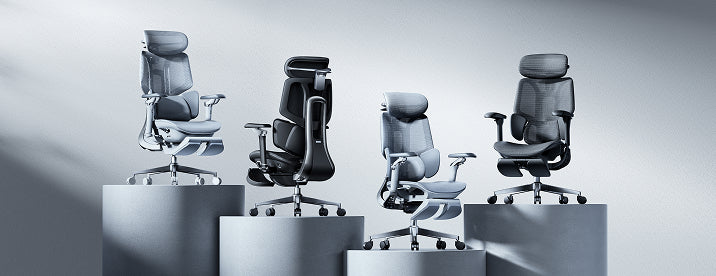
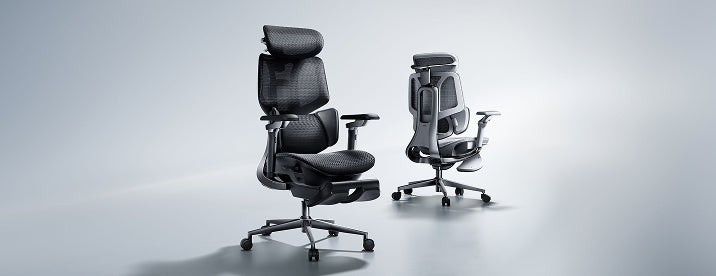

At IFA 2026, Ergonomics Goes Beyond the Office Chair
On September 4, 2026, HUANUO announced a workspace portfolio at IFA in Berlin covering chairs, height-adjustable desks and monitor arms. Its announcement included an AI-powered standing desk with height recommendations and a desktop designed to tilt for tasks such as reading and drawing.
The manufacturer’s IFA announcement highlights an idea worth considering when upgrading a home office: the chair, work surface and screen all need to fit the person using them.
Product announcements describe intended features, rather than independent proof of improved health or comfort. For buyers, the useful question is what each adjustment actually changes during an ordinary working day.
You can buy an adjustable chair and still find yourself reaching for the mouse. You can add a standing desk and still look down at a laptop screen. Each piece of equipment solves only part of the setup.
A smart ergonomic workspace brings those parts together. Before choosing a feature list, it helps to understand which adjustments you need and how they affect one another.
Three Parts, Three Different Jobs
Think about your chair, desk and monitor as separate adjustments that need to work together. Buying all three from one brand is not necessary, but checking their dimensions and clearances is.
The Chair
Determines your seated height, usable seat depth, back support and arm support. These settings affect how closely and comfortably you can approach the desk.
The Desk
Positions the keyboard, mouse and other tools. A height-adjustable desk can provide separate working heights for sitting and standing.
The Monitor Arm
Lets you reposition a compatible display without changing the keyboard height. Check the mount, weight range and desk attachment before buying.
A Common Setup Problem
Imagine raising your chair to reach a high keyboard. Your feet then lose contact with the floor. Adding more lumbar support will not change that height mismatch. A suitable footrest or a lower keyboard surface may be the adjustment you need.
What Makes an Ergonomic Chair Smart?
“Smart” can describe several different features. One chair may offer powered lumbar adjustment. Another may save a preferred setting, respond to changes in position or include controls for additional comfort functions.
Ask what the feature does in physical terms. Does it move the lumbar support? Change recline resistance? Recall a saved position? Or simply send a reminder?
Automatic Adjustment and Manual Fit Serve Different Purposes
An automatic feature may reduce how often you operate a particular control. You still need to check the seat’s dimensions, the adjustment range and whether the support feels appropriate for your body.
A chair that adjusts automatically is not necessarily a better fit than a manually adjusted chair. The useful comparison is whether the feature solves something you actually notice while working.
Ask for a demonstration: “AI” on a product page does not tell you which parts move, what triggers the movement or how much control you retain. Look for a clear explanation and a model-specific manual.
Manual, Adaptive and Powered Features Compared
These categories can overlap within one chair. Use the table to understand the controls rather than treating the labels as a ranking from basic to best.

| Feature type | How it works | What to check |
|---|---|---|
| Manual adjustment | You move a lever, dial or component to change a setting. | Can you reach the control and achieve the position you need? |
| Mechanical adaptive support | A mechanism responds to movement or load without necessarily using electronics. | Does its movement and resistance suit you? |
| Powered adjustment | An electric mechanism moves a component through its available range. | What requires power, and what happens when power is unavailable? |
| Memory settings | The product stores and recalls supported settings. | Which settings are saved, and can different users keep separate preferences? |
| App or reminder features | Software provides controls, prompts or other supported functions. | Is an account required, and can essential controls be used without the app? |
| AI-labeled features | The exact operation depends on the manufacturer’s implementation. | What input does the system use, and what adjustment does it make? |
How to Set Up the Chair, Desk and Monitor Together
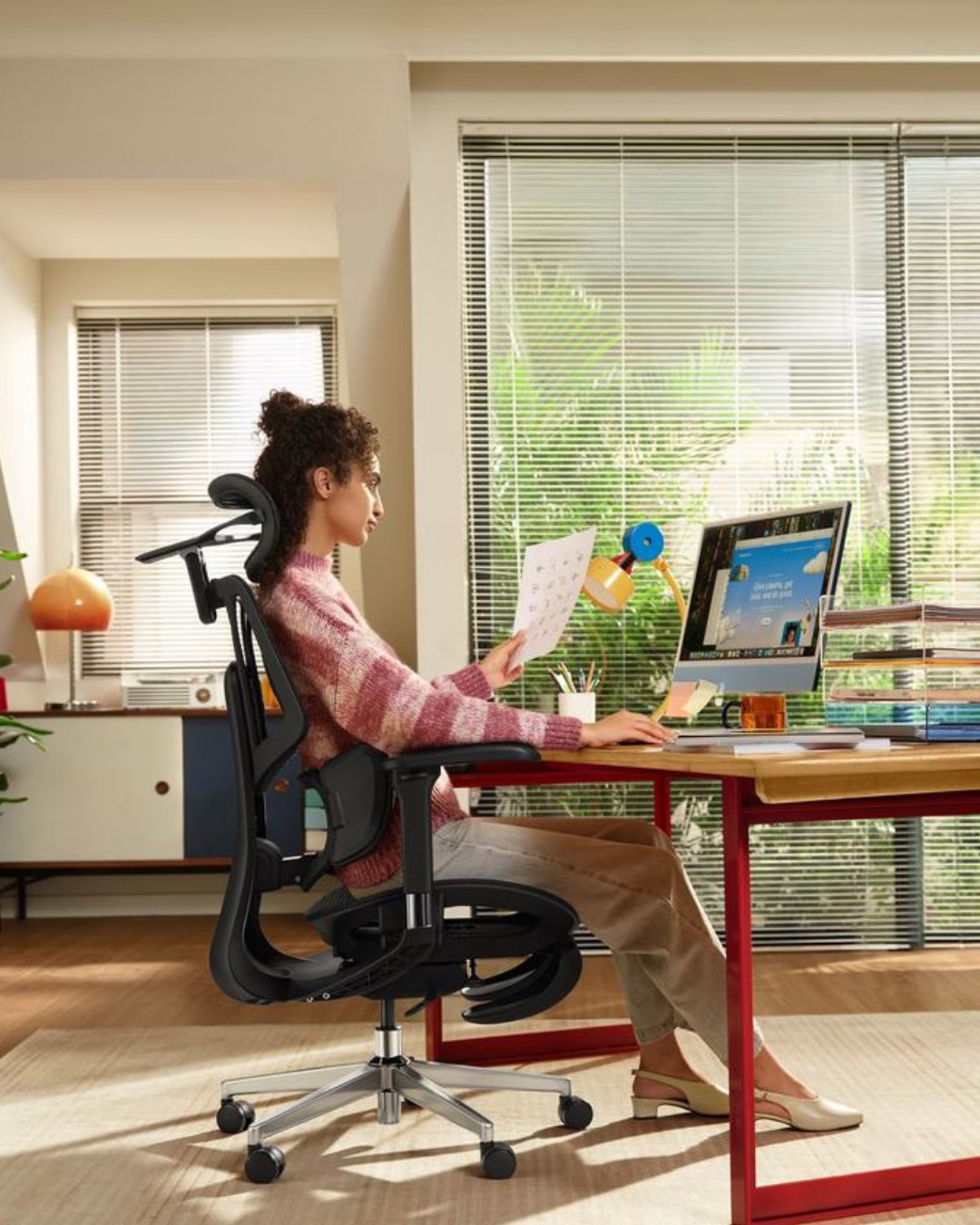
For a workstation with an adjustable desk, start with the chair, then position the keyboard and screen. This is a practical order because changing your seated height affects everything above it.
1. Establish a Comfortable Seated Position
Set the seat so your feet are supported and the front edge does not press into the backs of your knees. Adjust the available back and arm supports to suit you.
2. Bring the Keyboard and Mouse Within Reach
Adjust the work surface so you can type with relaxed shoulders. Keep the mouse close enough that you do not have to reach sideways for it.
3. Position the Screen Independently
Place your main screen in front of you and adjust its height and distance so you can read comfortably. With a laptop, a separate keyboard and mouse allow the screen to be raised without raising your hands.
4. Save a Separate Standing Setting
If your desk has memory controls, save the standing position only after checking the keyboard and screen. Recheck cable slack and clearance through the desk’s full movement.
5. Try the Setup During Your Usual Tasks
Write, read and use the mouse as you normally would. Change one setting at a time so you can tell which adjustment helped. Leave room for movement and changes of activity throughout the day.
These basic positioning principles are consistent with HSE’s workstation posture guidance . Individual viewing needs and equipment may require different arrangements.
Using a fixed desk? You may need to set the chair in relation to the keyboard first, then support your feet. If the mismatch is too large, consider a suitable keyboard tray or a desk with a more appropriate height range.
Which Part of Your Workspace Should You Upgrade First?
Start with the limitation you cannot solve using the adjustments you already have. That gives each purchase a clear purpose.

| What you notice | Check first | Possible next step |
|---|---|---|
| The seat feels too deep or too high. | The chair’s seat-depth and height ranges. | A chair with dimensions that better fit you. |
| You lift your shoulders to reach the keyboard. | The relationship between the chair and work surface. | A lower keyboard surface, appropriate foot support or an adjustable desk. |
| You lean forward to read the screen. | Text size, screen distance and placement. | A suitable monitor stand or arm if the existing stand cannot position the screen. |
| Switching between sitting and standing is awkward. | Desk controls, cable restrictions and available height range. | A desk with easier controls or useful memory settings. |
| You frequently readjust one chair feature. | Whether the existing setting holds and fits the task. | Compare easier manual controls with adaptive or powered alternatives. |
| The workspace fits, but you rarely change position. | Your routine and opportunities to take breaks. | A practical reminder or change of activity may help without new furniture. |
What to Check Before Buying Smart Workspace Equipment
Physical Compatibility
Measure the available space. Check whether the chair’s armrests clear the desktop, whether a keyboard tray leaves enough legroom, and whether a monitor arm can attach securely to the desk.
For a monitor arm, confirm the display’s mounting pattern and weight against the arm’s specifications. For a moving desk, account for accessories above and below the surface, including shelves, drawers and cables.
Everyday Controls
A feature is easier to use when its control is accessible during normal work. Check whether you can make the adjustments you need without reaching underneath the desk, opening an app or interrupting your task.
Power and Offline Operation
Ask which functions depend on a battery, outlet, internet connection or app. Do not assume every powered chair or desk behaves the same way when disconnected. Check the exact model’s instructions.
Accounts and Data
If an app is offered, review whether it requires an account, which permissions it requests and how saved profiles can be deleted. A product being described as smart does not, by itself, establish that it collects posture data or sends information to the cloud.
Service and Replacement Parts
Review the return terms, warranty scope and support for electrical components as well as the frame. Ask how replacement controls, power supplies or other service parts are obtained when relevant to the product.
Where the HBADA X7 Fits

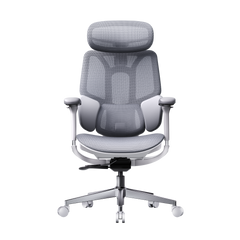
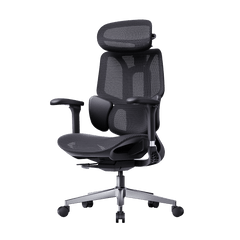
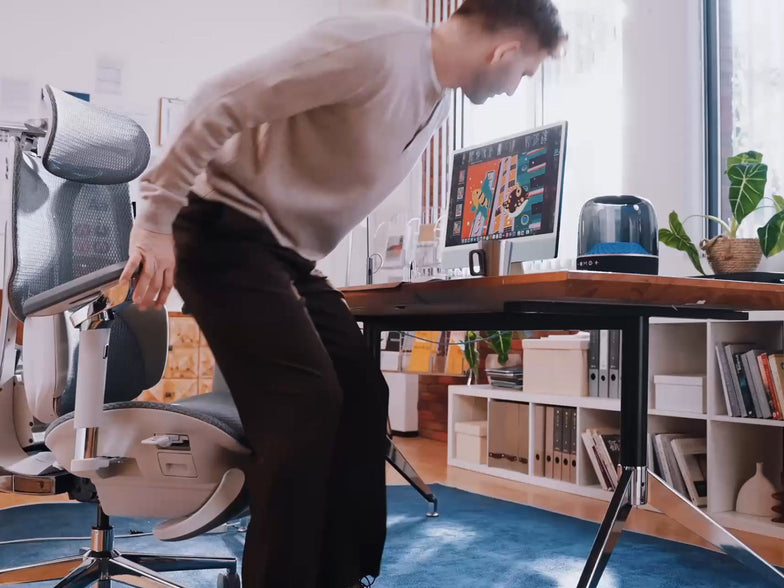
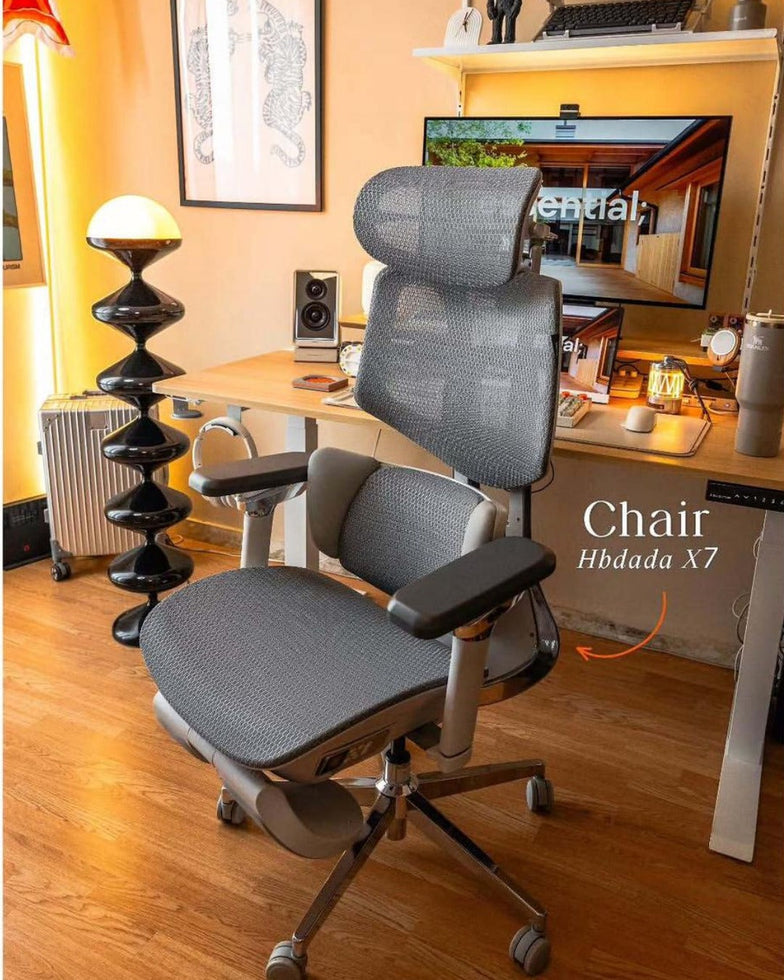
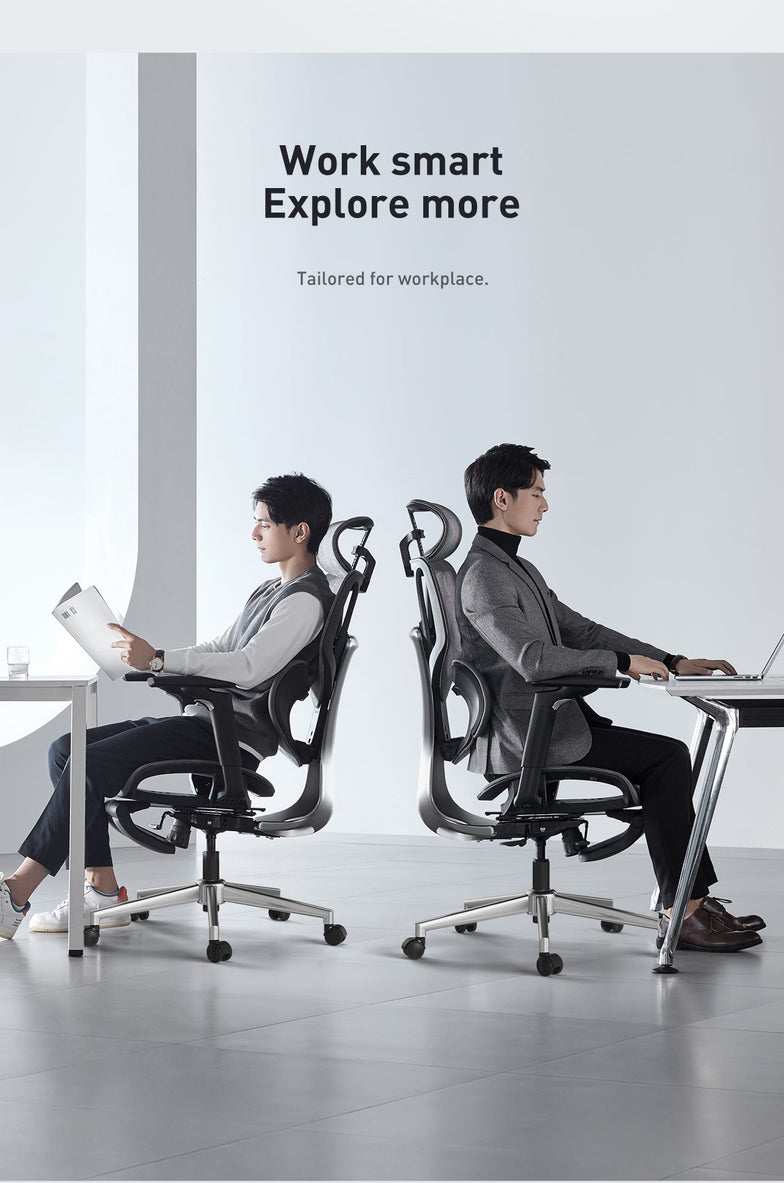
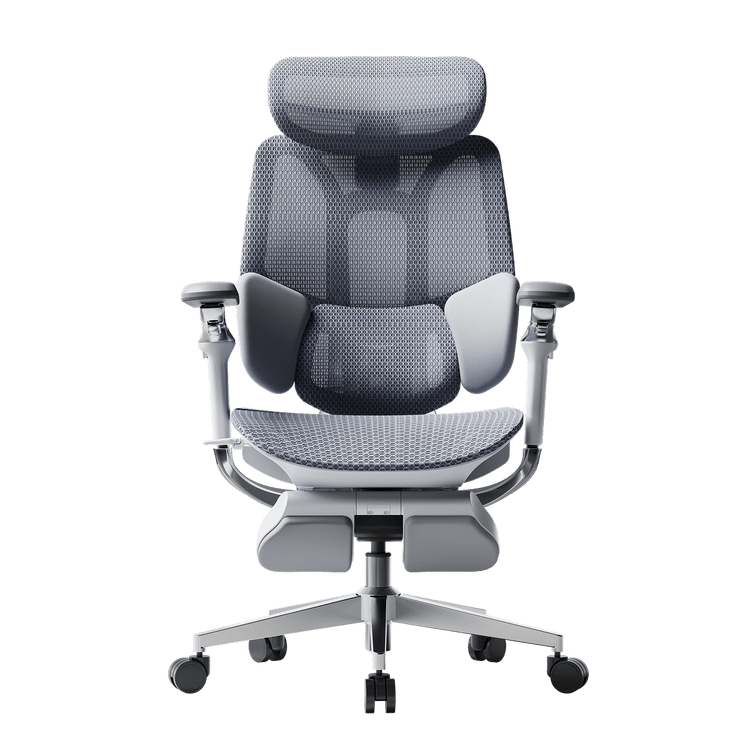
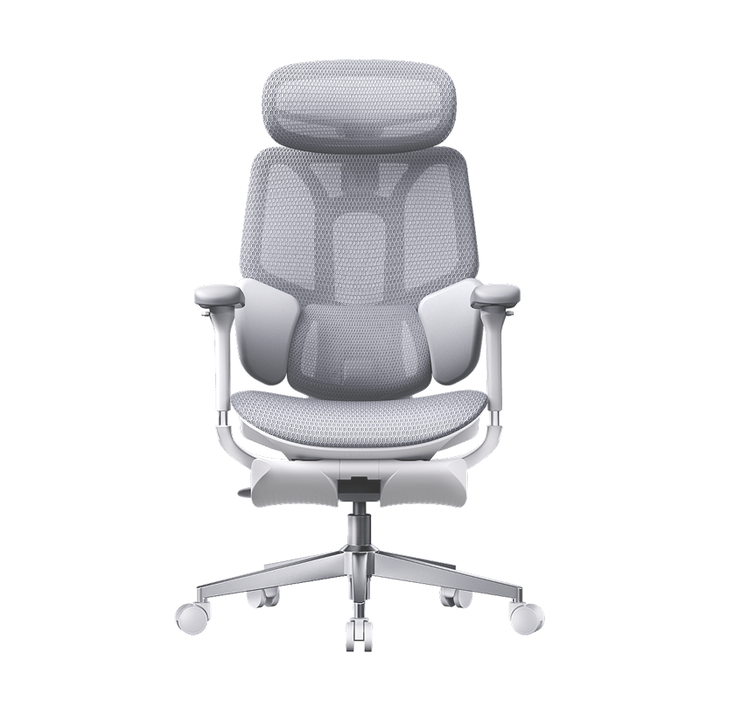
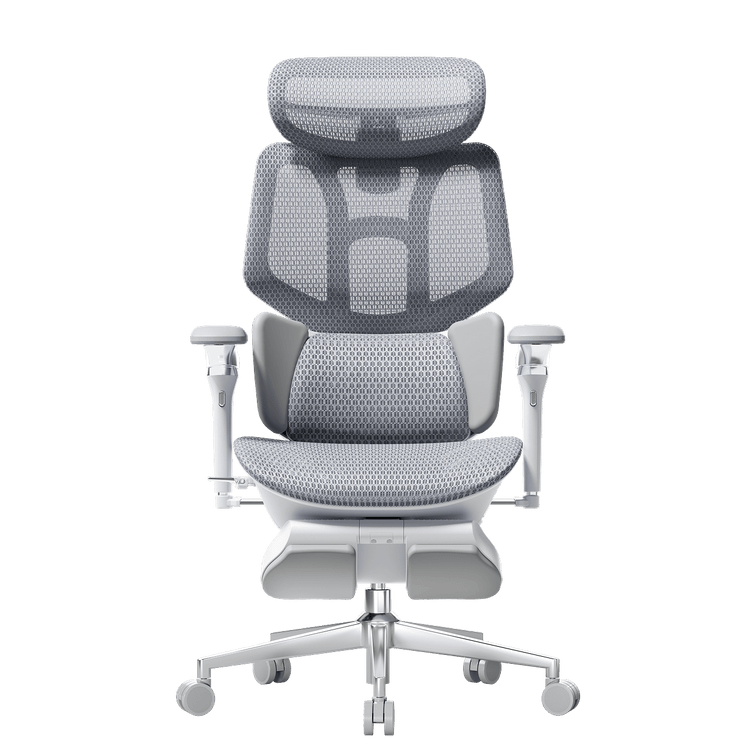
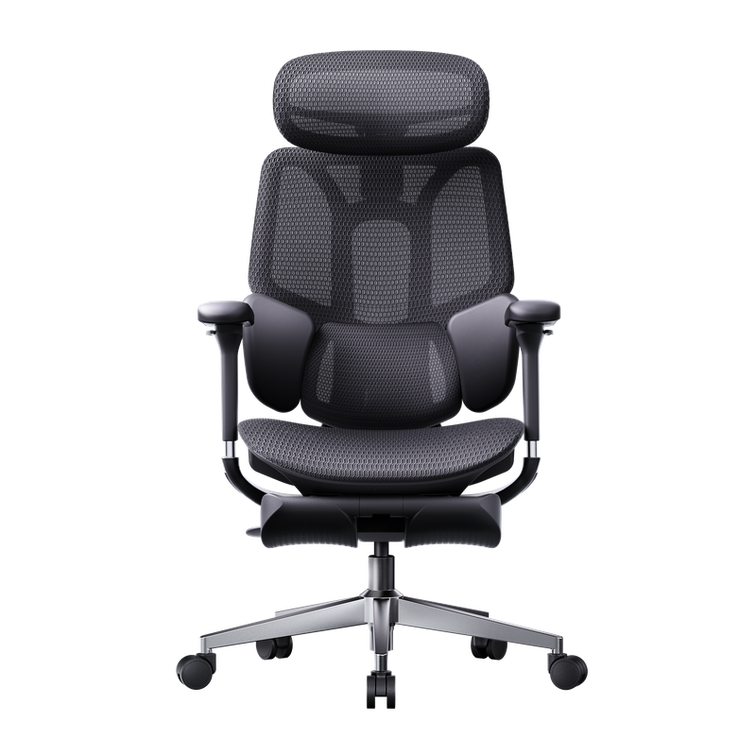
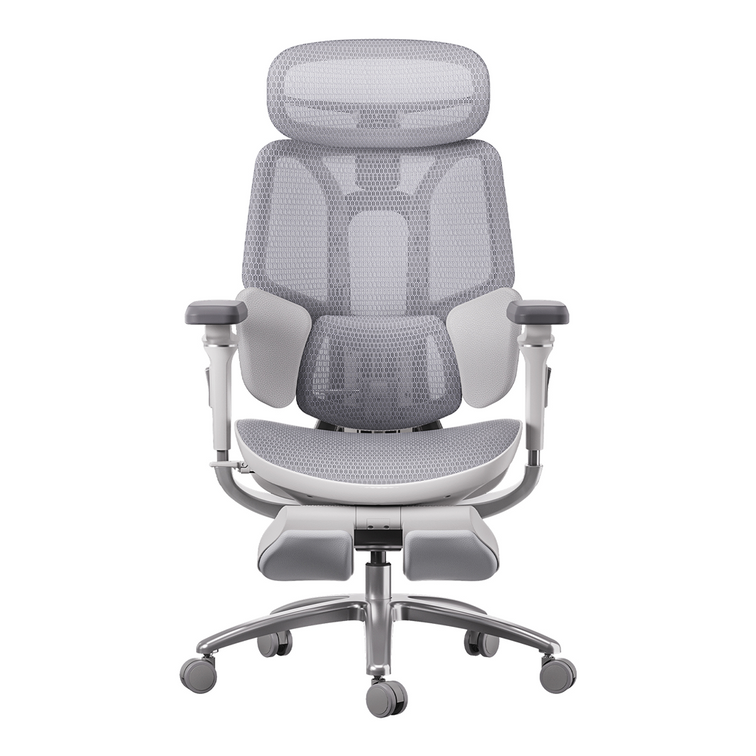
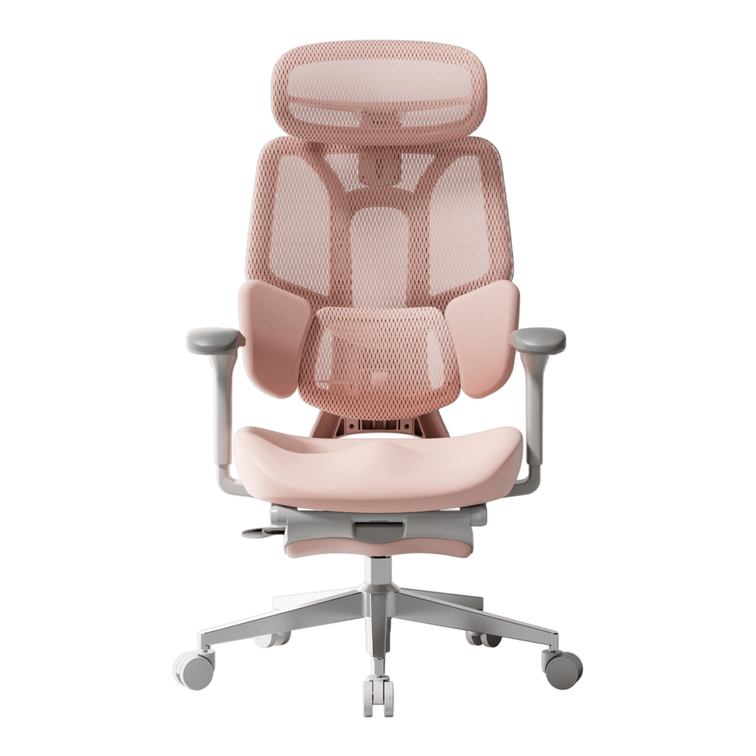
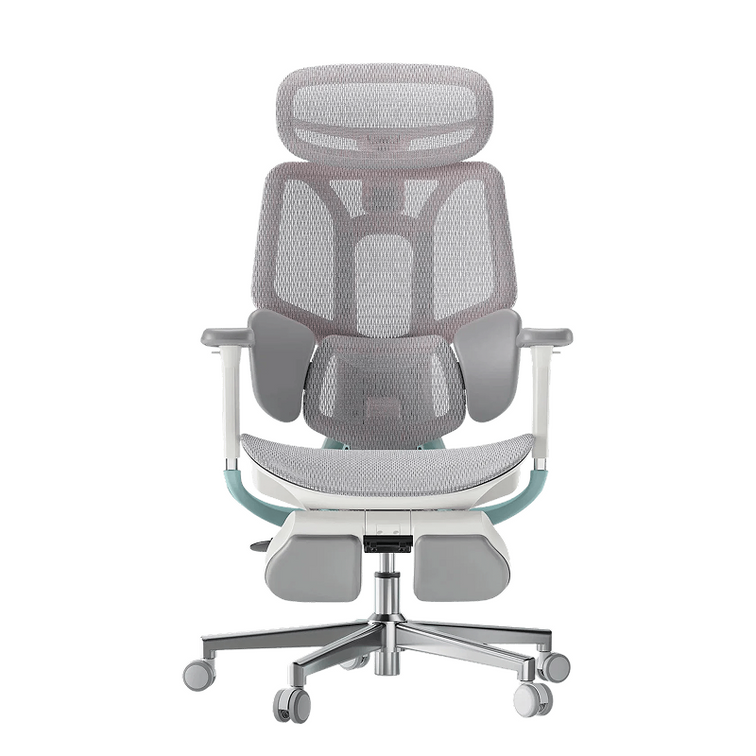
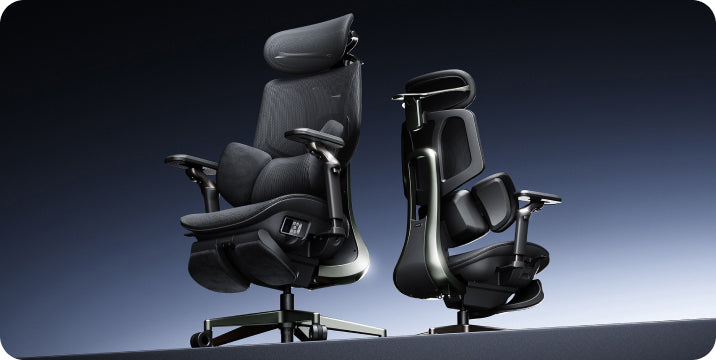
HBADA describes the X7 Smart Ergonomic Office Chair as offering AI lumbar tracking. It is an example of applying smart functionality to a specific part of the seated experience.
When considering it for your workspace, review the product’s dimensions, controls and adjustment range alongside your desk measurements. Lumbar tracking does not set your keyboard height or position your monitor, so those adjustments remain part of the setup.
Compare the exact model and variant before ordering. Do not assume that features, power requirements or operating modes are identical across the X7 family.
Explore the HBADA X7Frequently Asked Questions
Is an adaptive lumbar support the same as AI lumbar tracking?
Not necessarily. Adaptive support may use a mechanical response to movement or load. An AI-labeled system depends on the manufacturer’s design. Check how the support moves and what controls it.
Do the chair and standing desk need to connect electronically?
No. They can work together through suitable dimensions and separate adjustments. Only expect electronic coordination if the manufacturers explicitly document compatibility.
Is a monitor arm necessary?
Only if it solves a positioning or space problem. If the monitor’s existing stand provides the height, distance and angle you need, an arm may be optional.
Can I use a smart ergonomic chair with a regular desk?
Yes, provided the chair’s dimensions and adjustment range work with the desk. Check keyboard height, armrest clearance and space for your legs before choosing the chair.
What happens when a smart chair runs out of power?
That depends on the model. Check which functions require power, which adjustments remain available and whether the manual permits normal use while disconnected. Do not assume a universal backup mode.
Can smart furniture automatically create perfect posture?
No feature label guarantees that outcome. Your equipment still needs to fit your body and tasks. Automatic adjustments also cannot replace changes of position and activity.
Should I replace my entire workspace at once?
Usually, you can assess one limitation at a time. Identify what cannot be adjusted adequately, measure the available space and upgrade the component that addresses that problem first.