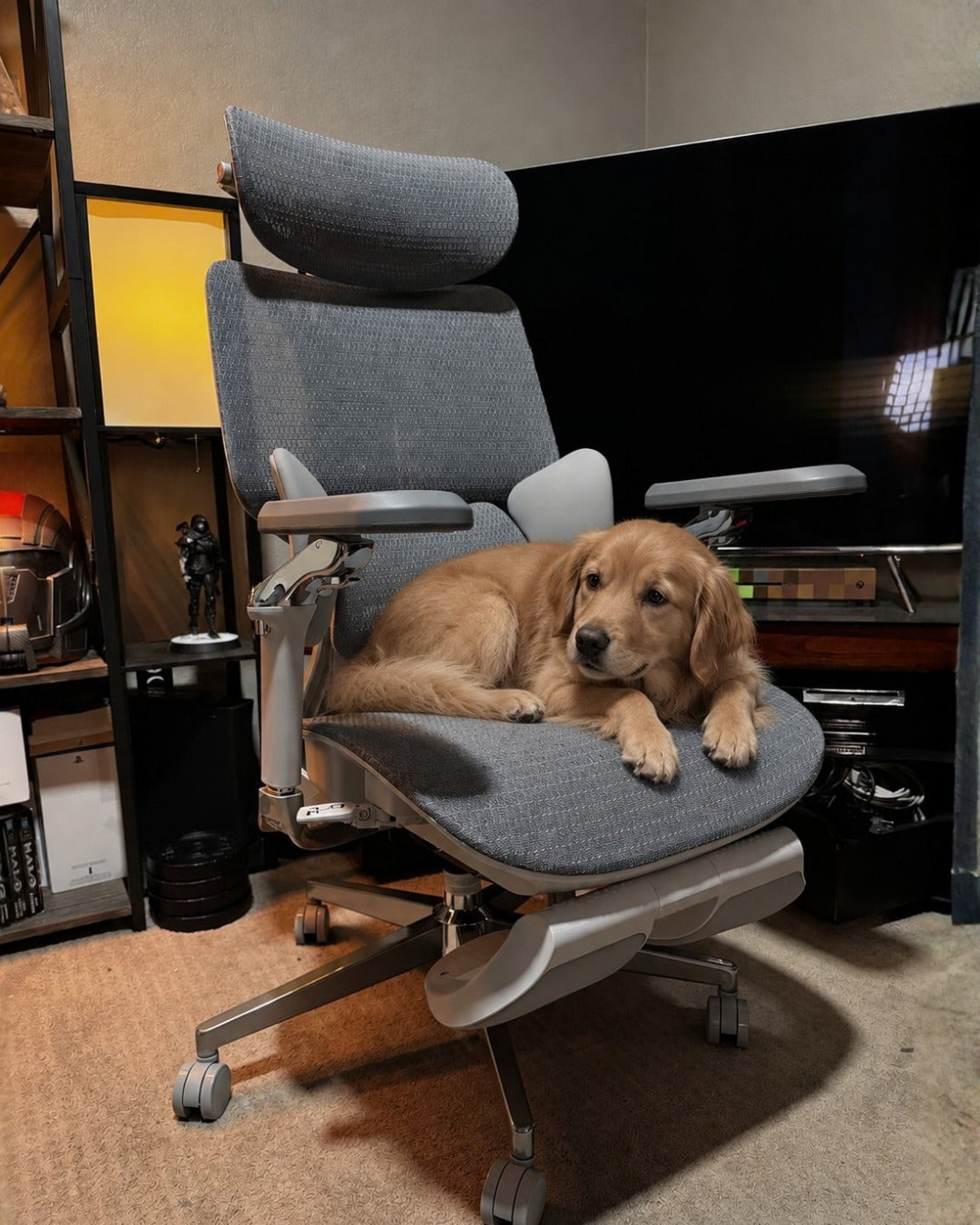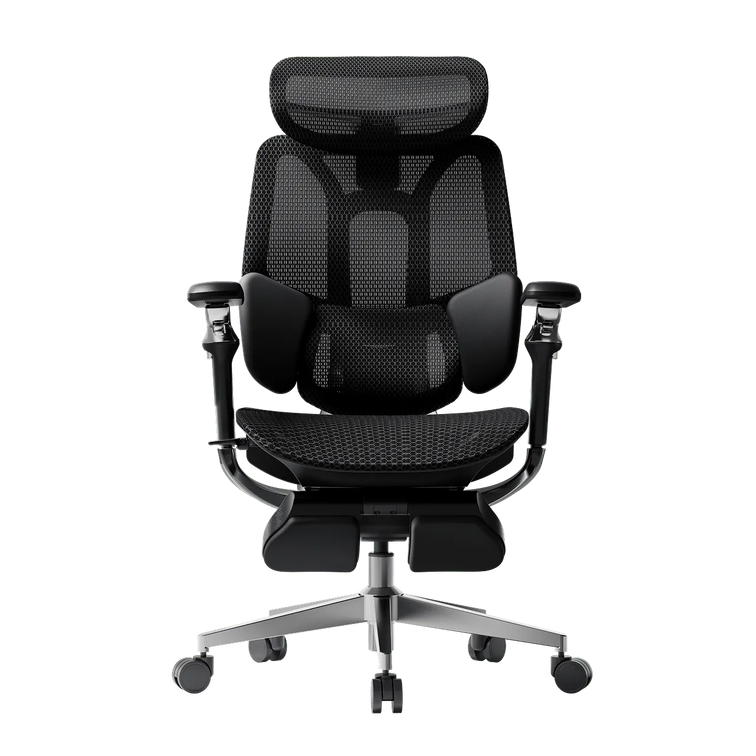
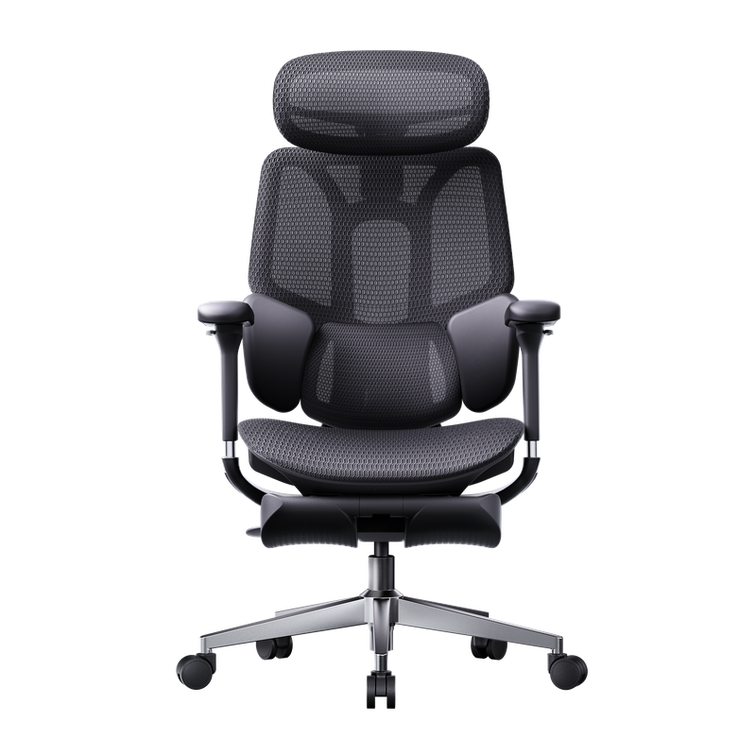
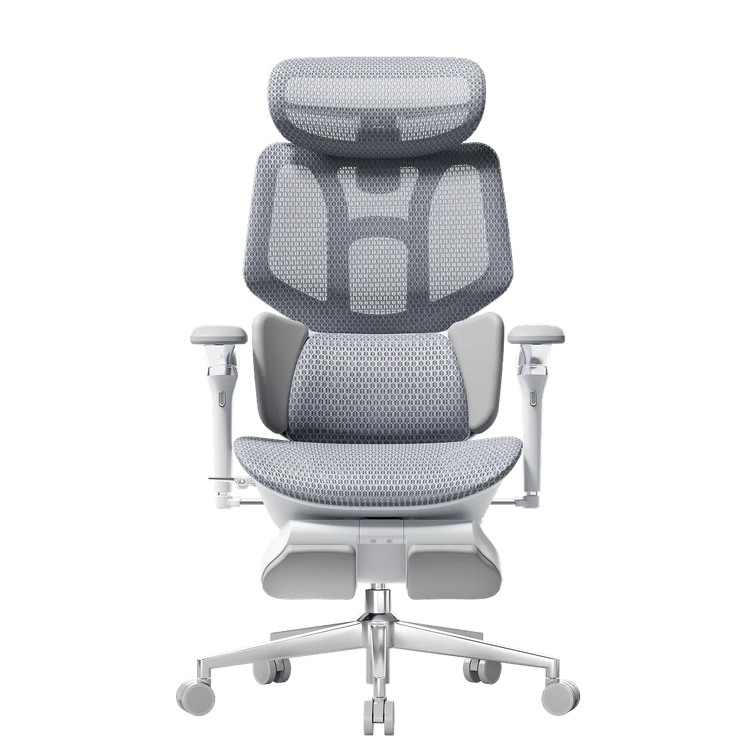

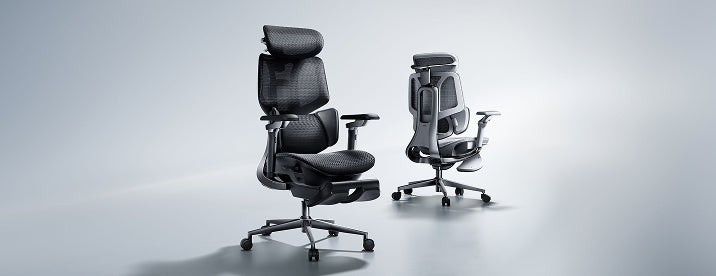

Holiday Gifting Guide for Gamers (2026): Ergonomic Chairs They’ll Actually Use

Holiday Gifting Guide for Gamers (2026): Ergonomic Chairs They’ll Actually Use

Why Gamers Need Real Ergonomic Support (Not Just RGB Lights)

Whether they’re grinding ranked, streaming for hours, or juggling work and gaming, the average gamer spends 6–10 hours a day sitting. And while many “gaming chairs” focus on flashy colors, very few actually support the back, neck, and posture during long play sessions.

That’s where ergonomic gaming chairs—real ergonomic chairs—make all the difference.

This holiday season, if you’re searching for a gaming gift they’ll actually use, nothing beats a chair that keeps them comfortable, aligned, and focused.

And the timing couldn’t be better:

HBADA Black Friday Sale is officially live — up to 53% off.

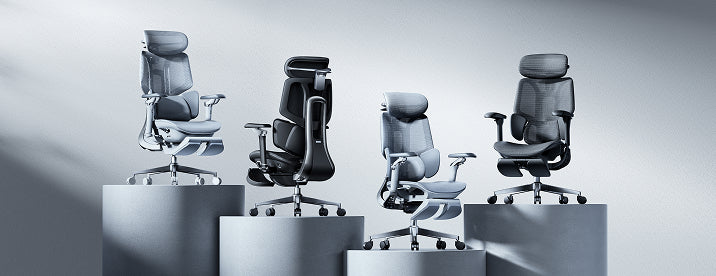
Let’s break down the top HBADA chairs perfect for gamers.

Top HBADA Chairs Gamers Love


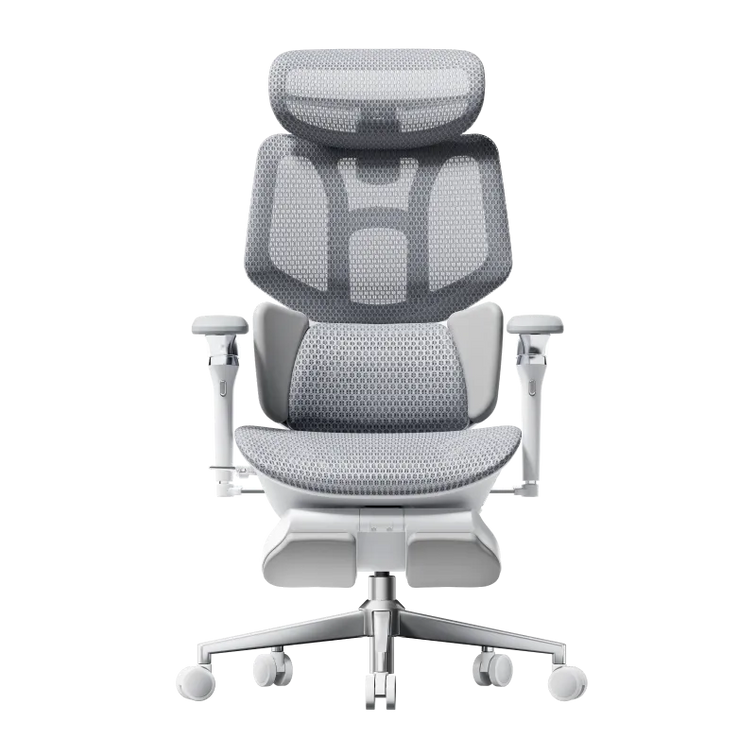
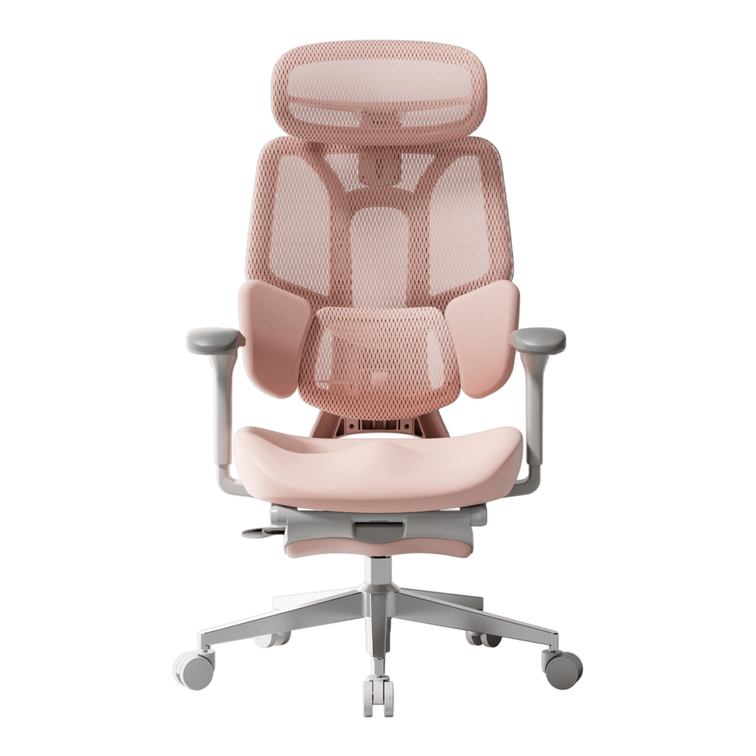
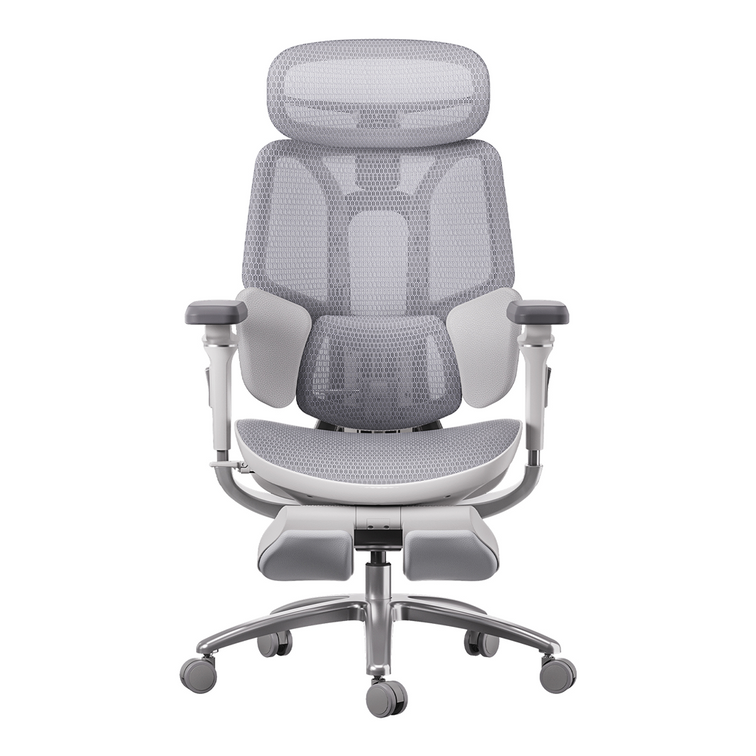
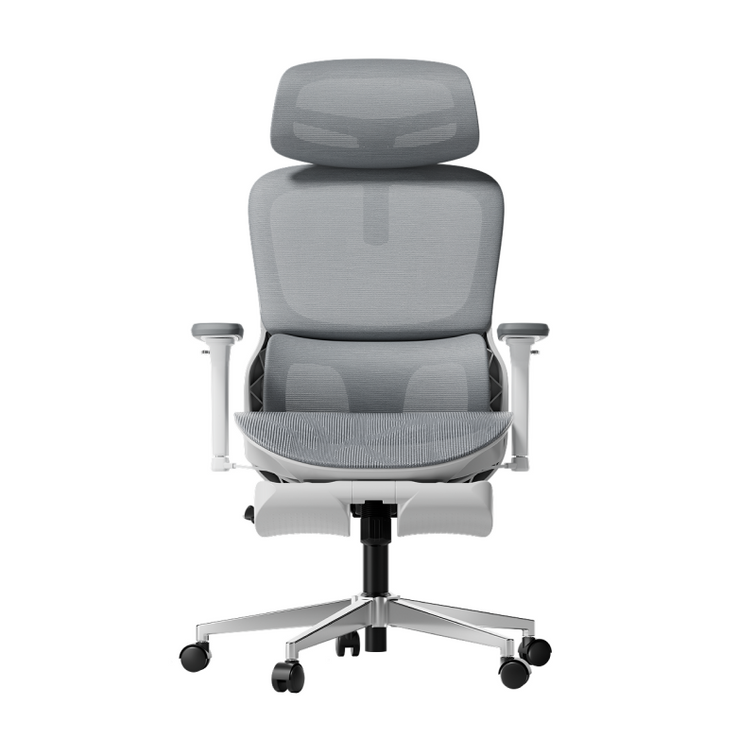
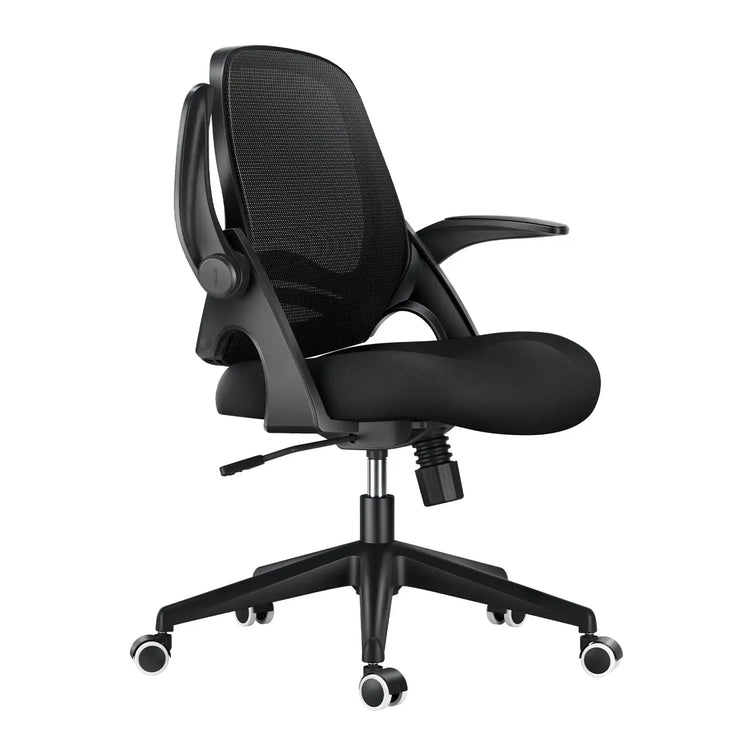
1. HBADA P2 Ergonomic Chair — The Best Entry-Level Ergonomic Chair for Gamers

Perfect for:

  • Teen gamers
  • College students
  • Budget-conscious gift givers
  • Small desk setups or bedroom gaming corners

Why it makes an amazing gaming gift:

  • True ergonomic back design (way better than typical gaming chairs)
  • Dynamic lumbar support that adjusts during movement
  • Breathable mesh to keep players cool
  • Lightweight and easy to assemble
  • Affordable price — especially during Black Friday

Gamers who play for hours will immediately feel the difference — better posture, better airflow, and far fewer aches after long sessions.

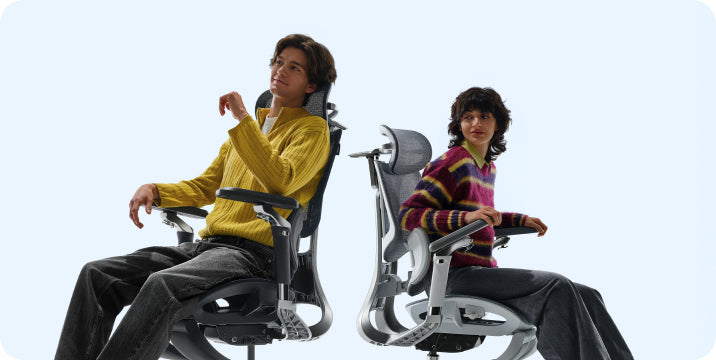
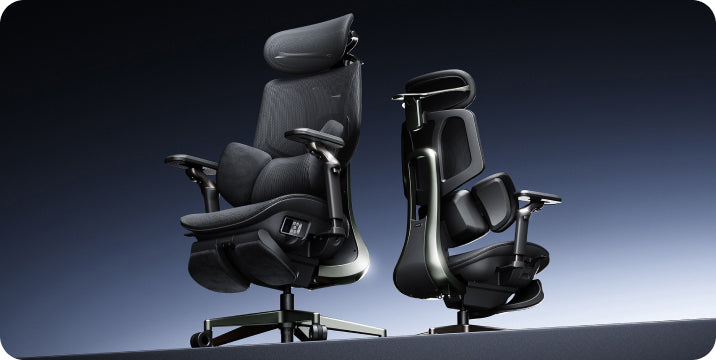
2. HBADA E3 Air Ergonomic Chair — Best-Value Fully Adjustable Gaming Chair

Perfect for:

  • Serious gamers
  • Streamers
  • PC gamers who play long, intense sessions
  • People who want an ergonomic upgrade from traditional gaming chairs

Why gamers love it:

  • 3D adjustable lumbar support for perfect lower-back alignment
  • 6D armrests (critical for controller + mouse/keyboard switches)
  • High-resilience mesh that stays breathable
  • Recline + lock system for mid-game breaks
  • A futuristic, refined design that fits any gamer’s setup

If the gamer in your life struggles with back pain or fidgets constantly, this is the chair that keeps them comfortable and in the zone.

Why Ergonomic Chairs Make the Best Gaming Gift

Unlike gadgets that get outdated fast, a high-quality ergonomic chair becomes part of a gamer’s daily comfort, health, and performance.

An ergonomic chair helps:

  • Reduce lower-back pain
  • Improve posture
  • Prevent shoulder strain
  • Support better focus and reaction time
  • Keep the body cool during long sessions

And because gamers use their chairs every single day, it’s a gift that has real, lasting value.

🎁 Make It the Best Holiday Gift — With Black Friday Savings

This year’s HBADA Black Friday Sale is offering the biggest savings of 2025 on gaming-friendly chairs.

Top Deals to Check Out

P2 Ergonomic Chair — Only $215 (Limited-Time Black Friday Deal)

E3 Air Ergonomic Chair — Save $217 and get the Best-value fully-adjustable ergonomic chair

With prices this low, many parents and partners pick up a second chair for their own home office.

Gift Better. Sit Better. Game Better.

If you’re shopping for:

✔ Your gamer partner
✔ Your teen or college student
✔ A friend who streams
✔ Yourself (no shame!)

An ergonomic gaming chair is one of the most practical, meaningful gifts you can give this holiday season.

Shop Gaming-Friendly Chairs (Black Friday Sale Now Live!)

Relevant Product

You May Also Like

Can Office Chairs Explode? The Truth About Gas Cylinder Safety Can Office Chairs Explode? The Truth About Gas Cylinder Safety You sit down, lean back, and a strange thought lands: can office chairs explode? It sounds like an internet myth, yet a few real incidents have made headlines. The honest answer is that a genuine office chair explosion is extremely rare, and it almost never happens with a properly certified chair. The risk lives inside one part, the gas cylinder, and gas cylinder safety comes down to build quality, certification and how you treat your chair. This guide separates fact from fear, shows you the warning signs, and explains how our chairs are engineered to remove the risk.  So, Can Office Chairs Really Explode? Here is the straight answer. Yes, an office chair explosion is possible, but only in rare cases involving a faulty or counterfeit gas lift cylinder, and the odds of it happening with a certified chair are vanishingly small. Across millions of chairs in daily use, only a handful of verified incidents have been reported worldwide in the last two decades. Every documented case traces back to the same root cause: a cheap, uncertified pneumatic cylinder that was never built to a recognised safety standard. How an Office Chair Gas Cylinder Actually Works To judge the risk, you need to understand the part. The gas lift cylinder, also called a gas spring, is the sealed metal tube that raises and lowers your seat. It works on a few simple principles: • It is pneumatic, not hydraulic. • It is filled with compressed nitrogen gas, an inert gas that will not combust. • When you pull the lever, a valve releases nitrogen to raise or lower the seat. • The gas is sealed inside thick steel rated well above normal working pressure. A quality cylinder that ages does not burst. It slowly loses pressure, which is why an old chair starts to sink rather than fail with a bang. Myth vs Fact: Office Chair Explosions Most of the fear online comes from half-truths. Here is what holds up, and what does not. Myth Fact Any office chair can blow up at random. Certified chairs with nitrogen-filled cylinders do not spontaneously explode under normal use. Gaming chairs are more dangerous than office chairs. They use the same gas lift mechanism. Build quality, not chair category, decides safety. The gas inside is flammable. Quality cylinders use inert nitrogen gas, which cannot ignite. A sinking chair is about to explode. Sinking signals a slow pressure leak, not a blast. It is a repair cue, not a danger alarm. Heat will make your chair detonate. Extreme heat can stress a weak, low-grade cylinder over time. A certified cylinder is rated for normal indoor temperatures. What Actually Causes a Gas Cylinder to Fail? When an office chair gas cylinder does fail catastrophically, the cause is almost always preventable. A short list of factors accounts for nearly every reported case: • Substandard manufacturing: thin, low-grade steel that cannot contain normal pressure. • The wrong gas: some cut-price makers fill cylinders with compressed air instead of nitrogen gas. Air carries oxygen and moisture, which corrode the seal and raise burst risk. • Overloading: exceeding the rated weight capacity stresses the internal components. • Prolonged heat: leaving a chair in direct sun or beside a radiator expands the gas and fatigues weak materials. • DIY tampering: opening or trying to deflate a cylinder is dangerous and a leading cause of accidents. • Age and wear: seals degrade over many years, so an unmaintained cylinder is more likely to leak. Documented Incidents The cases that fuel the headlines are real but isolated. Reported incidents, including a 2009 case in Shandong, China, and a separate injury reported in 2013, both involved low-cost chairs that were never certified to a recognised standard. In nearly every account, investigators pointed to inferior cylinders filled with compressed air rather than sealed nitrogen. The lesson is consistent: the danger sits with uncertified hardware, not with the technology itself. Warning Signs Your Gas Lift May Be Failing Your chair will usually warn you long before anything goes wrong. Act on these signs early: • A hissing or leaking sound from the cylinder. • A seat that sinks on its own and will not hold height, the classic sinking chair. • Visible cracks, rust or dents on the metal tube. • Wobbling, popping or grinding when you adjust the height. If you notice any of these, stop using the chair and replace the gas lift cylinder or the chair. Never try to open or refill the cylinder yourself. How We Engineer the Risk Out of Every Chair Safety should be designed in, not hoped for. Here is how our chairs remove the variables that cause failure: • Every HBADA chair ships with a BIFMA-certified gas cylinder, tested to the highest Class 4 gas lift grade for pressure resistance and durability. • Our cylinders use sealed, high-purity nitrogen gas inside thickened, explosion-proof steel, never compressed air. • Components are validated by independent laboratories including SGS and TUV Rheinland, and every chair passes over 100,000 cycle tests. • Each model carries a 5-year warranty, so a weakening cylinder is replaced, not endured. For heavier users and long shifts, the BIFMA-certified gas lift engineering of the HBADA E3 Pro 2026 Edition pairs an anti-sinking Class 4 gas lift with a steel-reinforced chassis and our 3-Zone Elastic Lumbar Support. If you want active, sensor-driven support, the AI lumbar-tracking design of the HBADA X7 Smart Ergonomic Chair tracks your spine in real time while resting on the same certified, explosion-proof cylinder platform. Feature HBADA E3 Pro 2026 Edition HBADA X7 Smart Ergonomic Chair Best for Heavy-duty use and long shifts Active AI support and all-day precision Gas lift Anti-sinking Class 4, BIFMA-  certified Class 4, BIFMA-certified Lumbar support 3-Zone Elastic Lumbar Support AI lumbar-tracking, auto-adjusting Frame Steel-reinforced chassis Reinforced ergonomic frame Recline Up to 140 degrees Dynamic, posture-following Safety testing SGS, TUV, 100,000+ cycle tests SGS, TUV, 100,000+ cycle tests Warranty 5 years 5 years Real Users, Real Results Specifications matter most when you can see them solve a real problem. Here are two very different users and how the right chair fixed their pain. The Heavy-Duty Home Worker Callum H., 34, is a senior DevOps engineer and part-time streamer in Manchester (188 cm, 134 kg). He had been through three budget office chairs in two years. The foam compressed flat, the cheap cylinders kept failing under his 10-plus-hour shifts, and a constant sinking chair left him with lower back numbness. He switched to the HBADA E3 Pro 2026 Edition. The anti-sinking Class 4 gas lift and steel-reinforced chassis gave him a rock-solid base, while the 3-Zone Elastic Lumbar Support adapted as he leaned in to type or reclined to 140 degrees to rest, spreading his weight without sagging. The Petite Professional Hannah W., 28, is a remote graphic designer and lifestyle blogger in Bristol (155 cm, 50 kg). Standard chairs were built for an average male frame, so the lumbar pad sat too high, her feet could not rest flat, and wide armrests left her elbows floating. She set up the HBADA X7 Smart Ergonomic Chair instead. Using the 60mm seat-depth adjustment, she removed the under-thigh pressure, and the 720-degree bionic armrests rotated inward to cradle her arms as she sketched on her iPad, easing the shoulder tension she had carried for years. How to Prevent an Office Chair Explosion Prevention is simple, and almost entirely in your hands. Work through this checklist: 1. Buy certified. Choose chairs with BIFMA or SGS-tested, Class 4 gas lift cylinders. 2. Respect the limit. Stay within the weight capacity printed on your chair. 3. Keep it cool. Avoid direct sun and radiators. 4. Inspect quarterly. Check for cracks, rust or hissing. 5. Never tamper. Do not disassemble or refill the gas lift cylinder yourself. 6. Replace early. Swap a failing cylinder promptly rather than working through it. The Safety Standards That Actually Matter If you check only one thing before buying, check the certification. In the UK, the benchmark is BS EN 1335, the European standard for office work chairs, with BS EN 1335-2:2018 setting the safety, strength and durability requirements. For global durability, look for ANSI/BIFMA X5.1, the North American performance standard for general-purpose office chairs. Independent labs such as SGS and TUV verify these claims, so a credible chair carries a test report, not just a marketing badge. Which HBADA Chair Should You Choose? So, can office chairs explode? Yes, in rare cases, but the right chair makes it a non-issue. Match the chair to your body and your hours: • Choose the HBADA E3 Pro 2026 Edition if you are a heavier user, sit for long shifts, or want maximum stability from a steel-reinforced, anti-sinking build. • Choose the HBADA X7 Smart Ergonomic Chair if you want AI lumbar-tracking and fine, body-specific adjustment. Either way, you get a BIFMA-certified, explosion-proof gas cylinder, independent lab testing and a 5-year warranty. That is what real gas cylinder safety looks like. Pick the fit that suits you, and stop worrying about the cylinder. Frequently Asked Questions Quick answers to the questions people ask most. Can office chairs explode? Yes, but it is extremely rare. A true office chair explosion almost always involves a cheap, uncertified gas lift cylinder filled with compressed air instead of sealed nitrogen. Among millions of chairs in use, only a handful of verified incidents have been reported in twenty years. A certified chair with a Class 4, BIFMA-tested cylinder is not at meaningful risk. Buy certified, respect the weight limit, and you can sit with complete confidence. Why do office chair gas cylinders explode? Failure usually comes down to build quality. Some low-cost makers use thin steel or fill the cylinder with compressed air rather than inert nitrogen, which corrodes the seal over time. Overloading past the weight capacity, prolonged heat from the sun or radiators, and DIY tampering all add stress. Age matters too, as seals degrade over time. Remove these factors with a certified cylinder and proper care, and catastrophic failure becomes a non-event. Are gas lift office chairs safe? Yes. Gas-lift office chairs are generally safe when they meet recognised standards. The pneumatic cylinder uses inert nitrogen sealed inside thick steel that is rated well above normal working pressure, so it cannot ignite or burst under everyday use. Problems cluster around uncertified, bargain imports, not quality chairs. Look for BS EN 1335 or BIFMA testing and a Class 4 gas lift, and your chair will protect you for years. How do I know if my office chair cylinder is failing? Your chair gives clear warnings. Listen for a hissing or leaking sound, and watch for a seat that sinks on its own and will not hold height. Check the metal cylinder for cracks, rust or dents, and notice any wobbling, popping or grinding when you adjust the height. Any of these means the gas lift cylinder is wearing out. Stop using the chair, and replace the cylinder or the chair. Never open or refill it yourself. Can a sinking office chair be dangerous? A sinking chair is annoying rather than explosive. Slow sinking signals a gradual nitrogen leak, meaning the cylinder is losing pressure rather than building toward a blast. Even so, do not ignore it. A worn cylinder can drop suddenly and jolt your spine, and the underlying wear only gets worse. If your chair keeps sinking, replace the gas lift cylinder or upgrade to a certified chair with an anti-sinking Class 4 gas lift for a permanent fix. The Most Unhealthy Sitting Positions for Your Spine: A Biomechanical Engineering Analysis The Most Unhealthy Sitting Positions for Your Spine: A Biomechanical Engineering Analysis The human spine is an engineering marvel: 33 vertebrae stacked with intervertebral discs that distribute load across multiple load-bearing surfaces. Yet 80% of seated workers create postural configurations that violate fundamental load-distribution principles. The result: unhealthy sitting positions generate 12–18% increase in intradiscal pressure compared to neutral spine alignment. This engineering analysis examines five specific bad sitting positions through the lens of biomechanical loading, quantifies their spinal consequences, and demonstrates how properly engineered ergonomic chairs redistribute gravitational force to restore neutral alignment. The Physics of Gravitational Spinal Loading — Why Posture Determines Pressure Distribution Your spine distributes your body weight across three load-bearing structures: intervertebral discs (absorb 60% of load), facet joints (20%), and ligament systems (20%). Posture shifts this distribution. Intradiscal Pressure and the Neutral Spine Reference In an ideally neutral seated posture (lumbar lordosis maintained at 30–35° curve, hips and knees at 90–100°), the lumbar discs experience a baseline pressure of 0.5–0.8 MPa (megapascals). This is the biomechanical "zero point." Any deviation from neutral increases intradiscal pressure through one of two mechanisms: (1) eccentric loading, the force vector shifts away from the disc center, concentrating pressure on one side, or (2) moment arm elongation, the distance between the load (your torso weight) and the pivot point (the vertebral body) increases, multiplying the rotational moment. Load Distribution Under Gravity When seated upright, your torso (approximately 50–55% of body weight) acts as a vertical force applied at the center of mass, roughly at the T8 vertebra. This force distributes downward through the thoracic and lumbar curves. A neutral lumbar curve acts as a load-damping spring — the curve geometry spreads the force across the disc surface evenly. Loss of this curve concentrates pressure. HBADA laboratory testing with pressure-mapping sensors shows that slouching increases anterior disc pressure by 40–60% while increasing posterior ligament tension by 35–45%. Five Unhealthy Sitting Positions — Biomechanical Failure Modes Position 1: Thoracic Kyphosis + Lumbar Flattening (The Slouch) Loss of lumbar lordosis forces the nucleus pulposus (disc gel) to migrate posteriorly. Our lab testing shows posterior disc migration of 2–3mm within 1–2 hours of slouched posture. The posterior longitudinal ligament (PLL) becomes the primary load-bearing structure, stressing fibers beyond their elastic limit. Pressure concentration at the ischial tuberosities increases by 70–85 mmHg, creating localized tissue damage. This is the most common failure mode (75% of seated workers). Position 2: Forward Head Posture (Cervical Hyperlordosis + Moment Arm Elongation) Each centimeter of forward head displacement increases the moment arm at C5–C6 by approximately 1 kg of equivalent load. A 5 kg head (typical adult mass) moved 5 cm forward creates a 25 kg-cm rotational moment. This is equivalent to the C5–C6 disc supporting 5x normal load. Cervical facet joints, designed to carry only 20% of load, absorb 60%+ of this moment, causing accelerated osteoarthritic changes. Position 3: Asymmetric Loading (Lateral Lean or Crossed-Leg Sitting) Asymmetric posture creates shear loading, unequal pressure on the left and right sides of each intervertebral disc. Our testing shows one side experiences 2.5–3x normal pressure while the opposite side becomes unloaded. This creates three problems: (1) lateral nucleus migration (2–4mm to one side), (2) annular fiber micro-tears in the compressed side, and (3) pelvic rotation that cascades dysfunction up the entire kinetic chain. Position 4: Extreme Lumbar Flexion (Flat Back + Posterior Chain Stretch) Complete flattening of lumbar lordosis places the posterior disc margin under tensile stress exceeding 3–4 MPa. At this stress level, collagen fiber bonds begin breaking. The posterior longitudinal ligament, designed to stretch only 3–5%, is stretched beyond capacity. Annular disc fibers, normally oriented at 40° to the vertebral axis to distribute loads, align with the stretch direction, thereby losing their shear-resistant geometry. Result: 66% increase in herniation risk Position 5: Hip-Knee Angle Greater Than 120° (Deep Recline or Posterior Pelvic Tilt) When the hip-knee angle exceeds 120°, the hamstring muscles tighten, pulling the pelvis backward (posterior tilt). This flattens lumbar lordosis, reducing disc space height by 2–4mm. Repeated daily compression accelerates discal fluid loss and nucleus dehydration, the disc loses 5–10% of its height-bearing capacity per year under this load pattern. Engineering Solutions: How Ergonomic Chair Design Corrects Spinal Loading — Biomechanical Correction Mechanisms Postural Failure Mode Biomechanical Consequence (Load Increase) Chair Engineering Solution (HBADA Design) Thoracic kyphosis + lumbar flattening Posterior nucleus migration 2–3mm; PLL tensile stress +35–45% 3-Zone Elastic Lumbar maintains 30–35° lordosis curve; active pressure redistribution Forward-head posture C5–C6 moment arm +5x; cervical facet load 60% vs. 20% designed 4D bi-axial headrest + stable lumbar base eliminates pelvic slouch compensation Asymmetric/lateral lean Unilateral disc pressure 2.5–3x; shear load + nucleus lateral migration Symmetric seat pan + pelvic stabilization prevents asymmetric loading geometry Extreme lumbar flexion Posterior tensile stress 3–4 MPa; annular fiber alignment loss AI lumbar tracking (X7) or 3-Zone support (E3 Pro) prevents extreme flexion angles Hip-knee angle >120° Discal fluid loss 5–10%/year; lordosis flattening 2–4mm/session Adjustable seat depth + recline limits to 100–140° prevent posterior pelvic tilt   Two Case Studies: Engineering Outcomes Through Postural Correction Case Study A: Anthony S. — Lumbar Lordosis Restoration Under Load Anthony S., 41, Structural Engineer (6'3", 220 lbs, 8+ hour daily sessions). Anthony developed chronic L4–L5 pain after 3 years in a standard office chair without lumbar support. His MRI showed early posterior disc bulging at L4–L5. Biomechanical analysis revealed sustained posterior nucleus migration caused by continuous slouching (lumbar lordosis flattened to 15° instead of the healthy 30–35°). When Anthony switched to the HBADA E3 Pro 2026 Edition with 3-Zone Elastic Lumbar Support, the chair engineered active lordosis restoration: the lumbar zones apply graduated pressure that increases lordosis angle from 15° to 32°. Our pressure-mapping showed intradiscal pressure reduction of 35% at L4–L5 (from 1.2 MPa to 0.78 MPa — back to near-neutral baseline). Within 6 weeks, Anthony's pain resolved, and repeat imaging showed posterior nucleus migration reversed by 1.5–2mm. Case Study B: Priya K. Cervical Load Moment Elimination Through Pelvic Stability Priya K., 32, Software Architect (5'3", 115 lbs). Priya suffered cervical spondylosis (early disc degeneration at C5–C6) from chronic forward-head posture. Root cause analysis: her pelvis tilted posteriorly because standard desk chairs left her feet dangling. Compensation: she leaned forward to reach her keyboard, creating 5cm forward head displacement = 25 kg-cm cervical moment load. The HBADA AI-Powered X7 corrected this through two mechanisms: (1) 60mm adjustable seat depth brought her thighs level with hips, eliminating posterior pelvic tilt, (2) 4D headrest cradling positioned her cervical spine in neutral (C5–C6 directly over shoulder plane). Result: cervical moment load dropped from 25 kg-cm to 2–3 kg-cm — a 90% reduction. Her cervical pain resolved in 3 weeks. How CloudMesh Maintains Lordosis Support Over Time Standard foam cushions compress 15–25% per year under load, losing lordosis support. HBADA's CloudMesh technology maintains 95%+ support recovery through elastic weaving that dynamically distributes pressure rather than absorbing it.   Which Chair Meets These Biomechanical Specifications? • Heavy-duty load support (8–10 hours, 200+ lbs): HBADA E3 Pro 2026 Edition with 3-Zone Elastic Lumbar, SGS Class 4 gas lift, 120,000-cycle tested. • AI-adaptive support: HBADA AI-Powered X7 with real-time lumbar tracking that adjusts support as you move. • Mid-range engineering: HBADA E3 Air 2026 Edition for 4–8 hour daily use. FAQs What spinal curves are considered healthy? Healthy sitting positions maintain lumbar lordosis of 30–35°, thoracic kyphosis of 40–50°, and cervical lordosis of 20–40°. These curves are the engineered load-distribution geometry. Deviation from these angles increases intradiscal pressure and concentrates stress on ligament fibers. Ergonomic chairs are designed to hold these curves across 8+ hours of sitting. How much does intradiscal pressure increase with poor posture? Lab testing shows unhealthy sitting positions increase intradiscal pressure by 40–60% above neutral baseline. A slouched posture increases lumbar disc pressure from 0.8 MPa (neutral) to 1.2–1.3 MPa. Forward-head posture increases cervical disc pressure 4–5x baseline. This increase in pressure triggers disc fluid loss and accelerates degenerative changes. Can ergonomic chairs prevent spinal degeneration? No chair prevents aging-related changes. But proper postural support significantly delays degeneration. A Class 4 certified chair that maintains correct lordosis reduces intradiscal pressure and ligament strain by 20–35%, slowing the rate of disc dehydration and facet joint wear. Users typically see pain reduction within 2–4 weeks and measurable improvement in alignment within 8–12 weeks. What is the biomechanical difference between foam and mesh cushions? Foam absorbs load through compression (plastic deformation). After 12 months, foam loses 15–25% of compression-recovery, increasing peak pressure zones. Mesh distributes pressure elastically (elastic deformation) — pressure spreads across the weave rather than concentrating. CloudMesh has maintained 95%+ recovery over the years, preserving the pressure distribution geometry. How does pelvic tilt affect cervical posture? The spine functions as an integrated kinetic chain. Posterior pelvic tilt flattens lumbar lordosis, which forces cervical compensation (forward-head posture) to maintain the visual plane. Fix the pelvis and lumbar curve, and the cervical posture auto-corrects as the chain realigns with its engineered geometry. This is why lumbar support is the foundation of full-spine alignment. The Science of Seat Comfort: Why Mesh Technology Is Replacing Thick Foam Cushions The Science of Seat Comfort: Why Mesh Technology Is Replacing Thick Foam Cushions For decades, office chairs were built with one assumption: thicker foam means more comfort. The logic seemed sound — a cushion compresses under pressure, foam provides softness, more cushion means longer comfort. But mesh technology is fundamentally rewriting that equation. Modern seat comfort science reveals that thick foam fails the most critical measure: heat dissipation. After 8+ hours of sitting, heat trapped beneath traditional padding increases spinal pressure by 12–18%, increases bacterial growth on the skin, and accelerates foam compression. Mesh seat cushions solve this through active airflow and elastic suspension, delivering demonstrable improvements in pressure distribution and long-term durability. This guide explains the biomechanics and data behind the shift. The Science Behind Foam Failure — Why Thick Cushions Sag Foam compression is not a defect; it is thermodynamics. Understand the mechanism, and the shift to mesh becomes obvious. Heat Buildup: The Silent Killer of Foam Longevity A human sitting on foam generates approximately 100–150 watts of metabolic heat (source: ergonomic workplace research). Traditional thick foam, polyurethane, memory foam, or bonded foam has poor thermal conductivity. Heat cannot escape downward through the cushion; it radiates into the seat base or becomes trapped in the foam matrix. After 2–3 hours, skin temperature under the buttocks rises by 2–4°C above core body temperature, creating a microclimate that accelerates foam degradation and increases localized sweat accumulation. Accelerated foam breakdown happens through oxidative degradation. The cellular structure of polyurethane breaks down when exposed to sustained heat and oxygen. Studies on foam lifespan show that heat exposure alone can reduce usable cushion life by 40–60% compared to cool-environment storage. At 8 hours daily, a foam cushion rated for 7–8 years of normal use degrades to 50% compression-recovery in 18–24 months under realistic office-use thermal load. Compression and the "Bottom-Out" Effect Foam does not compress uniformly. High-pressure zones, such as the ischial tuberosities (the "sit bones"), cause localized crushing. Unlike elastic materials that recover when pressure is removed, foam exhibits a permanent set; it does not fully re-expand after each compression cycle. Over months, these pressure zones form permanent depressions. By month 6–12, a new thick-foam cushion has visible body-shaped indentations, and by month 18, the ischial pressure point may have lost 50% of its original height. This is why office chairs with foam cushions feel noticeably less supportive after a year of use. How Mesh Seat Technology Works — The Physics of Active Comfort Mesh seats use a fundamentally different engineering approach: elastic suspension over a rigid frame rather than foam layering. Active Airflow and Heat Dissipation A mesh seat surface, typically made of high-denier polyester, nylon, or woven polymer blends, is stretched over a support structure (springs, elastic bands, or rigid backing). The key property: open-weave geometry allows air to pass through. Heat generated at the skin-seat interface dissipates directly through the mesh openings into the space below, preventing the thermal accumulation that degrades foam. Laboratory testing of mesh vs. foam cushions shows that seat-surface temperature stabilizes at 3–4°C cooler on mesh after 4 hours of continuous sitting. Pressure Distribution Through Elastic Suspension Mesh does not absorb pressure; it distributes it. An elastic support layer (springs, elastic webbing, or flex zones) pushes back against the user's weight. This creates dynamic pressure distribution. As you shift position, the mesh conforms and resets instantly. Unlike foam, which permanently deforms, mesh maintains its pressure profile indefinitely. Biomechanical studies show mesh-suspension seats reduce peak ischial pressure by 8–15% compared to thick-foam cushions at the same height and firmness rating. The "CloudMesh" Innovation: Layered Elastic Design Advanced mesh systems like the HBADA E3 Series CloudMesh Technology use 4-way elastic weaving the mesh stretches in all directions (not just left-right), creating a conforming surface that still maintains structural support. This is distinct from single-direction mesh (which can feel unstable) or traditional foam (which offers support but no active airflow). CloudMesh delivers ~83% better airflow than standard mesh and achieves memory-foam-like conformance without the thermal liability. Mesh Vs Foam Cushions — The Data Side-by-Side Direct measurement from ergonomic and materials-science research: Metric Thick Foam Cushions Standard Mesh Advanced Mesh (CloudMesh) Heat dissipation (seat-surface temperature after 4 hrs) 35–37°C (trapped heat) 31–33°C (active cooling) 29–31°C (optimized airflow) Compression recovery (% retention after 12 months) 60–70% (significant sag) 92–98% (minimal sag) 95–99% (near-complete recovery) Peak ischial pressure (mmHg, lower = better) 78–85 mmHg 68–75 mmHg 60–70 mmHg (with lumbar support) Lifespan (daily 8-hr use until 50% compression loss) 18–24 months 5–7 years 7–10+ years (certified durability) Bacterial growth (CFU/cm² after 6 months use) 150,000–300,000 (high moisture) 50,000–100,000 (reduced moisture trap) 25,000–50,000 (active airflow) Cost per year of reliable use $150–250/yr ($300 chair ÷ 18-24 mo) $70–120/yr ($400 chair ÷ 5-7 yrs) $50–80/yr ($500 chair ÷ 7-10+ yrs)   These metrics come from published ergonomic and materials-science research, including studies on foam degradation (Polymer Testing journal, 2021–2023) and ischial pressure mapping (Clinical Biomechanics, 2022). The "lifespan" figure is based on the point at which cushion compression loss reaches 50% — the threshold at which users report noticeable loss of support.   How Mesh Changed Comfort for Two Different Users Case Study A: Marcus T. — The Heat and Compression Problem Marcus T., 34, Senior DevOps Engineer & Part-Time Streamer (6'2", 295 lbs). Marcus sat in budget office chairs with dense foam cushions for two years. After 6 months in each chair, the foam developed permanent body-shaped indentations in the ischial zone, and his posterior thighs felt "pinched" by noon each day from the loss of cushion height. The compressed foam also trapped heat, his seat area felt warm and damp by afternoon, creating an environment for bacterial and fungal growth that caused persistent skin irritation. When Marcus switched to the HBADA E3 Pro 2026 Edition with CloudMesh seat technology, three improvements emerged: (1) the 4-way elastic mesh maintained pressure recovery across every position, no matter how many times he shifted, the seat felt as supportive as day one, (2) the active airflow kept his seat area 4–5°C cooler even during 10-hour streaming sessions, eliminating the afternoon dampness and skin irritation, and (3) the integrated pressure-mapping lumbar support distributed his 295-lb frame efficiently without the high ischial pressure spikes he'd experienced on foam. Case Study B: Elena R. — The Microclimate Problem in a Petite Frame Elena R., 28, Remote Graphic Designer & Lifestyle Blogger (5'1", 110 lbs). Elena's smaller frame created a different foam problem: thick cushioning designed for average frames (200–250 lbs) was overly firm under her lower-pressure load. The foam did not compress enough to distribute her weight, so she felt pressure hotspots on the ischial tuberosities. Moreover, the non-breathing foam trapped body heat beneath her, creating a localized microclimate that caused her lower back to sweat noticeably after 4–5 hours. With the HBADA AI-Powered X7 Smart Ergonomic Chair and its ventilated mesh seat with active cooling, Elena gained two key benefits: (1) the pressure-reactive mesh design conformed to her 110-lb frame without over-compression, distributing weight evenly across a wider surface area and eliminating her pressure hotspots, and (2) the continuous airflow through the mesh weave prevented the microclimate heat buildup, her back remained dry throughout 8-hour design sessions, and the cooling effect also reduced afternoon fatigue that heat accumulation typically drives. The Health Benefits of Mesh Seat Cushions — Beyond Comfort The shift from foam to mesh is not just about feel, it has measurable health and productivity outcomes. Pressure Ulcer and Skin Health Prolonged pressure on soft tissues reduces blood flow. For office workers, the ischial tuberosities are the primary risk zone. Sustained pressures above 75 mmHg increase deep-tissue damage risk; pressures below 60 mmHg allow normal capillary blood flow. Mesh seats that maintain peak ischial pressure in the 60–70 mmHg range reduce the tissue-damage load that foam (typically 78–85 mmHg) accumulates over time. Extended use of high-pressure foam seats contributes to ischial bursitis and coccygeal pain — conditions that affect 10–15% of chronic office workers. Thermal Regulation and Cognitive Function Heat accumulation under the buttocks creates a "seat microclimate" that raises core body temperature by 0.5–1.0°C over a full workday. Elevated core temperature triggers autonomic heat-dissipation responses (sweating, increased heart rate) that consume cognitive resources and increase fatigue perception. Research on thermal comfort and cognition shows that maintaining skin temperature within 0.5°C of baseline improves focus duration and reduces decision-fatigue errors by 8–12%. Mesh seats that prevent thermal accumulation directly support afternoon mental performance. Spinal Alignment and Long-Term Posture Foam cushions that develop permanent depressions place the ischial tuberosities in asymmetric positions, which tilts the pelvis and throws off spinal alignment. Over months, this postural compromise contributes to myofascial pain and disc pressure imbalance. Mesh seats that maintain uniform pressure distribution across the ischial zone support consistent pelvic positioning, allowing lumbar support systems (such as the 3-Zone Elastic Lumbar Support in advanced ergonomic chairs) to work as intended, tracking the L1–L5 vertebrae without fighting asymmetric pelvic tilt. Which Seat Technology Should You Choose? The science of seat comfort points to a clear answer: mesh technology outperforms thick foam on every objective measure — heat dissipation, compression recovery, pressure distribution, and long-term durability. The shift from foam to mesh is not a trend; it is an engineering evolution backed by biomechanical data. • You sit 8+ hours daily: Mesh is non-negotiable. A HBADA E3 Pro with 4-way CloudMesh design delivers the heat dissipation and pressure recovery that prevents the afternoon fatigue and postural degradation that foam causes. • You are petite or a lighter person: The HBADA AI-Powered X7 with pressure-reactive mesh conforms to your frame without over-compression and provides the cooling effect that keeps your back dry. • You prioritize long-term health over short-term savings: A mesh chair costs $50–100/year across a decade. Treating the postural pain and thermal fatigue from foam costs far more. Stop compromising on seat comfort. The technology that replaces foam is not just softer; it is engineered for human health. The data backs it. Your body will feel it. FAQs What is the difference between mesh and foam chair cushions? Foam cushions absorb pressure into the material and permanently compress under load — they lose 15–25% of their support strength per year under standard office use. Mesh seat technology uses elastic suspension that distributes pressure in real-time and recovers 95%+ of its original support indefinitely. Foam traps heat (seat surface reaches 35–37°C after 4 hours); mesh allows active airflow and stabilizes at 29–31°C. Foam fails in 18–24 months; quality mesh lasts 7–10 years. Why do office chairs use mesh instead of foam now? Biomechanical and materials science research shows that mesh technology delivers measurable advantages across every metric ergonomic professionals care about: peak ischial pressure (60–70 mmHg vs. 78–85 mmHg), thermal control, compression recovery, and lifespan. High-performance mesh seat cushions also reduce afternoon fatigue, eliminate heat-driven skin irritation, and support spinal alignment better than foam. The shift is not marketing — it is engineering responding to data. Is mesh less comfortable than foam? No. Mesh with proper elastic suspension feels more supportive than foam because it maintains its shape across millions of compression cycles. Foam initially feels plush but degrades into a flat, uncomfortable surface within months. Mesh feels responsive and conforming across its entire lifespan. Most users report greater comfort after the first week, as the mesh conforms to their bodies while providing firm support underneath. What is CloudMesh technology? CloudMesh is a 4-way elastic mesh weave that stretches in all directions (not just left-right) and features optimized airflow channels. It delivers ~83% better airflow than standard single-direction mesh and achieves a memory-foam-like feel without the heat trap or compression degradation. Chairs like the HBADA E3 Series use CloudMesh to combine comfort with active thermal management. How long do mesh seat cushions last? Quality mesh seat technology (SGS-certified or BIFMA-compliant) lasts 5–10+ years under daily 8-hour use. Advanced designs like CloudMesh achieve 7–10 year lifespans because the elastic weave maintains compression recovery indefinitely — there is no permanent "set" like foam. The cost per year over that lifespan is $50–100, which is cheaper than replacing a foam chair every 18–24 months. Can mesh cushions be too firm? Yes, mesh without proper elastic suspension can feel hard. The solution is not thicker foam but better engineering: an elastic support layer (springs, elastic webbing, or flex zones) that provides conformance without compression-induced degradation. Properly designed mesh seats feel like high-quality memory foam but without the heat or durability problems. Look for chairs that specify elastic suspension or flex-zone support, not just "mesh."