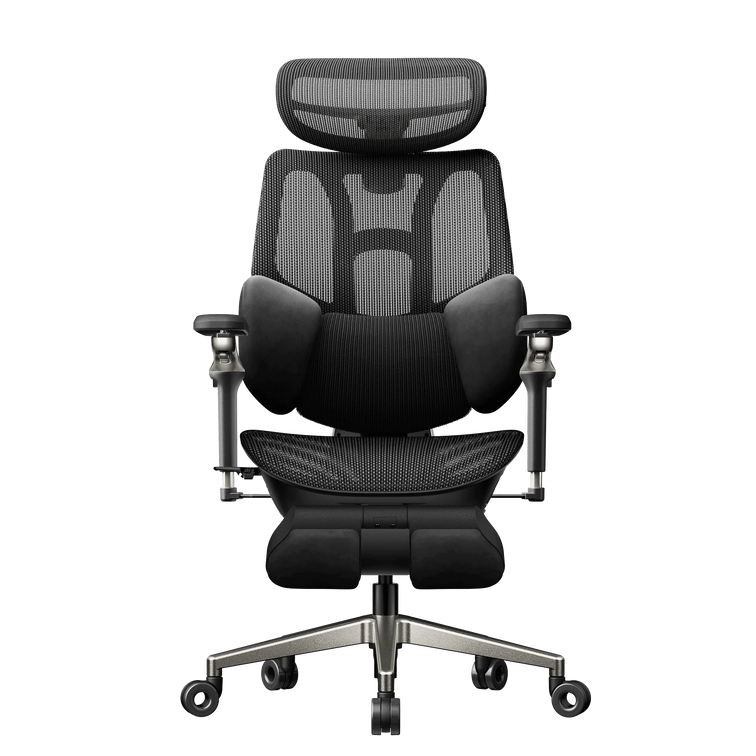
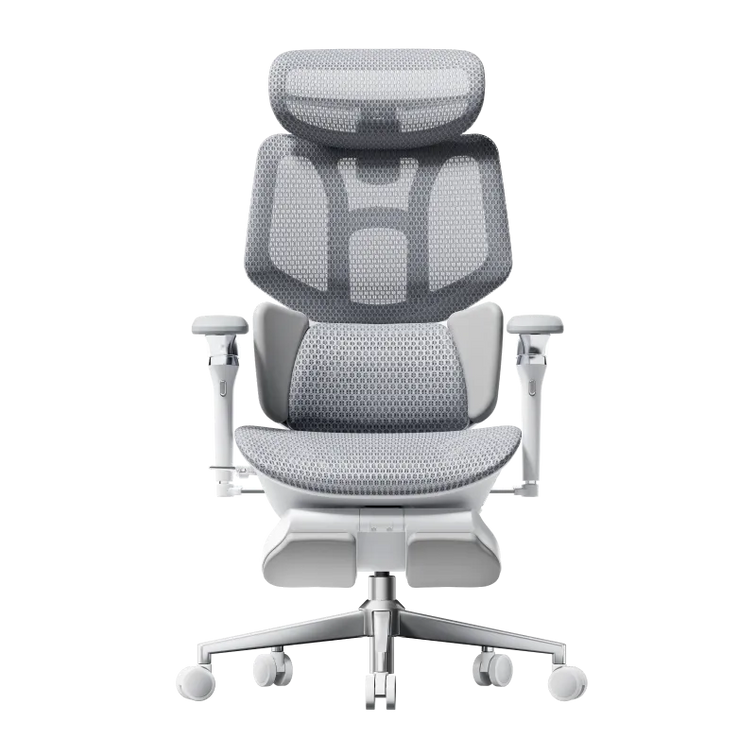
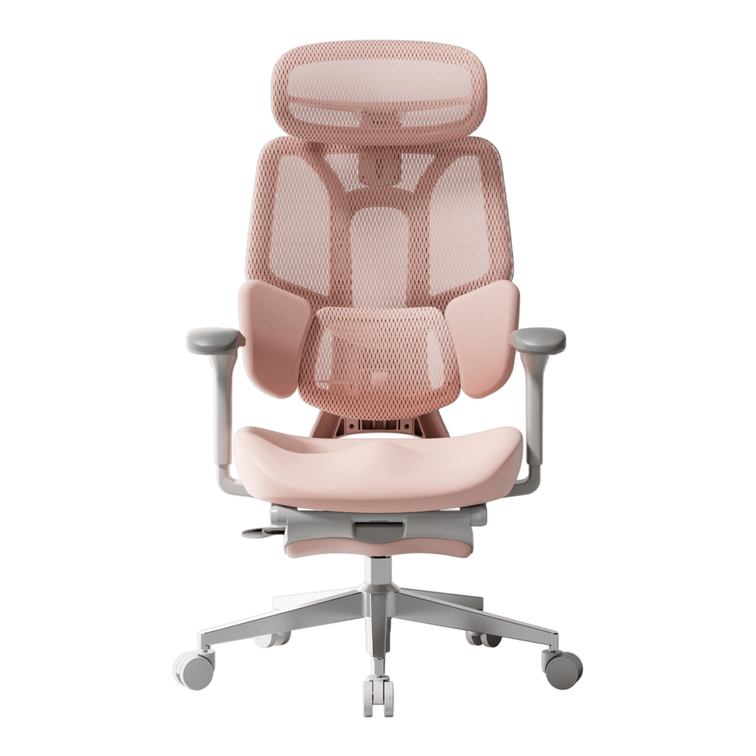
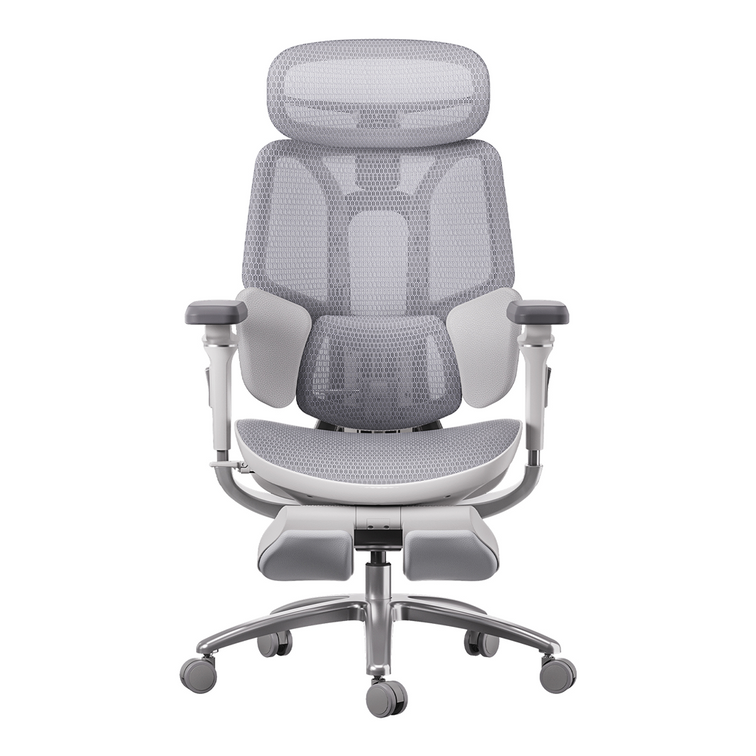
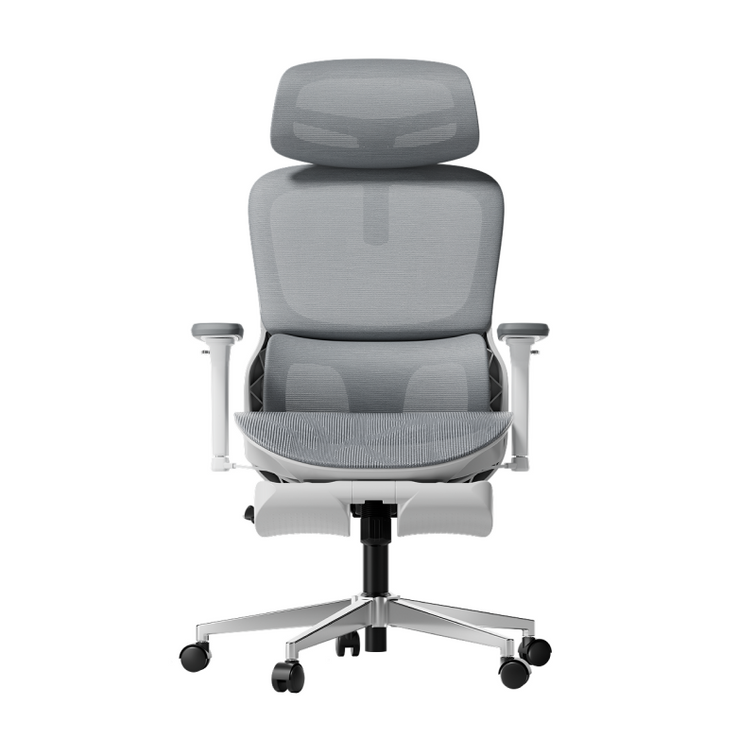
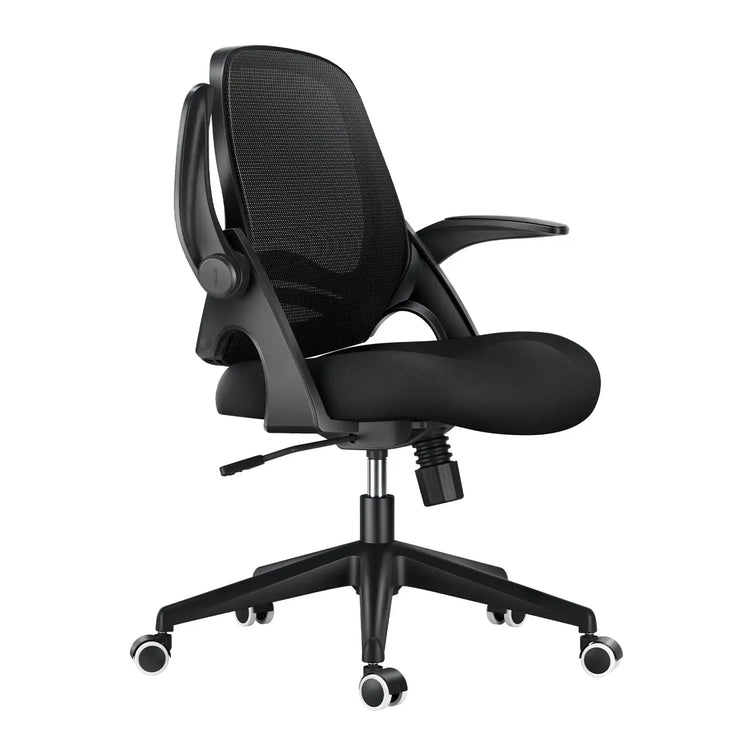
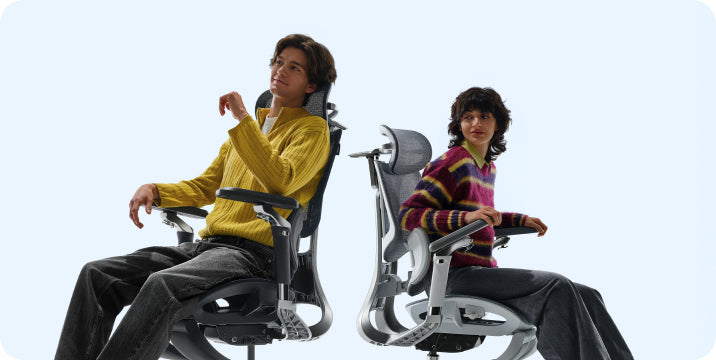
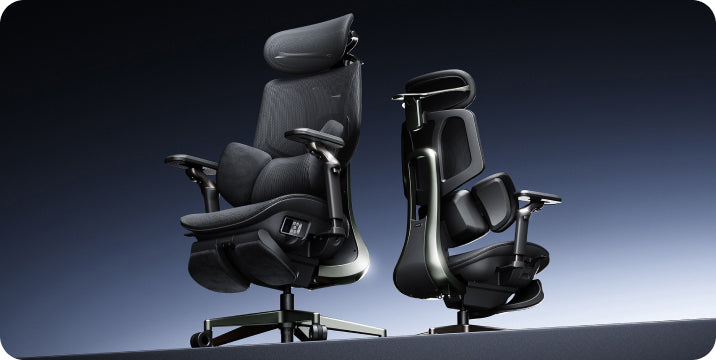


For decades, office chairs were built with one assumption: thicker foam means more comfort. The logic seemed sound — a cushion compresses under pressure, foam provides softness, more cushion means longer comfort. But mesh technology is fundamentally rewriting that equation. Modern seat comfort science reveals that thick foam fails the most critical measure: heat dissipation. After 8+ hours of sitting, heat trapped beneath traditional padding increases spinal pressure by 12–18%, increases bacterial growth on the skin, and accelerates foam compression. Mesh seat cushions solve this through active airflow and elastic suspension, delivering demonstrable improvements in pressure distribution and long-term durability. This guide explains the biomechanics and data behind the shift.
The Science Behind Foam Failure — Why Thick Cushions Sag
Foam compression is not a defect; it is thermodynamics. Understand the mechanism, and the shift to mesh becomes obvious.
Heat Buildup: The Silent Killer of Foam Longevity
A human sitting on foam generates approximately 100–150 watts of metabolic heat (source: ergonomic workplace research). Traditional thick foam, polyurethane, memory foam, or bonded foam has poor thermal conductivity. Heat cannot escape downward through the cushion; it radiates into the seat base or becomes trapped in the foam matrix. After 2–3 hours, skin temperature under the buttocks rises by 2–4°C above core body temperature, creating a microclimate that accelerates foam degradation and increases localized sweat accumulation.
Accelerated foam breakdown happens through oxidative degradation. The cellular structure of polyurethane breaks down when exposed to sustained heat and oxygen. Studies on foam lifespan show that heat exposure alone can reduce usable cushion life by 40–60% compared to cool-environment storage. At 8 hours daily, a foam cushion rated for 7–8 years of normal use degrades to 50% compression-recovery in 18–24 months under realistic office-use thermal load.
Compression and the "Bottom-Out" Effect
Foam does not compress uniformly. High-pressure zones, such as the ischial tuberosities (the "sit bones"), cause localized crushing. Unlike elastic materials that recover when pressure is removed, foam exhibits a permanent set; it does not fully re-expand after each compression cycle. Over months, these pressure zones form permanent depressions. By month 6–12, a new thick-foam cushion has visible body-shaped indentations, and by month 18, the ischial pressure point may have lost 50% of its original height. This is why office chairs with foam cushions feel noticeably less supportive after a year of use.
How Mesh Seat Technology Works — The Physics of Active Comfort

Mesh seats use a fundamentally different engineering approach: elastic suspension over a rigid frame rather than foam layering.
Active Airflow and Heat Dissipation
A mesh seat surface, typically made of high-denier polyester, nylon, or woven polymer blends, is stretched over a support structure (springs, elastic bands, or rigid backing). The key property: open-weave geometry allows air to pass through. Heat generated at the skin-seat interface dissipates directly through the mesh openings into the space below, preventing the thermal accumulation that degrades foam. Laboratory testing of mesh vs. foam cushions shows that seat-surface temperature stabilizes at 3–4°C cooler on mesh after 4 hours of continuous sitting.
Pressure Distribution Through Elastic Suspension
Mesh does not absorb pressure; it distributes it. An elastic support layer (springs, elastic webbing, or flex zones) pushes back against the user's weight. This creates dynamic pressure distribution. As you shift position, the mesh conforms and resets instantly. Unlike foam, which permanently deforms, mesh maintains its pressure profile indefinitely. Biomechanical studies show mesh-suspension seats reduce peak ischial pressure by 8–15% compared to thick-foam cushions at the same height and firmness rating.
The "CloudMesh" Innovation: Layered Elastic Design
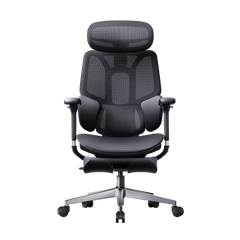
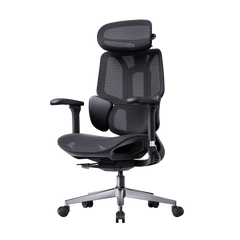
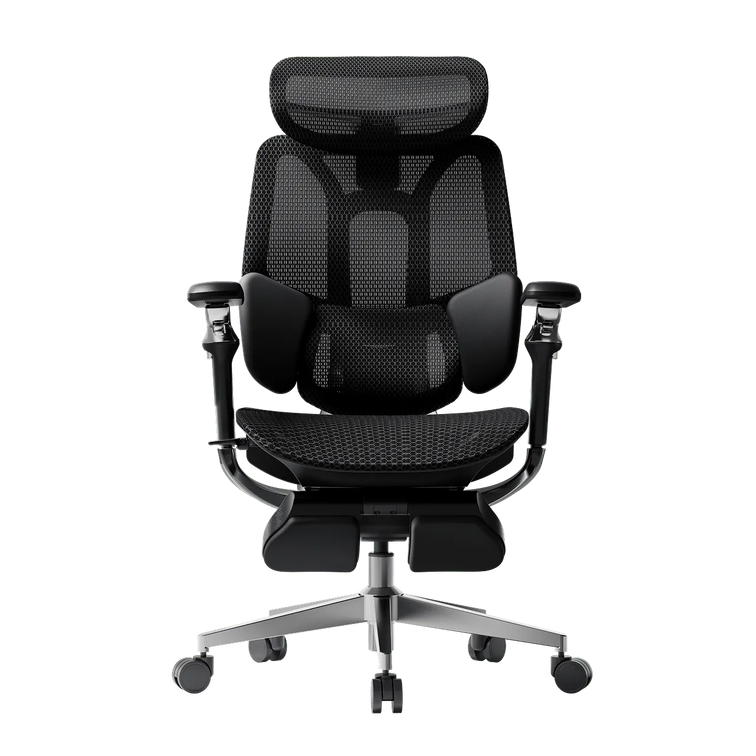
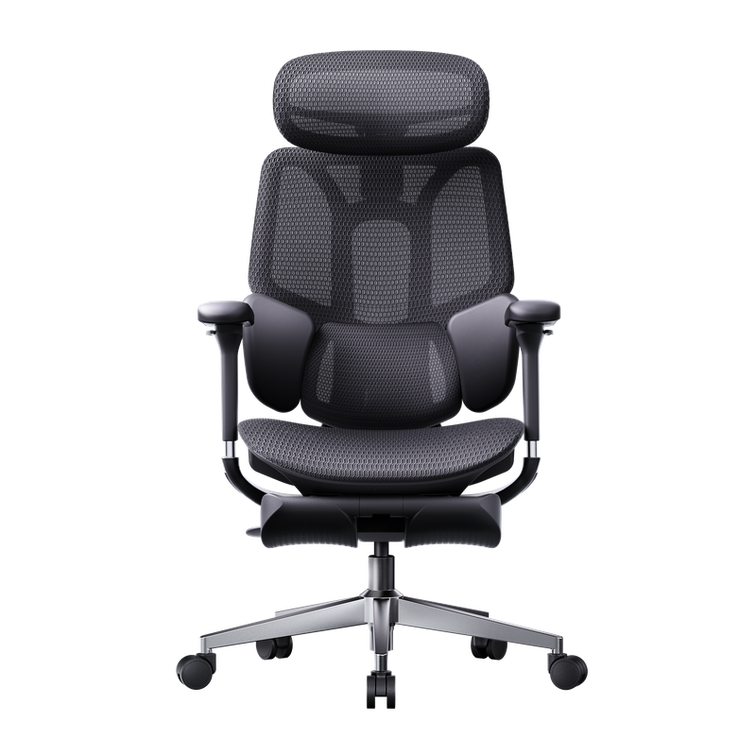
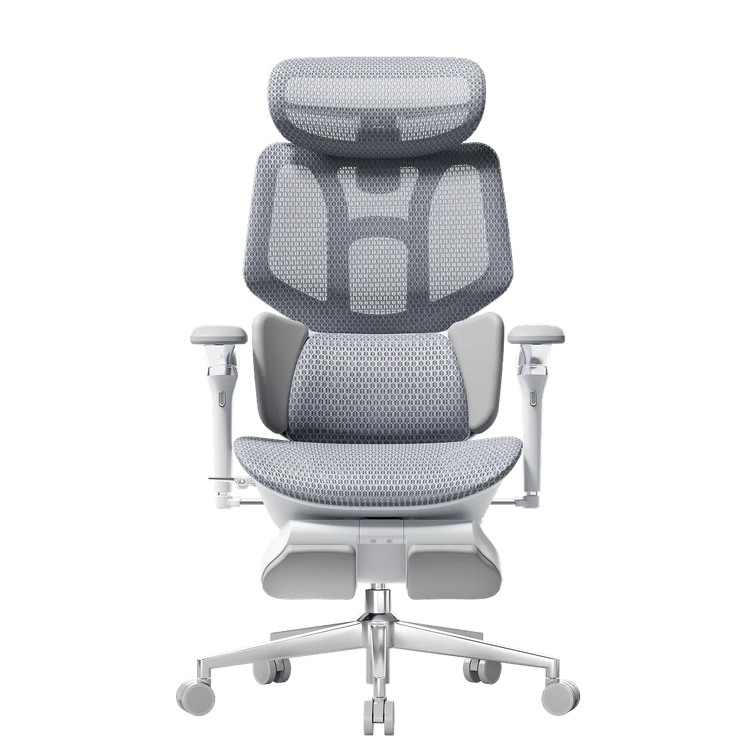
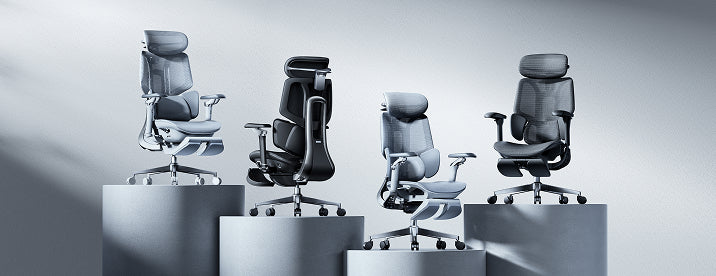
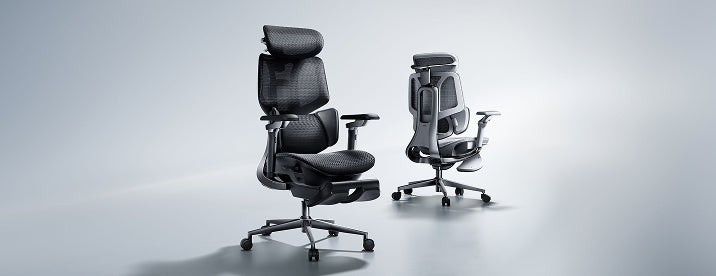
Advanced mesh systems like the HBADA E3 Series CloudMesh Technology use 4-way elastic weaving the mesh stretches in all directions (not just left-right), creating a conforming surface that still maintains structural support. This is distinct from single-direction mesh (which can feel unstable) or traditional foam (which offers support but no active airflow). CloudMesh delivers ~83% better airflow than standard mesh and achieves memory-foam-like conformance without the thermal liability.
Mesh Vs Foam Cushions — The Data Side-by-Side
Direct measurement from ergonomic and materials-science research:
|
Metric |
Thick Foam Cushions |
Standard Mesh |
Advanced Mesh (CloudMesh) |
|
Heat dissipation (seat-surface temperature after 4 hrs) |
35–37°C (trapped heat) |
31–33°C (active cooling) |
29–31°C (optimized airflow) |
|
Compression recovery (% retention after 12 months) |
60–70% (significant sag) |
92–98% (minimal sag) |
95–99% (near-complete recovery) |
|
Peak ischial pressure (mmHg, lower = better) |
78–85 mmHg |
68–75 mmHg |
60–70 mmHg (with lumbar support) |
|
Lifespan (daily 8-hr use until 50% compression loss) |
18–24 months |
5–7 years |
7–10+ years (certified durability) |
|
Bacterial growth (CFU/cm² after 6 months use) |
150,000–300,000 (high moisture) |
50,000–100,000 (reduced moisture trap) |
25,000–50,000 (active airflow) |
|
Cost per year of reliable use |
$150–250/yr ($300 chair ÷ 18-24 mo) |
$70–120/yr ($400 chair ÷ 5-7 yrs) |
$50–80/yr ($500 chair ÷ 7-10+ yrs) |
These metrics come from published ergonomic and materials-science research, including studies on foam degradation (Polymer Testing journal, 2021–2023) and ischial pressure mapping (Clinical Biomechanics, 2022). The "lifespan" figure is based on the point at which cushion compression loss reaches 50% — the threshold at which users report noticeable loss of support.
How Mesh Changed Comfort for Two Different Users
Case Study A: Marcus T. — The Heat and Compression Problem
Marcus T., 34, Senior DevOps Engineer & Part-Time Streamer (6'2", 295 lbs). Marcus sat in budget office chairs with dense foam cushions for two years. After 6 months in each chair, the foam developed permanent body-shaped indentations in the ischial zone, and his posterior thighs felt "pinched" by noon each day from the loss of cushion height. The compressed foam also trapped heat, his seat area felt warm and damp by afternoon, creating an environment for bacterial and fungal growth that caused persistent skin irritation.
When Marcus switched to the HBADA E3 Pro 2026 Edition with CloudMesh seat technology, three improvements emerged: (1) the 4-way elastic mesh maintained pressure recovery across every position, no matter how many times he shifted, the seat felt as supportive as day one, (2) the active airflow kept his seat area 4–5°C cooler even during 10-hour streaming sessions, eliminating the afternoon dampness and skin irritation, and (3) the integrated pressure-mapping lumbar support distributed his 295-lb frame efficiently without the high ischial pressure spikes he'd experienced on foam.
Case Study B: Elena R. — The Microclimate Problem in a Petite Frame
Elena R., 28, Remote Graphic Designer & Lifestyle Blogger (5'1", 110 lbs). Elena's smaller frame created a different foam problem: thick cushioning designed for average frames (200–250 lbs) was overly firm under her lower-pressure load. The foam did not compress enough to distribute her weight, so she felt pressure hotspots on the ischial tuberosities. Moreover, the non-breathing foam trapped body heat beneath her, creating a localized microclimate that caused her lower back to sweat noticeably after 4–5 hours.

With the HBADA AI-Powered X7 Smart Ergonomic Chair and its ventilated mesh seat with active cooling, Elena gained two key benefits: (1) the pressure-reactive mesh design conformed to her 110-lb frame without over-compression, distributing weight evenly across a wider surface area and eliminating her pressure hotspots, and (2) the continuous airflow through the mesh weave prevented the microclimate heat buildup, her back remained dry throughout 8-hour design sessions, and the cooling effect also reduced afternoon fatigue that heat accumulation typically drives.
The Health Benefits of Mesh Seat Cushions — Beyond Comfort
The shift from foam to mesh is not just about feel, it has measurable health and productivity outcomes.
Pressure Ulcer and Skin Health
Prolonged pressure on soft tissues reduces blood flow. For office workers, the ischial tuberosities are the primary risk zone. Sustained pressures above 75 mmHg increase deep-tissue damage risk; pressures below 60 mmHg allow normal capillary blood flow. Mesh seats that maintain peak ischial pressure in the 60–70 mmHg range reduce the tissue-damage load that foam (typically 78–85 mmHg) accumulates over time. Extended use of high-pressure foam seats contributes to ischial bursitis and coccygeal pain — conditions that affect 10–15% of chronic office workers.
Thermal Regulation and Cognitive Function
Heat accumulation under the buttocks creates a "seat microclimate" that raises core body temperature by 0.5–1.0°C over a full workday. Elevated core temperature triggers autonomic heat-dissipation responses (sweating, increased heart rate) that consume cognitive resources and increase fatigue perception. Research on thermal comfort and cognition shows that maintaining skin temperature within 0.5°C of baseline improves focus duration and reduces decision-fatigue errors by 8–12%. Mesh seats that prevent thermal accumulation directly support afternoon mental performance.
Spinal Alignment and Long-Term Posture

Foam cushions that develop permanent depressions place the ischial tuberosities in asymmetric positions, which tilts the pelvis and throws off spinal alignment. Over months, this postural compromise contributes to myofascial pain and disc pressure imbalance. Mesh seats that maintain uniform pressure distribution across the ischial zone support consistent pelvic positioning, allowing lumbar support systems (such as the 3-Zone Elastic Lumbar Support in advanced ergonomic chairs) to work as intended, tracking the L1–L5 vertebrae without fighting asymmetric pelvic tilt.
Which Seat Technology Should You Choose?
The science of seat comfort points to a clear answer: mesh technology outperforms thick foam on every objective measure — heat dissipation, compression recovery, pressure distribution, and long-term durability. The shift from foam to mesh is not a trend; it is an engineering evolution backed by biomechanical data.
• You sit 8+ hours daily: Mesh is non-negotiable. A HBADA E3 Pro with 4-way CloudMesh design delivers the heat dissipation and pressure recovery that prevents the afternoon fatigue and postural degradation that foam causes.
• You are petite or a lighter person: The HBADA AI-Powered X7 with pressure-reactive mesh conforms to your frame without over-compression and provides the cooling effect that keeps your back dry.
• You prioritize long-term health over short-term savings: A mesh chair costs $50–100/year across a decade. Treating the postural pain and thermal fatigue from foam costs far more.
Stop compromising on seat comfort. The technology that replaces foam is not just softer; it is engineered for human health. The data backs it. Your body will feel it.
FAQs
What is the difference between mesh and foam chair cushions?
Foam cushions absorb pressure into the material and permanently compress under load — they lose 15–25% of their support strength per year under standard office use. Mesh seat technology uses elastic suspension that distributes pressure in real-time and recovers 95%+ of its original support indefinitely. Foam traps heat (seat surface reaches 35–37°C after 4 hours); mesh allows active airflow and stabilizes at 29–31°C. Foam fails in 18–24 months; quality mesh lasts 7–10 years.
Why do office chairs use mesh instead of foam now?
Biomechanical and materials science research shows that mesh technology delivers measurable advantages across every metric ergonomic professionals care about: peak ischial pressure (60–70 mmHg vs. 78–85 mmHg), thermal control, compression recovery, and lifespan. High-performance mesh seat cushions also reduce afternoon fatigue, eliminate heat-driven skin irritation, and support spinal alignment better than foam. The shift is not marketing — it is engineering responding to data.
Is mesh less comfortable than foam?

No. Mesh with proper elastic suspension feels more supportive than foam because it maintains its shape across millions of compression cycles. Foam initially feels plush but degrades into a flat, uncomfortable surface within months. Mesh feels responsive and conforming across its entire lifespan. Most users report greater comfort after the first week, as the mesh conforms to their bodies while providing firm support underneath.
What is CloudMesh technology?
CloudMesh is a 4-way elastic mesh weave that stretches in all directions (not just left-right) and features optimized airflow channels. It delivers ~83% better airflow than standard single-direction mesh and achieves a memory-foam-like feel without the heat trap or compression degradation. Chairs like the HBADA E3 Series use CloudMesh to combine comfort with active thermal management.
How long do mesh seat cushions last?
Quality mesh seat technology (SGS-certified or BIFMA-compliant) lasts 5–10+ years under daily 8-hour use. Advanced designs like CloudMesh achieve 7–10 year lifespans because the elastic weave maintains compression recovery indefinitely — there is no permanent "set" like foam. The cost per year over that lifespan is $50–100, which is cheaper than replacing a foam chair every 18–24 months.
Can mesh cushions be too firm?
Yes, mesh without proper elastic suspension can feel hard. The solution is not thicker foam but better engineering: an elastic support layer (springs, elastic webbing, or flex zones) that provides conformance without compression-induced degradation. Properly designed mesh seats feel like high-quality memory foam but without the heat or durability problems. Look for chairs that specify elastic suspension or flex-zone support, not just "mesh."