

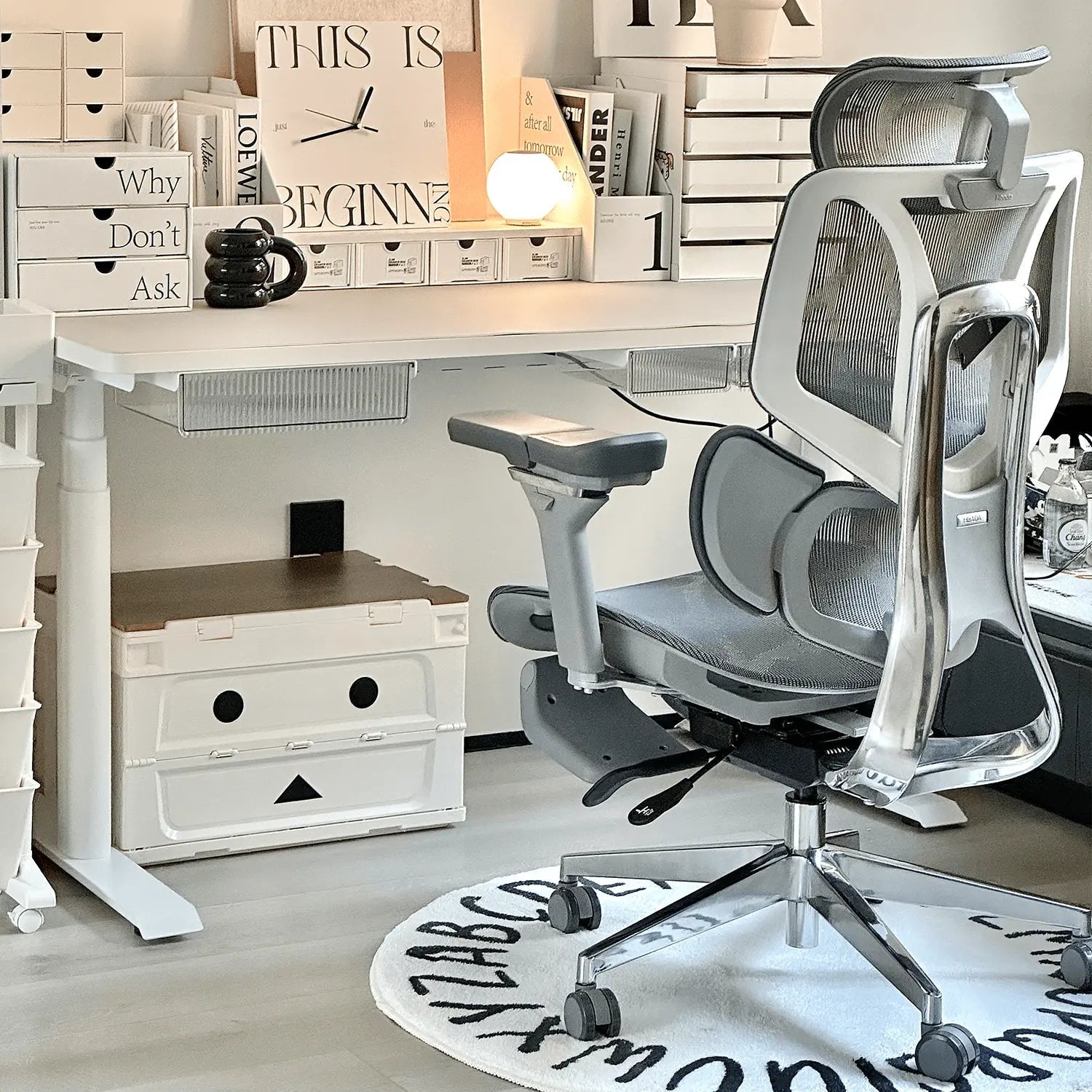
Ultimate Guide to Selecting the Best Office Chair for Style and Efficiency

Ultimate Guide to Selecting the Best Office Chair for Style and Efficiency


When it comes to purchasing an office chair, it's important to approach it as a thoughtful and strategic decision. We understand the significance of investing in a chair that will enhance your productivity and support your long-term business goals. We are committed to providing top-notch seating solutions that align with your budget and optimize your time in the office.
When selecting office furniture, it is crucial to prioritize both comfort and support, while ensuring a cohesive design. To make an informed decision and avoid choosing an office chair that may hinder your performance, take the time to review this comprehensive guide to style and efficiency.

How To Use Your Task Chair

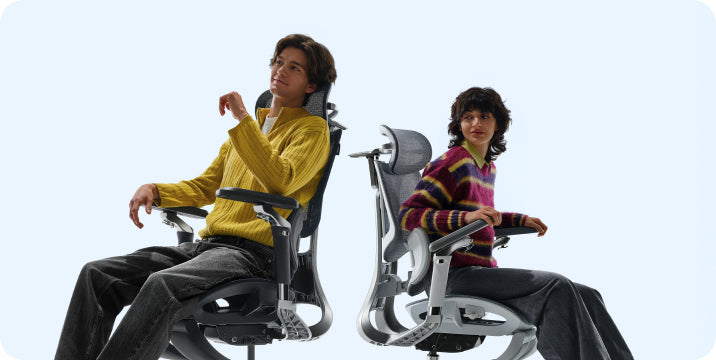
When searching for the perfect office chair, it's essential to consider your work habits and tasks. Are you predominantly seated, working on a computer throughout the day? Or do you prefer to be on your feet, only requiring a chair for important meetings and consultations?
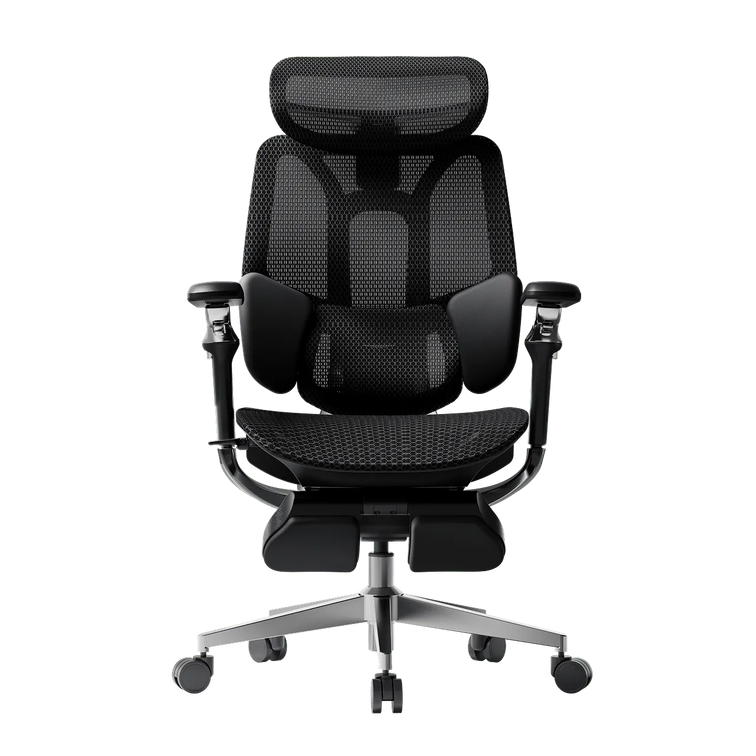
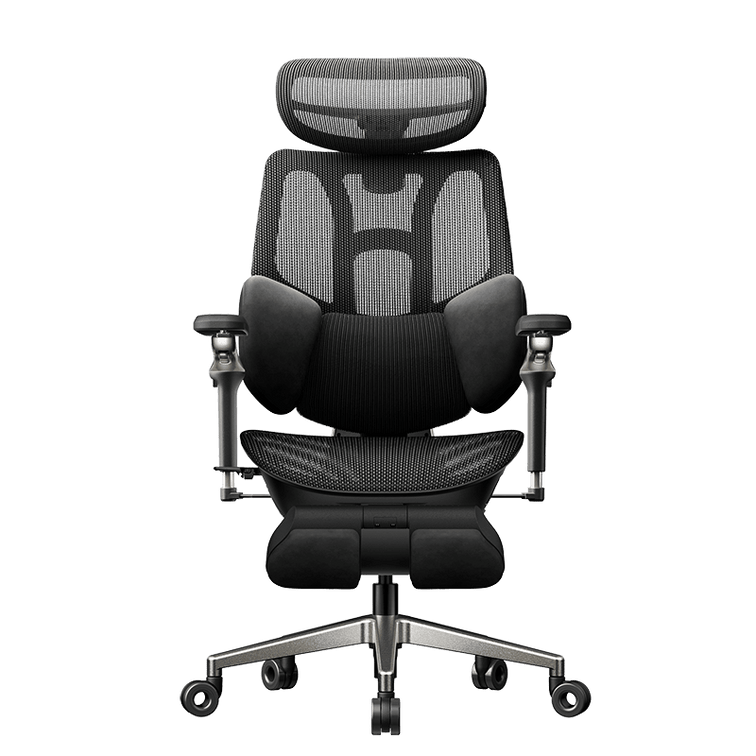
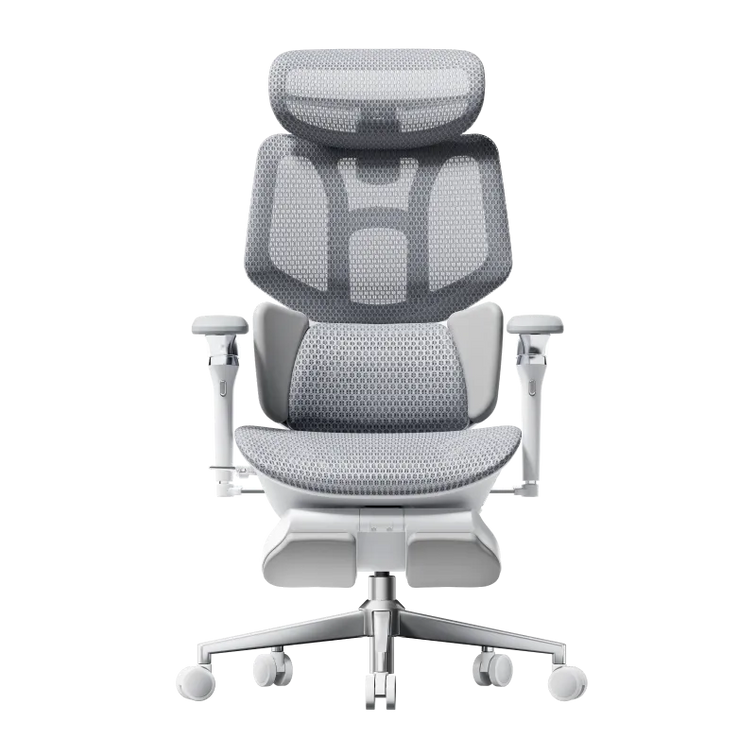
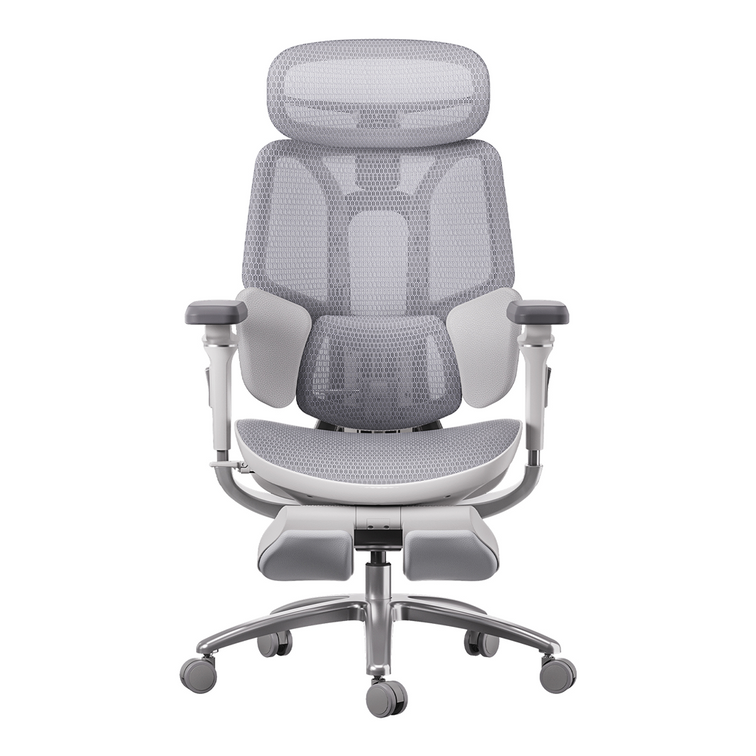
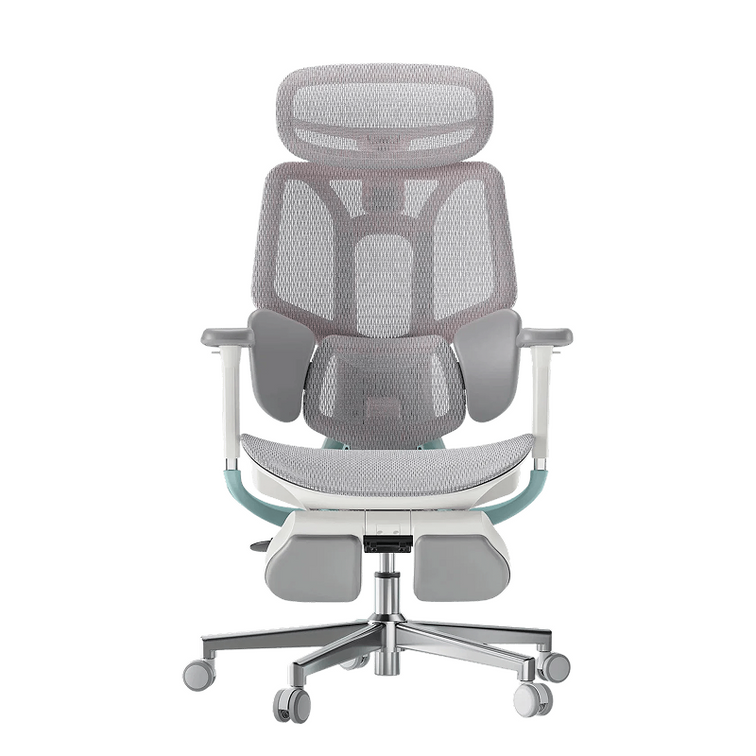
Based on your needs, we provide a variety of products, ranging from sophisticated executive conference chairs to ergonomic designs that prioritize comfort and functionality. If you're unsure where to begin, our knowledgeable representatives can assist you in finding a chair that combines luxury and practicality.

Appearance And Function

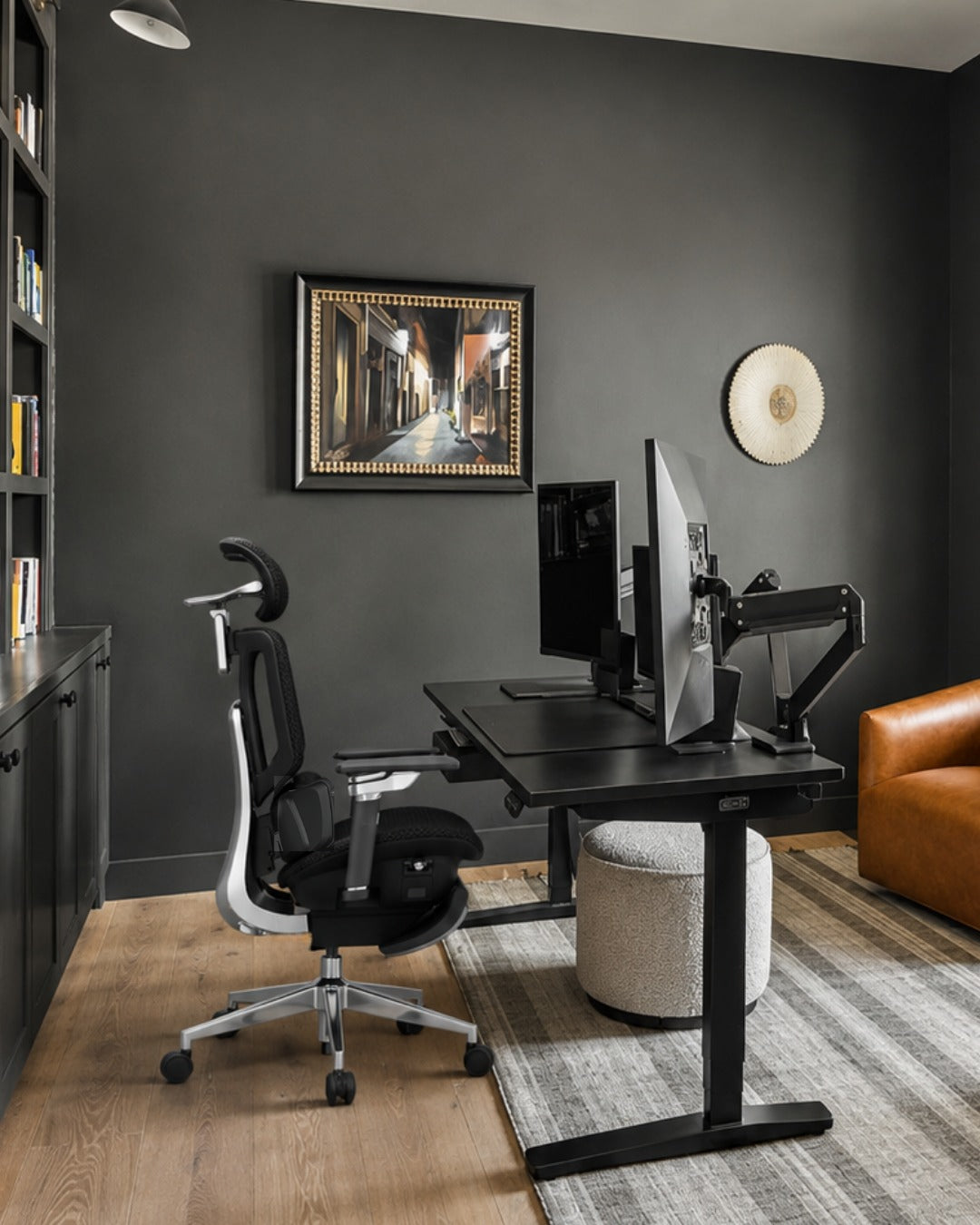
Once you've identified your individual needs, it's important to consider the atmosphere you want to create. For those who value making a strong first impression, a bold and sophisticated style can convey personal and professional success. However, if you spend most of your day at a desk, proper posture becomes a top priority.

Get Better Back Support

Research consistently demonstrates the direct impact of comfortable office furniture on workplace performance. Insufficient support from chairs can exacerbate poor posture symptoms, particularly in the lower back where the spine naturally curves. Inadequate lumbar support may manifest as constricted blood vessels, pinched nerves, bulging discs, migraines, muscle aches, heavy breathing, fatigue, and neck pain. If you experience any of these symptoms, it is likely that your office chair is the culprit behind your discomfort.

Make it Your Own

We take pride in offering top-quality products with excellent craftsmanship. Our office chairs are built to high standards, guaranteeing exceptional durability and comfort. We understand the importance of having furniture that not only looks professional but also withstands the demands of everyday use.
When it comes to selecting the best office chair, it's crucial to find a balance between your physical requirements and the aesthetic of your workspace.


Relevant Product

You May Also Like

How to Fix a Sinking Office Chair: A Step-by-Step Hydraulic Repair Guide How to Fix a Sinking Office Chair: A Step-by-Step Hydraulic Repair Guide Your chair sinks when you sit down. You adjust it every morning. By afternoon, you're too low again. A sinking office chair is the office equivalent of a slow leak, annoying, worsening over time, and eventually forcing a decision: fix it, replace the cylinder, or upgrade to a new chair. This guide walks you through each option with exact costs, timeline, and ROI so you can choose the right fix for your situation. Why Office Chairs Sink Your chair sinks for one of three reasons. Understanding which one determines your fix. Reason 1: Hydraulic Gas Cylinder Seal Failure Your office chair uses a pneumatic gas cylinder (a sealed metal tube) filled with nitrogen at 50–60 PSI. A piston inside the cylinder moves up and down to raise and lower your seat. When the seal that holds the gas pressure fails, gas leaks out slowly. Result: the cylinder can no longer hold its height under load. A slow leak takes 4–12 weeks to manifest as noticeable sinking. This is the most common cause (70% of sinking chairs). Reason 2: Valve Malfunction (Slow Leak) The release valve lets you lower your seat by pulling the lever. If the valve seal wears out, gas leaks continuously. Your chair initially holds its height but sinks under pressure. This typically develops in 2–to 3-year-old children and accounts for 20% of cases. Reason 3: Structural Damage to the Base or Piston Rod If the chair base has cracked or the piston rod inside the cylinder is bent, height loss can occur even with normal gas pressure. This is rare (10% of cases) but requires full chair replacement, not cylinder swap. Fix 1: Quick Fixes ($0–30, 15 minutes) — Temporary Solutions These won't cure the problem, but they'll buy you 1–4 weeks while you decide on a permanent fix. Tighten the Lever Adjustment Screw Most chairs have an adjustment screw that controls how easily the lever engages. If this screw loosens, the lever won't create enough pressure to lock the cylinder in place. Try tightening it with an Allen wrench (usually 3mm or 4mm). Cost: $0. Effectiveness: 20–40% (fixes only loose mechanisms, not seal failure). Use a Rubber Shim or Wooden Wedge Under the Seat Pan If your chair sinks slowly throughout the day, you can jam a rubber shim or a small wooden wedge under the seat pan to temporarily lock it at a fixed height. Cost: $0–5. Effectiveness: 100% (but it's a temporary band-aid). Downside: you lose the ability to adjust height, and the friction can scratch your base. Clean the Lever and Release Valve Dust buildup on the lever mechanism or release valve can cause sticking. Spray the lever assembly and valve stem with compressed air (like keyboard cleaner). Cost: $5–15 (if you buy compressed air). Effectiveness: 10–25% (helps only if dust is the problem). Fix 2: Gas Cylinder Replacement ($40–80, 15–20 minutes) — DIY Permanent Repair Replacing the cylinder yourself is achievable if you're slightly handy. Step 1: Order a Replacement Cylinder Measure your piston rod diameter (usually 5–6mm) and cylinder outer diameter (usually 40–50mm). Replacement pneumatic cylinders cost $30–60 for standard Class 3–4 units. Avoid the $10 bargain cylinders; they're filled with compressed air, not nitrogen, and will fail in weeks. Step 2: Remove the Old Cylinder Sit in the chair and locate where the cylinder connects to the base (bottom) and seat pan (top). The connections are usually held by plastic retainer clips or metal bolts. Push or unscrew these to release the cylinder. Take a photo first, so you remember the orientation. Step 3: Install the New Cylinder Insert the new cylinder in the same orientation as the old one. Reconnect the retainer clips or bolts. The piston rod (the thin rod that moves up and down) should face upward into the seat pan. Step 4: Test and Adjust Sit in the chair and test the lever. The new cylinder should hold its height smoothly. If it sinks, you may have inserted it upside down, or the retainers aren't fully engaged. Fix 3: Full Chair Upgrade ($400–700, 0 minutes) — When Repair Doesn't Make Sense If your chair is over 5 years old or the frame is damaged, upgrading is often cheaper than repeat repairs. A new HBADA E3 Pro 2026 Edition with Class 4 anti-sinking gas lift ($400–550) is engineered to prevent sinking for 7–10 years. It includes SGS certification, 120,000-cycle testing, and a 5-year warranty. Compare: your old chair sinking every 2–3 years = $30–80 repairs 3–4 times = $90–320 in repairs over 7 years. A new chair eliminates this cycle.  Fix vs. Replace Decision Framework — The ROI Analysis Chair Age & Condition Quick Fix ($0–30) Cylinder Replacement ($40–80) Full Upgrade ($400–700) 0–2 years, first sinking Try first (easy, cheap) If the quick fix fails Not yet (too new) 3–5 years, healthy frame Quick backup if time-pressed Best choice (good ROI) Optional (chair still solid) 5–8 years, multiple repairs Waste of time Last-resort repair Best choice (eliminate cycle) 8+ years OR frame damaged No No (will fail again soon) Only option (retire the old chair)   Two Case Studies: Repair vs. Upgrade Decisions Case Study A: Thomas K. — The Successful DIY Repair Thomas K., 29, Software Developer (5'11", 165 lbs, 2.5 year old chair). Thomas's chair began sinking 3 months into year three of ownership. He diagnosed the problem as a gas cylinder seal failure (sinking only under load). He ordered a replacement pneumatic cylinder ($45) and spent 20 minutes swapping it out. Cost: $45. Outcome: chair works like new. Projected lifespan: another 4–5 years. Total cost of ownership: $45 + original $300 = $345 over 7–8 years ($43/year). Case Study B: Patricia M. — The Upgrade Decision Patricia M., 42, Office Manager (5'4", 145 lbs, 7-year old chair with multiple repairs). Patricia's original $250 budget chair had required three-cylinder replacements in 7 years ($80 in repairs, plus her time). The frame was showing stress cracks. She faced a choice: spend another $50–80 on a fourth repair or invest in a new chair. She chose the HBADA AI-Powered X7 Smart Ergonomic Chair ($520). The cost difference: $440. The payoff: zero anticipated repairs for 7+ years (vs. likely 2–3 more repairs in the old chair = $90–160). She breaks even in 3.5 years and gains 3.5+ years of repair-free use. Total ROI: positive in year 4. How to Prevent Future Sinking — Long-Term Maintenance • Use a chair within its weight capacity. A 250-lb person in a 200-lb chair stresses the cylinder faster. • Adjust your lever gently. Rough yanking wears out the valve mechanism. • Clean the lever and valve assembly every 6 months with compressed air. • Upgrade to a Class 4 certified chair with anti-sinking engineering (like the HBADA E3 Series) if you're buying new. Which Chair Should You Choose? • Budget quick fix: Your current chair + $45 cylinder replacement. • Mid-range protection: HBADA E3 Air 2026 Edition ($300–400, Class 4 gas lift, 4–8 hour daily use). • Premium protection: HBADA E3 Pro 2026 Edition ($400–550, Class 4 gas lift, 6–10 hour heavy-duty use, 330-lb capacity). FAQs How do I know if my office chair can be repaired? Check the chair's age and the condition of its frame. If your office chair is under 5 years old and the base doesn't show cracks or damage, it's repairable. If it's over 5 years old, has undergone multiple repairs, or the frame is visibly damaged, replacement is more cost-effective. A sinking office chair with a healthy frame = repairable. A sinking chair with a cracked or bent base = unrepairable. How much does a replacement gas cylinder cost? Quality pneumatic cylinders range from $30–80 depending on diameter, pressure rating, and certifications. A Class 3 cylinder costs $30–50; a Class 4 (certified for heavy use) costs $50–80. Avoid $10–15 "bargain" cylinders; they're filled with compressed air and fail in weeks. Can I use a sinking chair while waiting for parts? Yes, temporarily. Use a rubber shim or wood wedge under the seat pan to lock it at a fixed height. This loses adjustability but prevents you from sitting too low. It's a temporary fix only — don't plan to use this for more than 1–2 weeks. Is a cylinder replacement covered by warranty? Most chairs come with 1–2 year warranties that cover gas cylinder defects. If your chair is still under warranty, contact the manufacturer; they may replace it for free. If out of warranty, you're paying for the replacement yourself ($40–80 DIY, or $100–150 if you hire a technician). Will upgrading to a new chair really prevent sinking? A Class 4 certified chair with proper engineering can prevent sinking for 7–10+ years. The HBADA E3 Series uses SGS-certified Class 4 gas lifts that have been tested for 120,000+ compression cycles, equivalent to 7–10 years of heavy use. This is not a guarantee, but the engineering is demonstrably superior to budget chairs that fail every 2–3 years. Why Your Ergonomic Chair Is Hurting Your Back (And How to Fix It) Why Your Ergonomic Chair Is Hurting Your Back (And How to Fix It) Your ergonomic chair causing back pain? Learn 6 common adjustment mistakes, myths vs. facts, and how to configure your chair correctly. HBADA vs. Herman Miller: Is a $500 Premium Chair Worth It Against a $1,800 Legend? HBADA vs. Herman Miller: Is a $500 Premium Chair Worth It Against a $1,800 Legend? If you are setting up a high end home office or looking to improve a workspace, you will likely find yourself choosing between Herman Miller and HBADA. Both brands are well known, but they represent very different approaches to design. Herman Miller is famous for its classic industrial style, while HBADA focuses on modern features intended for people who spend a lot of time working on digital devices. To help you decide which chair fits your daily routine better, this guide compares the design and engineering behind both brands.  1. The Design Philosophy: Structured Posture vs. Dynamic Adaptability The primary difference between these two brands lies in how they interact with your body throughout a long workday.   Herman Miller’s Structured Guidance: Legendary chairs like the Herman Miller Aeron are built around an engineering philosophy of strict postural correction. Developed through decades of medical research, they are designed to keep you held in a precise, ergonomically optimal typing position. It is an exceptional tool for focused, task-oriented environments where sitting posture remains disciplined and static.   HBADA’s Adaptive Freedom: In contrast, HBADA designs for the real, dynamic ways people move today. Recognizing that professionals shift, lean, and change postures over a 10-hour day, HBADA utilizes 4D 3-Zone Adaptive Dynamic Lumbar Tracking. Instead of forcing your body to conform to a rigid frame, the chair's flexible side wings self-adjust to your movements in real-time, providing continuous lumbar support whether you are leaning forward to code or twisting to speak with a colleague.   2. Feature Confrontation: Traditional Mechanics vs. Multi-Scenario Utility When comparing features, it becomes clear that Herman Miller and HBADA are optimized for entirely different workplace scenarios. Premium Experience Comparison Feature HBADA Flagship Series (E3 Ultra / X7) Herman Miller Legacy Series (Aeron / Embody) Lumbar Mechanism 4D Active Tracking (Self-adjusts to movement) PostureFit SL / Backfit™ (Manual customization) Recline Strategy 90°–140° Sleep Mode with Integrated Footrest Specialized Task Tilt (Optimized for upright work) Sizing Flexibility 20+ Micro-adjustments (Highly adjustable for all heights) Rigid Frame Sizing (Must choose fixed Size A/B/C) Wellness Innovation Graphene Heat Therapy & Biomechanical Massage 100% Precision Analog Engineering Value Proposition High-Feature Tech Premium Heritage Luxury Investment The "Work-Rest Balance" Test Herman Miller chairs are precision-engineered production instruments. They excel at keeping you alert and productive during active working hours. However, they do not traditionally include headrests as a standard feature, nor do they support deep reclining states, because their core focus is purely on the task at hand. HBADA recognizes that the modern professional's day requires a balance of intense focus and restorative recovery. Models like the HBADA E3 Ultra offer a 140° zero-gravity recline paired with a hidden, retractable footrest. This transitions the chair seamlessly from an active task station into a relaxation sanctuary for lunch breaks or creative brainstorming sessions. 3. The Generational Leap: Analog Craftsmanship vs. Smart Health Tech Herman Miller has spent decades perfecting the art of pure mechanical tension and high-end materials. Their mastery of analog ergonomics is legendary. HBADA, however, has looked toward the future by integrating active digital wellness features directly into the seating chassis. For instance, the HBADA X7 introduces smart technologies that go beyond passive physical support:   Intelligent Graphene Heat Therapy: Built-in red-light heating modules (30–58°C) designed to actively soothe lower back muscles and improve circulation during long, cold winter sessions. 8D Biomimetic Massage: Targeted physical relaxation nodes integrated into the lower backrest to actively relieve muscle fatigue before it turns into chronic pain. While Herman Miller offers world-class passive ergonomics, HBADA provides an active wellness hub that actively assists in physical recovery while you sit. 4. Longevity vs. Technological Agility A major pillar of Herman Miller's value is their famous 12-year corporate warranty, a testament to their incredible industrial durability. They are built like tanks, meant to stay in corporate offices for over a decade. HBADA approaches durability with premium reinforced polymers, heavy-duty gravity-sensing chassis, and certified Class-4 gas lifts, easily matching the rigorous daily demands of modern creators. However, HBADA also offers a different type of long-term value: technological agility. Ergonomic science and smart features change rapidly. By opting for HBADA’s accessible premium pricing, users retain the flexibility to upgrade to the latest health technologies and pristine, next-generation mesh every few years, rather than being locked into a single piece of analog furniture for fifteen years. Final Verdict: Which Philosophy Fits Your Lifestyle? Choose Herman Miller if: You have an open budget ($1,800+), prefer traditional, highly disciplined task chairs, want a classic piece of mid-century design history, and value a long-term, set-it-and-forget-it asset. Choose HBADA if: You are a modern professional who demands high-performance ergonomic features (dynamic lumbar, headrests, footrests) along with cutting-edge health technology (heat/massage) and flexible adaptivity—all packed into a smart, value-driven investment designed for how we actually live and work today. For more information, click to check:  https://hbada.com/pages/faq    FAQ: Choosing Between HBADA and Herman Miller Q1: What is the main difference in design philosophy between HBADA and Herman Miller? A: The primary difference lies in task execution versus lifestyle adaptability. Herman Miller focuses on structured guidance, utilizing static, meticulously researched frames to keep you in a disciplined typing posture. HBADA focuses on dynamic adaptability, offering features like 4D 3-Zone Dynamic Lumbar Tracking, built-in footrests, and micro-adjustments that mold the chair around your natural movements and support both active work and deep relaxation. Q2: Do HBADA chairs offer the same adjustments as Herman Miller models? A: While Herman Miller chairs like the Aeron require you to choose a fixed size (Size A, B, or C) at the time of purchase, HBADA chairs are engineered with universal versatility. HBADA flagships feature over 20 points of micro-adjustments—including adjustable backrest height, seat depth translation, and 6D armrests—allowing one single chair to comfortably accommodate a wide range of body types from 155cm to 195cm. Q3: Why does HBADA incorporate tech features like heat and massage, while Herman Miller remains analog? A: Herman Miller honors traditional mid-century industrial design, focusing entirely on passive physical support through tension and materials. HBADA believes ergonomics should evolve with modern tech. By integrating intelligent graphene heat therapy and biomechanical massage nodes, HBADA actively works to relieve muscle fatigue and improve circulation during long sitting sessions, transforming the chair into an active wellness station. Q4: How do the recline mechanisms compare for lunch breaks and relaxation? A: Herman Miller chairs are specialized task instruments optimized for upright productivity; they generally do not feature built-in headrests or deep recline modes. HBADA is designed for the modern work-rest balance. Models like the E3 Ultra offer a 90° to 140° zero-gravity sleep mode paired with a hidden, retractable footrest, making it ideal for midday naps or creative breaks. Q5: Is Herman Miller’s 12-year warranty worth the higher initial investment compared to HBADA? A: Herman Miller’s warranty is a reflection of their traditional corporate hardware longevity. However, HBADA provides a different kind of long-term value: technological agility. Built with heavy-duty reinforced polymers and Class-4 gas lifts, HBADA chairs offer elite-tier durability. At HBADA's smart price point, you retain the financial flexibility to upgrade to the latest mesh innovations and smart health technologies every few years, rather than being locked into a single analog chair for over a decade. Written by:  Sarah Jenkins Senior Furniture Industry Analyst & Supply Chain Researcher.  Published by: The HBADA Editorial Team