



You stand up, glance down, and there it is: a dent shaped like you. Office chair butt imprints are real, and they are not a sign that something is wrong with your body. They are a sign that your seat is wearing out.
That sunken patch is foam compression set—the point where cheap cushioning gives up and stops springing back. The good news is that you can prevent it. This guide explains what causes seat imprints, whether they are bad for your health, and how the right ergonomic office chair can help prevent long-term sinking.
Table of Contents
- What Are Office Chair Butt Imprints?
- What Causes Office Chair Butt Imprints?
- Are Office Chair Butt Imprints Bad for You?
- Foam vs Mesh: The Material That Decides Everything
- How to Prevent Office Chair Butt Imprints
- The Long-Term Fix: A Seat That Won't Sink
- A Realistic Heavy-Use Scenario
- A Realistic Petite-Frame Scenario
- Which HBADA Chair Should You Choose?
- Frequently Asked Questions
What Are Office Chair Butt Imprints?
To fix the problem, you first need to know exactly what you are looking at.
An office chair butt imprint is a permanent, body-shaped dent in the seat cushion caused by foam compression set: the collapse of foam cells that can no longer rebound after repeated pressure. It is normal wear on low-density cushioning, not a medical condition and not a reflection of your body.
What Causes Office Chair Butt Imprints?
The Real Cause: Foam That Stops Bouncing Back

Here is what happens inside the seat over time.
Foam is a lattice of tiny air-filled cells. Every time you sit, those cells compress and then spring back. Repeat that for thousands of hours and the cells begin to fatigue. Eventually, they collapse past their elastic limit and can no longer recover.
Many budget chairs use a single slab of medium-density polyurethane foam that may flatten relatively quickly under heavy daily use. High-density foam and moulded foam generally resist sagging for longer, but no foam is immune. Heat, humidity, sunlight and repeated pressure can all accelerate the breakdown.
Why the Dent Forms Under Your Sit Bones
When you sit, much of your body weight is transferred through two points at the base of your pelvis: the ischial tuberosities, commonly known as your sit bones.
That load is concentrated in the centre-rear area of the seat, so the foam there usually wears out first. Once the cushion begins to collapse, your weight is no longer distributed evenly across the seat and the dent may deepen more quickly.
Are Office Chair Butt Imprints Bad for You?
The imprint itself is not necessarily harmful, but the worn-out seat that creates it may become uncomfortable. Once foam develops a permanent compression set, it no longer distributes pressure as evenly. More pressure may then be placed on your sit bones and tailbone, while your pelvis may move away from a comfortable neutral position.
General seating and ergonomics guidance recommends using a supportive chair that helps maintain a comfortable spinal position and distributes body weight evenly. It is also important to change position and stand regularly during prolonged periods of sitting.
The honest answer is that the imprint is a symptom of material wear. The practical solution is to restore even pressure distribution and reduce uninterrupted periods of sitting.
Foam vs Mesh: The That Decides Everything

The seat material is one of the biggest factors affecting whether a permanent imprint develops.
| Factor | Traditional Foam Seat | Elastic Mesh Seat |
|---|---|---|
| Imprints and compression set | Foam cells may fatigue and collapse, producing a permanent dent. | A properly tensioned elastic weave is designed to recover its shape after use. |
| Time to noticeable wear | Varies according to foam density, build quality, body weight and daily use. | Quality mesh is designed to maintain consistent tension for longer, although durability varies by construction. |
| Heat | Foam may retain more body heat. | Open mesh allows continuous airflow around the seat. |
| Weight distribution | Distribution may become uneven after the centre begins to compress. | The suspended surface can distribute pressure across a wider area. |
| Feel over time | May begin soft and gradually feel flatter. | Designed to provide more consistent support when the mesh remains properly tensioned. |
The takeaway: foam is a cushioning material that gradually wears out. A well-engineered breathable mesh seat uses elastic suspension to recover its shape, helping reduce the likelihood of a permanent body-shaped dent.
How to Prevent Office Chair Butt Imprints
You can slow down seat wear through better sitting habits and an appropriate chair.
- Move often. Change position and stand regularly. Movement removes pressure from the same part of the seat and supports circulation.
- Avoid very thin, soft foam. Choose high-density or moulded foam, or consider a properly tensioned elastic mesh seat.
- Adjust the seat depth. Sit fully back with your thighs supported and your feet resting comfortably on the floor or an appropriate foot support.
- Keep the chair cool and dry. Heat, humidity and direct sunlight may accelerate the deterioration of foam.
- Match the chair to the user. Check the chair's dimensions and stated weight capacity before buying.
- Replace worn components. Once foam has developed a permanent compression set, changing sitting habits will not restore its original structure.
The Long-Term Fix: A Seat That Won't Sink

If better habits only slow down the problem, changing the seat construction addresses the underlying failure point.
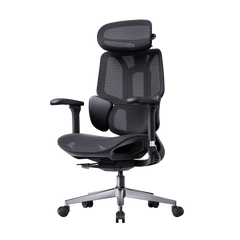
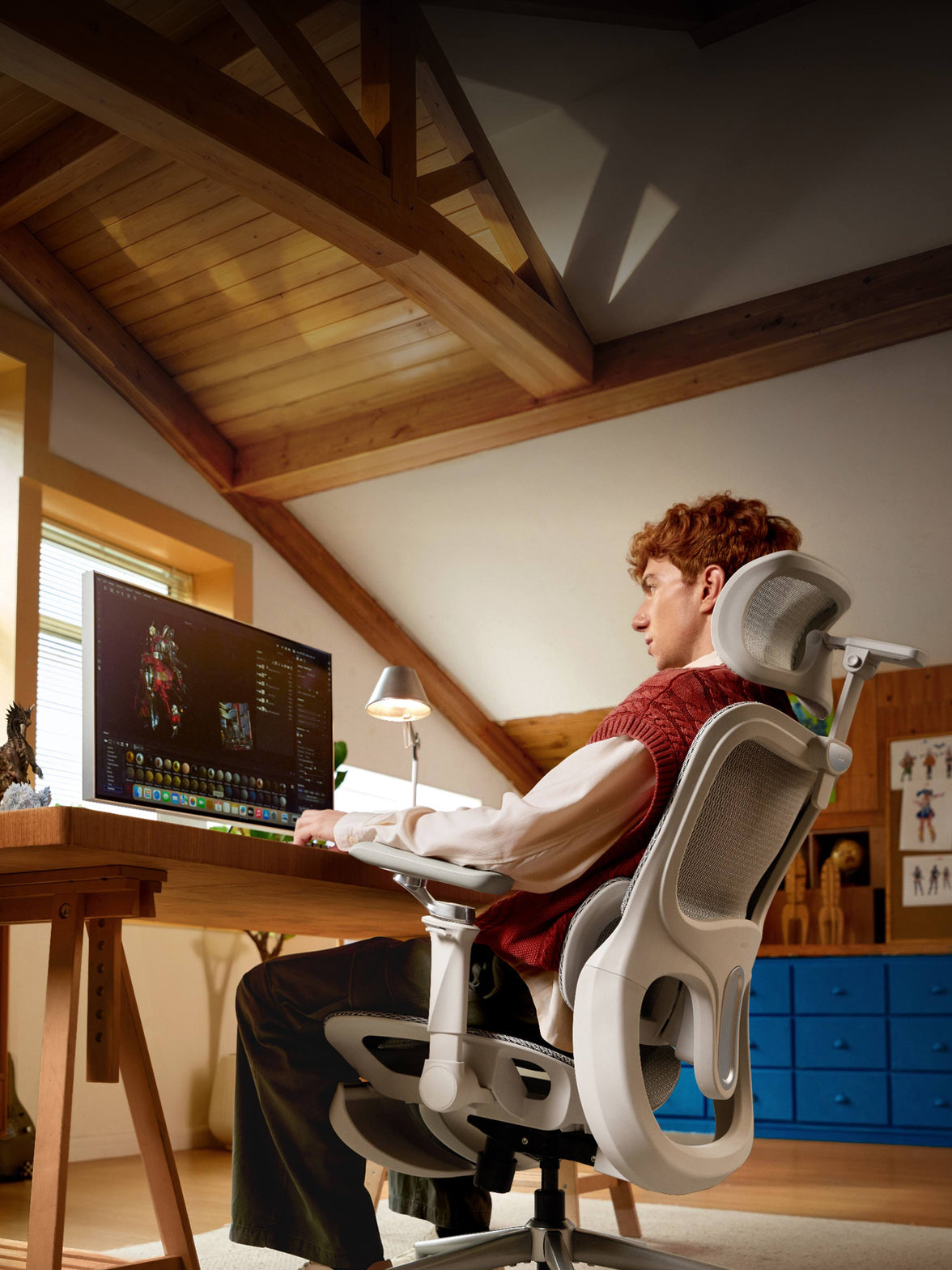
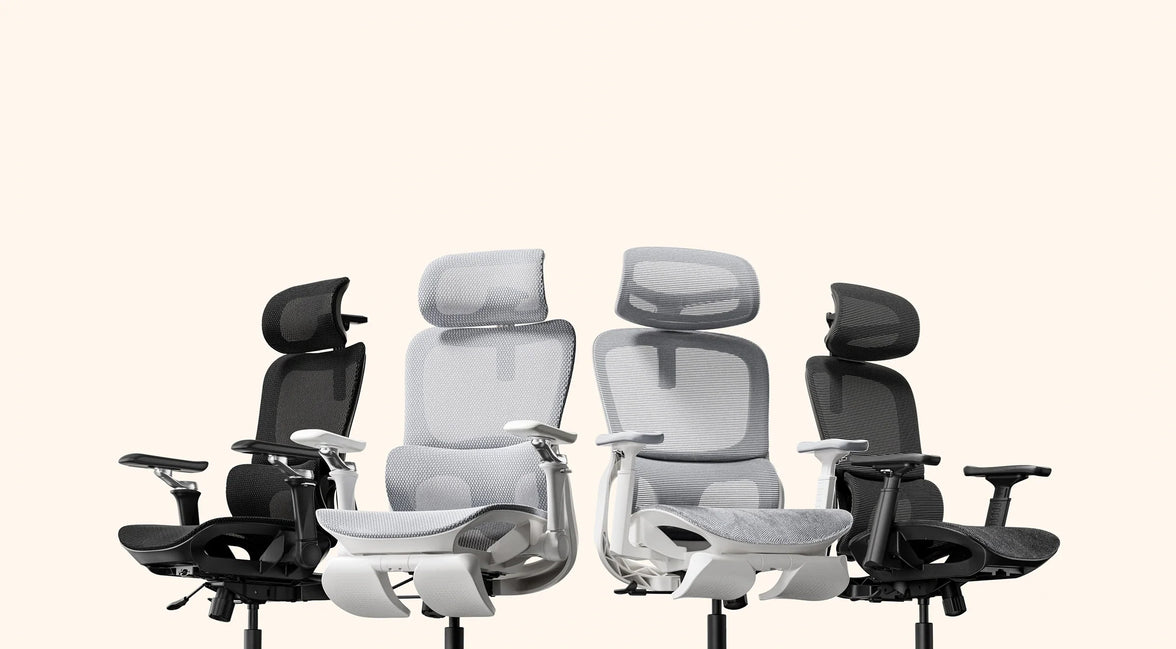
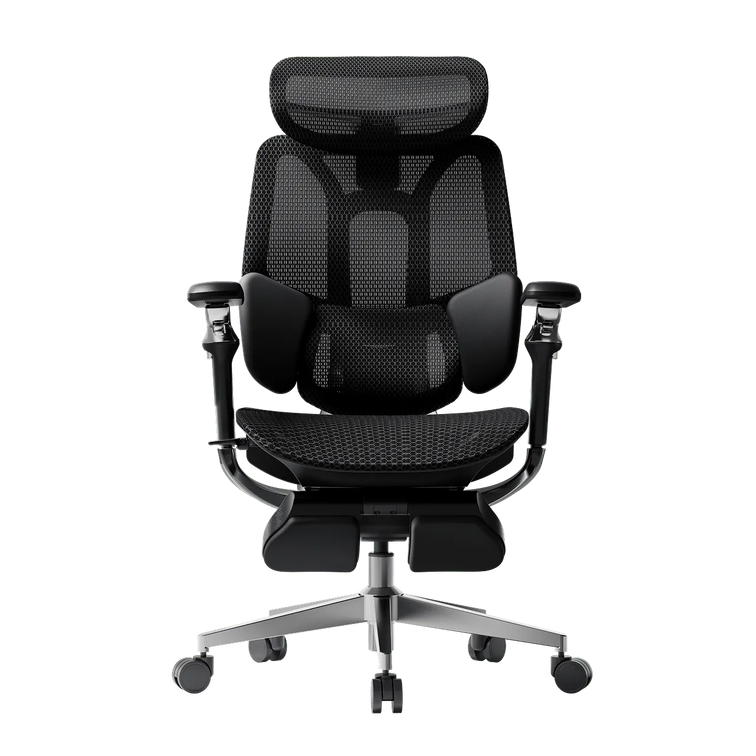
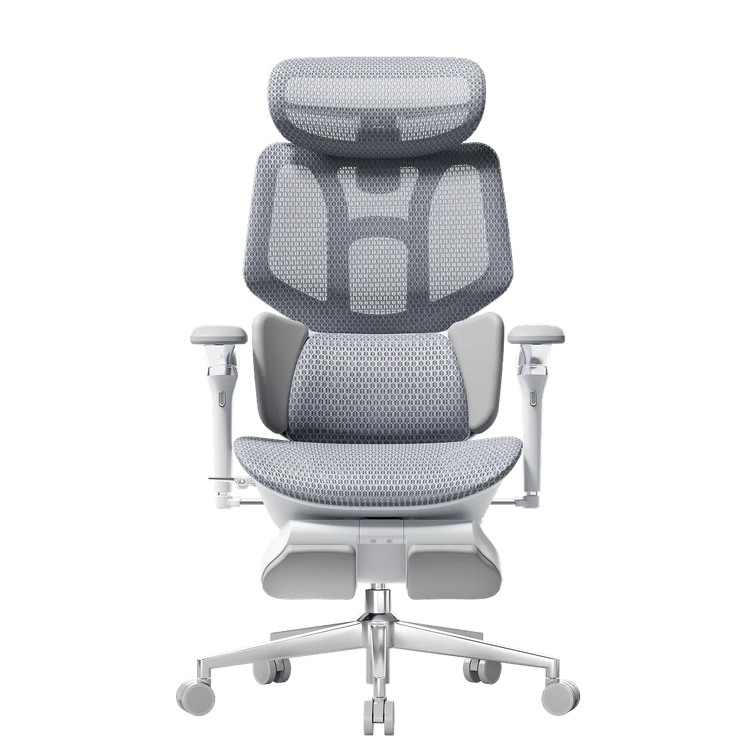
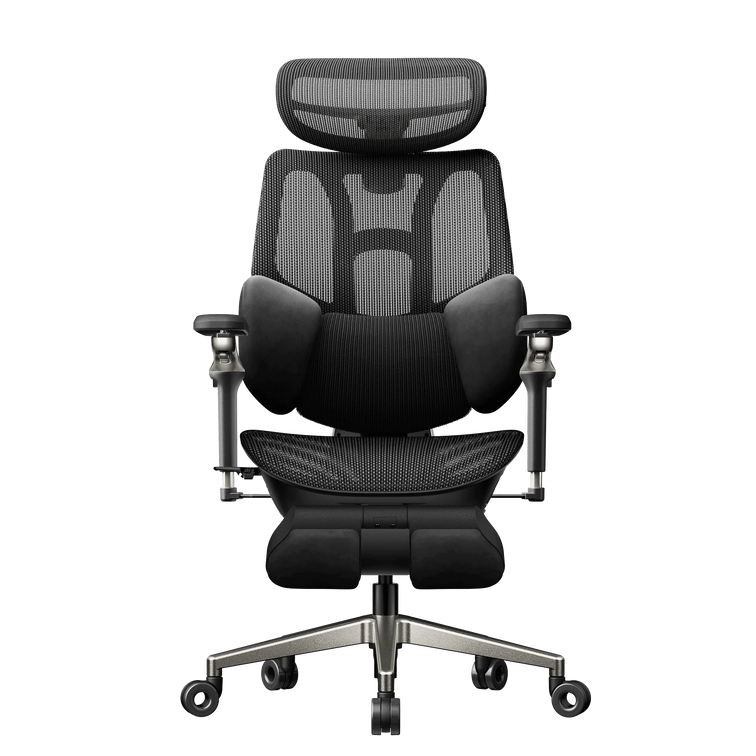
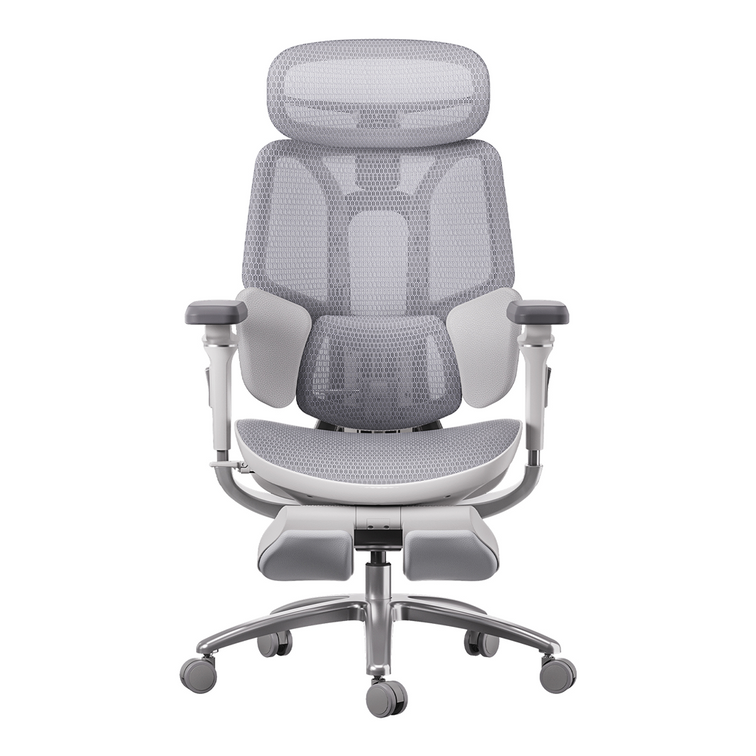
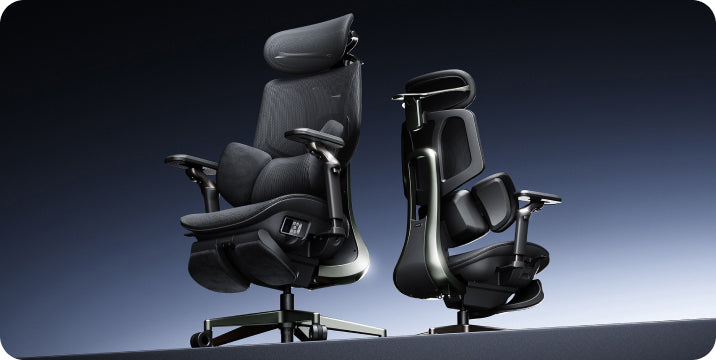
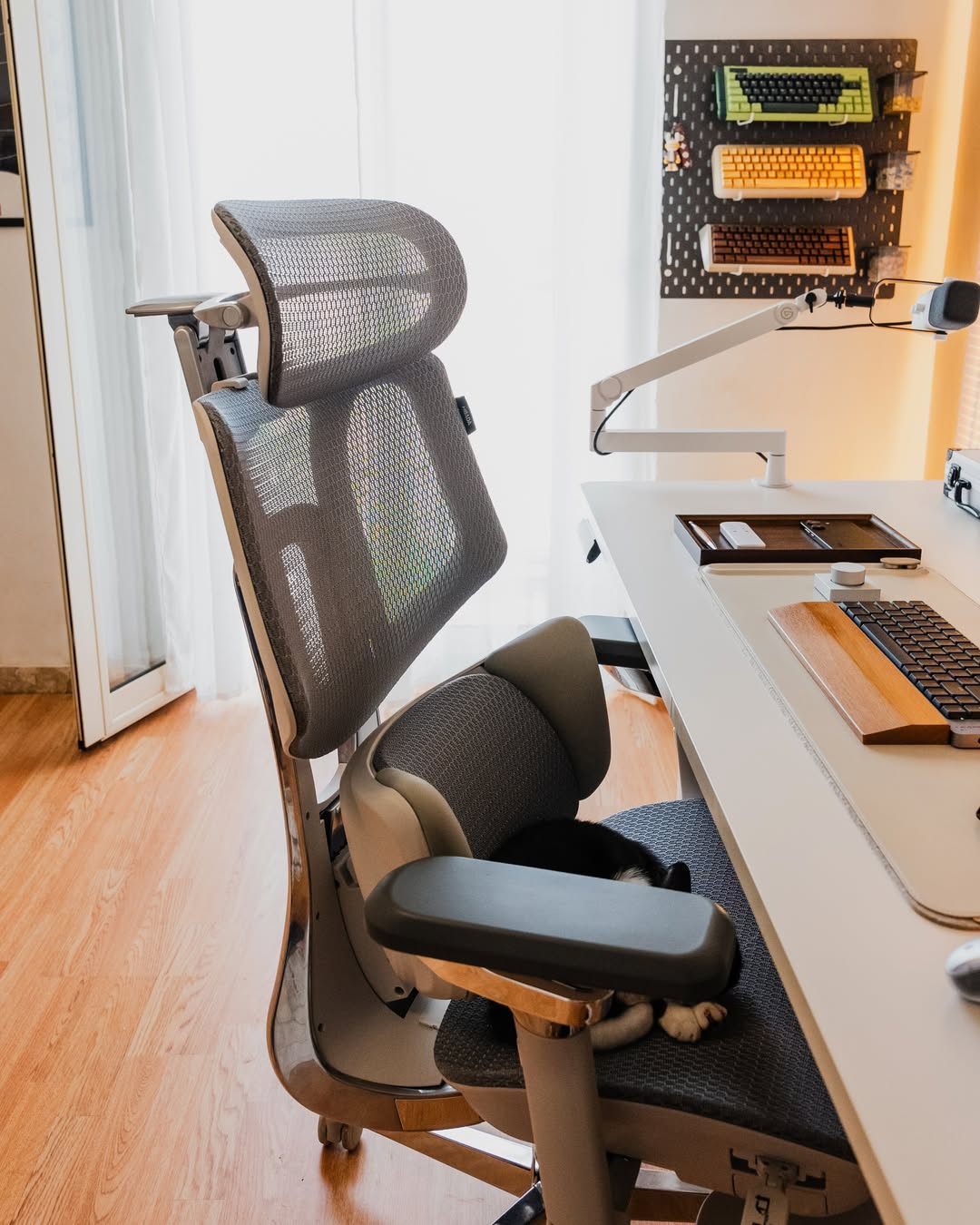
The HBADA AI-Powered X7 replaces conventional seat padding with a breathable elastic mesh seat. It is designed to distribute pressure across the sitting surface while maintaining airflow during extended periods of use.
According to HBADA's product specifications, the X7 uses pressure sensors, a smart control system and a linear motor to adjust its lumbar support. It also offers multiple lumbar-support intensity levels, adjustable armrests, an adjustable headrest and a reclining function. Exact specifications may vary by configuration and market.
Explore the HBADA X7 smart ergonomic chair or compare the HBADA X Series .
HBADA states that selected X7 models are tested to applicable chair-performance standards and are covered by the warranty shown on the relevant product page. Always confirm the current certification, weight capacity, warranty and configuration before purchasing.
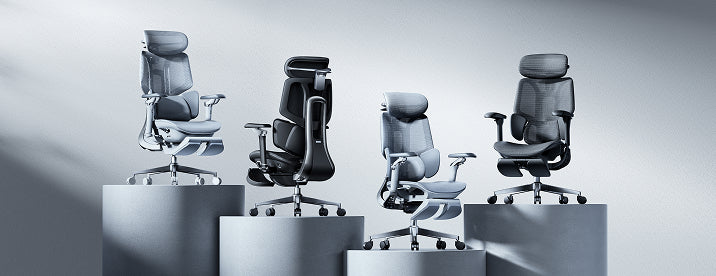
| Model | Seat and Anti-Imprint Design | Support System | Best For |
|---|---|---|---|
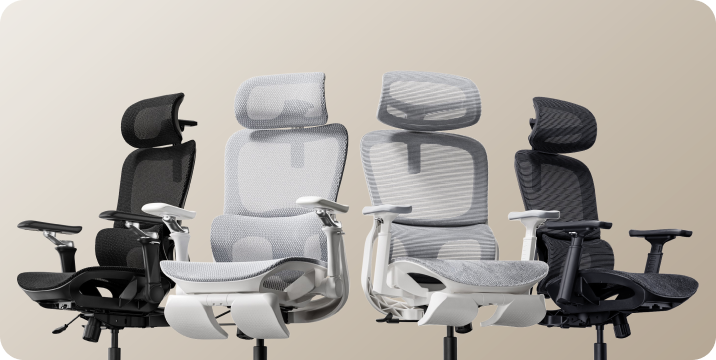
| HBADA AI-Powered X7 | Ventilated elastic mesh seat | Automatic lumbar adjustment with adjustable headrest, armrests and recline | Long working days and users who prefer automated support |
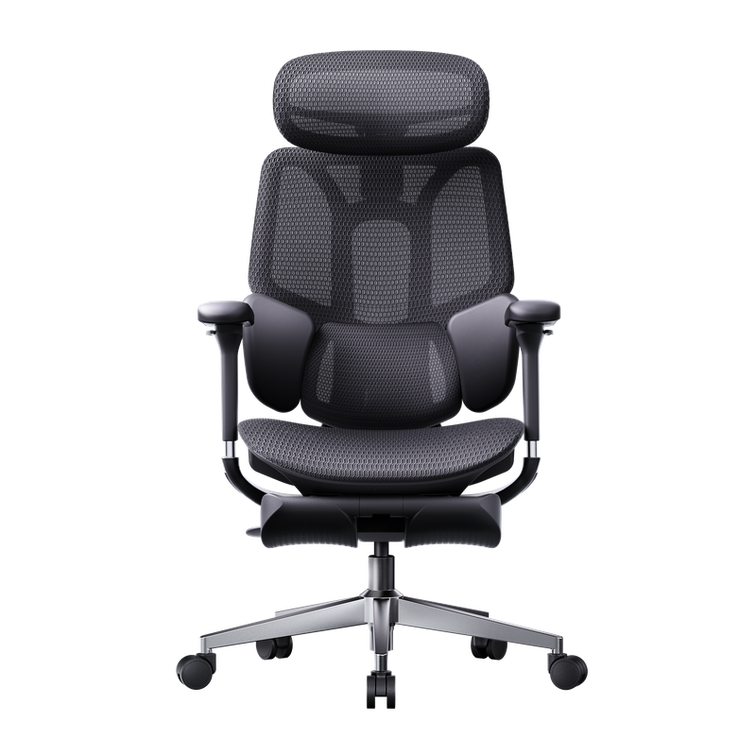
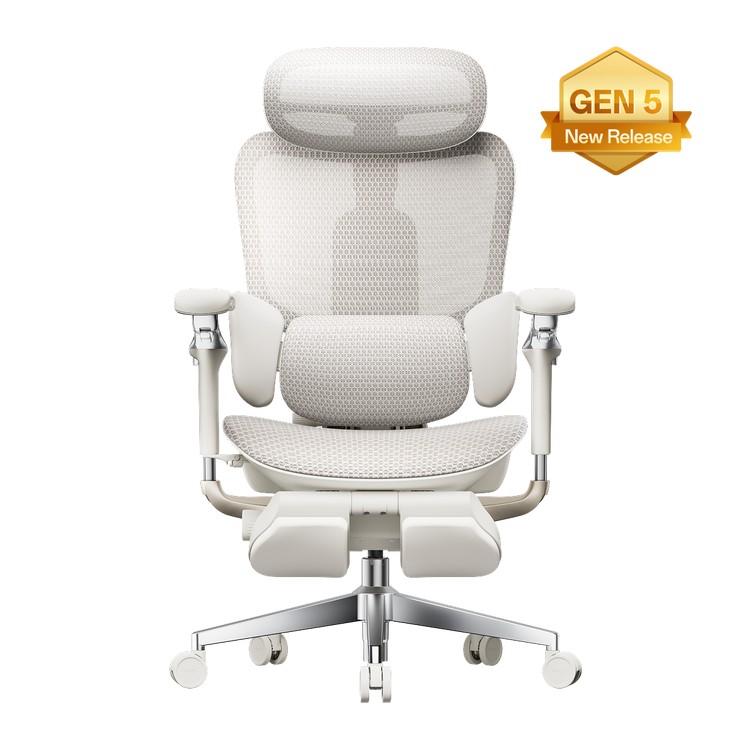
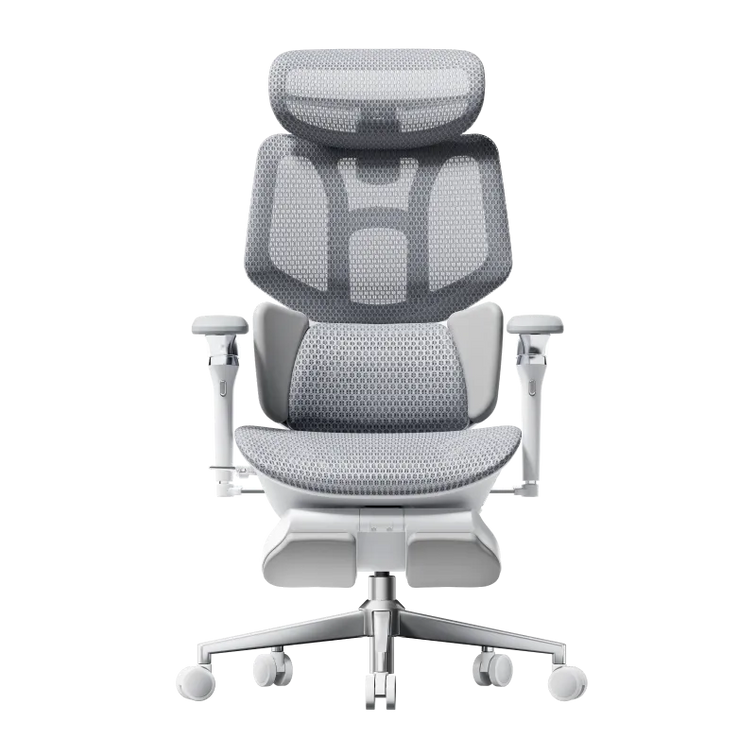
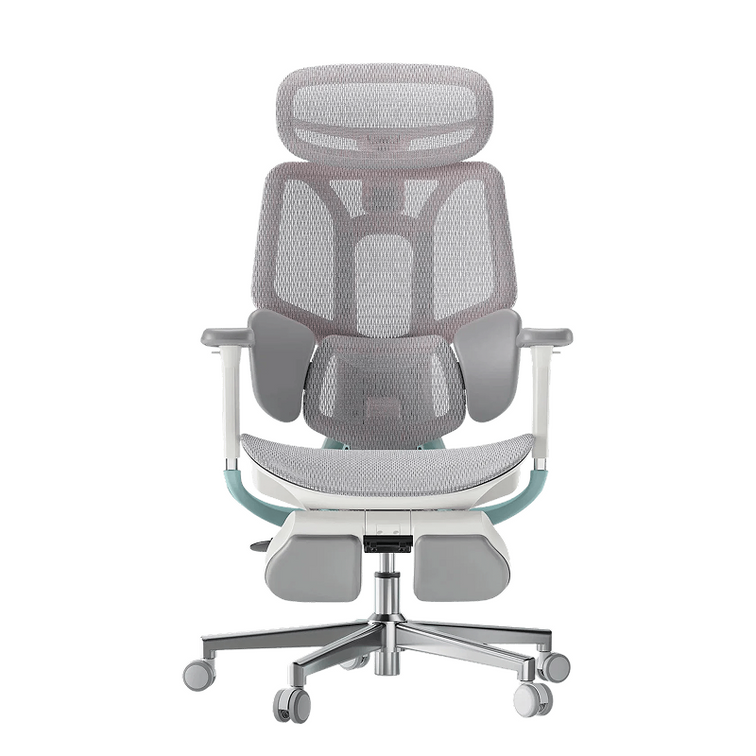
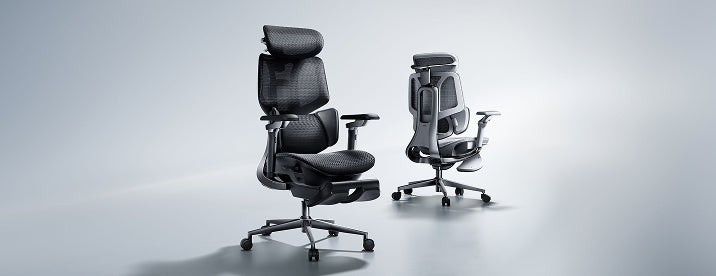
| HBADA E3 Pro 2026 Edition | Breathable mesh seat with selected footrest configurations | Multi-zone lumbar support with adjustable headrest and armrests | Extended use, reclining and users who want a footrest option |
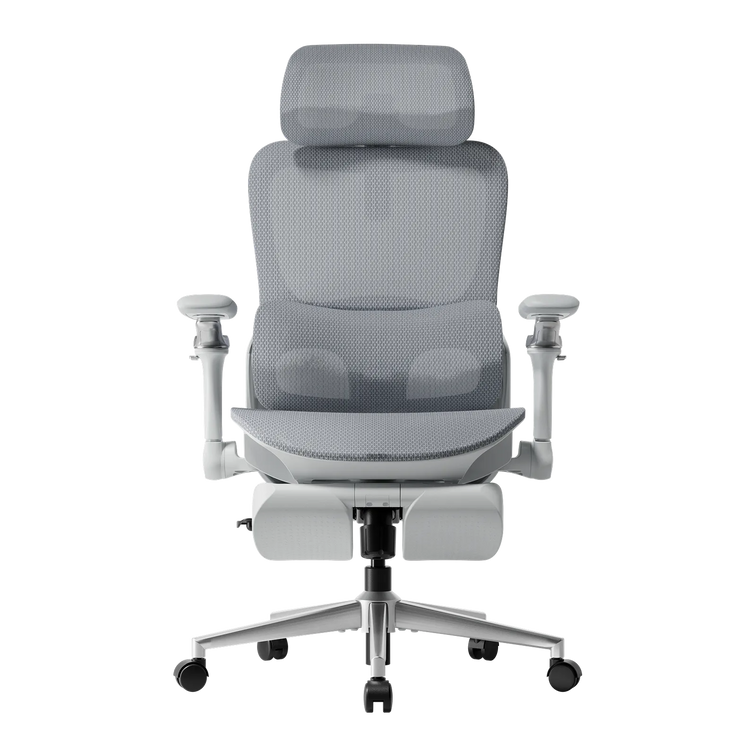
| HBADA E3 Air | Breathable mesh seat | Adjustable lumbar support, headrest and armrests | Everyday ergonomic support and larger seating requirements |
Product specifications, footrest availability and weight capacity vary by model and configuration. Confirm the current information on each product page before purchasing.
A Realistic Heavy-Use Scenario
The following example is illustrative and is not a specific customer testimonial.
Consider a user who works as a DevOps engineer and streams part-time. They are approximately 6'2" tall, weigh around 21 stone (135 kg) and sit for about ten hours on a busy day.
After several budget chairs develop flattened foam seats, the user may benefit from moving to a chair with a properly tensioned mesh seat, suitable dimensions and an appropriate stated weight capacity. A model such as the HBADA E3 Pro 2026 Edition may also provide more adjustment options and a footrest configuration for reclining during short breaks.
The important point is not that one chair can guarantee the elimination of discomfort. It is that a mesh seat removes the foam-compression mechanism responsible for the permanent dent and may distribute sitting pressure more consistently.
A Realistic Petite-Frame Scenario
The same principles also matter for users with smaller body dimensions.
Consider a graphic designer who is approximately 5'1" tall. On an oversized chair, the seat may press behind the knees, the lumbar support may sit too high and the armrests may be too far apart.
For this user, chair dimensions and adjustment range matter as much as the seat material. Adjustable lumbar positioning, inward-moving armrests and a suitable seat depth may help the user maintain a more comfortable working position.
A suspended mesh seat can also spread pressure across a broader area, although users should still confirm that the seat height and depth are appropriate for their body.
Which HBADA Chair Should You Choose?
Your best choice depends on your body dimensions, working habits, preferred adjustments and budget.
- Sit for extended periods and prefer automatic adjustment: consider the HBADA AI-Powered X7.
- Want adjustable support, reclining and a selected footrest configuration: consider the HBADA E3 Pro 2026 Edition.
- Want breathable everyday support and a spacious seat design: consider the HBADA E3 Air.
The key idea is simple: the long-term solution to office chair butt imprints is not merely adding another cushion. It is choosing a seat material and chair structure designed to distribute pressure and maintain its shape.
Compare HBADA ergonomic office chairs based on your body dimensions, daily sitting time and preferred support features.
Frequently Asked Questions
Why does my office chair have a butt imprint?
Your chair may have an imprint because the seat foam has reached compression set. Foam contains cells that compress and rebound whenever you sit. After repeated use, some of those cells may fatigue and stop returning to their original shape.
The dent normally develops beneath the sit bones, where pressure is concentrated. It is a sign of material wear, not a problem with your body.
Are butt imprints in a chair bad for your health?
The imprint itself is not a medical condition. However, a severely worn seat may stop distributing pressure evenly and may become uncomfortable during prolonged use.
A supportive chair should fit your body and workstation, but no chair removes the need to change position and take regular movement breaks.
How long should an office chair seat last before it sags?
There is no single lifespan for every seat. Durability depends on foam density, construction quality, body weight, temperature, humidity and the number of hours the chair is used each day.
Higher-density and moulded foams generally last longer than thin, low-density cushioning. Elastic mesh uses a different structure and is designed to recover its shape, although low-quality or poorly tensioned mesh may still stretch over time.
Can you fix a sunken office chair seat?
Temporary flattening may improve after the chair is left unused, but a permanent compression set is difficult to reverse because the internal foam cells have already collapsed.
A replacement cushion can provide a temporary improvement. The more durable solution is usually replacing the worn seat or choosing a chair with an appropriately engineered elastic mesh seat.
Do mesh chairs get butt imprints too?
A quality mesh seat is less likely to develop a body-shaped compression dent because it does not depend on foam cells. Its elastic weave is designed to recover after pressure is removed.
However, mesh quality matters. Poorly constructed mesh can stretch, loosen or feel overly firm. Look for a chair with a properly tensioned seat, suitable dimensions, a stated weight capacity and clear warranty coverage.
Last reviewed: July 2026. Product specifications, availability, certifications and warranty terms may change. Confirm current information on the relevant product page before purchasing.