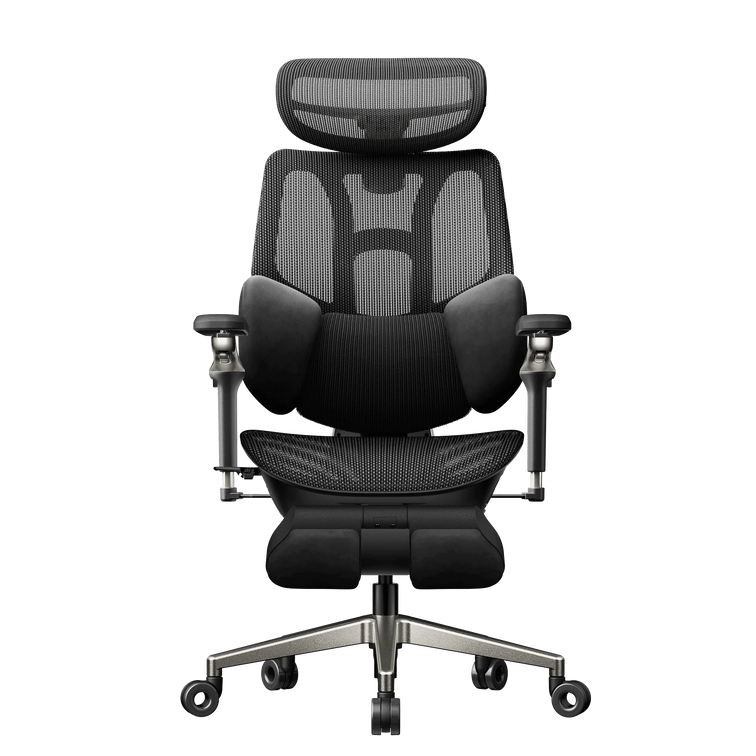
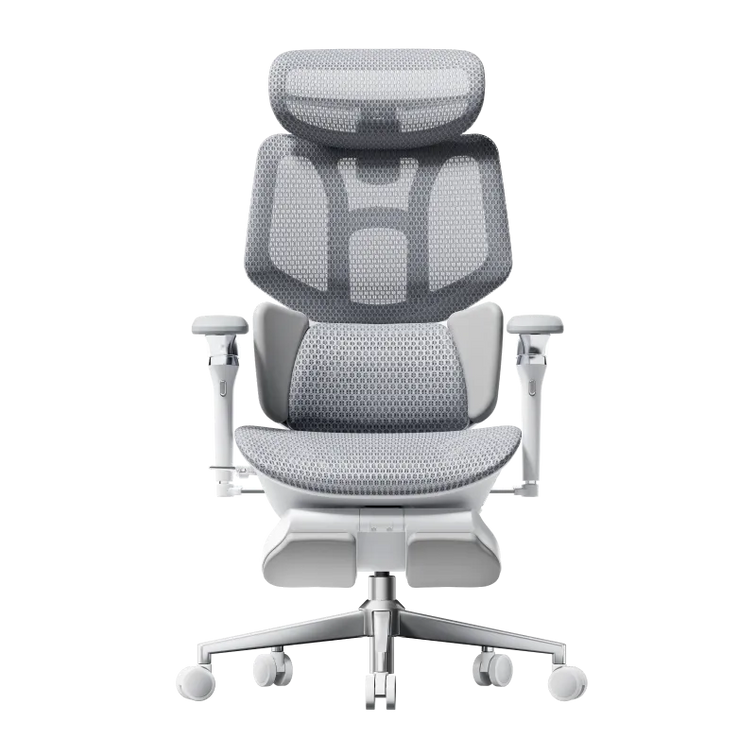
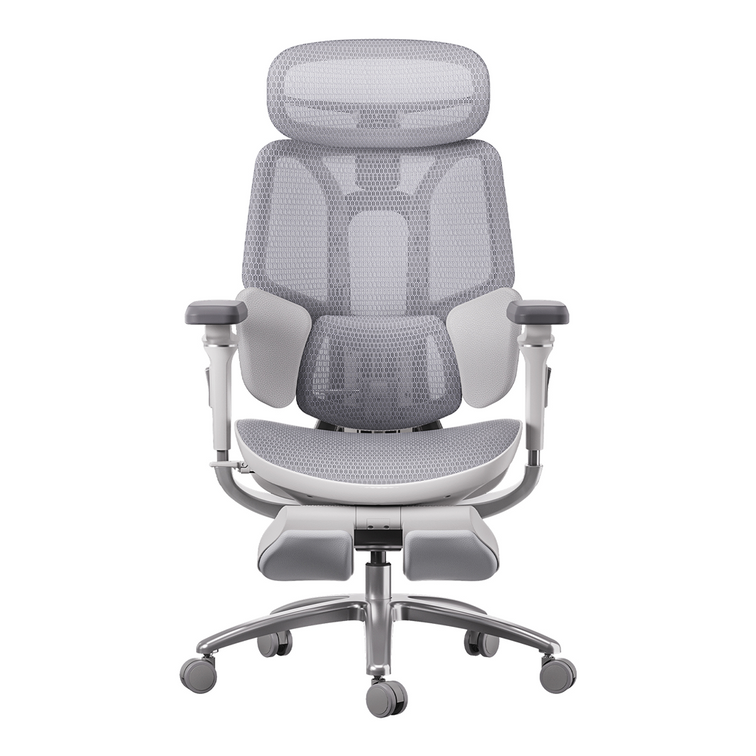
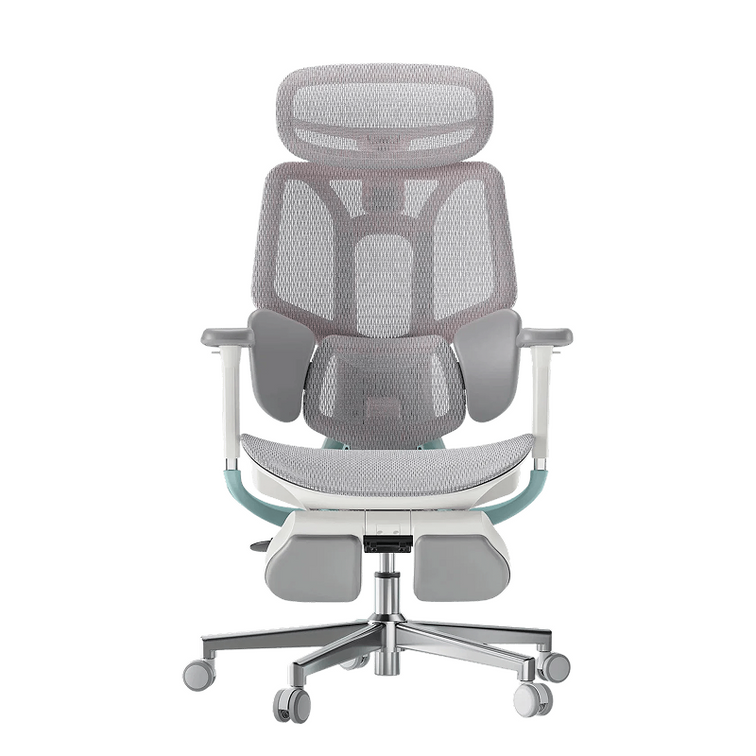
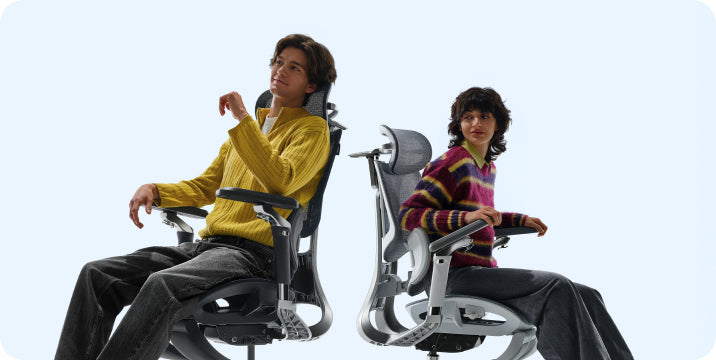
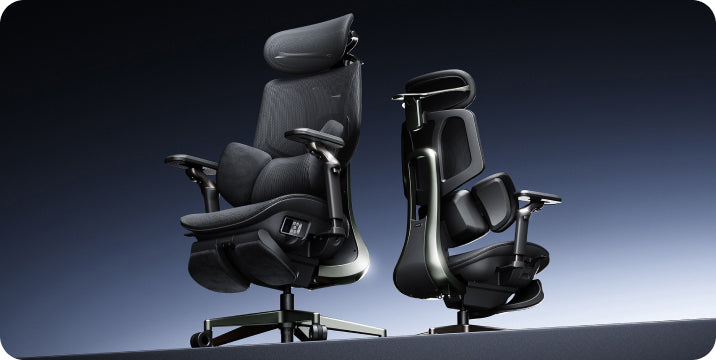

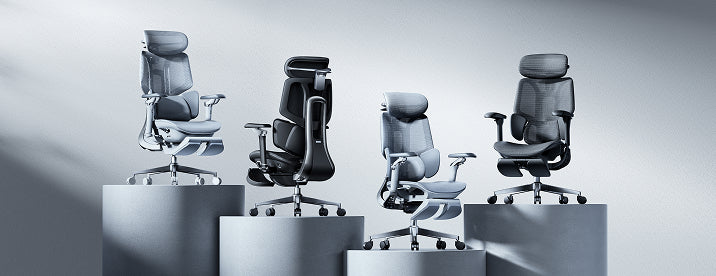
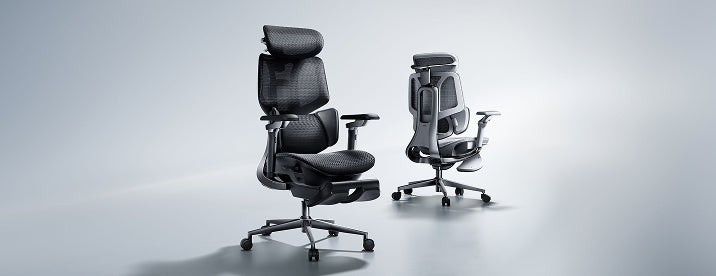


You sit down, lean back, and a strange thought lands: can office chairs explode? It sounds like an internet myth, yet a few real incidents have made headlines. The honest answer is that a genuine office chair explosion is extremely rare, and it almost never happens with a properly certified chair. The risk lives inside one part, the gas cylinder, and gas cylinder safety comes down to build quality, certification and how you treat your chair. This guide separates fact from fear, shows you the warning signs, and explains how our chairs are engineered to remove the risk.
So, Can Office Chairs Really Explode?
Here is the straight answer. Yes, an office chair explosion is possible, but only in rare cases involving a faulty or counterfeit gas lift cylinder, and the odds of it happening with a certified chair are vanishingly small. Across millions of chairs in daily use, only a handful of verified incidents have been reported worldwide in the last two decades. Every documented case traces back to the same root cause: a cheap, uncertified pneumatic cylinder that was never built to a recognised safety standard.
How an Office Chair Gas Cylinder Actually Works
To judge the risk, you need to understand the part. The gas lift cylinder, also called a gas spring, is the sealed metal tube that raises and lowers your seat. It works on a few simple principles:
• It is pneumatic, not hydraulic.
• It is filled with compressed nitrogen gas, an inert gas that will not combust.
• When you pull the lever, a valve releases nitrogen to raise or lower the seat.
• The gas is sealed inside thick steel rated well above normal working pressure.
A quality cylinder that ages does not burst. It slowly loses pressure, which is why an old chair starts to sink rather than fail with a bang.
Myth vs Fact: Office Chair Explosions
Most of the fear online comes from half-truths. Here is what holds up, and what does not.
|
Myth |
Fact |
|
Any office chair can blow up at random. |
Certified chairs with nitrogen-filled cylinders do not spontaneously explode under normal use. |
|
Gaming chairs are more dangerous than office chairs. |
They use the same gas lift mechanism. Build quality, not chair category, decides safety. |
|
The gas inside is flammable. |
Quality cylinders use inert nitrogen gas, which cannot ignite. |
|
A sinking chair is about to explode. |
Sinking signals a slow pressure leak, not a blast. It is a repair cue, not a danger alarm. |
|
Heat will make your chair detonate. |
Extreme heat can stress a weak, low-grade cylinder over time. A certified cylinder is rated for normal indoor temperatures. |

What Actually Causes a Gas Cylinder to Fail?
When an office chair gas cylinder does fail catastrophically, the cause is almost always preventable. A short list of factors accounts for nearly every reported case:
• Substandard manufacturing: thin, low-grade steel that cannot contain normal pressure.
• The wrong gas: some cut-price makers fill cylinders with compressed air instead of nitrogen gas. Air carries oxygen and moisture, which corrode the seal and raise burst risk.
• Overloading: exceeding the rated weight capacity stresses the internal components.
• Prolonged heat: leaving a chair in direct sun or beside a radiator expands the gas and fatigues weak materials.
• DIY tampering: opening or trying to deflate a cylinder is dangerous and a leading cause of accidents.
• Age and wear: seals degrade over many years, so an unmaintained cylinder is more likely to leak.
Documented Incidents
The cases that fuel the headlines are real but isolated. Reported incidents, including a 2009 case in Shandong, China, and a separate injury reported in 2013, both involved low-cost chairs that were never certified to a recognised standard. In nearly every account, investigators pointed to inferior cylinders filled with compressed air rather than sealed nitrogen. The lesson is consistent: the danger sits with uncertified hardware, not with the technology itself.
Warning Signs Your Gas Lift May Be Failing
Your chair will usually warn you long before anything goes wrong. Act on these signs early:
• A hissing or leaking sound from the cylinder.
• A seat that sinks on its own and will not hold height, the classic sinking chair.
• Visible cracks, rust or dents on the metal tube.
• Wobbling, popping or grinding when you adjust the height.
If you notice any of these, stop using the chair and replace the gas lift cylinder or the chair. Never try to open or refill the cylinder yourself.

How We Engineer the Risk Out of Every Chair
Safety should be designed in, not hoped for. Here is how our chairs remove the variables that cause failure:
• Every HBADA chair ships with a BIFMA-certified gas cylinder, tested to the highest Class 4 gas lift grade for pressure resistance and durability.
• Our cylinders use sealed, high-purity nitrogen gas inside thickened, explosion-proof steel, never compressed air.
• Components are validated by independent laboratories including SGS and TUV Rheinland, and every chair passes over 100,000 cycle tests.
• Each model carries a 5-year warranty, so a weakening cylinder is replaced, not endured.
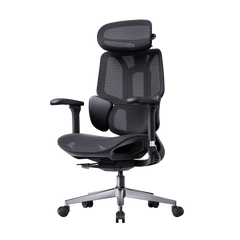
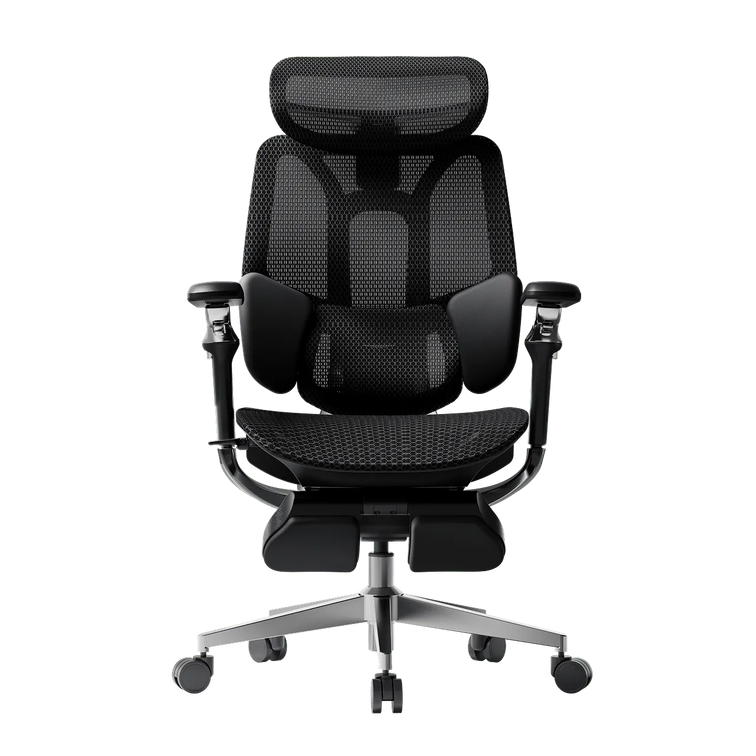
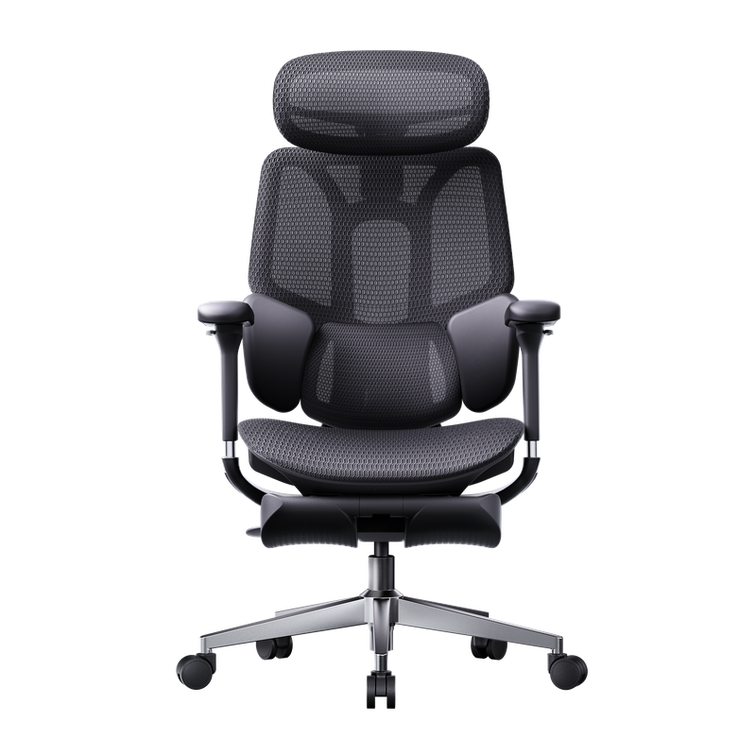
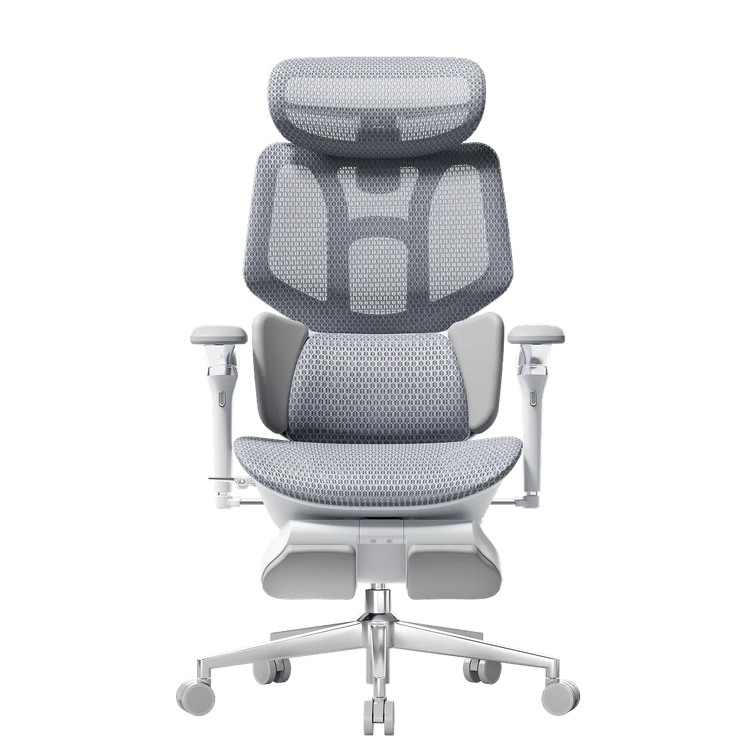
For heavier users and long shifts, the BIFMA-certified gas lift engineering of the HBADA E3 Pro 2026 Edition pairs an anti-sinking Class 4 gas lift with a steel-reinforced chassis and our 3-Zone Elastic Lumbar Support.
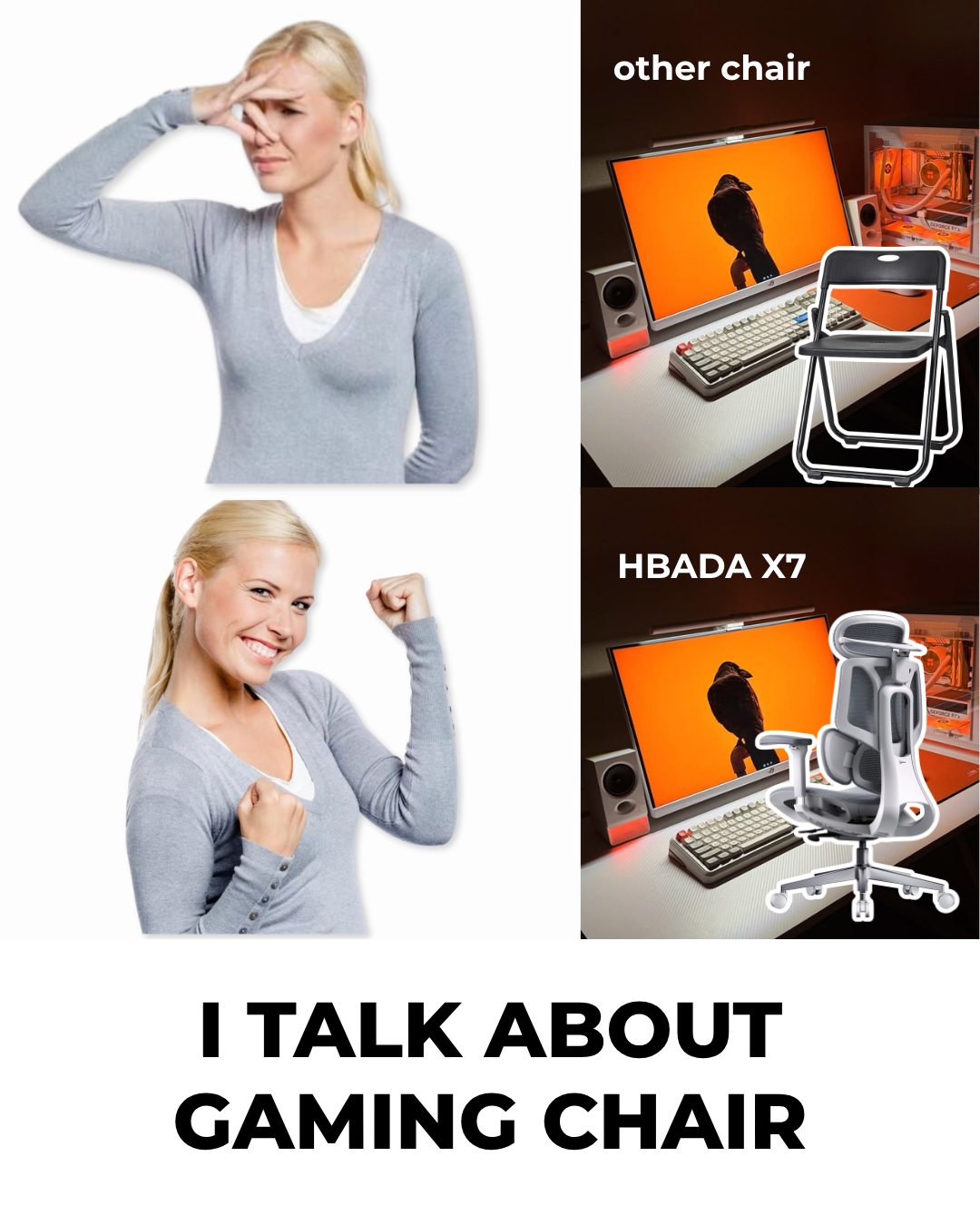
If you want active, sensor-driven support, the AI lumbar-tracking design of the HBADA X7 Smart Ergonomic Chair tracks your spine in real time while resting on the same certified, explosion-proof cylinder platform.
|
Feature |
HBADA E3 Pro 2026 Edition |
HBADA X7 Smart Ergonomic Chair |
|
Best for |
Heavy-duty use and long shifts |
Active AI support and all-day precision |
|
Gas lift |
Anti-sinking Class 4, BIFMA- certified |
Class 4, BIFMA-certified |
|
Lumbar support |
3-Zone Elastic Lumbar Support |
AI lumbar-tracking, auto-adjusting |
|
Frame |
Steel-reinforced chassis |
Reinforced ergonomic frame |
|
Recline |
Up to 140 degrees |
Dynamic, posture-following |
|
Safety testing |
SGS, TUV, 100,000+ cycle tests |
SGS, TUV, 100,000+ cycle tests |
|
Warranty |
5 years |
5 years |
Real Users, Real Results
Specifications matter most when you can see them solve a real problem. Here are two very different users and how the right chair fixed their pain.
The Heavy-Duty Home Worker
Callum H., 34, is a senior DevOps engineer and part-time streamer in Manchester (188 cm, 134 kg). He had been through three budget office chairs in two years. The foam compressed flat, the cheap cylinders kept failing under his 10-plus-hour shifts, and a constant sinking chair left him with lower back numbness. He switched to the HBADA E3 Pro 2026 Edition. The anti-sinking Class 4 gas lift and steel-reinforced chassis gave him a rock-solid base, while the 3-Zone Elastic Lumbar Support adapted as he leaned in to type or reclined to 140 degrees to rest, spreading his weight without sagging.
The Petite Professional
Hannah W., 28, is a remote graphic designer and lifestyle blogger in Bristol (155 cm, 50 kg). Standard chairs were built for an average male frame, so the lumbar pad sat too high, her feet could not rest flat, and wide armrests left her elbows floating. She set up the HBADA X7 Smart Ergonomic Chair instead. Using the 60mm seat-depth adjustment, she removed the under-thigh pressure, and the 720-degree bionic armrests rotated inward to cradle her arms as she sketched on her iPad, easing the shoulder tension she had carried for years.
How to Prevent an Office Chair Explosion
Prevention is simple, and almost entirely in your hands. Work through this checklist:
1. Buy certified. Choose chairs with BIFMA or SGS-tested, Class 4 gas lift cylinders.
2. Respect the limit. Stay within the weight capacity printed on your chair.
3. Keep it cool. Avoid direct sun and radiators.
4. Inspect quarterly. Check for cracks, rust or hissing.
5. Never tamper. Do not disassemble or refill the gas lift cylinder yourself.
6. Replace early. Swap a failing cylinder promptly rather than working through it.
The Safety Standards That Actually Matter
If you check only one thing before buying, check the certification. In the UK, the benchmark is BS EN 1335, the European standard for office work chairs, with BS EN 1335-2:2018 setting the safety, strength and durability requirements. For global durability, look for ANSI/BIFMA X5.1, the North American performance standard for general-purpose office chairs. Independent labs such as SGS and TUV verify these claims, so a credible chair carries a test report, not just a marketing badge.
Which HBADA Chair Should You Choose?
So, can office chairs explode? Yes, in rare cases, but the right chair makes it a non-issue. Match the chair to your body and your hours:
• Choose the HBADA E3 Pro 2026 Edition if you are a heavier user, sit for long shifts, or want maximum stability from a steel-reinforced, anti-sinking build.
• Choose the HBADA X7 Smart Ergonomic Chair if you want AI lumbar-tracking and fine, body-specific adjustment.
Either way, you get a BIFMA-certified, explosion-proof gas cylinder, independent lab testing and a 5-year warranty. That is what real gas cylinder safety looks like. Pick the fit that suits you, and stop worrying about the cylinder.
Frequently Asked Questions
Quick answers to the questions people ask most.
Can office chairs explode?
Yes, but it is extremely rare. A true office chair explosion almost always involves a cheap, uncertified gas lift cylinder filled with compressed air instead of sealed nitrogen. Among millions of chairs in use, only a handful of verified incidents have been reported in twenty years. A certified chair with a Class 4, BIFMA-tested cylinder is not at meaningful risk. Buy certified, respect the weight limit, and you can sit with complete confidence.
Why do office chair gas cylinders explode?
Failure usually comes down to build quality. Some low-cost makers use thin steel or fill the cylinder with compressed air rather than inert nitrogen, which corrodes the seal over time. Overloading past the weight capacity, prolonged heat from the sun or radiators, and DIY tampering all add stress. Age matters too, as seals degrade over time. Remove these factors with a certified cylinder and proper care, and catastrophic failure becomes a non-event.
Are gas lift office chairs safe?
Yes. Gas-lift office chairs are generally safe when they meet recognised standards. The pneumatic cylinder uses inert nitrogen sealed inside thick steel that is rated well above normal working pressure, so it cannot ignite or burst under everyday use. Problems cluster around uncertified, bargain imports, not quality chairs. Look for BS EN 1335 or BIFMA testing and a Class 4 gas lift, and your chair will protect you for years.
How do I know if my office chair cylinder is failing?
Your chair gives clear warnings. Listen for a hissing or leaking sound, and watch for a seat that sinks on its own and will not hold height. Check the metal cylinder for cracks, rust or dents, and notice any wobbling, popping or grinding when you adjust the height. Any of these means the gas lift cylinder is wearing out. Stop using the chair, and replace the cylinder or the chair. Never open or refill it yourself.
Can a sinking office chair be dangerous?
A sinking chair is annoying rather than explosive. Slow sinking signals a gradual nitrogen leak, meaning the cylinder is losing pressure rather than building toward a blast. Even so, do not ignore it. A worn cylinder can drop suddenly and jolt your spine, and the underlying wear only gets worse. If your chair keeps sinking, replace the gas lift cylinder or upgrade to a certified chair with an anti-sinking Class 4 gas lift for a permanent fix.