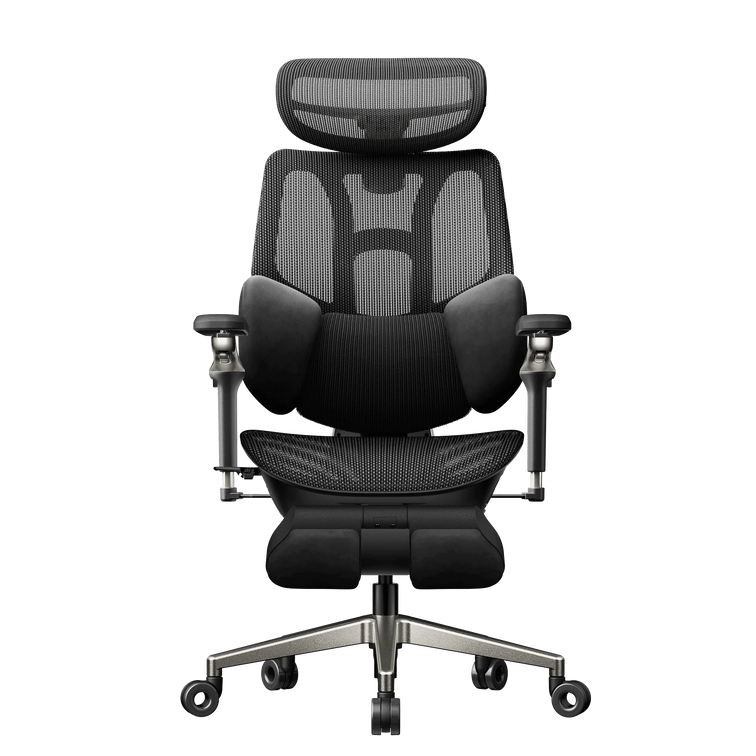
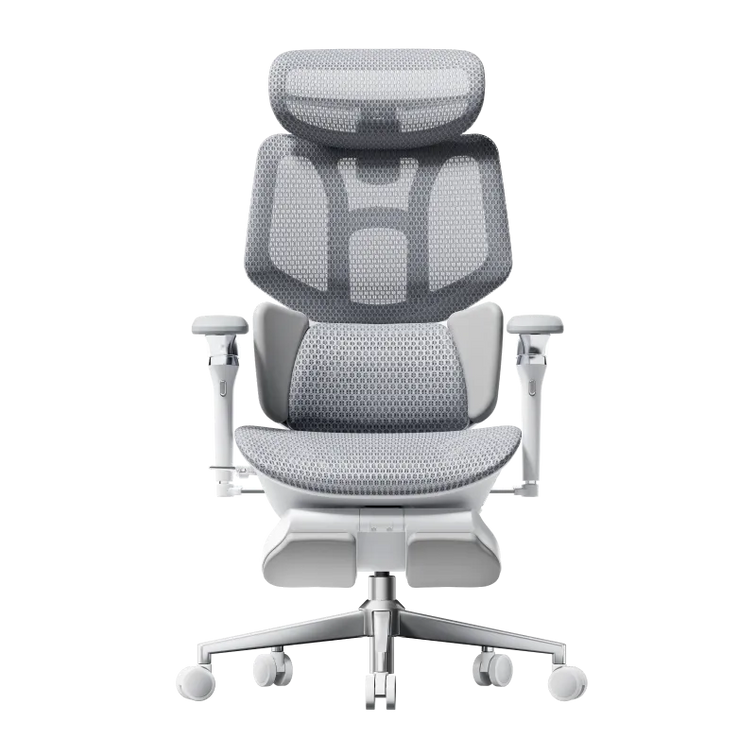
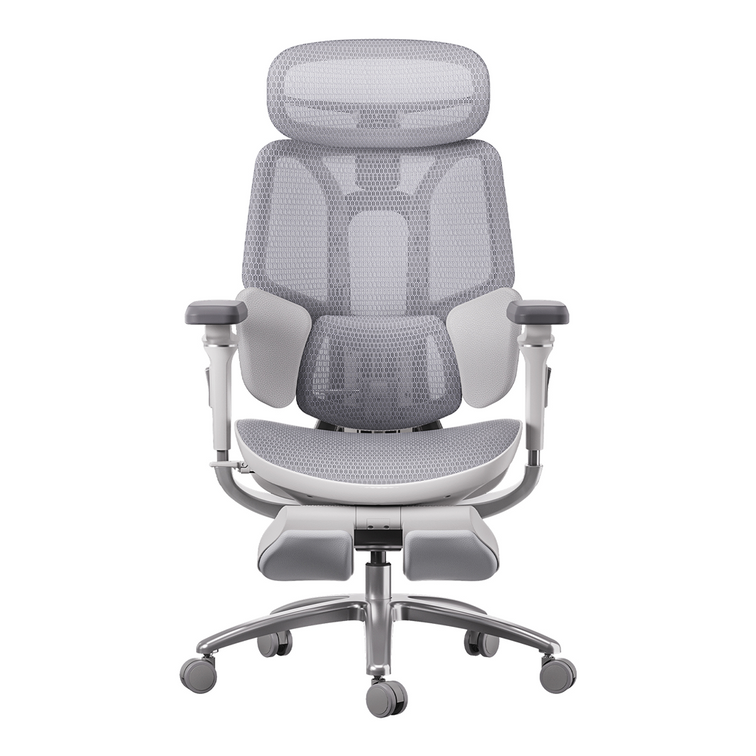
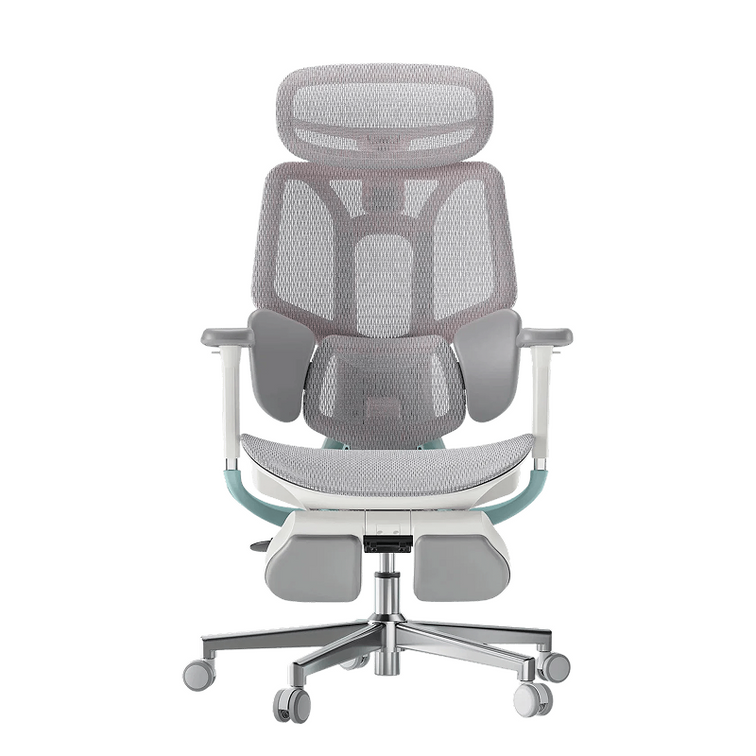

Upgrading your remote workspace often brings up a critical question: Is a premium ergonomic chair truly worth the higher price tag, or will a basic budget seat suffice? Many professionals opt for the cheapest available option, only to discover that budget foam and rigid frames lead to chronic back pain, reduced productivity, and the need to replace them within a year. Understanding the direct link between chair engineering and long-term physical health completely changes how you view this purchase. Our 2026 office chair price guide breaks down exactly what you get at every price tier and helps you determine how much you should invest for a home office chair to achieve permanent physical comfort and secure a high return on your personal health investment.
The True Cost of Cheap Seating vs. Premium Investment
Clinical data indicate that using non-ergonomic seating for more than 4 hours daily accelerates intervertebral disc compression by 30%, resulting in an estimated annual productivity loss and physical therapy costs of $1,200. Investing in commercial-grade biomechanical support from our engineered lineup reverses this trajectory by sustaining neutral pelvic alignment and drastically reducing cumulative spinal load.
The Hidden Health Tax of Budget Chairs
Using cheap office chairs takes a daily toll on your body. These chairs often use low-quality foam and stiff plastic backs that do not support your spine’s natural shape. Without proper support, your lower back slumps, making your core muscles work harder to hold you up. After eight hours, this can lead to muscle inflammation, reduced blood flow to your legs, and ongoing back stiffness, making it harder to focus on your work.
Replacement Frequency and Long-Term ROI
A typical $150 budget chair often breaks down within 12 to 18 months due to issues such as deflating cylinders, worn wheels and flattened foam. If you buy a new cheap chair every year, you could spend $750 over five years, not including extra medical costs from bad posture. On the other hand, investing in a high-quality chair built to last ten years can save you money in the long run by avoiding frequent replacements and reducing health-related expenses.
2026 Office Chair Price Tiers Explained
In 2026, ergonomic chairs fall into three main price ranges: budget models under $200, performance chairs from $200 to $600, and smart therapeutic chairs over $600. Each step up brings better materials, more advanced support features, and improved comfort for longer use.

The Budget Tier (Under $200 / £150)
Chairs under $200 usually offer simple height adjustment and fixed lumbar support. They are made with single-layer mesh and basic foam that loses much of its shape within six months of daily use. While these chairs work for short periods, they lack the adjustments needed for long hours. They are best for occasional use, not for full-time remote work.
The Mid-Range Performance Tier ($200 - $600 / £150 - £450)
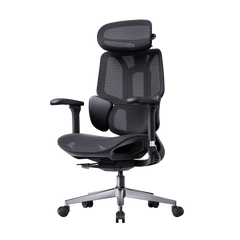
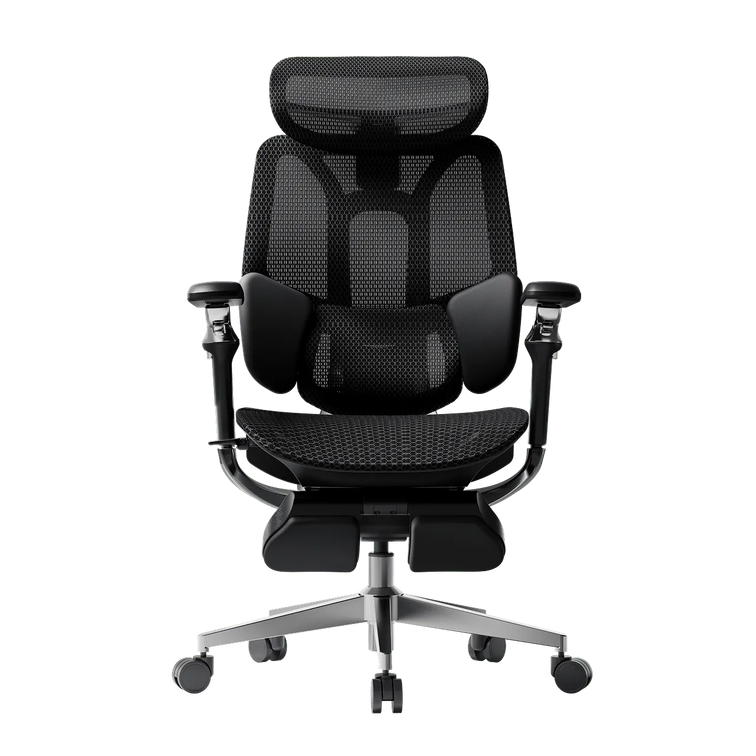
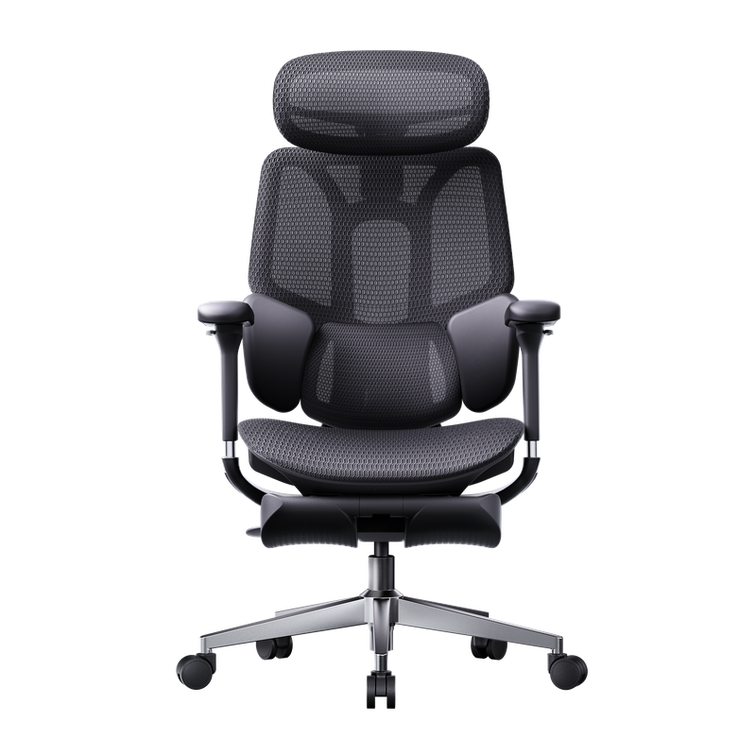
Spanning from $200 to $600, the mid-range performance tier integrates heavy-duty aluminum chassis components with dynamic posture tracking. In this bracket, our engineered models feature our patented 3-zone adaptive lumbar support, which utilizes spring-loaded lateral wings to continuously cradle the lower spine during micro-movements. Additionally, advanced ergonomic features, such as our 720-degree omni-adjustable armrests, are now standard, offering unmatched multi-axial relief for shoulder tension by perfectly tracking your forearm pivot. This tier is optimized for professionals seeking a robust, bio-synchronized seating experience that can withstand grueling eight-hour shifts.
Discover the heavy-duty engineering and adaptive relief of our HBADA E3 Pro 2026 Edition.
The Premium & Smart Tier ($600+ / £450+)

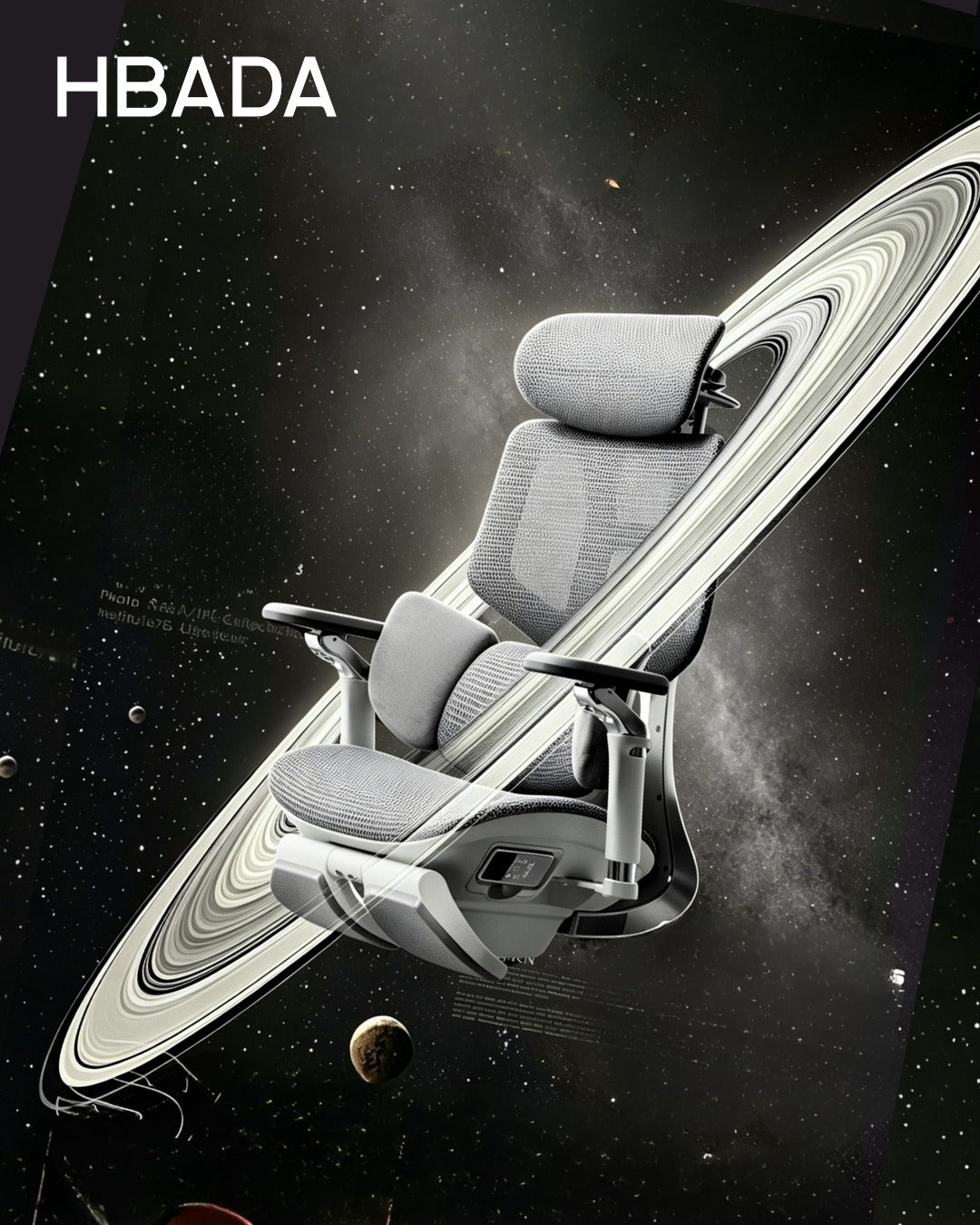
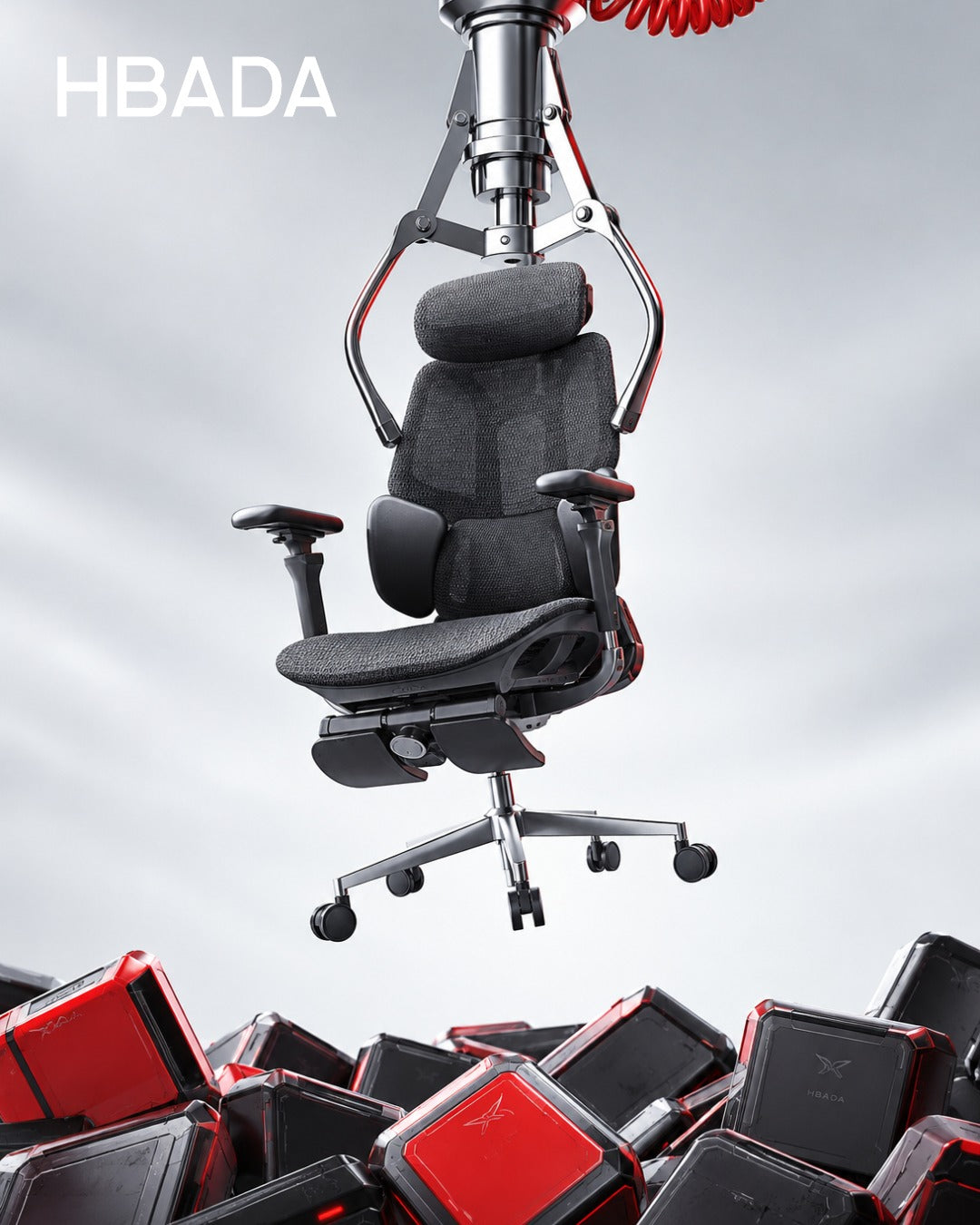
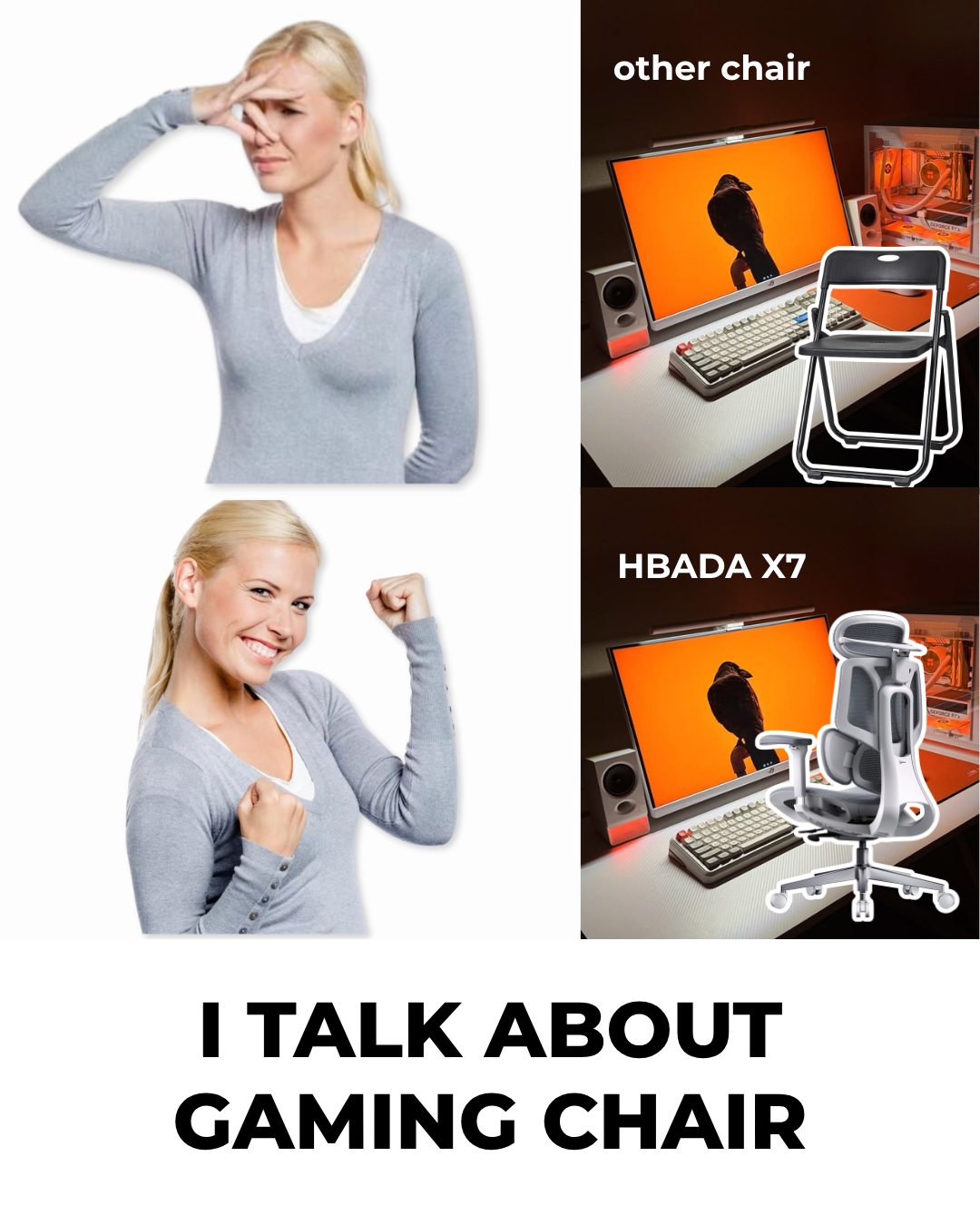
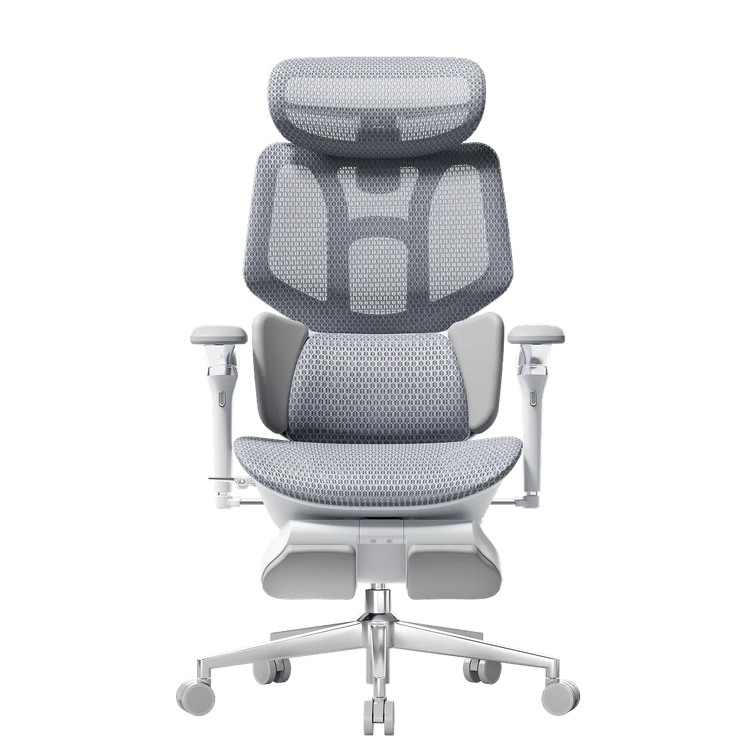
At $600 and above, seating transcends basic mechanical support, becoming a fully automated health ecosystem. Devices in this category operate as an intelligent spinal decompression office chair, delivering built-in bionic massages, active thermal therapy, and predictive tracking. This bracket is defined by our flagship HBADA AI-Powered x7, representing the absolute best ergonomic office chair 2026 has seen. It is designed specifically for tech-forward power users who demand active, zero-latency physical recovery right at their desk.
How Much Should You Invest for a Home Office Chair?
To get the best value for your health, experts suggest spending at least $400 on a chair if you sit for more than five hours a day. Your personal needs, such as back or neck issues, will help you decide whether you need a chair with manual adjustments or one with smart, automated support.
Assessing Your Daily Seat Time
The best way to set your chair budget is to count how many hours you sit each day. After four hours, the pressure on your lower back rises quickly. If you often work 8 to 10 hours at your desk, it is important to choose a high-quality chair with breathable mesh and an adjustable recline to keep you comfortable and prevent overheating.
Factoring in Pre-Existing Health Needs
For individuals actively managing chronic joint stiffness, sciatica, or repetitive strain injuries (RSI), upgrading your seating is not a luxury, it is a strict medical necessity. An ergonomic chair upgrade for back pain in the premium tier pays for itself almost immediately by mitigating the need for ongoing physical therapy appointments, chiropractic adjustments, and expensive ergonomic accessories like external back braces.
Justifying the Premium Upgrade: The HBADA AI-Powered x7
The HBADA AI-Powered x7 revolutionizes the premium workspace sector by using microsecond-level Hall magnetic pressure sensors to actively shift its lumbar module by up to 50mm in real time. This transition from passive mechanical resistance to predictive algorithmic calibration ensures zero-latency postural correction for high-intensity professionals seeking the ultimate investment in physical health.
Replacing Manual Adjustments with AI Technology

Traditional ergonomic chairs require users to constantly reach for manual tension levers and adjustment dials to fine-tune their spinal support. This manual process often results in incorrect calibration and user frustration. By upgrading to an office chair with active lumbar tracking, an automotive-grade internal compute chip assumes full responsibility for your physical alignment. As you lean forward to type or tilt backward during a conference call, the internal dual-axis motors detect the change in pressure and move the lumbar pad to fill the gap, ensuring absolute spinal safety without requiring any manual input.
The Cost Savings of Built-In Therapy
When evaluating the higher initial purchase price of the smart tier, consumers must calculate the consolidated financial value of integrated recovery tools. The smart chassis features an 8D Bionic Hand Massage system and 129°F graphene infrared heat therapy, providing clinical-grade deep tissue relief on demand. Over a three-year lifecycle, the cost of this chair is significantly lower than the cumulative expense of purchasing independent massagers and heating pads, and booking professional massage therapy sessions to treat desk-induced muscle fatigue.
Explore the clinical-grade automated therapy features inside our flagship smart series.
Price vs. Performance Matrix Across Tiers
Compared over five years, premium smart chairs give you a 45% better return on investment than budget options. This is because you avoid frequent replacements and lower your health costs. Our data shows the specific benefits you get at each price point.
|
Investment Tier |
Core Lumbar Technology |
Upper Body Tracking |
Expected Lifespan |
Cost-Benefit Analysis |
|
Budget ($150) |
Fixed Static Cushion |
Fixed Plastic Armrests |
12 - 18 Months |
Requires frequent replacement; high physical fatigue cost. |
|
Mid-Range ($450) |
3-Zone Adaptive Lumbar Support |
720 Degree Omni Adjustable Armrests |
5 - 8 Years |
High durability; exceptional manual mechanical ROI. |
|
Premium ($800+) |
Motorized Smart Active Tracking |
4-Way Dual-Axis Neck Cradle |
10+ Years |
Maximum health yield; eliminates manual calibration entirely. |
UK Workplace Compliance and Regulatory Financial Impact
According to the UK Health and Safety Executive (HSE), employers and remote professionals must comply with the Health and Safety (Display Screen Equipment) Regulations 1992 by utilizing highly adjustable, stable seating to mitigate industrial musculoskeletal disorders. Procuring certified ergonomic furniture prevents costly non-compliance liabilities while actively suppressing the physiological hazards of prolonged sedentary work. For corporate procurement managers outfitting remote teams, investing in heavily vetted, BIFMA-certified seating from HBADA guarantees regulatory compliance, shields the organization from potential compensation claims related to repetitive strain injuries, and demonstrably boosts productivity in the local workforce.
FAQ
Is spending over $500 on an office chair actually worth it for remote workers?
Yes. Over a 5- to 10-year lifespan, a $500+ premium chair costs pennies a day. This upfront investment directly prevents the severe long-term medical expenses, lost productivity, and chronic lumbar degradation caused by cheap, unsupportive foam seating.
How long should a premium ergonomic chair last before needing to be replaced?
A commercial-grade premium chair built with aircraft-grade aluminum and CloudMesh is engineered to last over a decade. Unlike budget models with degrading foam, our BIFMA-certified mechanical joints and gas cylinders withstand years of heavy, daily stress without failure.
Does the advanced tech in the HBADA AI-Powered x7 require expensive maintenance?
No, the intelligent systems are virtually maintenance-free. The tracking motors and sensors are sealed in a dust-proof casing to prevent environmental wear. The 5,200 mAh lithium-ion battery requires only basic magnetic charging, similar to maintaining a premium smartphone.
Are premium office chairs tax-deductible for home office workers in the UK?
In many cases, yes. UK sole traders can often claim an ergonomic desk chair as an allowable capital allowance. Remote employees should consult their HR department or HMRC regarding DSE compliance reimbursements and eligibility for personal tax relief.