

Contents
In 2026, buying an office chair is an investment in your health, but huge price differences make it confusing. Is a $1,100 chair better than a $500 one because of the brand, or due to real engineering? Understanding the real differences is essential. Both tiers have advantages, but internal build and durability often set them apart.
The Foundation of Value: Build Quality and Materials
When you compare a budget chair to a premium ergonomic office chair, the first thing you notice is not the appearance but the feel. Premium chairs are designed to last for over 10 years of daily use, while mid-range chairs may start squeaking or lose support after about 3 years.
Material Engineering in Premium Models
High-end chairs often feature glass-fiber reinforced polymers and die-cast aluminum frames, making them both strong and flexible. Budget chairs with lumbar support typically use standard plastics that, while functional, are more prone to movement and can become brittle with time. For a lightweight option that retains strength, premium brands keep chair bases and cylinders sturdy without added bulk.
Mesh Quality and Breathability
A $1,000 chair uses high-tensile, multi-zone mesh, offering varying firmness for targeted support, firmer beneath your sit bones, and softer behind your knees. By contrast, sub-$500 chairs usually have single-density, breathable mesh that tends to sag over time and may eventually stop providing adequate support.

Personalization vs. Standardization
The most significant functional difference lies in the level of control you have over your posture. This is where a fully adjustable ergonomic office chair truly separates itself from limited-adjustment models.
Multi-Dimensional Ergonomic Chair Adjustments
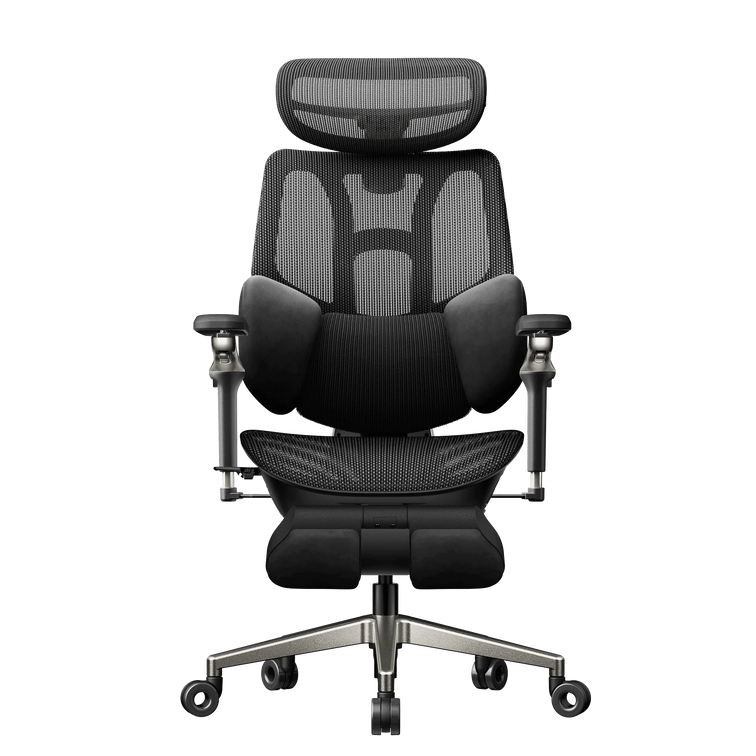
A $1,000 chair often has multi-dimensional ergonomic adjustments. This includes 4D or 5D armrests, which means the armrests can be adjusted in four or five directions: height (up and down), width (side to side), depth (forward and backward), and pivot (angle adjustment). Premium chairs also offer seat depth (how far the seat extends) and recline controls that work together. When you lean back in a high-end Hbada chair, the seat and backrest move at different angles. This weight-sensitive tilt helps keep your feet flat on the floor and your eyes level with your monitor, even as you recline.
The Limits of Mid-Range Adjustability
An ergonomic chair under $500 is great for general home-office tasks, but it often lacks seat depth adjustment. If the seat is not the right length for your legs, it can cause poor circulation or not support your lower back. These chairs usually have basic height and tilt features but may not offer the detailed adjustments needed to address issues like tech neck or anterior pelvic tilt.

Health and Productivity in Return on Investment
Many people wonder if an expensive ergonomic chair is worth it. The answer depends on how you feel each day. If you still feel energized at the end of your workday, the chair has done its job.
· Does an Expensive Office Chair Improve Posture?
Yes, but not automatically. A premium chair gently guides you into healthy alignment. High-end models feature adaptive lumbar tracking that moves with your spine. They reduce the load on your core and neck, allowing muscles to relax and supporting better productivity.
· Why Cheap Office Chairs Cause Back Pain
If you’ve used a $100 big box chair, you know why cheap options can cause back pain. They lack the S-curve support your lower back needs. Over time, foam flattens and hardens, putting pressure on your tailbone and lower back. At a minimum, invest in a mid-range ergonomic chair with lumbar support to prevent future issues.
Performance Comparison Guide: Choosing Your Tier
To help you choose, we have organized our Hbada chairs by value and performance.
The $500 Tier: The Reliable Professional
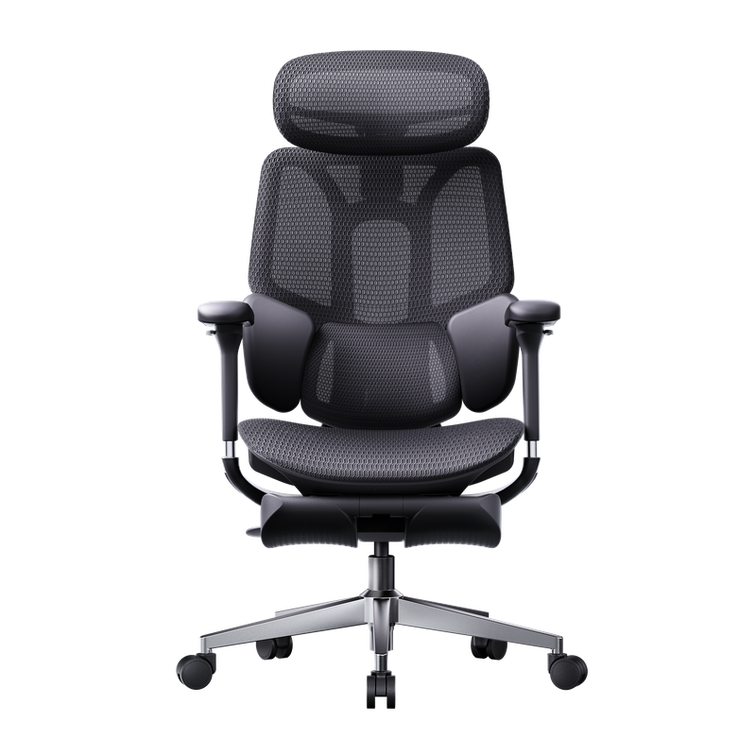
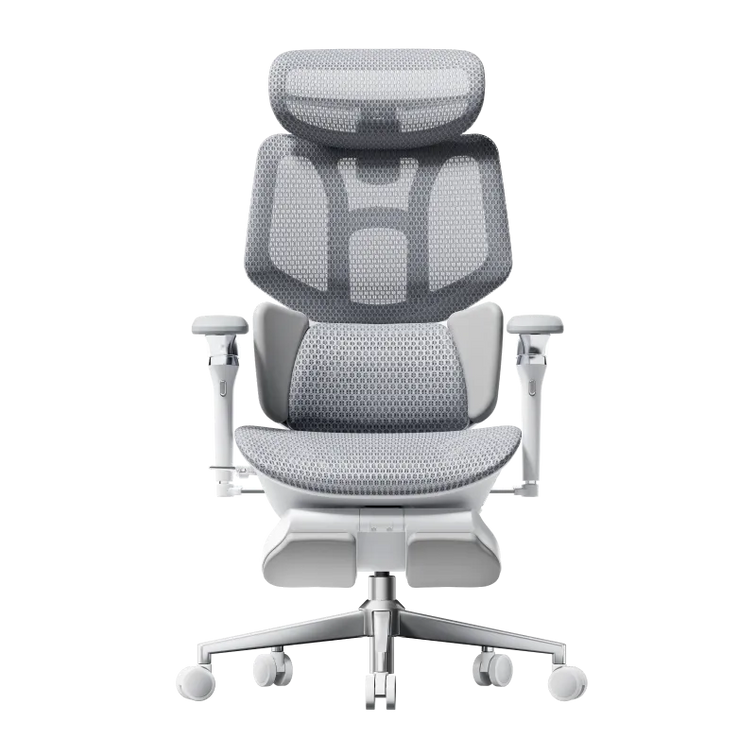
This is the best ergonomic chair under $500 for home office users who work regular hours. Our models in this range offer:
· High-elasticity breathable mesh.
· Integrated dynamic lumbar support.
· 3D adjustable armrests.
· Reliable Class-4 gas lifts for height adjustment.
The $1000 Tier: The High-Performance Athlete
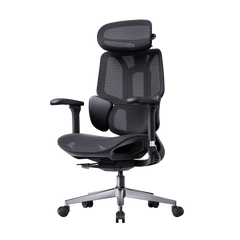
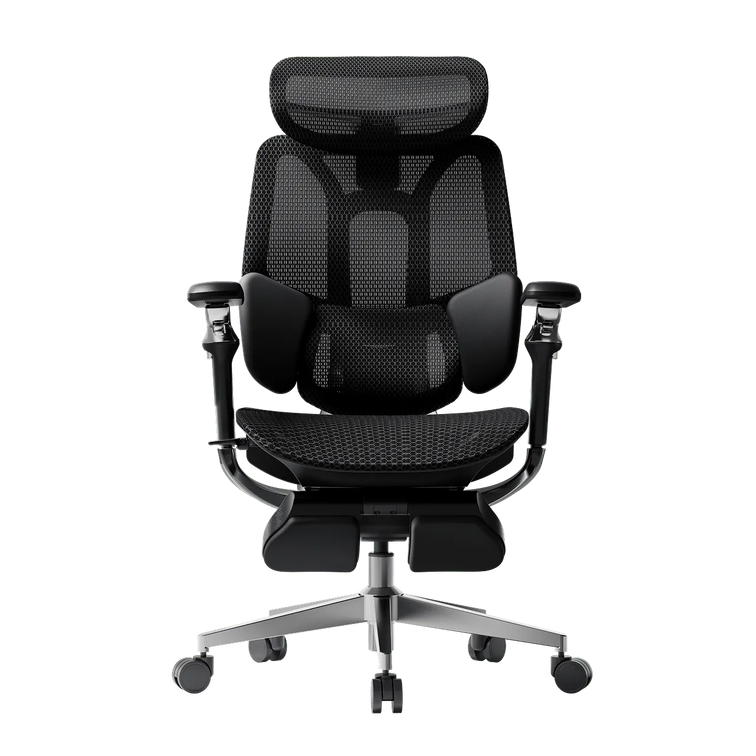
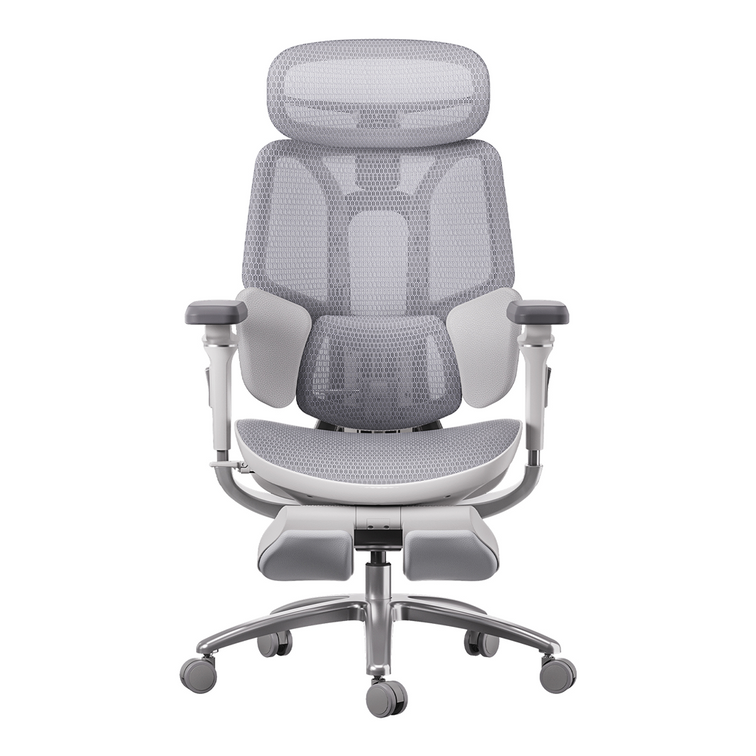
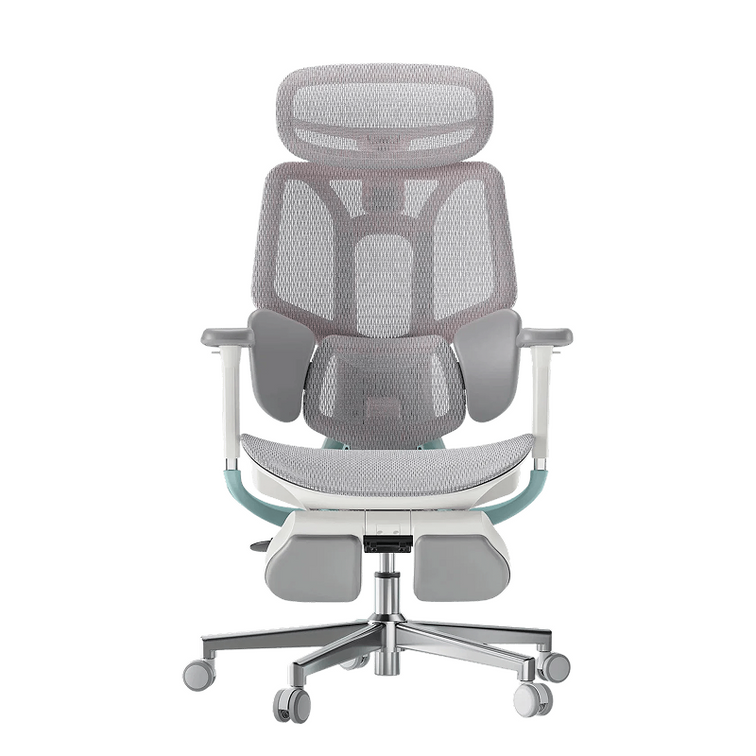
This is the best chair for long work hours compared to budget options. Our premium series, including the E3 Pro and AI-powered models, offers:
· Multi-dimensional ergonomic chair adjustments (720° armrests).
· 3-Zone lumbar tracking that stays with you during a recline.
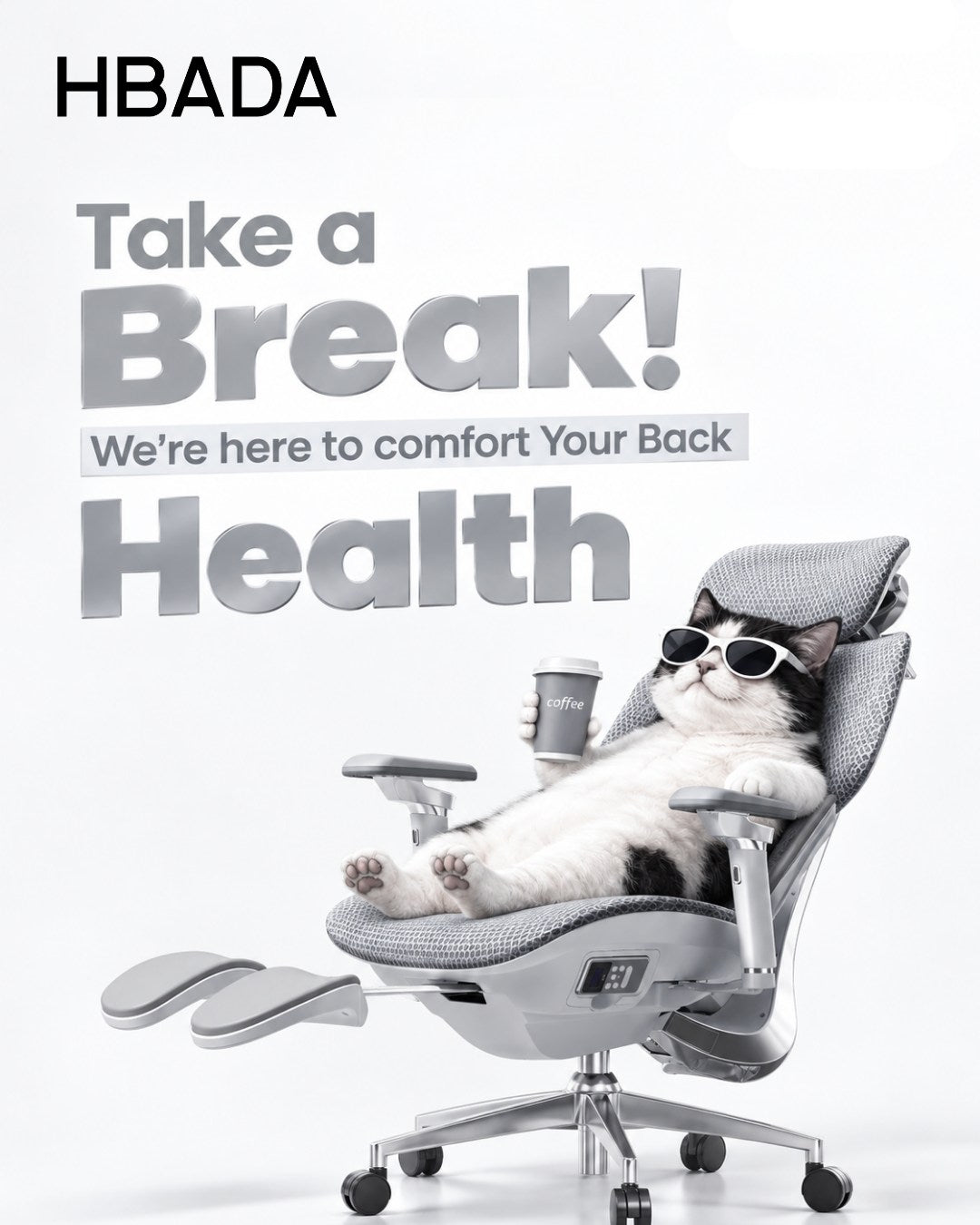
· Ergonomic chair with seat depth and recline controls for complete leg comfort.
· Bio-synchronized movement that mimics the natural pivot of the human hip.
|
Feature |
Sihoo Doro S300 |
Libernovo Omni |
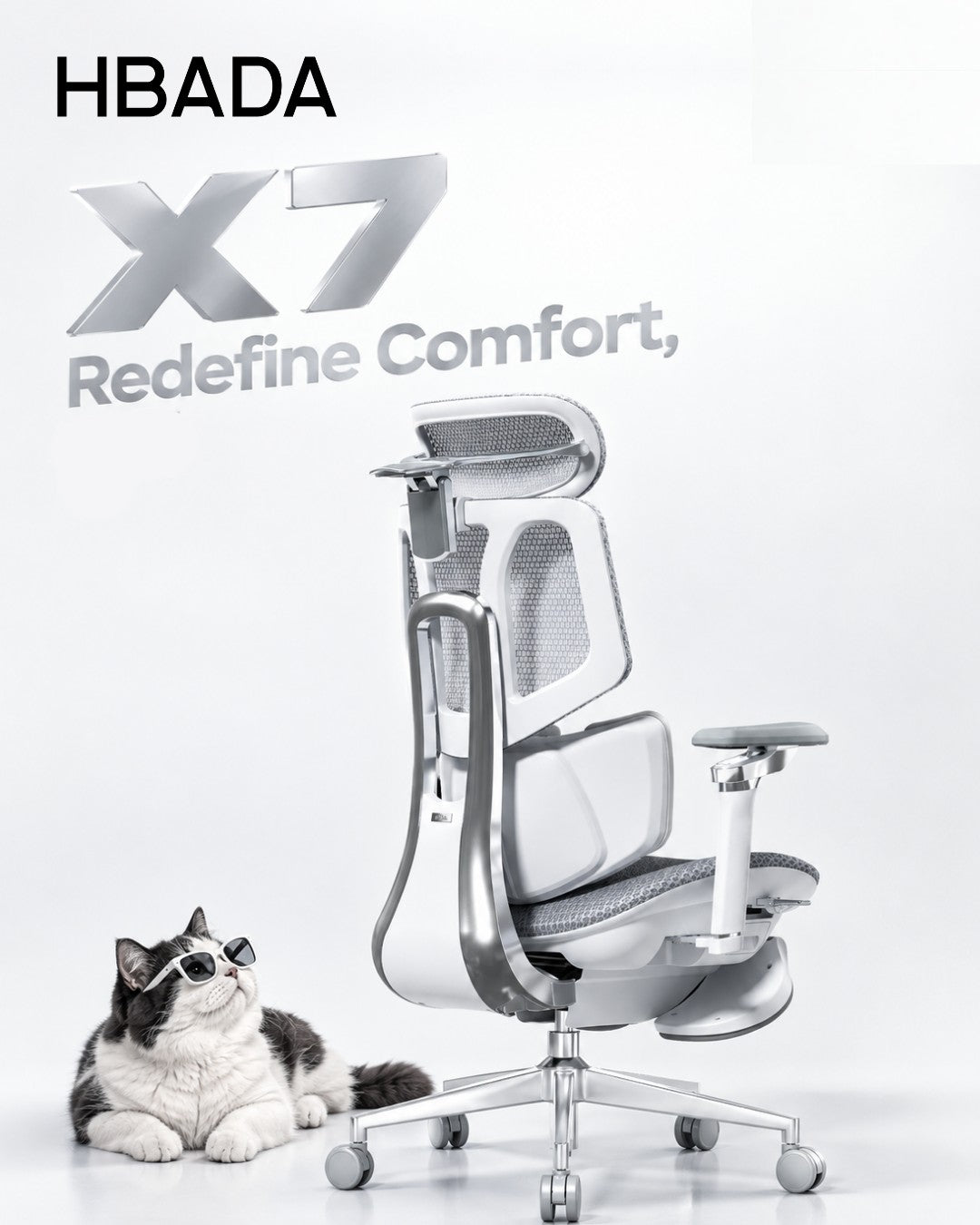
HBADA AI-Powered x7 |
HBADA E3 Pro |
|
Lumbar Tech |
Dual Dynamic |
Smart Dynamic |
Active AI Tracking |
3-Zone Tracking |
|
Adjustability |
6D Armrests |
4D Armrests |
720° Omni-Arms |
720° Omni-Arms |
|
Battery Life |
N/A |
2,200 mAh |
5,200 mAh |
N/A |
|
2026 Price |
~$799.00 |
~$1,699.00 |
~$1,299.00 |
~$429.00 |
Frequently Asked Questions (FAQ)
Q: Can a $500 chair be as comfortable as a $1,000 chair?
A: In the short term, yes. For the first hour or two, a budget ergonomic office chair with lumbar support can feel comfortable. However, after about six hours, the difference becomes clear. Premium chairs have features that reduce fatigue, so they stay comfortable for long work sessions, while budget foam often feels flat by midday.
Q: How long should I expect a $1,000 chair to last?
A: A premium chair is made to last for 10 years in a commercial setting. This includes the mesh, hydraulic cylinder, and wheels. If you compare prices over a decade, a $1,000 chair costs about $0.27 per day, making it a smart investment for your health.
Q: What is the single most important feature to look for in a home office chair?
A: Lumbar adjustability. Whether you choose a lightweight, ergonomic chair for your home office or a heavy executive model, the chair should support your lower back. If the lumbar support cannot be adjusted, it may not fit your spine properly.
Q: Does a more expensive chair actually make me work better?
A: Indirectly, yes. It is hard to focus on complex tasks if you are always moving to avoid back pain. Features that reduce fatigue help you stay focused for longer. Comfort is the key to doing your best work.
Conclusion
When deciding between a $500 and a $1,000 chair, keep in mind that you are investing in your spinal health, not just buying furniture. A $500 Hbada chair gives you a professional experience that is much better than standard office seating. But if you spend many hours at your desk, the difference between a $500 and a $1,000 chair comes down to long-term wellness. The premium tier gives you the precision, durability, and support you need to stay pain-free for years. Pick the chair that fits your work style, and your back will thank you. For more pages you want to look at: