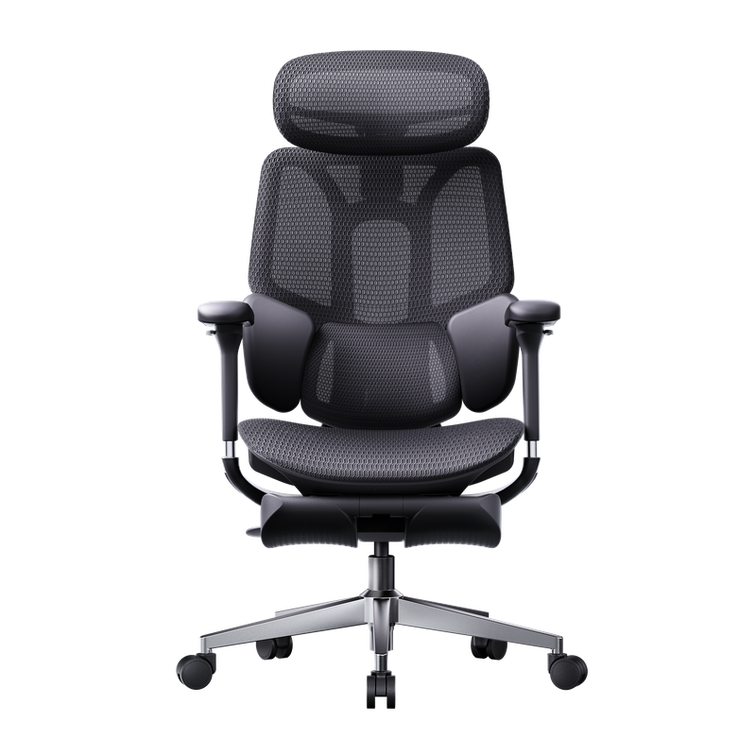
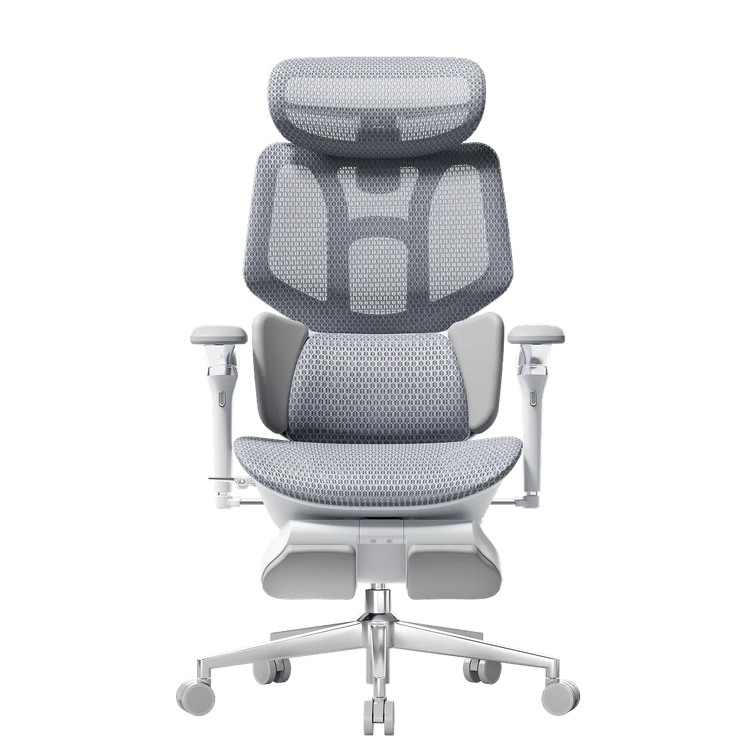
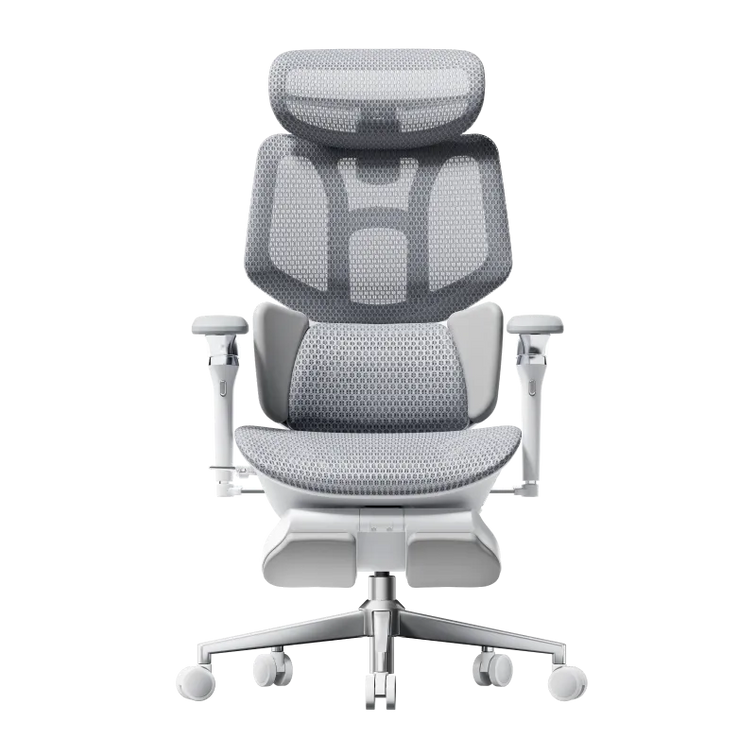
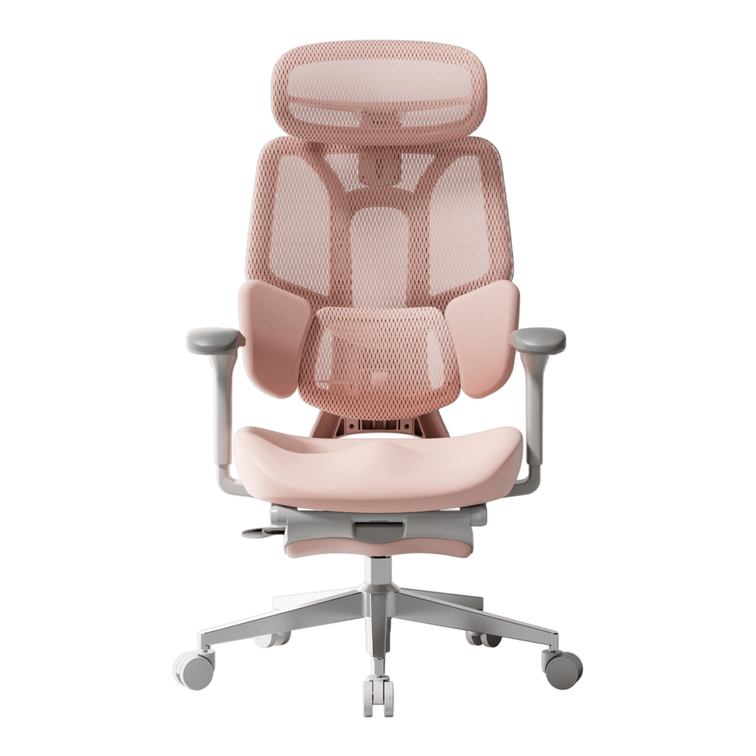
Top Ergonomic Trends 2026: PRNewswire Highlights the US Launch of HBADA’s E3 Series

Top Ergonomic Trends 2026: PRNewswire Highlights the US Launch of HBADA’s E3 Series

As Featured on PRNewswire: HBADA Redefines Affordable Premium Seating with the US Launch of E3 Series 2026 Edition

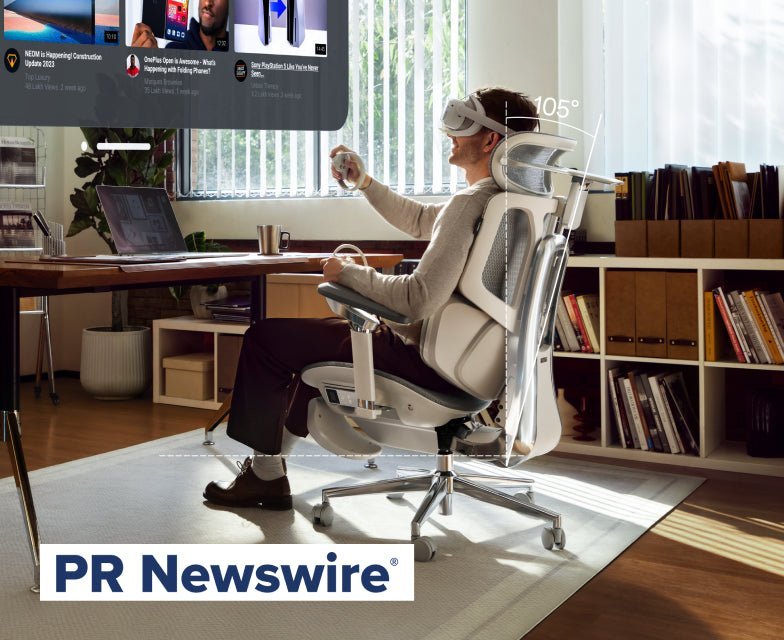
LOS ANGELES, March 25, 2026 — We are proud to share that PRNewswire has officially announced the United States launch of the HBADA E3 Series 2026 Edition.
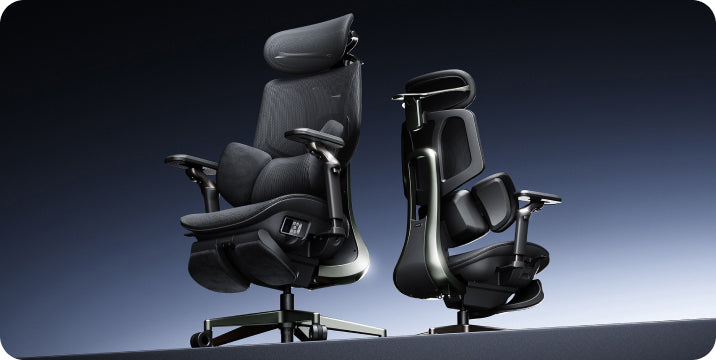
HBADA, with its 16 years experience in ergonomics and trusted by over 10 million users worldwide, is now bringing its German IGR-certified flagship model to American homes. As many major news organizations have gone to report, the E3 Series isn’t simply a chair — it’s the perfect marriage of precision mechanics and bio-synchronized support tailored to today’s modern hybrid worker.

Why the Experts are Talking About HBADA E3 Series

The 2026 Edition has already caught the attention of the most respected critics in the U.S. tech and desk setup space. In the recent feature, leading voices shared their insights:
  • BTOD tv: "In terms of its implementation, in how springy and comfortable it feels, it actually feels pretty darn good."
  • Ahnestly (YouTube Tech Reviewer): "If you really value a footrest, a good headrest, and overall adjustability... this could be a great fit."

Engineered for Excellence: Global Standards & Unmatched Durability

At HBADA, we believe in sincerity over gimmicks. The E3 Series 2026 Edition meets the most rigorous international standards to ensure your safety and long-term health:
  • German IGR Certified: Validated for health and ergonomics.
  • BIFMA Compliant: Tested for over 120,000 fatigue cycles.
  • SGS Class-4 Gas Lift: Ensuring absolute safety for every American user.

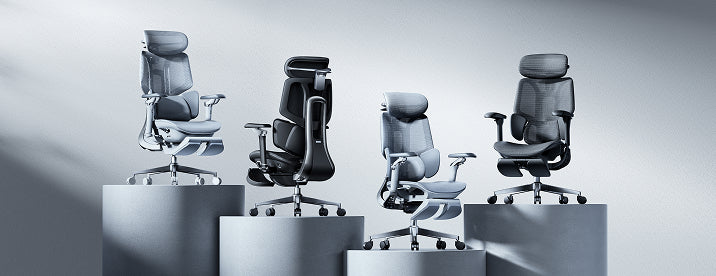
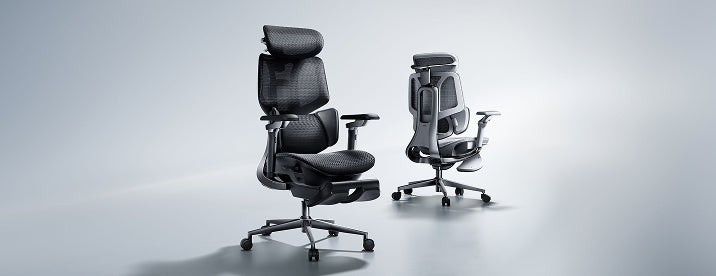
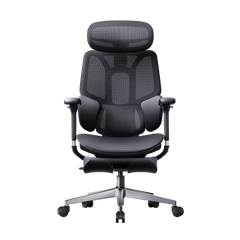
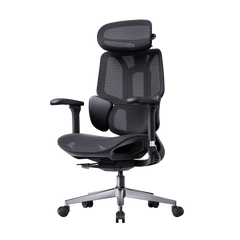
Meet the Lineup: E3 Pro vs. E3 Air

As highlighted in our official PRNewswire release, we have introduced two meticulously crafted models tailored for the U.S. market:
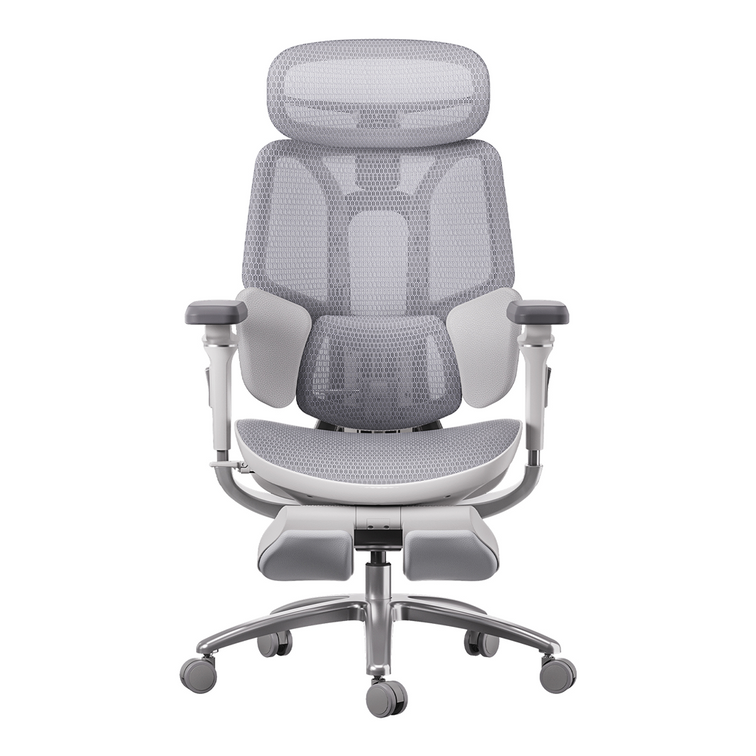
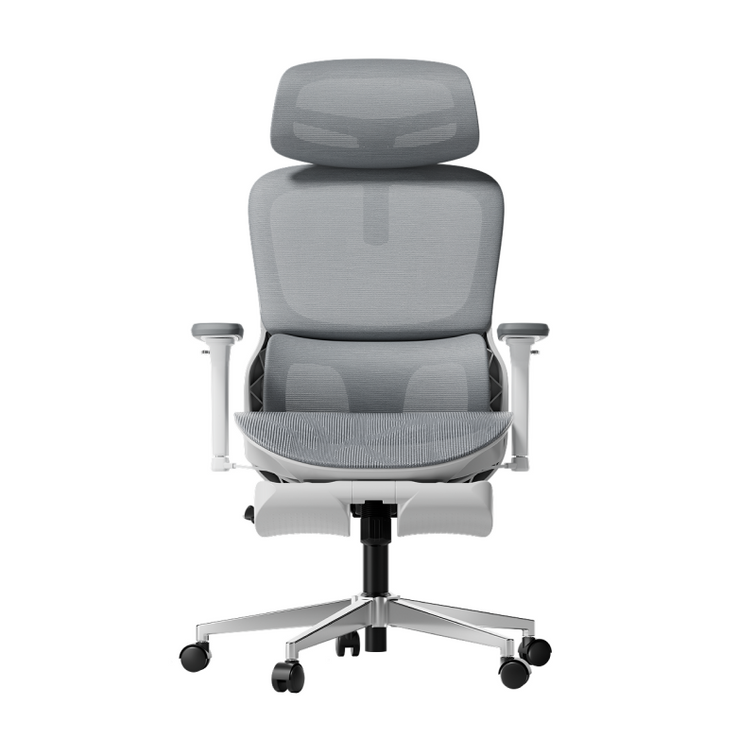
Feature HBADA E3 Pro (The Flagship) HBADA E3 Air (The Performer)
Lumbar Support 3-Zone Elastic System (80° Auto-wrap) Advanced Dynamic Support
Armrests 720° Omni-Mechanical (Dual 360° Rotation) 3D Adjustable Armrests
Recline Professional Tilt with Multi-lock 140° Zero-Gravity Recline
Mesh Premium Breathable Mesh Upgraded CloudMesh™ (83% more airflow)
Target User Pro Gamers & Power Users Hybrid Workers & Students

Sincerity in Every Stitch: A Message from Our Team

"We know what it takes to build an ergonomic office chair that lasts," stated our Head of Overseas Marketing. "We are proud to declare that the HBADA E3 Pro 2026 Edition is the most capable, durable, and comfortable desk chair in the $500 class."

Official Launch Inventory – Available Now

Person using a computer at a desk with multiple monitors in a home office setting~scene

Following the massive pre-order phase mentioned on PRNewswire, our initial U.S. inventory is strictly limited.
  • HBADA E3 Air 2026 Edition: Starting at $399
  • HBADA E3 Pro 2026 Edition: Starting at $549
[Explore the Full E3 Collection – Secure Your 2026 Upgrade Now]

Frequently Asked Questions

Is the HBADA E3 Pro one of the best ergonomic chairs under $500 in 2026? On independently verified criteria — German IGR certification, BIFMA X5.1-2017 tested to 120,000+ cycles, SGS Class-4 gas lift, 720° armrest range, three-zone floating lumbar — it's one of the strongest in the class. Whether it's the best fit for you depends on your height, daily sitting hours, and what features matter most to your body and workspace.
What's the difference between the E3 Pro and E3 Air? The E3 Pro is built for intensive 6–10 hour daily use, with precision lumbar tracking and broad armrest adjustability as the priorities. The E3 Air is built for mixed-use days — shorter focused sessions plus genuine rest breaks — with CloudMesh breathability and 140° zero-gravity recline as the standout features. Both carry the same core certifications.
What does BIFMA X5.1-2017 certification actually mean? BIFMA X5.1 is the US standard for commercial office seating durability. It requires independent third-party testing to verify structural integrity across 100,000+ seat impact cycles, base stability under sustained load, and backrest durability. The E3 Series 2026 was tested to 120,000+ cycles — exceeding the minimum standard, equivalent to roughly 10 years of daily commercial use.
What does German IGR certification verify? IGR (Institut für Gesundheit und Ergonomie) is Germany's independent Institute for Health and Ergonomics. IGR certification verifies that a chair genuinely maintains the spine's natural S-curve and provides effective lumbar support during sustained sitting — based on measurable standards, not design review. It's one of the most rigorous third-party ergonomics certifications available internationally.
Where can I buy the E3 Series in the US? Both models are available directly at hbada.com and through HBADA's official Amazon US storefront. Pricing is consistent across both channels. All US orders ship from domestic warehouses.
What warranty does the E3 Series carry? Five years on core components — base, gas lift, and casters — for the E3 Pro 2026. Three-year standard warranty on other components. Ships from US warehouses, so warranty service and replacement parts don't involve international shipping.
 

Relevant Product

You May Also Like

Why Your Ergonomic Chair Is Hurting Your Back (And How to Fix It) Why Your Ergonomic Chair Is Hurting Your Back (And How to Fix It) Your ergonomic chair causing back pain? Learn 6 common adjustment mistakes, myths vs. facts, and how to configure your chair correctly. HBADA vs. Herman Miller: Is a $500 Premium Chair Worth It Against a $1,800 Legend? HBADA vs. Herman Miller: Is a $500 Premium Chair Worth It Against a $1,800 Legend? If you are setting up a high end home office or looking to improve a workspace, you will likely find yourself choosing between Herman Miller and HBADA. Both brands are well known, but they represent very different approaches to design. Herman Miller is famous for its classic industrial style, while HBADA focuses on modern features intended for people who spend a lot of time working on digital devices. To help you decide which chair fits your daily routine better, this guide compares the design and engineering behind both brands.  1. The Design Philosophy: Structured Posture vs. Dynamic Adaptability The primary difference between these two brands lies in how they interact with your body throughout a long workday.   Herman Miller’s Structured Guidance: Legendary chairs like the Herman Miller Aeron are built around an engineering philosophy of strict postural correction. Developed through decades of medical research, they are designed to keep you held in a precise, ergonomically optimal typing position. It is an exceptional tool for focused, task-oriented environments where sitting posture remains disciplined and static.   HBADA’s Adaptive Freedom: In contrast, HBADA designs for the real, dynamic ways people move today. Recognizing that professionals shift, lean, and change postures over a 10-hour day, HBADA utilizes 4D 3-Zone Adaptive Dynamic Lumbar Tracking. Instead of forcing your body to conform to a rigid frame, the chair's flexible side wings self-adjust to your movements in real-time, providing continuous lumbar support whether you are leaning forward to code or twisting to speak with a colleague.   2. Feature Confrontation: Traditional Mechanics vs. Multi-Scenario Utility When comparing features, it becomes clear that Herman Miller and HBADA are optimized for entirely different workplace scenarios. Premium Experience Comparison Feature HBADA Flagship Series (E3 Ultra / X7) Herman Miller Legacy Series (Aeron / Embody) Lumbar Mechanism 4D Active Tracking (Self-adjusts to movement) PostureFit SL / Backfit™ (Manual customization) Recline Strategy 90°–140° Sleep Mode with Integrated Footrest Specialized Task Tilt (Optimized for upright work) Sizing Flexibility 20+ Micro-adjustments (Highly adjustable for all heights) Rigid Frame Sizing (Must choose fixed Size A/B/C) Wellness Innovation Graphene Heat Therapy & Biomechanical Massage 100% Precision Analog Engineering Value Proposition High-Feature Tech Premium Heritage Luxury Investment The "Work-Rest Balance" Test Herman Miller chairs are precision-engineered production instruments. They excel at keeping you alert and productive during active working hours. However, they do not traditionally include headrests as a standard feature, nor do they support deep reclining states, because their core focus is purely on the task at hand. HBADA recognizes that the modern professional's day requires a balance of intense focus and restorative recovery. Models like the HBADA E3 Ultra offer a 140° zero-gravity recline paired with a hidden, retractable footrest. This transitions the chair seamlessly from an active task station into a relaxation sanctuary for lunch breaks or creative brainstorming sessions. 3. The Generational Leap: Analog Craftsmanship vs. Smart Health Tech Herman Miller has spent decades perfecting the art of pure mechanical tension and high-end materials. Their mastery of analog ergonomics is legendary. HBADA, however, has looked toward the future by integrating active digital wellness features directly into the seating chassis. For instance, the HBADA X7 introduces smart technologies that go beyond passive physical support:   Intelligent Graphene Heat Therapy: Built-in red-light heating modules (30–58°C) designed to actively soothe lower back muscles and improve circulation during long, cold winter sessions. 8D Biomimetic Massage: Targeted physical relaxation nodes integrated into the lower backrest to actively relieve muscle fatigue before it turns into chronic pain. While Herman Miller offers world-class passive ergonomics, HBADA provides an active wellness hub that actively assists in physical recovery while you sit. 4. Longevity vs. Technological Agility A major pillar of Herman Miller's value is their famous 12-year corporate warranty, a testament to their incredible industrial durability. They are built like tanks, meant to stay in corporate offices for over a decade. HBADA approaches durability with premium reinforced polymers, heavy-duty gravity-sensing chassis, and certified Class-4 gas lifts, easily matching the rigorous daily demands of modern creators. However, HBADA also offers a different type of long-term value: technological agility. Ergonomic science and smart features change rapidly. By opting for HBADA’s accessible premium pricing, users retain the flexibility to upgrade to the latest health technologies and pristine, next-generation mesh every few years, rather than being locked into a single piece of analog furniture for fifteen years. Final Verdict: Which Philosophy Fits Your Lifestyle? Choose Herman Miller if: You have an open budget ($1,800+), prefer traditional, highly disciplined task chairs, want a classic piece of mid-century design history, and value a long-term, set-it-and-forget-it asset. Choose HBADA if: You are a modern professional who demands high-performance ergonomic features (dynamic lumbar, headrests, footrests) along with cutting-edge health technology (heat/massage) and flexible adaptivity—all packed into a smart, value-driven investment designed for how we actually live and work today. For more information, click to check:  https://hbada.com/pages/faq    FAQ: Choosing Between HBADA and Herman Miller Q1: What is the main difference in design philosophy between HBADA and Herman Miller? A: The primary difference lies in task execution versus lifestyle adaptability. Herman Miller focuses on structured guidance, utilizing static, meticulously researched frames to keep you in a disciplined typing posture. HBADA focuses on dynamic adaptability, offering features like 4D 3-Zone Dynamic Lumbar Tracking, built-in footrests, and micro-adjustments that mold the chair around your natural movements and support both active work and deep relaxation. Q2: Do HBADA chairs offer the same adjustments as Herman Miller models? A: While Herman Miller chairs like the Aeron require you to choose a fixed size (Size A, B, or C) at the time of purchase, HBADA chairs are engineered with universal versatility. HBADA flagships feature over 20 points of micro-adjustments—including adjustable backrest height, seat depth translation, and 6D armrests—allowing one single chair to comfortably accommodate a wide range of body types from 155cm to 195cm. Q3: Why does HBADA incorporate tech features like heat and massage, while Herman Miller remains analog? A: Herman Miller honors traditional mid-century industrial design, focusing entirely on passive physical support through tension and materials. HBADA believes ergonomics should evolve with modern tech. By integrating intelligent graphene heat therapy and biomechanical massage nodes, HBADA actively works to relieve muscle fatigue and improve circulation during long sitting sessions, transforming the chair into an active wellness station. Q4: How do the recline mechanisms compare for lunch breaks and relaxation? A: Herman Miller chairs are specialized task instruments optimized for upright productivity; they generally do not feature built-in headrests or deep recline modes. HBADA is designed for the modern work-rest balance. Models like the E3 Ultra offer a 90° to 140° zero-gravity sleep mode paired with a hidden, retractable footrest, making it ideal for midday naps or creative breaks. Q5: Is Herman Miller’s 12-year warranty worth the higher initial investment compared to HBADA? A: Herman Miller’s warranty is a reflection of their traditional corporate hardware longevity. However, HBADA provides a different kind of long-term value: technological agility. Built with heavy-duty reinforced polymers and Class-4 gas lifts, HBADA chairs offer elite-tier durability. At HBADA's smart price point, you retain the financial flexibility to upgrade to the latest mesh innovations and smart health technologies every few years, rather than being locked into a single analog chair for over a decade. Written by:  Sarah Jenkins Senior Furniture Industry Analyst & Supply Chain Researcher.  Published by: The HBADA Editorial Team The Future of Seating: How HBADA is Engineering Sustainable Comfort Without the Premium Price Tag The Future of Seating: How HBADA is Engineering Sustainable Comfort Without the Premium Price Tag When you think of a high-performance ergonomic chair, you likely focus on how it cradles your spine, relieves your lower back strain, or keeps you cool during a grueling 8-hour workday. But at HBADA, we believe that an office chair shouldn't just look after your health—it should look after the planet’s health, too. For decades, the luxury office furniture market led consumers to believe that sustainable design and premium carbon-conscious engineering were privileges reserved only for million-dollar corporate headquarters and $1,200 designer chairs. We are here to challenge that status quo. Inspired by global movements toward global net-zero emissions, HBADA is actively redefining what it means to build the best eco-conscious ergonomic chair under $500. Redesigning the Footprint: Why Sustainability Starts at the Spine Did you know that in the commercial furniture industry, up to 80% of a product's carbon footprint is determined right at the drawing board? It comes down to the raw materials chosen, the weight of the components, and the manufacturing processes involved. At HBADA, our engineering team operates under a strict Sustainable Product Design Framework. We don't view eco-consciousness as a marketing afterthought; we view it as a precision-engineering challenge. High-Polymer Breathable Mesh vs. Traditional Foam: Traditional executive chairs rely heavily on thick, petroleum-based polyurethane foam cushions. These materials are not only difficult to recycle, but they also trap body heat, leading to a shorter product lifespan as the foam degrades over time. HBADA heavily utilizes proprietary high-polymer mesh woven with patented tension technology to drastically reduce material mass and embodied carbon while delivering vastly superior structural support and airflow. Modular Components Built to Last: The most sustainable chair is the one you don't have to throw away. Cheap entry-level office chairs are notorious for failing within a year, heading straight to a landfill. By engineering the E3 and X7 series with highly modular, precision-tested components—from the 4D independent lumbar modules to the gravity-sensing chassis—we ensure ease of maintenance, allowing you to repair components rather than discarding the chair. Real-World Case Studies: One Sustainable Setup for All Lifestyles To understand how HBADA translates sustainable engineering into personalized physical relief, let’s look at how four distinct professionals optimize their daily flow with the HBADA E3 Series. Case Study 1: The Creative Marathoner (Kevin, Designer) Profile: 6'1" (185 cm), 190 lbs (86 kg), sits 8+ hours/day. The Challenge: As a designer who spends long hours sketching, rendering, and doing client revisions, Kevin needs a heavy-duty, highly customizable setup that keeps his spine aligned during intensive creative sessions. The HBADA Impact: Kevin utilizes the E3's extended seat depth and backrest designed specifically for taller users to eliminate lower back fatigue. The patented 4D 3-Zone Lumbar Support auto-pivots to follow his posture dynamically when he leans forward to sketch, reducing daily spinal strain without compromising structural integrity. Case Study 2: The Deep-Focus Developer (Janice, Programmer) Profile: 5'6" (167 cm), 115 lbs (52 kg), sits 8+ hours/day. The Challenge: Writing and debugging thousands of lines of code requires ultimate focus. Janice frequently suffered from upper-body heat trap and neck stiffness from standard plush foam seating. The HBADA Impact: Relies on the highly breathable high-polymer mesh office chair for maximum airflow, keeping her cool through intensive coding sessions. The wide-curve 4D headrest aligns flawlessly with her neck, distributing upper body pressure evenly and eliminating shoulder tension. Case Study 3: The Hybrid Coordinator (Lucas, WFH Project Manager) Profile: 6'2" (187 cm), 185 lbs (84 kg), sits 6+ hours/day. The Challenge: Managing global remote teams means endless back-to-back virtual meetings, switching constantly between administrative tracking and collaborative video presentations. The HBADA Impact: Lucas leverages the revolutionary 6D and dual 360° armrest adjustment system. Whether he is typing intently or leaning back during a multi-point briefing, the armrests seamlessly integrate with his standing desk setup, offering customized ergonomic posture tracking at every angle. Case Study 4: The Endurance Broadcaster (Alex, Streamer and Gamer) Profile: 5'10" (177 cm), 270 lbs (122 kg), sits 10+ hours/day. The Challenge: Marathon streaming and competitive gaming sessions demand a heavy-duty ergonomic gaming chair that balances bulletproof chassis stability with soft, adaptive lower back protection. The HBADA Impact: Built on a robust, eco-consciously cast gravity-sensing chassis, the E3 supports Alex's frame flawlessly through 10+ hour sessions. When transitioning to a rest state, the effortless 90°-140° recline paired with the built-in retractable footrest provides an ultimate zero-gravity relaxation experience between matches. Frequently Asked Questions: Maximizing Ergonomics and Sustainability Q: What makes the HBADA E3 the best ergonomic office chair for back pain under $500? A: The HBADA E3 is engineered with the world's first patented 4D 3-Zone Elastic Lumbar Support System. Unlike static backrests, this structure simultaneously targets the erector spinae, quadratus lumborum, and S1-S2 sacral vertebrae to dynamically track and eliminate back strain, offering premium corporate-tier health benefits at an accessible price point. Q: How does the high-polymer mesh contribute to both comfort and sustainability? A: Our high-polymer mesh is crafted using patented weaving technology that ensures uniform weight distribution and lasting tensile strength. By eliminating bulky polyurethane foam, it maximizes continuous airflow to prevent body heat accumulation, while significantly reducing the raw material mass and carbon footprint of the manufacturing process. Q: Can the HBADA E3 series accommodate wide variations in body height and weight? A: Yes. The HBADA E3 series features 20+ precise micro-adjustment points, including responsive backrest height selection, seat depth translation, and multi-axial headrest tuning. This allows the chair to provide a tailored fit for individuals ranging seamlessly from 155cm up to 195cm in height. Q: Does the chair feature a reclining mechanism suitable for office resting? A: Absolutely. The E3 series integrates a heavy-duty gravity-sensing chassis that supports an effortless recline from 90° for focused workloads up to 140° for deep relaxation. Accompanied by an integrated retractable footrest, it is meticulously crafted to serve seamlessly as both a high-productivity workspace and a rest setup.