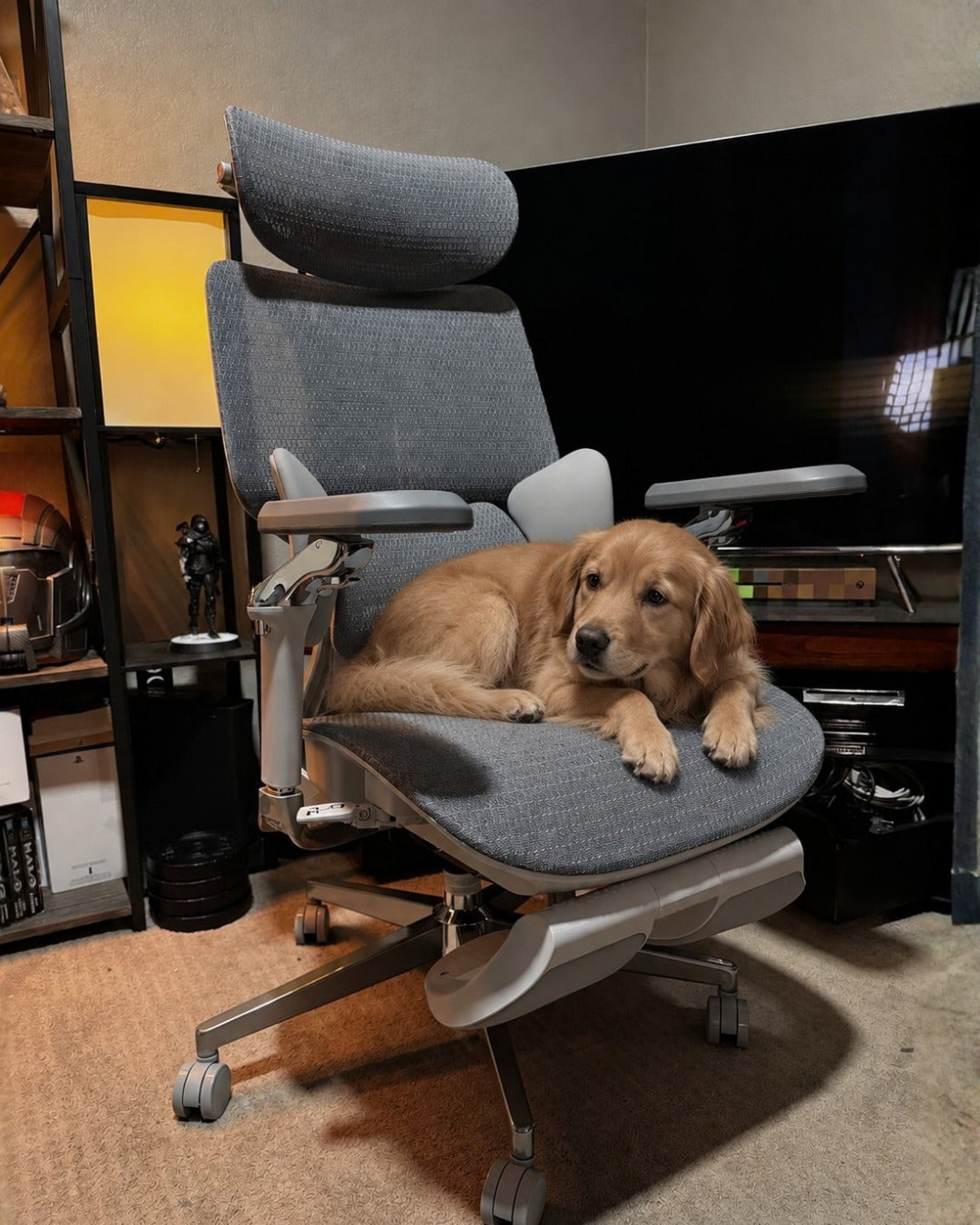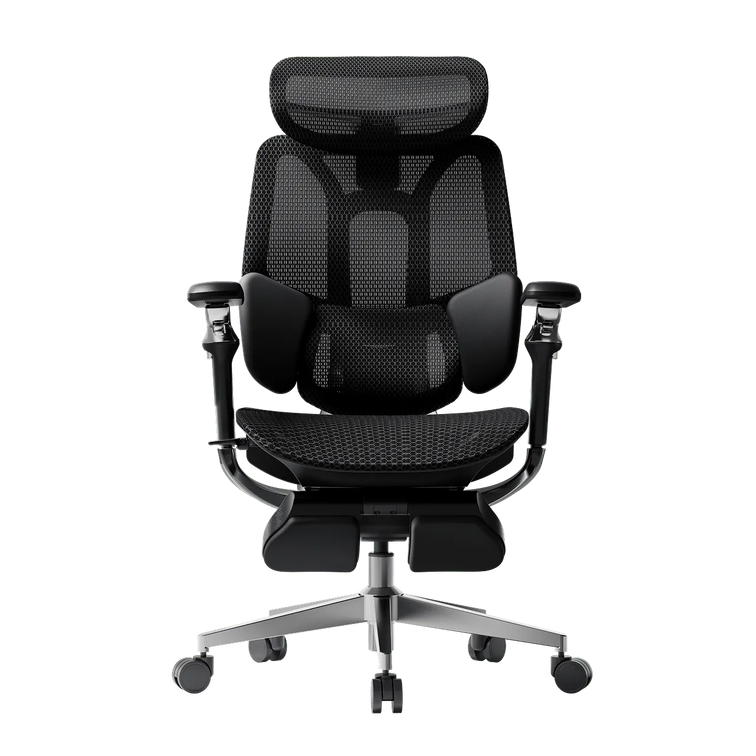
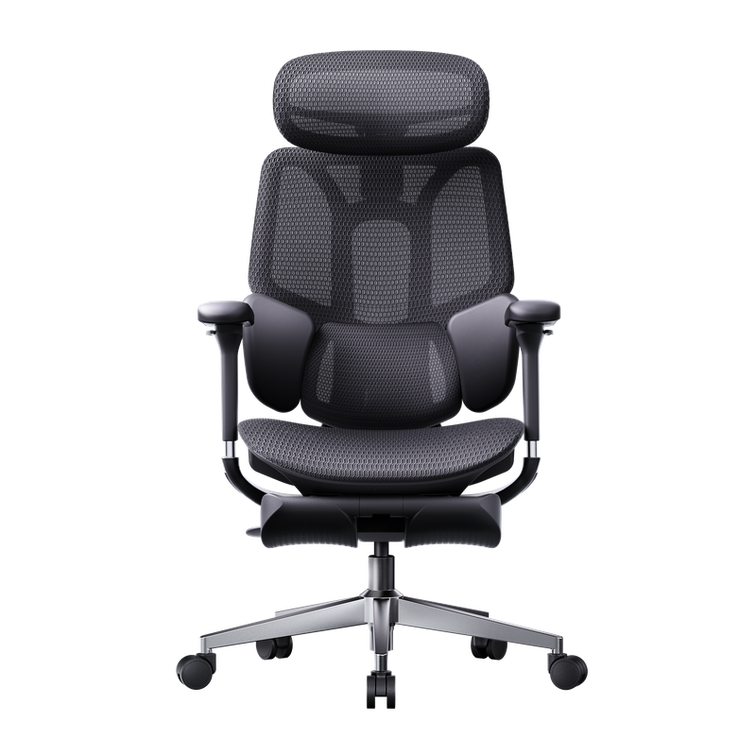
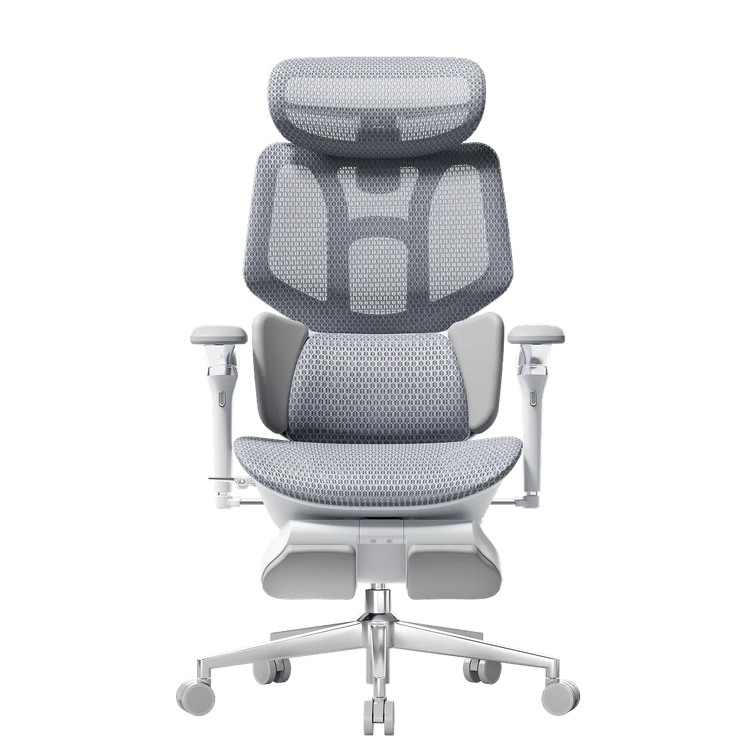


Editor’s Note: Why Technical Rigor Matters
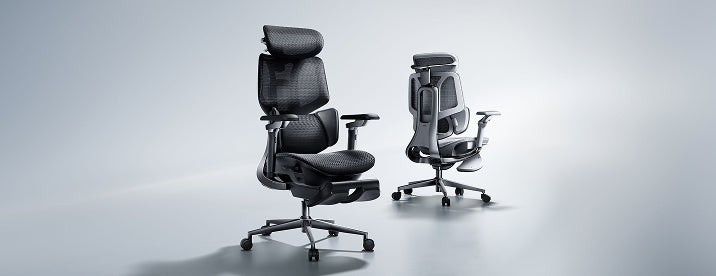
At HBADA, we believe the ergonomics should be backed by engineering, not just marketing. That’s why we sent our latest E3 Series 2026 Edition to the technical
Experts at Notebookcheck for a full teardown.
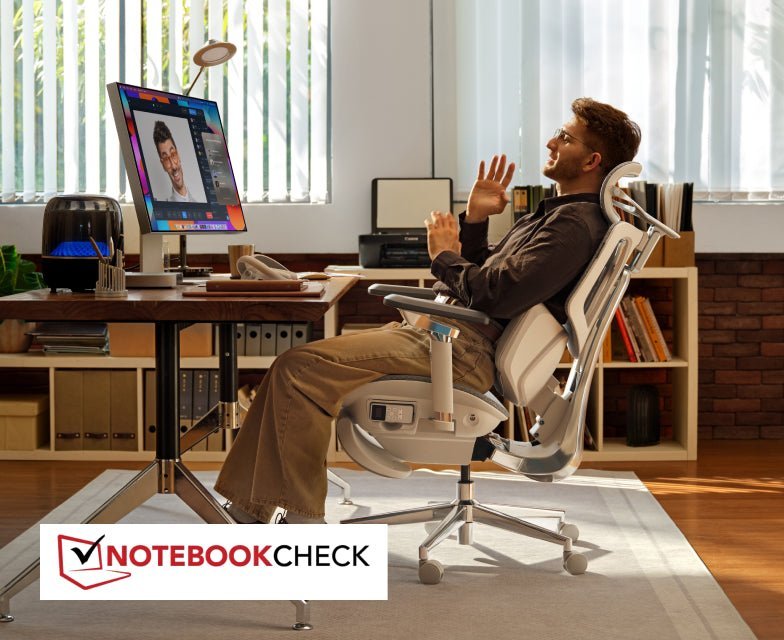
As a leading authority in hardware and mechanical testing, Notebookcheck’s verdict is clear: the E3 series is a "Mechanical Revolution in Ergonomics." Below is the summary of their professional evaluation.
-
The Verdict on "Bio-Synchronized" Mechanics
Notebookcheck’s review highlighted our patented T-Shape Support System as the
defining feature of the 2026 lineup.
-
The Problem: Most chairs offer static support that fails when you move.
-
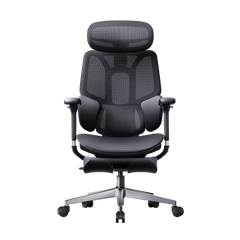
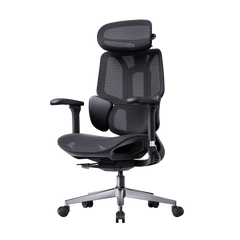
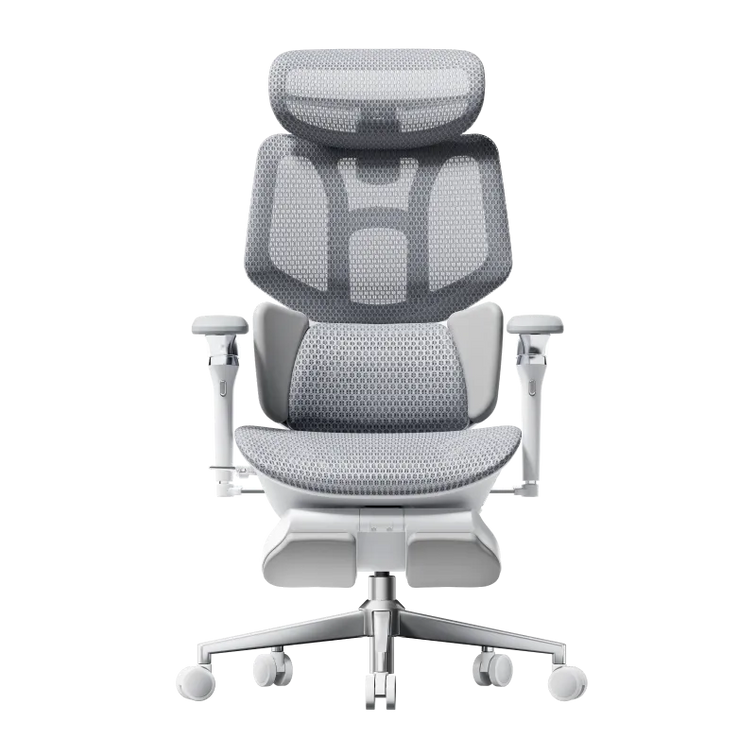
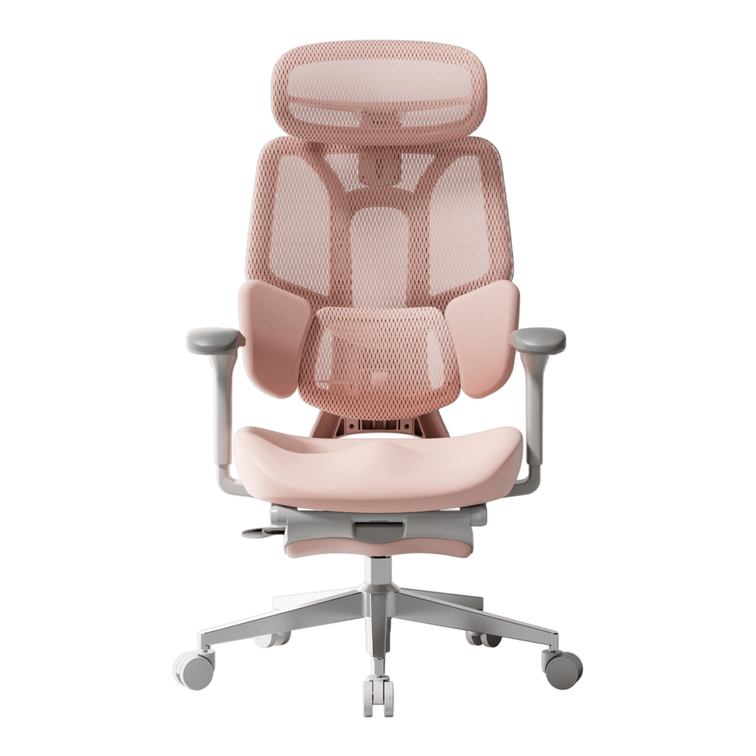
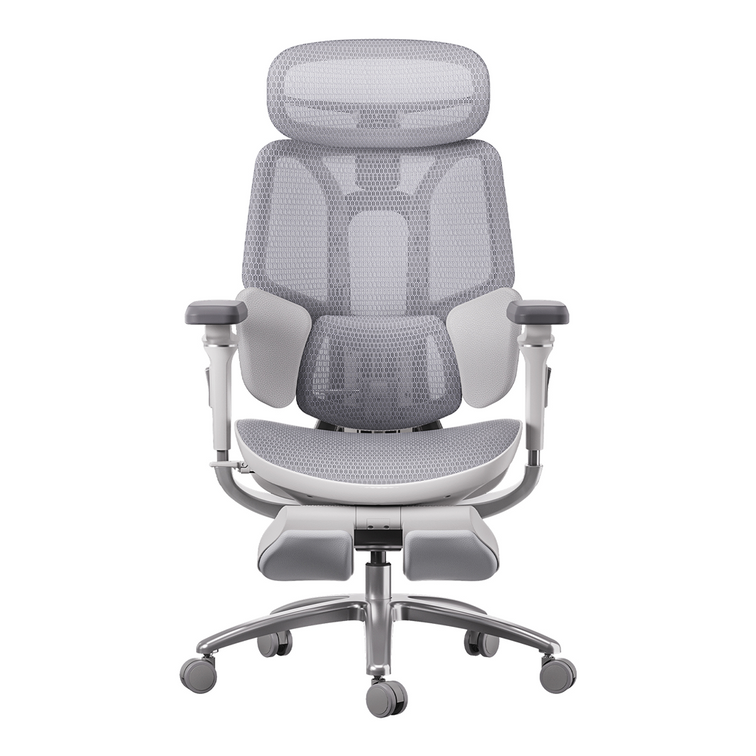
The Engineering Solution: The E3’s 3-Zone Elastic Lumbar wings rotate 40° to
track paraspinal muscles dynamically. Notebookcheck’s measurements confirmed
a 25% reduction in L4-L5 spinal pressure compared to traditional ergonomic
designs.
"The HBADA E3 is not just a chair; it’s a mechanical linkage that solves the
'load problem' of the human spine." — Notebookcheck Evaluation.

-
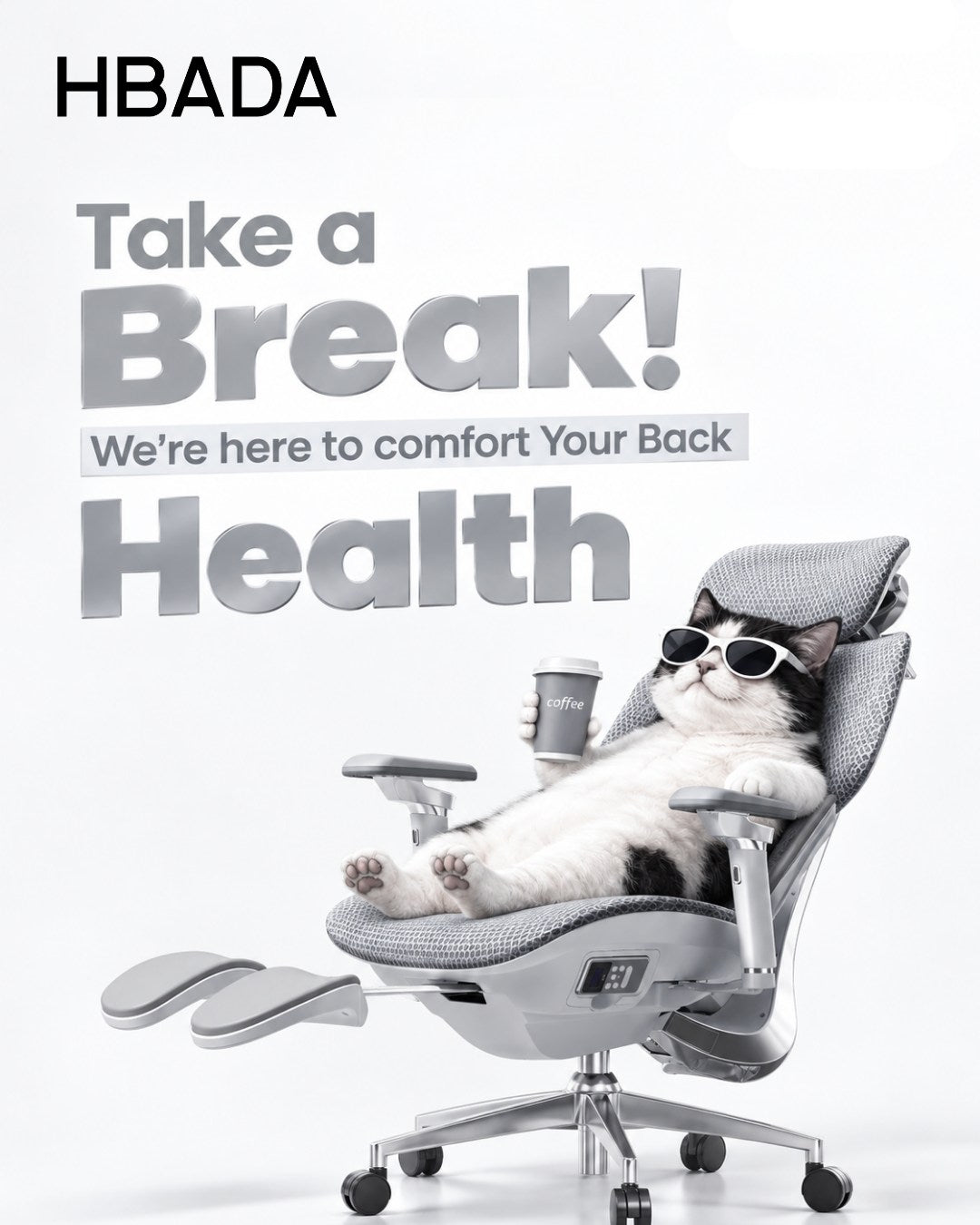
Technical Case Study: "Big and Tall" Performance30-Day Performance Tracking: Solving the "Developer’s Back"To verify the medical-grade claims of the E3 Pro, we followed a 30-day trial conducted by a professional software architect. This case study focuses on long-term spinal health and productivity optimization.Subject Profile:• User: Alex, Senior DevOps Engineer.• Body Type: Big and Tall (1.92m / 6'3", 110kg / 242 lbs).• Daily Usage: 10–12 hours of high-intensity focus work.• Pre-existing Issues: Chronic L4-L5 soreness and "Mouse Shoulder" (trapezius tension).Alex’s Verdict:"The biggest change wasn't just the comfort—it was the focus. In a standard chair, I usually spend the afternoon shifting around to find a pain-free spot. With the HBADA E3's Bio-Synchronized Mechanics, the chair moved with me. The 140° recline with the integrated footrest turned my 15-minute breaks into actual recovery sessions."
To test the "Extreme Durability" and "Universal Fit," the review conducted
a 30-day trial with a professional developer (1.92m / 110kg).
|
Feature Tested
|
Traditional Office Chair
|
HBADA E3 Pro (2026)
|
|
Max Capacity
|
Often sags under 100kg
|
Stable up to 150kg (330 lbs)
|
|
Height Adaptability
|
Limited neck support
|
Precision fit for users up to 1.95m
|
|
Armrest Flexibility
|
Static / 3D
|
6D Omni-Mechanical (Game-ready)
|
|
Thermal Comfort
|
Standard Mesh
|
CloudMesh™ (+16.5% Airflow)
|
The Result: The "Big and Tall" test proved that the E3’s reinforced frame and 4D
headrest provides clinical-grade support for larger frames, preventing the "Mouse
Shoulder" and chronic stiffness are often associated with high-intensity work.
-
Why This Matters for Your Health

A professional ergonomic chair is an investment in your health. The
Notebookcheck review verified that HBADA’s technology is backed by global
medical and safety standards:
-
German IGR Certification: Medically approved for spinal health.
-
SGS Class 4 Gas Lift: Tested for 120,000 cycles for maximum safety.
-
BIFMA Standard: Built for heavy-duty professional office environments.
-
Expert Collaboration: Designed with Dr. Dennis Miller (Member of the
American ICA Chiropractic Association).
-
FAQ: Expert Insights for Your Purchase
Q: Is the HBADA E3 the best "Big and Tall" ergonomic chair on the market?
A: According to the technical specs and the Notebookcheck review, its 150kg
weight capacity and 1.95m height ceiling make it a top-tier choice for larger
users seeking high-durability office seating.
Q: What makes "CloudMesh" different?
A: Our proprietary Air Micro-pore CloudMesh increases elasticity by 83% and
breathability by 16.5%. It prevents the "hot seat" effect and maintains its
tension even after years of 8-12 hour workdays.
Q: Can I apply for financial aid (like MDPH in France) for this chair?
A: While there isn't a direct 1:1 equivalent to France's MDPH (which provides a centralized "disability allowance"), the United States has several fragmented programs that can help you cover the cost of an ergonomic chair like an Hbada, provided you have a medical or vocational need.
Here are the primary ways to secure financial assistance in the US:

1. Medical Savings Accounts (HSA/FSA)
This is the most common way to get "financial aid" in the form of tax-free dollars. Ergonomic items are generally eligible for reimbursement through these accounts.()
-
Requirement: You must obtain a Letter of Medical Necessity (LMN) from a licensed healthcare professional.()
-
The Process: The letter must outline your medical condition and explain how an ergonomic chair will alleviate your symptoms.() Once you have this, you can use your Health Savings Account (HSA) or Flexible Spending Account (FSA) funds to purchase the chair.()
2. State Vocational Rehabilitation (VR) Agencies
If you need an ergonomic chair to maintain employment or return to the workforce, state Vocational Rehabilitation agencies are the closest equivalent to the MDPH's vocational support.
-
Who they help: Individuals with disabilities that interfere with their ability to work.
-
What they provide: They may fund "Assistive Technology" (AT), which specifically includes ergonomic equipment like armrests or specialized seating, if a job-site evaluation determines it is necessary for your productivity.
-
How to find yours: Every state has a VR agency (e.g., Florida’s Division of Vocational Rehabilitation or New York’s ACCES-VR).
3. Workplace Accommodations (ADA)
Under the Americans with Disabilities Act (ADA), if you are employed, your employer is required to provide "reasonable accommodations" for documented medical needs.
-
The "Aid" for Employers: To encourage this, small businesses can claim a Disabled Access Credit (tax credit) of up to $5,000 per year to offset the cost of providing these accommodations.
-
Lifestyle Spending Accounts (LSA): Some modern employers offer LSAs, which are company-funded accounts that employees can use for wellness items, often specifically including ergonomic office chairs for home or office use.
4. Veterans Assistance (HISA Grants)
If you are a Veteran, the HISA (Home Improvement and Structural Alterations) grant from the VA can provide up to $6,800 for service-connected conditions (or up to $2,000 for others) to make home modifications or purchase equipment necessary for treatment.
Comparison of US vs. France Aid Systems
| Feature | France (MDPH) | USA (Equivalent) |
| Primary Agency | MDPH (Centralized) | Vocational Rehab (State-level) |
| Funding Source | PCH (Direct Grant) | HSA/FSA (Pre-tax funds) or LSA (Employer-funded) |
| Key Document | Medical Certificate | Letter of Medical Necessity (LMN) |
| Processing Time | 4-6 months | HSA/FSA: Immediate; VR: Varies by state |
Next Step: If you have a primary care doctor, ask them for an LMN citing "chronic back pain" or a similar diagnosis. This is the fastest way to use your own pre-tax dollars (HSA/FSA) to buy the chair.
The HBADA E3 2026 Edition isn’t just about sitting; it’s about performing. As Notebookcheck concluded that the mechanical depth of the 6D armrests and 3-zone lumbar makes it the definitive Chair Ergonomic Office solution for 2026.