
Office chair wheels may look like a minor detail, but they affect how easily your chair moves, how much noise it makes and how well the floor underneath holds up over time. The right caster depends on the flooring, wheel material, wheel diameter and the chair’s total loaded weight.
Choose soft, non-marking polyurethane or rubber-tread casters for hardwood, laminate, vinyl and tile. Harder wheels generally roll more easily on carpet, while larger-diameter wheels are useful on thicker carpet and floor transitions. Always confirm the stem size, total load rating and flooring manufacturer’s care requirements before replacing office chair casters.
Why Does the Floor Determine the Right Caster?

The wheel and the floor work as a system.
A caster that rolls easily on carpet may be noisy or leave marks on a hard floor. A soft wheel that protects finished wood may require more effort to move across deep carpet. Wheel diameter, tread material, bearing design and floor condition all affect the result.
Soft-tread casters commonly use polyurethane or rubber-like materials that provide some cushioning and help reduce noise. Hard-tread casters commonly use nylon or another rigid material. In general, soft, non-marking treads are preferred when floor protection matters, while harder wheels usually require less effort to roll over carpet.
Simple rule: softer tread for hard flooring; harder or larger wheels for carpet. For mixed flooring, use a floor-safe caster rated for both surfaces and test it in an inconspicuous area.
Which Office Chair Casters Suit Hardwood and Tile?
Soft PU or rubber-tread casters
A soft, non-marking tread can reduce rolling noise and lower the risk of scuffs on hardwood, laminate, vinyl and tile.
Hard nylon or plastic casters
Hard wheels may be noisier on smooth flooring. Dirt or grit trapped beneath a wheel can also scratch a finished surface.
Keep both the wheels and floor clean. Even a floor-friendly caster can drag sand, grit or other debris across a finish. Inspect wheels periodically for embedded particles, flat spots and damaged tread.
Tile presents a slightly different issue. The wheel may not damage the tile itself, but narrow or hard wheels can create more noise when crossing grout lines. A resilient tread and a suitable wheel diameter generally produce a smoother ride.
Flooring warranties vary. Some flooring manufacturers still require protective mats or caster cups under wheeled furniture. Follow the care and warranty instructions supplied with your floor.
Which Office Chair Casters Suit Carpet?

Carpet changes the question from floor protection to rolling resistance.
Low-pile carpet
Many standard office chair casters can move across low-pile commercial or home-office carpet. A firmer wheel usually rolls with less resistance, although some multi-surface soft-tread wheels are designed to work on both carpet and hard floors.
Thick or plush carpet
Thick carpet allows small wheels to sink into the pile. Larger-diameter casters—often around 3 inches—can make movement easier because they cross the carpet with a shallower rolling angle. A rigid chair mat can also provide a firmer surface.
Carpet with long fibers
Hair and carpet fibers can wrap around caster axles and increase resistance. Twin-wheel casters with thread guards may help, but every wheel should still be inspected and cleaned regularly.
Soft and Hard Office Chair Casters at a Glance

| Caster type | Usually suited to | Advantages | Points to check |
|---|---|---|---|
| Soft PU or rubber-tread | Hardwood, laminate, vinyl, tile and some low-pile carpets | Quieter movement and better protection for finished floors | May require more effort on thick carpet |
| Hard nylon or plastic | Carpeted work areas | Lower rolling resistance on many carpet surfaces | Can be noisy or leave marks on hard flooring |
| Large-diameter caster | Thick carpet, thresholds and floor transitions | Rolls over uneven surfaces and deeper pile more easily | Raises the chair and may change its fit under the desk |
| Braked or locking caster | Smooth or slightly sloped hard floors | Helps keep the chair from moving when stationary | The brake must remain accessible and suitable for the chair |
| Twin-wheel caster | General office use | Distributes the load across two smaller wheels | Hair and fibers can collect around the axle |
Do You Still Need a Chair Mat?
Floor-friendly casters can reduce the risk of marks, but they do not guarantee that every floor can be used without a mat. Whether you need one depends on the flooring material, finish, carpet depth, chair use and the flooring manufacturer’s warranty terms.
A chair mat remains useful when:
- The floor is antique, delicate, recently refinished or easily marked.
- The flooring manufacturer requires protection under wheeled furniture.
- Thick carpet makes the chair difficult to move.
- The chair is used heavily in the same small area every day.
- Grit or debris is difficult to keep away from the workspace.
Choose a mat made for the specific surface. Carpet mats usually have grippers underneath, while hard-floor mats should have a smooth, non-damaging backing.
How to Replace Office Chair Casters

Many office chairs use push-in grip-ring stems, but stem dimensions and attachment systems are not universal. Check compatibility before ordering replacements.
- Place the chair on its side on a rug, blanket or other protected surface.
- Inspect the existing attachment. Confirm whether it uses a push-in grip-ring stem, threaded stem or another fitting.
- Pull a push-in caster straight out while holding the chair base. Use the chair manufacturer’s instructions if it does not release easily.
- Measure the stem diameter and length. An 11 mm × 22 mm grip-ring stem is common, but it is not universal.
- Check the replacement caster’s per-wheel load rating, stem type and recommended floor surfaces.
- Press the compatible caster firmly into the socket until it is fully seated.
- Return the chair upright and test every wheel at low speed before normal use.
Do not hammer in an incompatible stem or modify the chair base. A loose or partially inserted caster can affect stability and create a tipping risk.
Which HBADA Chairs Include Floor-Conscious Casters?

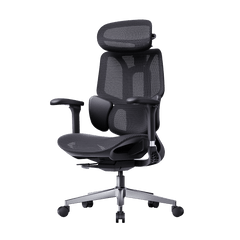
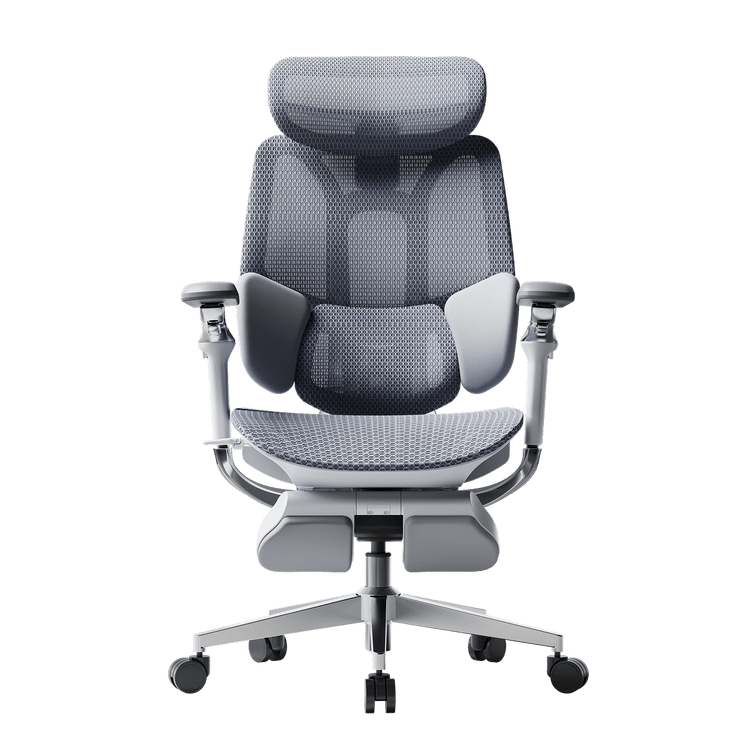
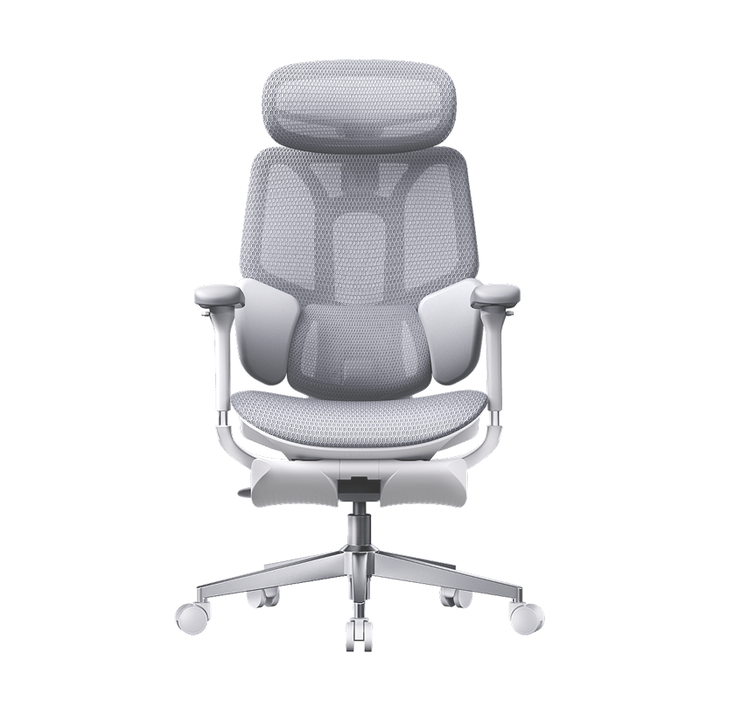
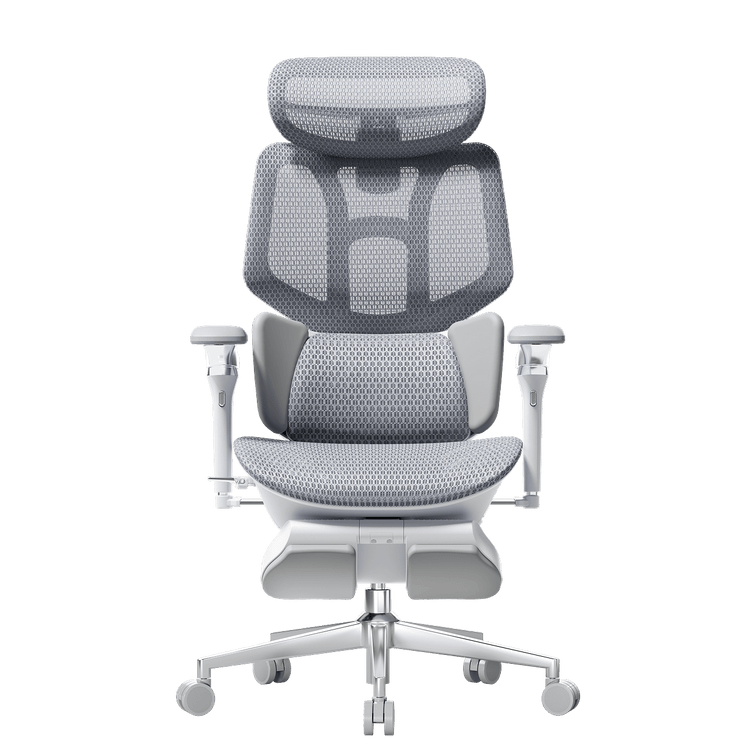
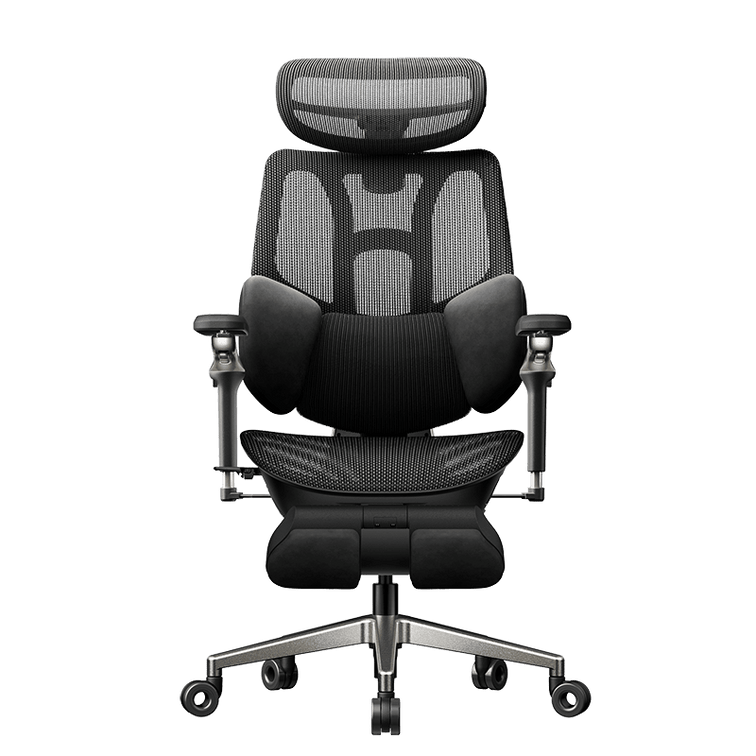
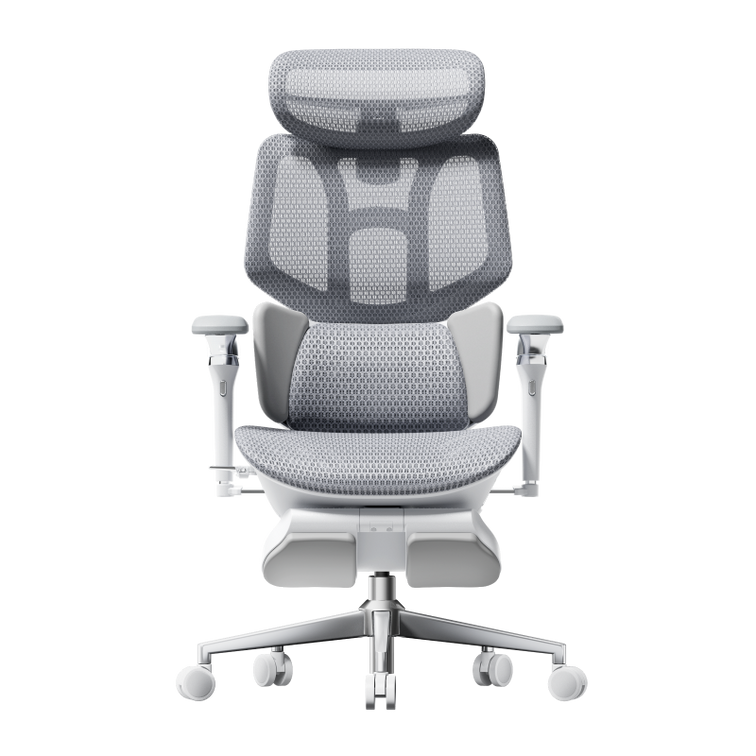
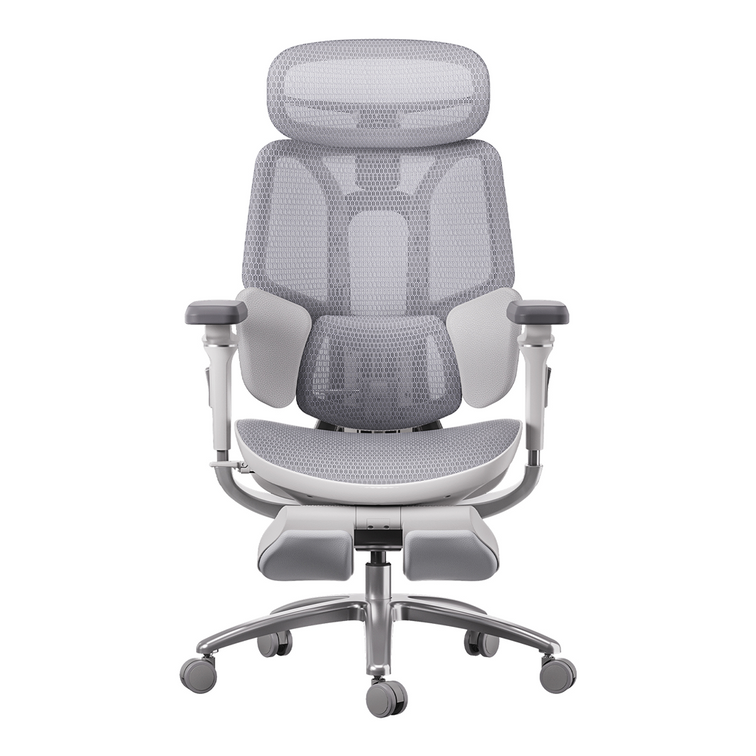
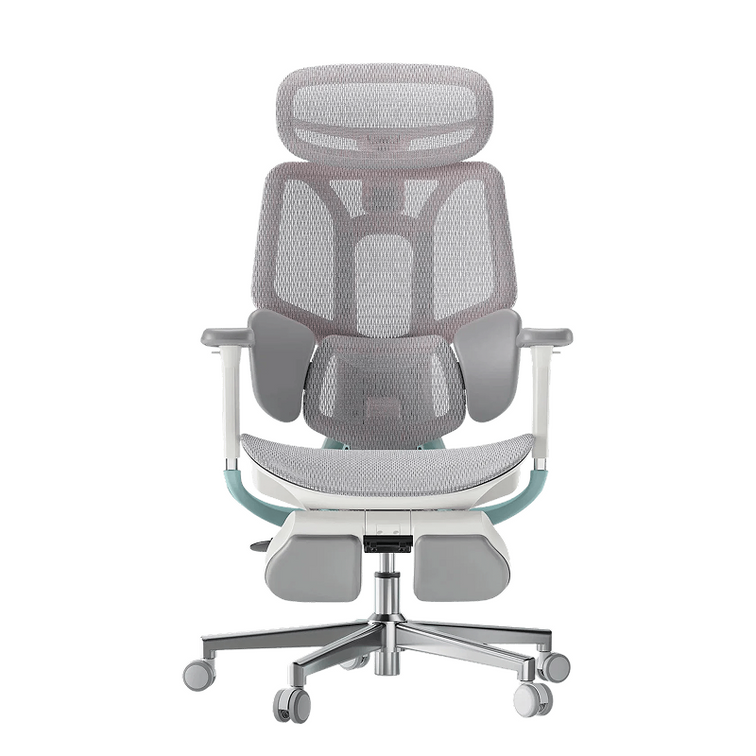
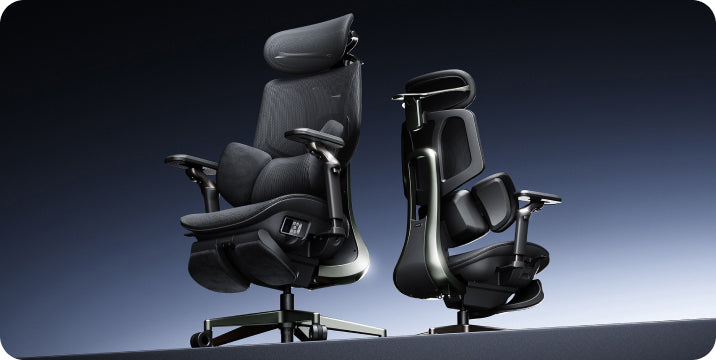
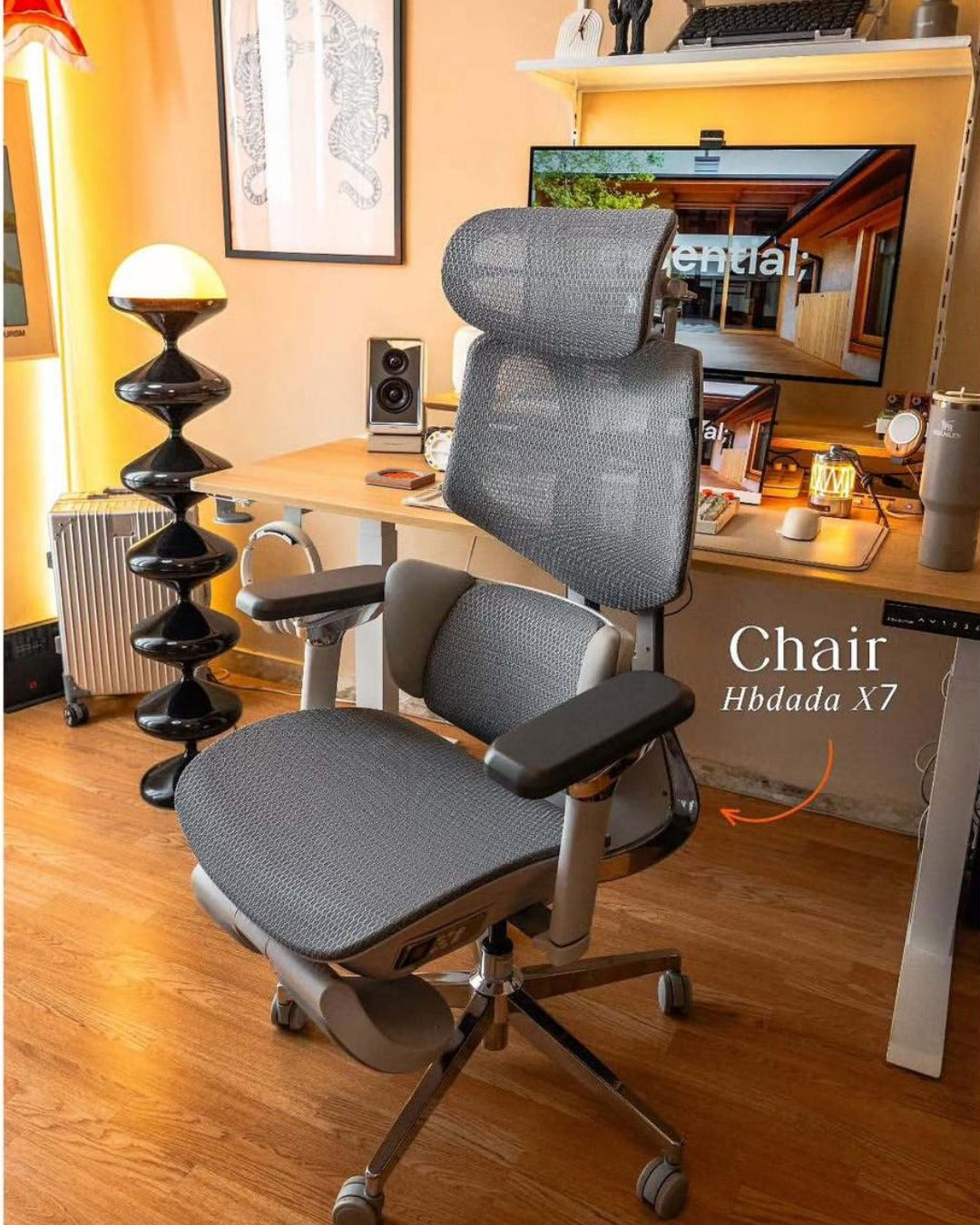
Caster specifications can vary by model and configuration. The current E3 Pro 2026 product information identifies silent PA+PU casters, while the X7 uses a five-caster base designed for smooth movement. Confirm suitability for your flooring on the current product page before purchasing or replacing any wheels.
| Feature | HBADA X7 Smart | HBADA E3 Pro 2026 |
|---|---|---|
| Caster information | Five-caster base; check the current configuration for tread details | Silent PA+PU casters |
| Best practice | Confirm compatibility with the specific floor finish | Keep the PU tread and floor free from grit |
| Seat material | Breathable seat with active cooling | Breathable CloudMesh seat |
| Maximum stated load | 330 lb (150 kg) | 330 lb (150 kg) |
| Current warranty information | Check the product page and warranty policy | Five years on listed core components; three years on other listed components |
HBADA X7 Smart
The HBADA X7 Smart Ergonomic Office Chair combines a five-caster base with AI-powered lumbar tracking, massage, heating and active seat ventilation. Explore the complete HBADA X7 Series for current configurations.
HBADA E3 Pro 2026
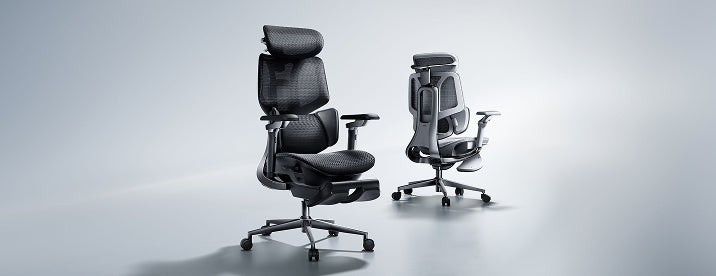
The HBADA E3 Pro Ergonomic Office Chair 2026 Edition uses silent PA+PU casters together with a steel five-star base. You can also compare the HBADA E3 Series 2026 Edition .
For more options, browse HBADA ergonomic office chairs or view all HBADA office chairs .
Limitations and Safety Notes
- Follow the chair and flooring manufacturers’ instructions before changing casters or removing a protective mat.
- Confirm the stem size and attachment type instead of assuming every office chair uses the same fitting.
- Check both the per-caster capacity and the total required capacity, including the chair and its user.
- Larger replacement casters raise the seat and may change desk clearance, foot support and chair stability.
- Remove hair, fibers and debris before a wheel becomes difficult to rotate.
- Stop using the chair if a caster is cracked, loose, bent, seized or cannot be seated fully.
- Replace damaged casters as a complete matched set unless the chair manufacturer states otherwise.
Conclusion
The right office chair caster depends on the surface underneath it. Soft, non-marking PU or rubber-tread wheels are generally the safer choice for hardwood, laminate, vinyl and tile. Harder or larger wheels usually move more easily on carpet, particularly when the pile is thick.
Wheel material is only part of the decision. Check the stem dimensions, load rating, wheel diameter and flooring warranty before making a change. Keep the casters clean, inspect them regularly and use a chair mat when the floor manufacturer or condition of the surface calls for additional protection.
Frequently Asked Questions
What type of office chair casters is best for hardwood floors?
Soft, non-marking polyurethane or rubber-tread casters are generally preferred for hardwood floors. They produce less noise and are less likely to leave marks than hard nylon wheels. Keep the wheels and floor free from grit, and check whether the flooring manufacturer requires a protective mat.
Do you need special office chair casters for carpet?
Not always. Standard casters may work on low-pile carpet. Thick or plush carpet usually benefits from harder or larger-diameter wheels that do not sink as deeply into the pile. A carpet chair mat can provide an even firmer rolling surface.
Will office chair wheels scratch hardwood flooring?
Hard, damaged or dirty wheels can mark a hardwood floor. Soft, non-marking casters reduce the risk, but no wheel can guarantee protection under every condition. Sand and grit should be removed regularly, and delicate or warranty-protected flooring may still require a chair mat.
Are all office chair caster stems the same size?
No. Many office chairs use a push-in grip-ring stem, and 11 mm × 22 mm is a common size, but other dimensions and threaded stems also exist. Remove and measure one existing caster or check the chair manual before buying replacements.
Are larger office chair wheels better for carpet?
Larger wheels generally roll more easily across thick carpet, thresholds and small floor transitions. However, they also raise the chair. Check desk clearance, seat-height range and overall stability before installing a larger caster.
How can you stop an office chair from rolling away?
Compatible braked or locking casters can help keep a chair stationary on a smooth floor. Before fitting them, confirm the stem size, load rating and brake clearance. A chair should remain stable when the brakes are applied and should not rely on a damaged or uneven set of wheels.
Can office chair casters be used without a chair mat?
Sometimes, but it depends on the caster, floor and flooring warranty. Floor-safe casters may work without a mat on many durable surfaces. Delicate wood, recently refinished floors, thick carpet and flooring warranties may still call for a suitable protective mat.
Sources
- HBADA E3 Pro Ergonomic Office Chair 2026 Edition — current product, caster and warranty information.
- HBADA X7 Smart Ergonomic Office Chair — current product and base specifications.
- HBADA User Manual and Assembly Guide — model-specific setup and support resources.
This article provides general caster-selection and floor-care information. Compatibility varies by chair, caster, floor finish and product configuration. Always follow the applicable chair manual, flooring care instructions and warranty terms.