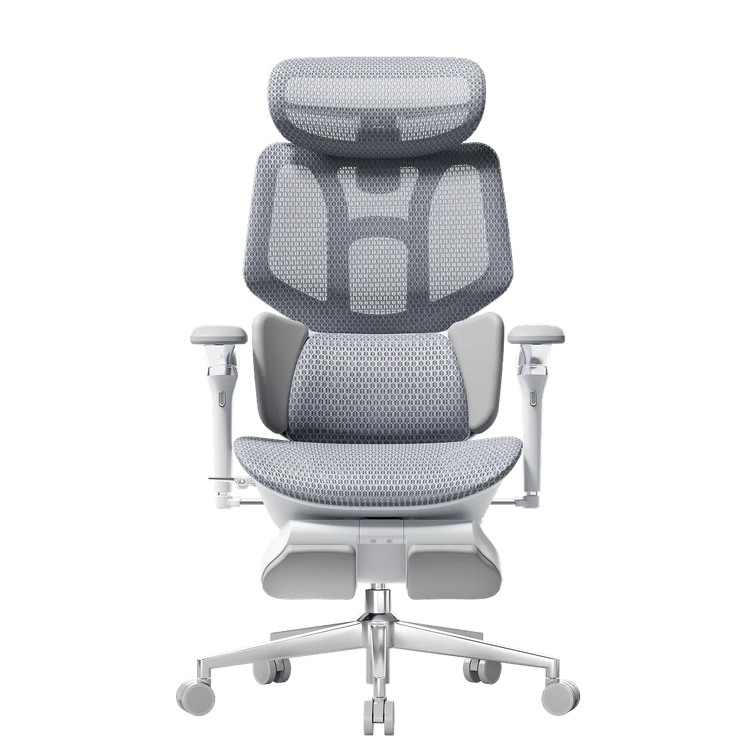

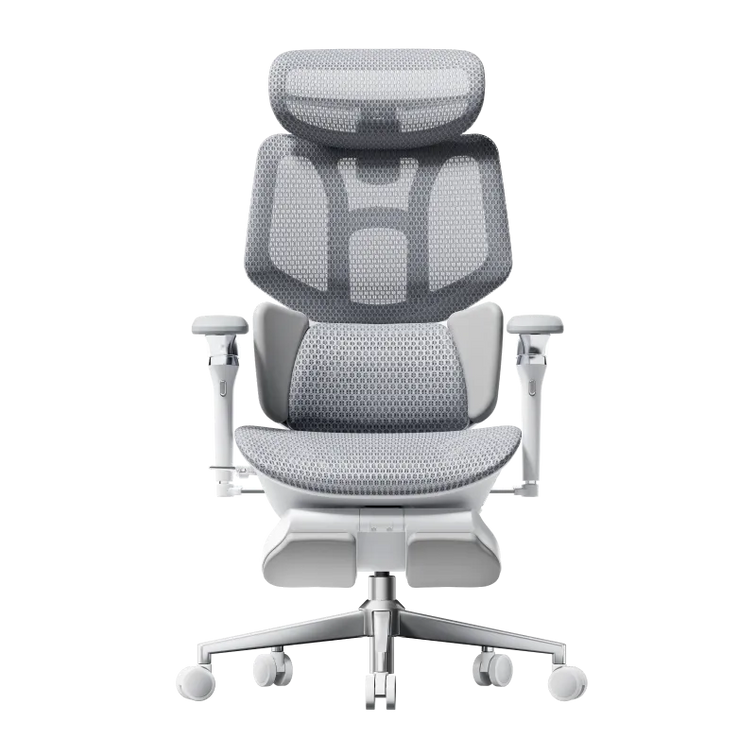
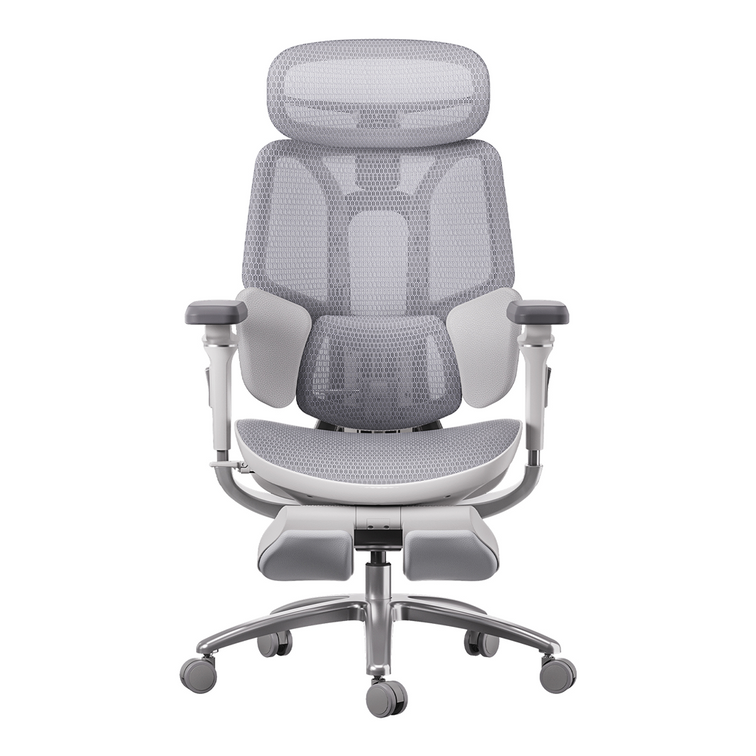
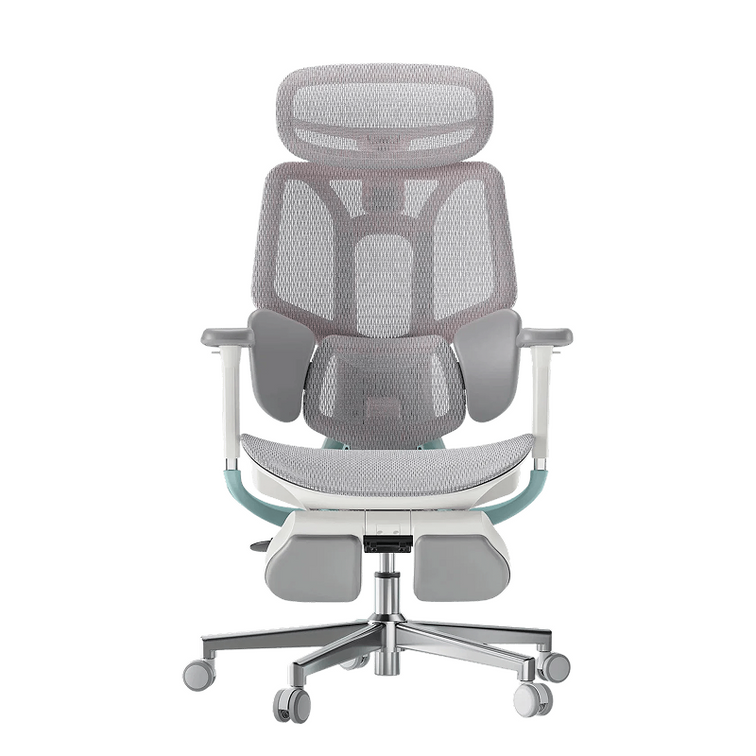



Not the end.
The next chapter.
How to recycle or dispose of an old office chair responsibly in the United States—starting with the option that keeps it useful.
What should you do with an old office chair?

Repair it if practical, or donate, sell or give it away if it is safe to use. For an unusable chair, contact your local solid waste service or a recycler that accepts furniture. Identify any batteries, electronics and upholstery before booking. Do not put a rechargeable battery in household trash or curbside recycling.
Why responsible disposal matters
An office chair is a combination of materials, not a single recyclable object. A metal base may sit beneath a plastic frame, woven mesh, foam padding and fabric. A powered chair adds electrical components.
Keeping a safe chair in use avoids discarding those materials prematurely. When the chair can no longer serve its purpose, the right disposal route depends on its construction and the services available in your area.
Can you repair, donate or sell it?
Before arranging disposal, identify why the chair is no longer useful. A worn caster is different from a cracked structural frame. Ask the manufacturer whether a compatible part and safe repair instructions are available.
If the chair remains safe and functional, contact a furniture bank, charity, community organization or local recipient. Acceptance varies: a donation center may decline office furniture, damaged upholstery or items that require repair.
- Check that the base, seat and backrest are stable.
- Describe defects honestly and include clear photographs.
- Keep model information, instructions and relevant accessories.
- Confirm acceptance and transportation before making the trip.
Do not offer a structurally unsafe chair as ready to use. If a repair is needed, make that clear and confirm that the recipient can handle it.
How to recycle a broken office chair

Call ahead before taking the chair apart. Ask whether the facility accepts it whole and describe any powered features, padding and gas lift.
Metal, plastic and mesh
A recycler may accept steel or aluminum components, but mixed assemblies can require different handling. A recycling symbol on a plastic part does not guarantee acceptance by your curbside program. Mesh and foam also need a confirmed outlet.
Only remove ordinary components when the manufacturer's instructions and receiving facility allow it. Do not cut into the gas cylinder or dismantle electrical assemblies to recover scrap.
Powered chairs and rechargeable batteries
Ask an electronics recycler or your local waste authority whether it accepts powered furniture. A drop-off point for small electronics may not accept a complete smart chair.
The EPA advises keeping rechargeable batteries out of household trash and municipal recycling. For a safely removable battery, follow the manufacturer's instructions and the collection site's preparation requirements. Do not force open a sealed pack or cut wiring.
If the battery is built in, tell the receiving service and ask whether to bring the complete item. Damaged or swollen batteries require specific handling advice rather than a routine drop-off.
See EPA battery guidance and electronics recycling guidance.
Padded chairs and bulky item pickup
Ask your municipal waste service how it handles upholstered office chairs. It may offer scheduled bulky item pickup or direct you to a transfer station or another facility. Charges and restrictions vary.
Do not assume a pickup service will recycle the chair. Ask what happens after collection if material recovery is important to you.
Which disposal option fits your chair?
Scroll the table sideways on smaller screens.
| Route | Suitable starting point | Check first |
|---|---|---|
| Repair | An identifiable, repairable fault | Compatible parts and safe fitting instructions |
| Donation or resale | A safe, usable chair | Recipient acceptance and condition requirements |
| Material recycler | Accepted metal or other components | Whether the chair must remain assembled |
| Electronics recycling | A chair with powered features | Furniture size limits and battery arrangements |
| Bulky item pickup | An unusable chair accepted by the service | Booking, fees, placement and electrical exclusions |
| Private removal | An item needing a collection service | Accepted materials, total cost and disposal destination |
Your responsible disposal checklist
- Assess the condition. Identify whether repair or safe reuse is realistic.
- Identify the components. Note upholstery, a gas lift, batteries and electrical features.
- Confirm a destination. Contact the recipient, recycling facility or waste provider.
- Ask how to prepare it. Confirm whether it should remain whole and how batteries are handled.
- Arrange the handover. Follow booking, transportation and placement instructions.
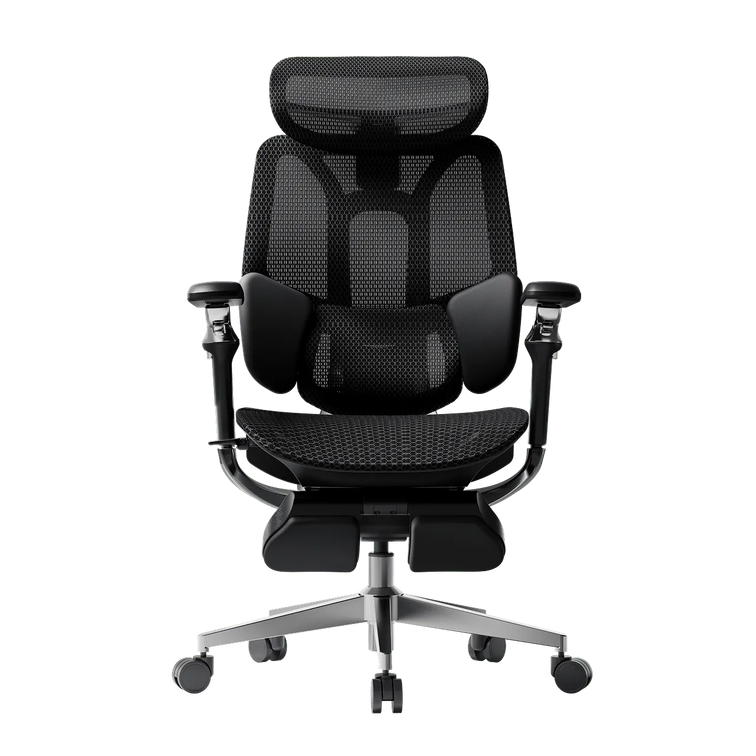
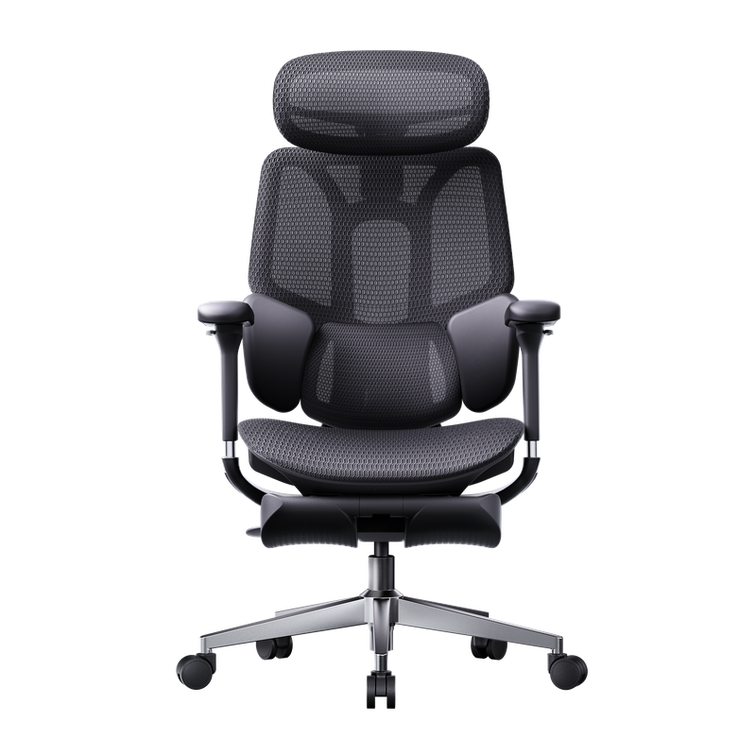
Before replacing your HBADA chair
A fault does not automatically mean the whole chair needs replacing. Contact HBADA support with the model name, order details, photographs and a description of the issue. Ask about diagnosis and compatible replacement parts before buying generic components.
HBADA X7
When discussing disposal, identify the X7 as a powered chair. Ask the receiving service how it handles the complete chair and its electrical components.
View X7 product information →HBADA E3 Pro
Use the exact model and version when asking about repair. A mesh design does not guarantee that every material is accepted by your local recycler.
View E3 Pro product information →Parts availability and warranty coverage depend on the product and applicable terms. Do not assume that bases, cylinders or casters are interchangeable between models.
Safety and limitations
- Gas cylinder: Never puncture, cut, heat or open it.
- Electrical parts: Follow manufacturer instructions; avoid improvised disassembly.
- Battery damage: Contact the manufacturer or a qualified receiving service for handling advice.
- Heavy lifting: Arrange help and suitable transportation.
- Business furniture: Office clearances may not qualify for household collection programs.
This is general US household guidance. Confirm current state, local and facility requirements before disposal.
Frequently asked questions
Can I put an office chair in the trash?
Check your waste provider's rules. A non-electrical chair may be accepted through bulky item collection, but not through ordinary bin service. Powered components and rechargeable batteries require separate consideration.
Where can I recycle an office chair near me?
Start with your city or county solid waste department. Ask about furniture recycling, transfer stations and bulky item services. For a powered chair, confirm that a recycler accepts large electrical furniture.
Can I donate a used office chair?
Yes, if it is safe, usable and accepted by the recipient. Call first, describe its condition and confirm whether collection is available.
Should I take the chair apart before recycling?
Not automatically. Ask the receiving facility whether it wants the complete chair. Only separate components that can be removed safely using the manufacturer's instructions.
Is a mesh office chair completely recyclable?
Not necessarily. Mixed plastics, mesh, coatings and attached components may not have a local recycling route. Confirm acceptance rather than assuming that minimal padding means complete recyclability.
How do I dispose of the gas lift?
Tell the receiving service that the chair has a pressurized gas cylinder. Do not open or damage it. Ask for instructions before removing or transporting it separately.
The next step
Before booking a pickup, make one call: to support if repair is possible, to a recipient if the chair is reusable, or to your local waste service if it has reached the end of its life.
Keep it useful where you can.
Choose its next destination with care.
Sources and further guidance
For furniture acceptance, pickup fees and preparation, consult your local solid waste authority or chosen facility.
Back to top ↑