





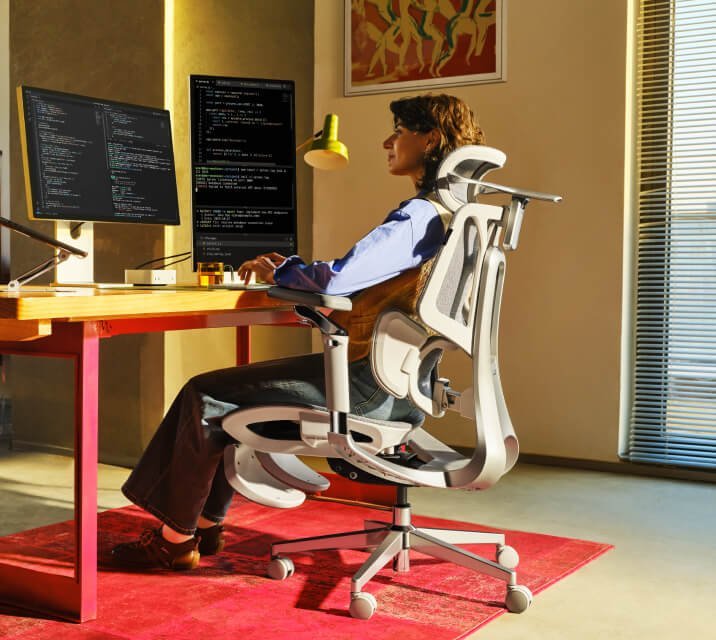
Workplaces in Europe and the UK are changing more than ever before, thanks to the European Green Deal’s push for climate neutrality. Office design is moving away from disposable furniture toward more sustainable choices. While employees still need supportive chairs for long hours at their desks, companies now have to balance comfort with environmental protection.
To keep up with these changes, procurement teams need to update their strategies to comply with new circular-economy rules. Choosing certified sustainable chairs and eco-friendly furniture helps your business reduce its carbon footprint, meet new efficiency laws, and create a healthier workplace for employees.

The Regulatory Framework: ESPR and the Circular Economy
To plan for the future of office design, it’s important to understand the new rules set by the European Commission. Cheap, non-recyclable office furniture is being phased out as stricter guidelines now discourage waste.
The Ecodesign for Sustainable Products Regulation (ESPR)
Enacted as a core pillar of the Circular Economy Action Plan, the Ecodesign for Sustainable Products Regulation (EU) 2024/1781 establishes mandatory environmental minimums for physical goods sold within the single market. This framework extends historical energy-efficiency rules to target resource consumption, product lifespans, and material recovery. Under the European Commission’s multi-annual transition plans, the commercial furniture sector faces binding product-specific requirements, making proactive compliance an immediate necessity for corporate suppliers.
The Digital Product Passport (DPP) Architecture
New rules will require a Digital Product Passport for commercial goods. This system provides clear, verifiable information about each product’s lifecycle, replacing unclear marketing claims.
The passport connects each part to an open registry, showing where the materials come from, listing the chemicals used, and providing clear disassembly instructions. This helps facilities teams check how easy it is to repair, trace origins, and recycle office furniture.
Core Characteristics of True Sustainable Office Furniture
Identifying authentic green furniture requires moving past superficial labeling to analyze the physical manufacturing methods used. True commercial sustainability relies on concrete engineering choices that support long-term product lifecycles:
· Modular Architecture: Avoid single-mold plastic items that must be completely thrown away if a single small part breaks. High-tier green furniture uses modular assemblies, allowing arm pads, gas lifts, casters, and mesh panels to be swapped out and repaired over time.
· High Post-Consumer Recycled Content: Look for structural frames constructed from recycled aluminum alloys and recycled industrial polymers. Using recycled metals significantly reduces industrial energy consumption compared to processing raw materials.
· Low-VOC and Non-Toxic Finishes: Pick furniture parts and fabrics that do not contain harmful flame retardants or heavy metals. Using certified components helps make sure your office furniture does not release toxic chemicals, keeping indoor air safe.
· Life Cycle Assessment (LCA) Documentation: Real environmental responsibility is based on solid data. Good manufacturers use third-party Life Cycle Assessments to measure total greenhouse gas emissions across a product's lifecycle, from manufacturing through disposal.
Balancing Active Workplace Wellness with Resource Efficiency
Sustainability today does not mean giving up the ergonomic support your team needs to avoid back pain. Our seating shows that you can have both great comfort and strong environmental standards in your office.
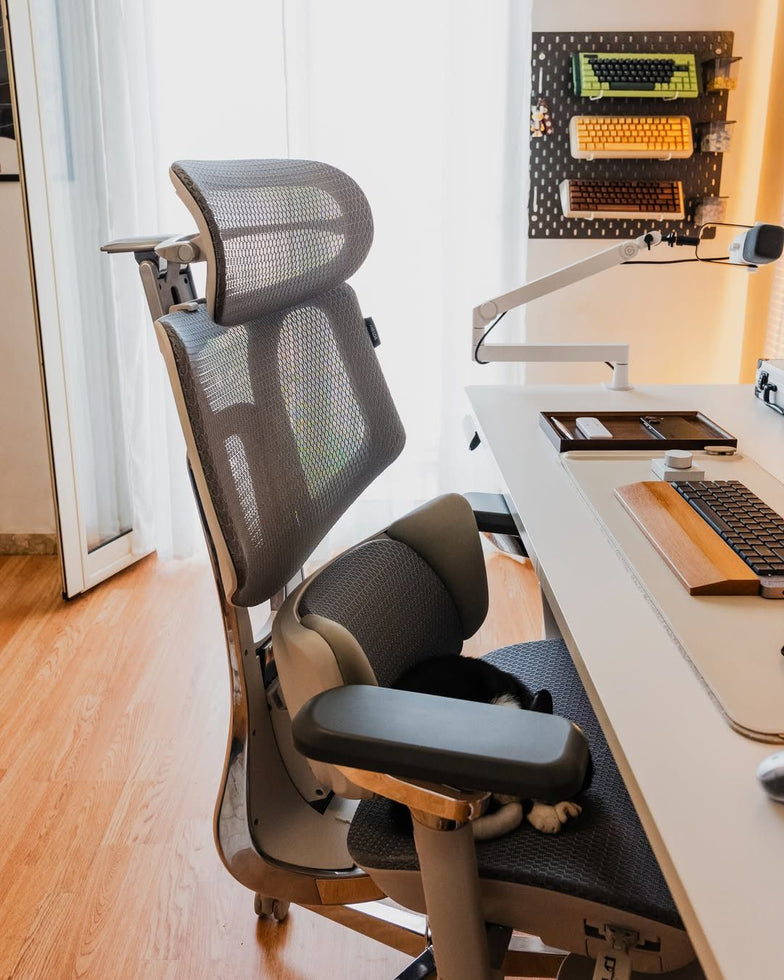
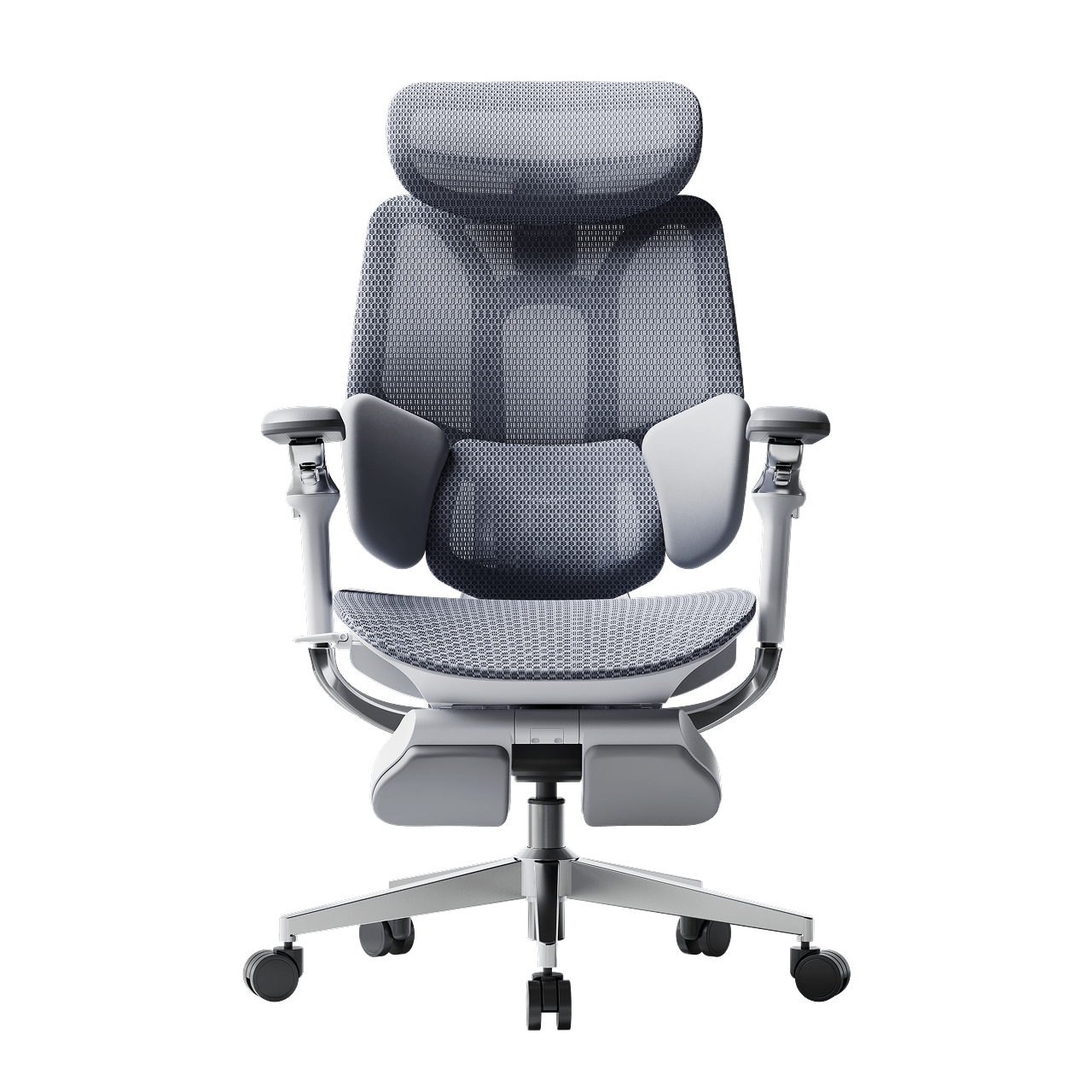
Closed-Loop Mechanical Support: Hbada E3 Pro
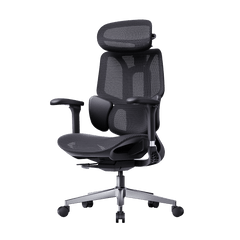
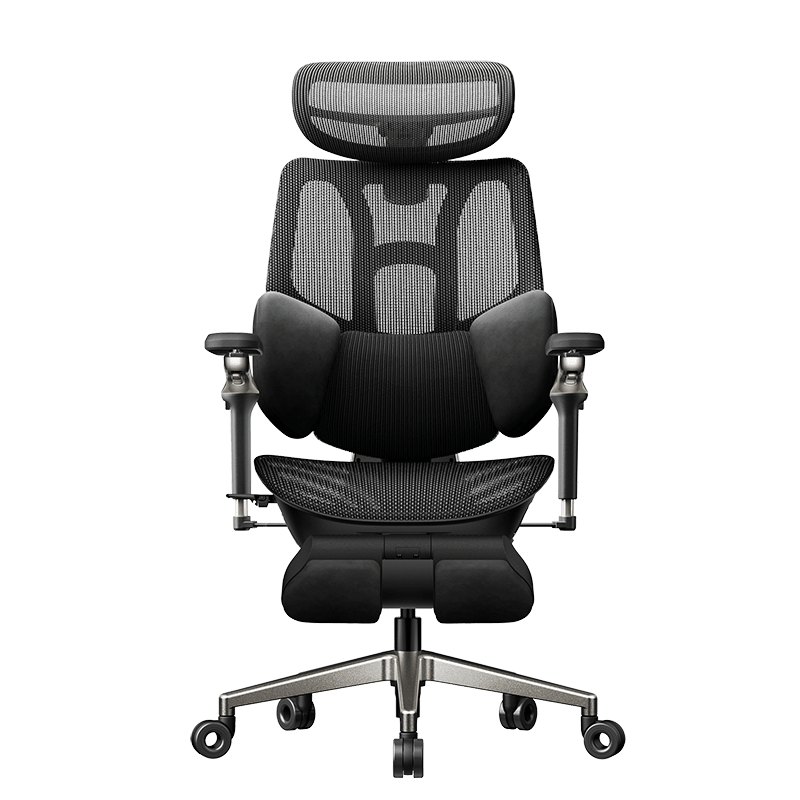
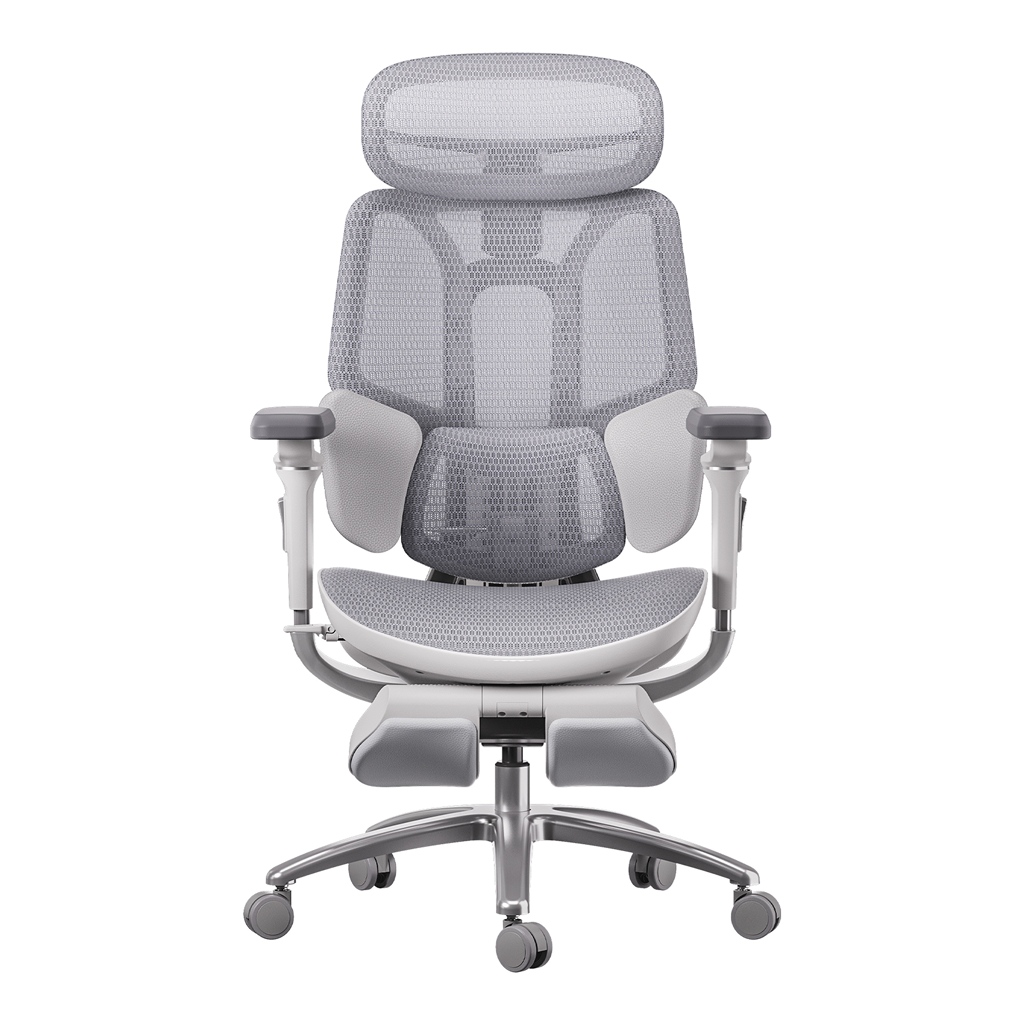
The HBADA E3 Pro is designed for companies that want top-quality support and long-lasting parts. It has a unique 3-zone elastic lumbar support system. The middle section supports your spine, while the two side wings can rotate up to 40 degrees to fit your lower back.
The chair uses mechanical counterweights instead of electrical components, so it consumes no energy throughout its life. This makes it a reliable and low-impact seating choice.
High-Technology Smart Wellness: Hbada AI-Powered x7
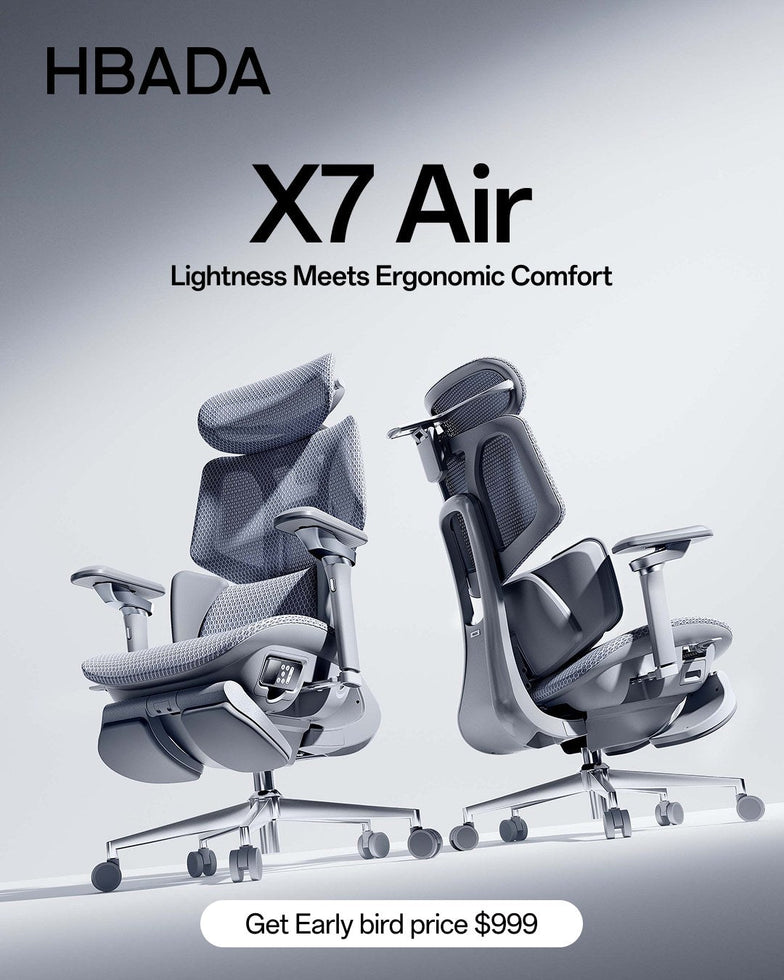
For advanced innovation hubs and modern executive spaces seeking completely automated health management, the Hbada AI-Powered x7 introduces intelligent, responsive wellness to the workplace. The Hbada AI-Powered x7 uses low-power pressure sensors to track sitting posture in real time, automatically micro-adjusting its motorized lumbar support to prevent slouching.
To support waste reduction, the chair’s electronic components are designed to be easily disassembled. This means the batteries and computer units can be separated and recycled when the chair reaches the end of its life.
Structural Sustainability Comparison: Commercial Seating Tiers
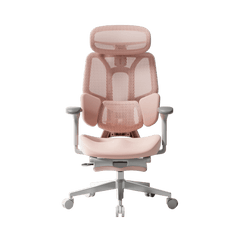
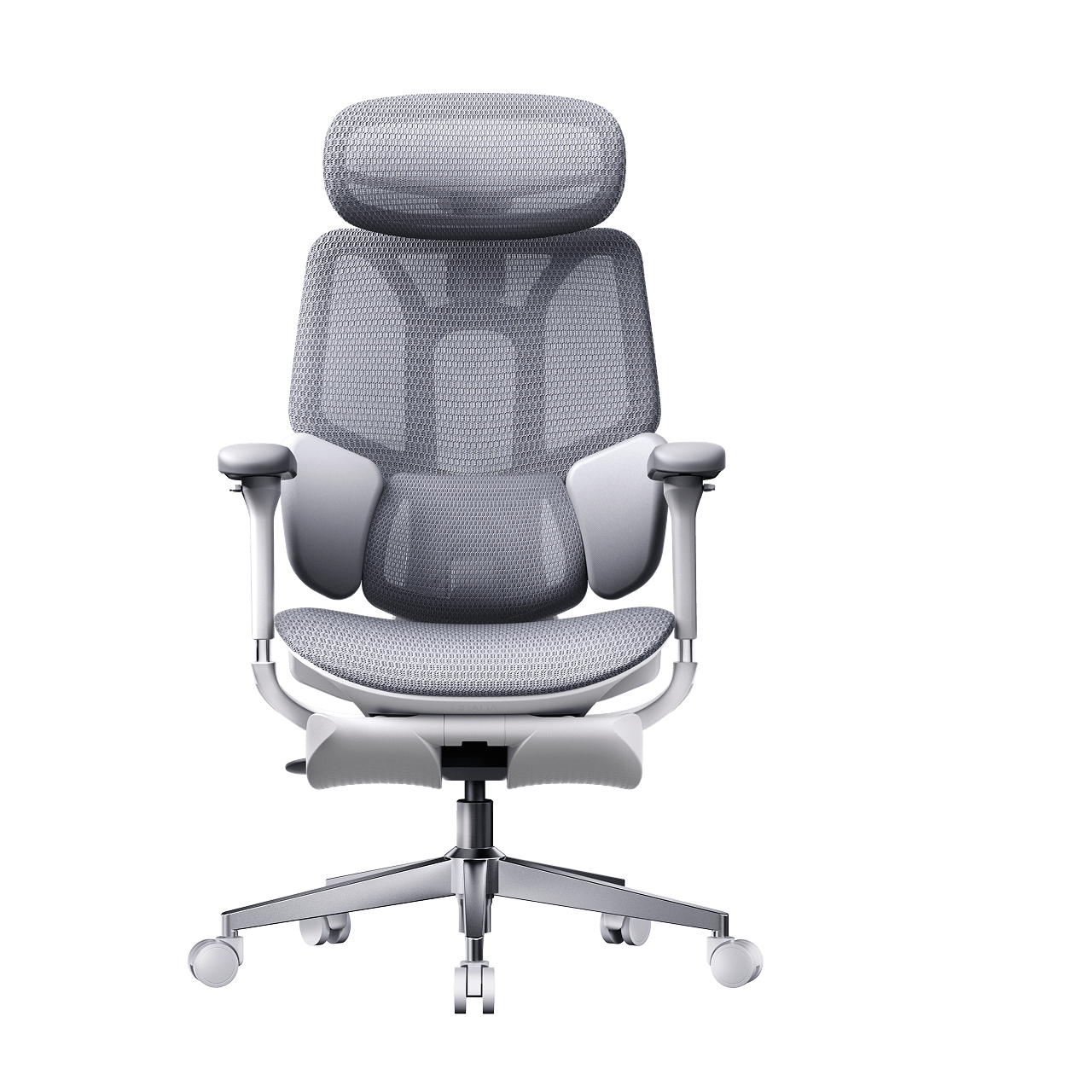
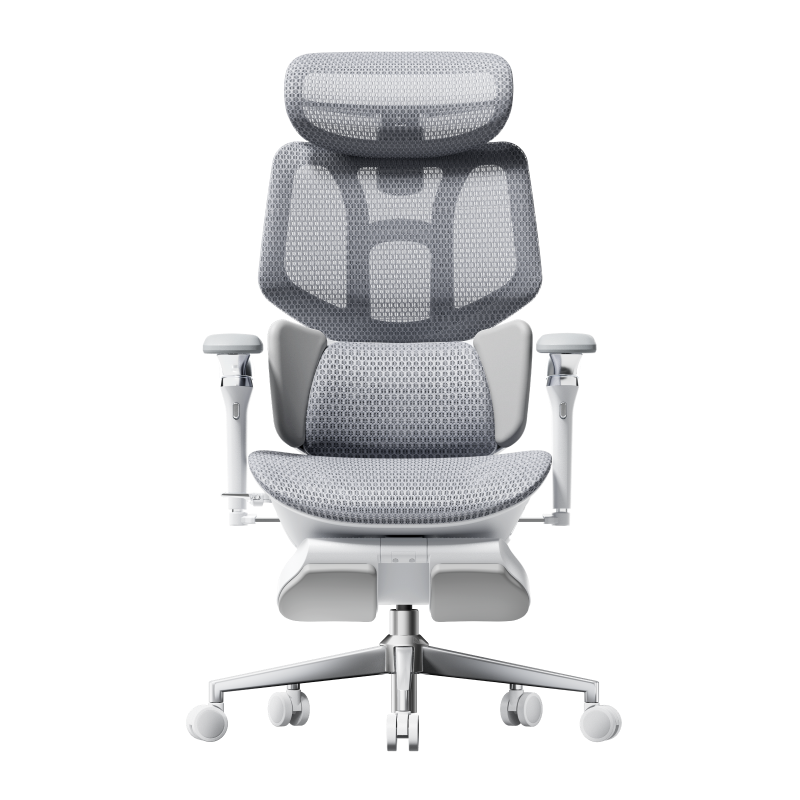
· Hbada E3 Air: Built for hot-desking zones and daily hybrid workspaces, using lightweight, high-recyclability polymers and low-emissions shipping profiles.
· HBADA E3 Pro: Designed for intensive, long-shift workstations, utilizing a reinforced double-diamond mechanical frame and fully replaceable modular wear components.
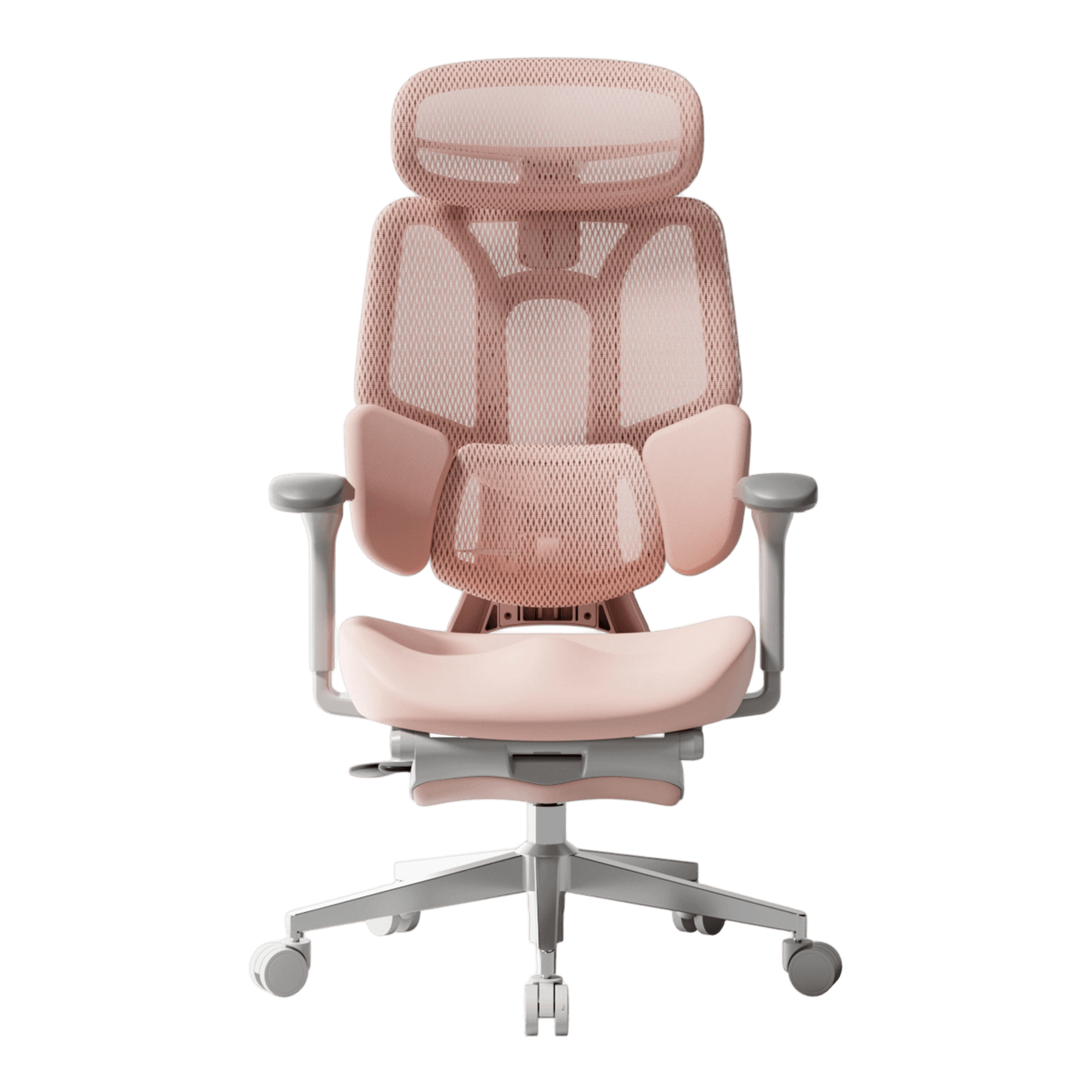
· Hbada AI-Powered x7 Engineered for premium executive suites and tech facilities, incorporating active AI automated posture tracking alongside an eco-certified aluminum alloy chassis.
Procurement Guide: Transitioning to Green Facility Management
Buying sustainable furniture for your office or updating several floors takes careful planning. Follow this guide to improve your company’s green purchasing strategy:
· Audit Your Existing Asset Lifecycle: Before you buy new furniture, check how long your current items last. Focus on replacing broken or fixed-arm chairs with adjustable ones that can be repaired with new parts.
· Verify Supply Chain Transparency: Ask your furniture suppliers for proof of the materials they use. Ensure all wood parts are FSC-certified and that fabrics meet top global eco-label standards.
· Optimize Delivery Volumes: Coordinate with your logistics team to combine shipments. Filling containers to capacity reduces transport emissions and packaging waste.
· Set Up End-of-Life Takeback Protocols: Work with manufacturers who offer recycling and takeback programs. This way, your old chairs can be reused in new products instead of ending up in landfills.
Frequently Asked Questions (FAQ)
How does a sustainable office chair help my business comply with the EU Green Deal?
A certified sustainable office chair helps your business meet the strict durability, repair, and recycling standards of the Ecodesign for Sustainable Products Regulation. Choosing chairs with lots of recycled metal and replaceable parts lowers your company’s carbon footprint and supports ESG reporting.
What makes eco-friendly furniture more cost-effective over its lifecycle?
Cheap, disposable furniture may seem cheaper at first, but it often breaks down after a few years, leading to more replacements and waste. Durable, eco-friendly furniture saves money in the long run because it uses high-quality materials and can be repaired rather than replaced.
Are mesh office chairs more sustainable than traditional leather or foam options?
Yes. Thick foam cushions are hard to separate from their covers, so they often cannot be recycled. Mesh chairs use less material, avoid toxic glues, and can be taken apart easily for recycling.
When will the mandatory Digital Product Passport rules apply to office furniture?
According to the EU Ecodesign framework, new rules for furniture are being introduced in stages. Top manufacturers are already using transparent tracking systems to help buyers get ready for these requirements.
Conclusion
The best seating for your office depends on your needs and setup. If you want a strong, energy-free chair with great back support, the HBADA E3 Pro is a great choice. If you prefer advanced wellness features like real-time posture tracking and an eco-friendly aluminum frame, the Hbada AI-Powered x7 is a smart upgrade for your sustainability goals.