






DIY craft workspace / Miniature painting
Tiny eyes.
A little less
leaning in.
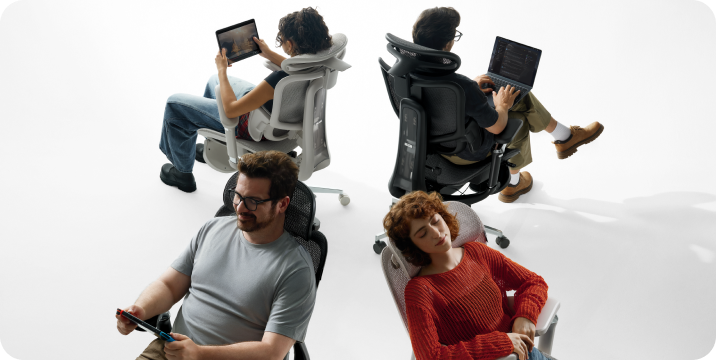
Make room for miniature painting and other DIY projects, with a craft desk setup that brings the details closer and gives your back somewhere comfortable to rest.
A surprisingly full evening.
You’re painting an eye on a figure barely taller than a paint bottle. The first attempt looks a little startled. You wipe it off, try again and bring the miniature closer. Somewhere in the process, your shoulders have followed it.
A DIY craft workspace often grows one project at a time. Paint bottles take over a shelf, a cutting mat claims the desk, and the chair is whatever was already there. Before your next miniature painting session, check whether the setup leaves room for your hands and lets you sit comfortably near the work.
Raise the miniature before leaning farther forward.
When a figure sits flat on a low cutting mat, it is tempting to bend down towards it. A stable painting handle can make the model easier to hold and rotate. Find somewhere comfortable for your forearms, then check the working height.
A secure riser may help bring the piece closer, provided there is still room for your hands. Test the arrangement with a clean brush first. Loose boxes are an awkward place to balance something you have spent hours building.
Check where your painting hand casts a shadow.
Hold the miniature and a clean brush as you normally would. Now move the task light. Your hand should not block the detail you are trying to see. A lamp with an adjustable arm gives you room to change the angle as you turn the figure.
If you use magnification, arrange it around your comfortable seated position. Having to duck under the lens for every brushstroke is a reason to reposition it. Recheck the setup when you move from a small figure to a larger model.
Set the light from the chair. That is where you will be using it.
Give your forearms somewhere to settle.
Look at how your arms meet the desk. A hard edge can feel uncomfortable during close work, especially if you keep leaning into the same spot. Reposition the chair and workpiece before adding padding. Anything you add should stay secure and clear of wet paint.
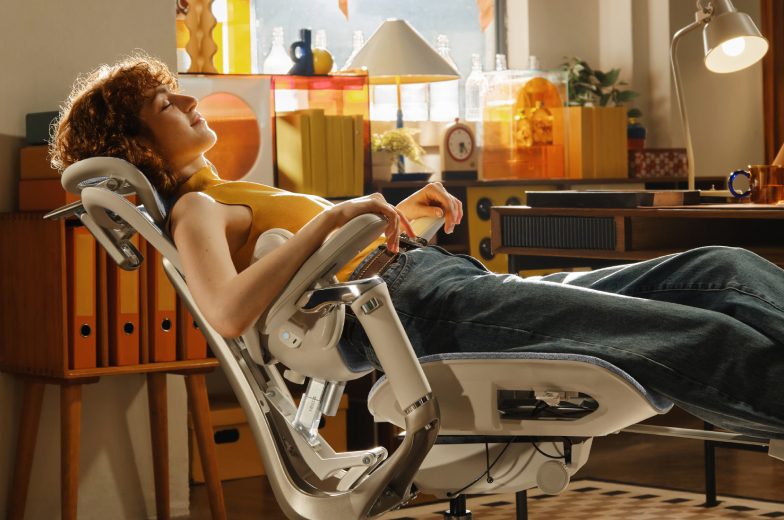
Armrests can help when they reach a useful position. If they hit the desk and leave you too far away, adjust or flip them up where the chair allows. Make sure your forearms still have comfortable support from the work surface.
Where P2 Max fits in
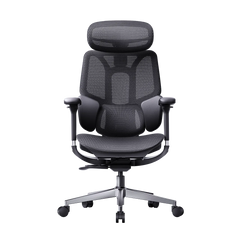
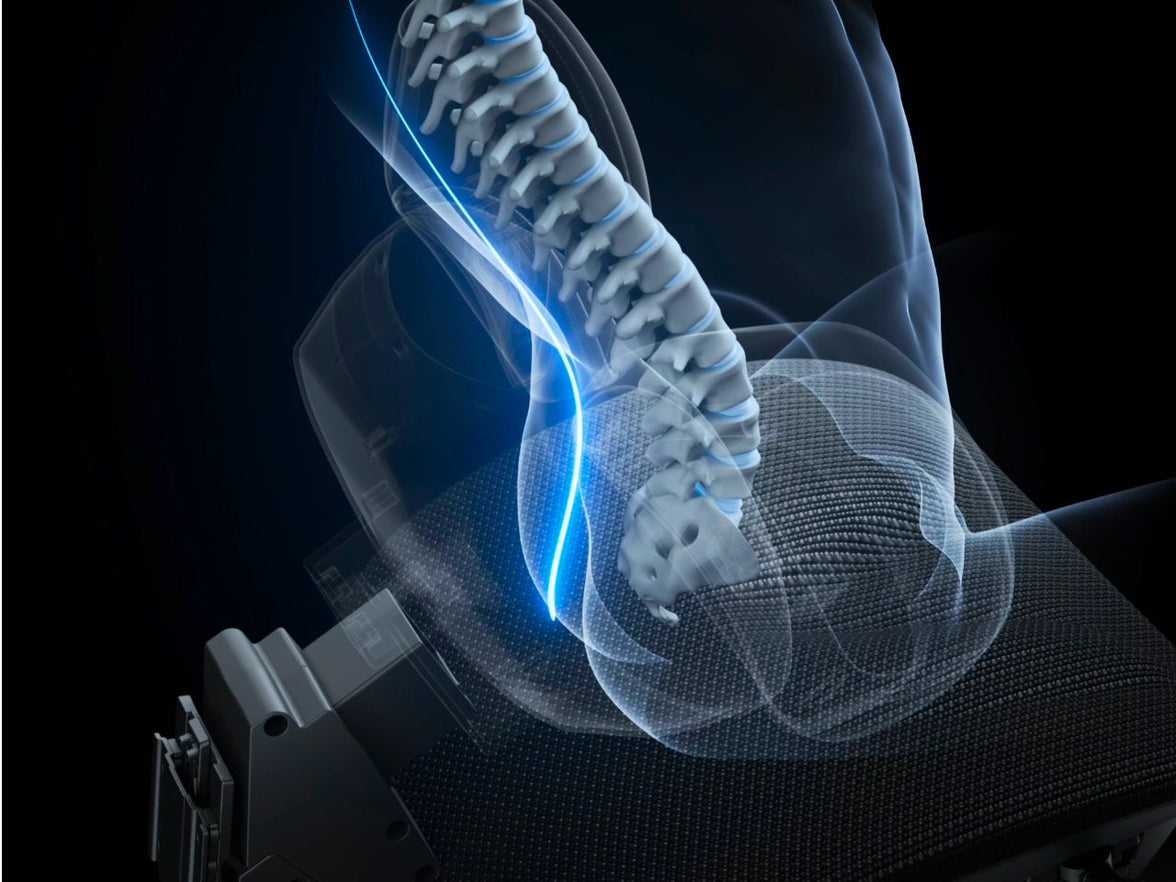
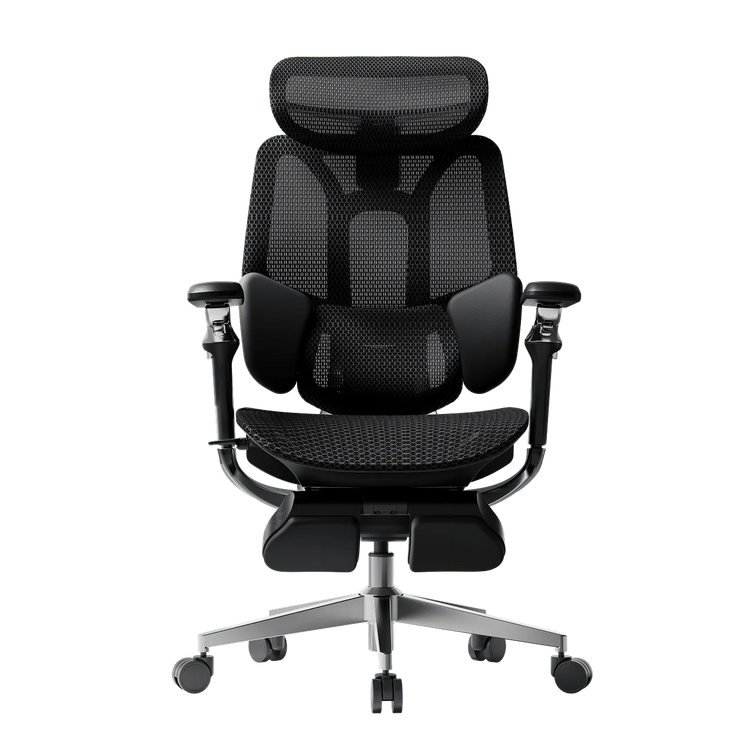
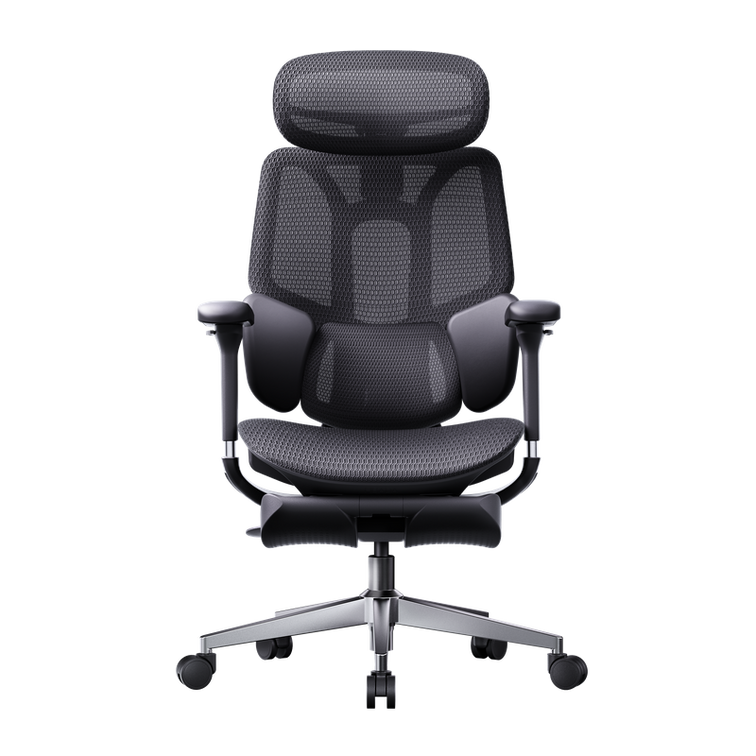
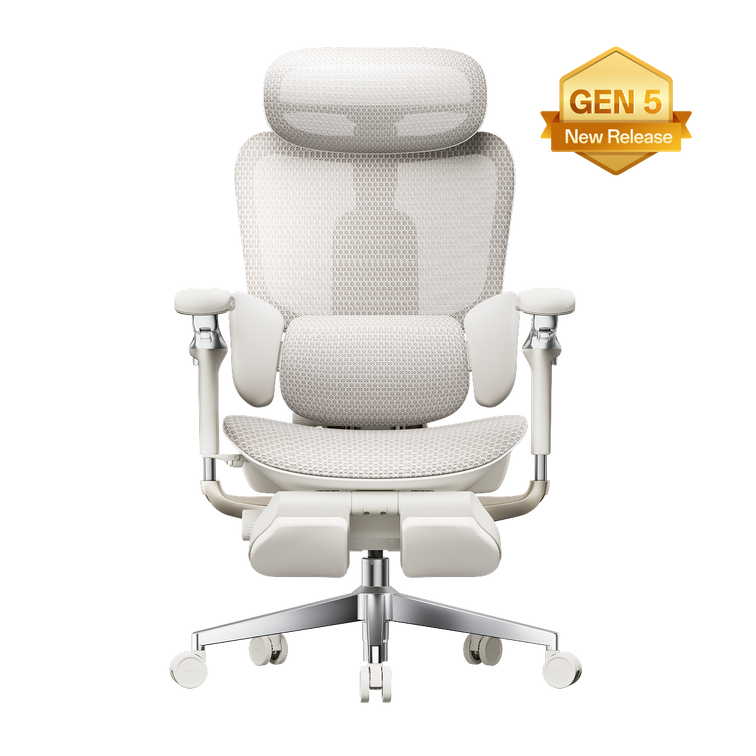
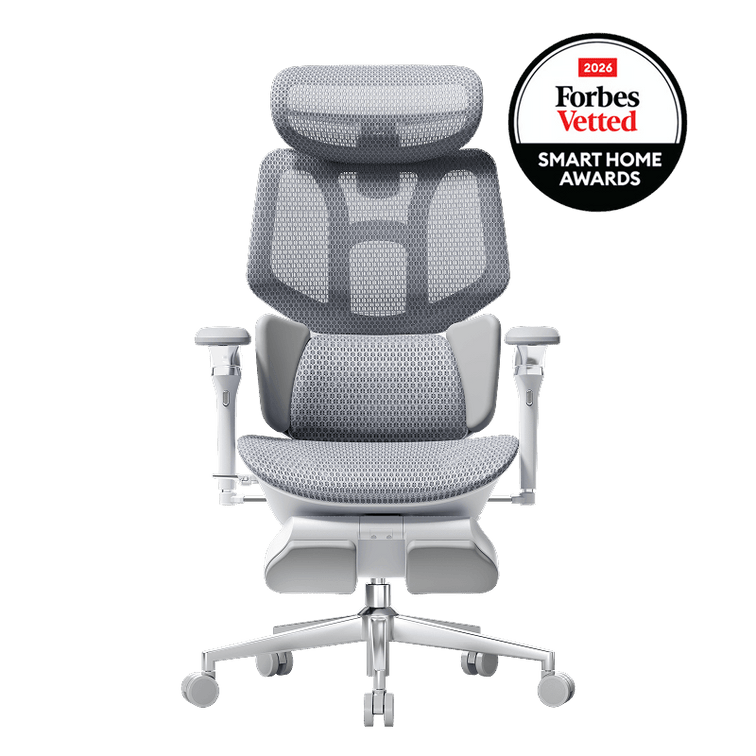
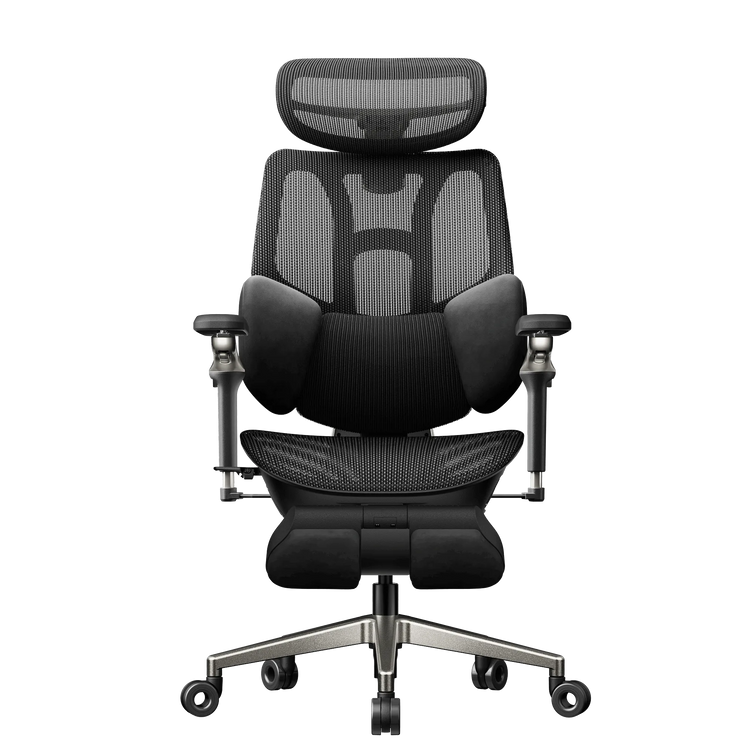
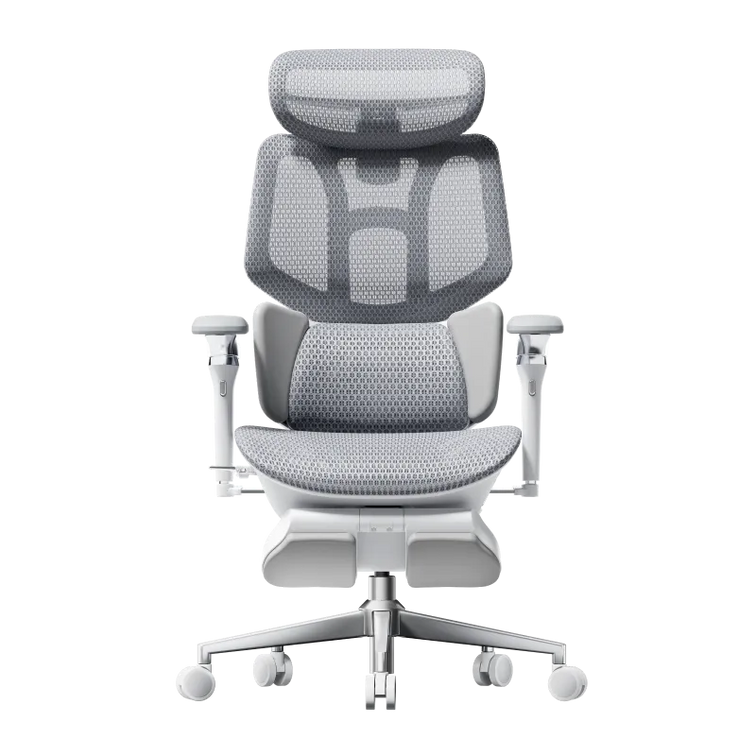
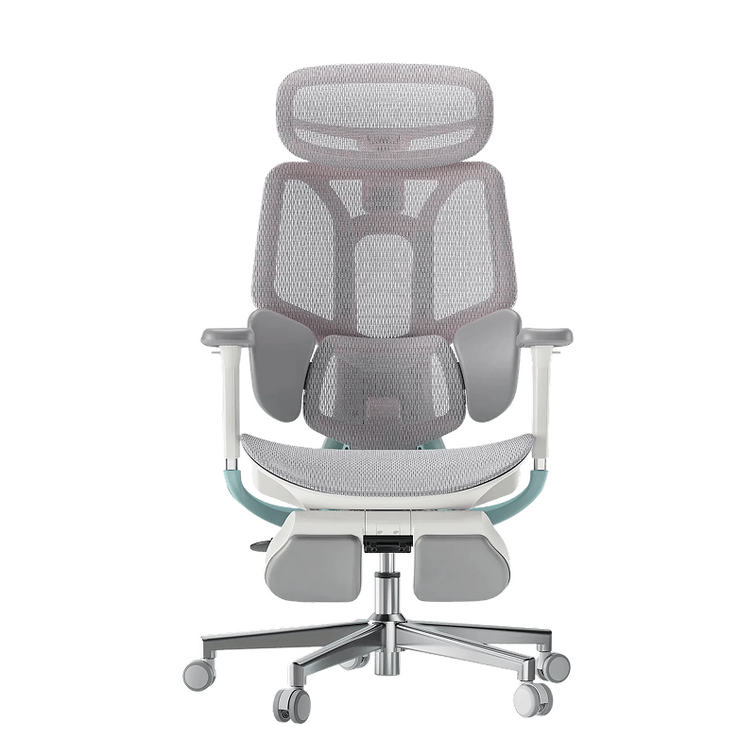
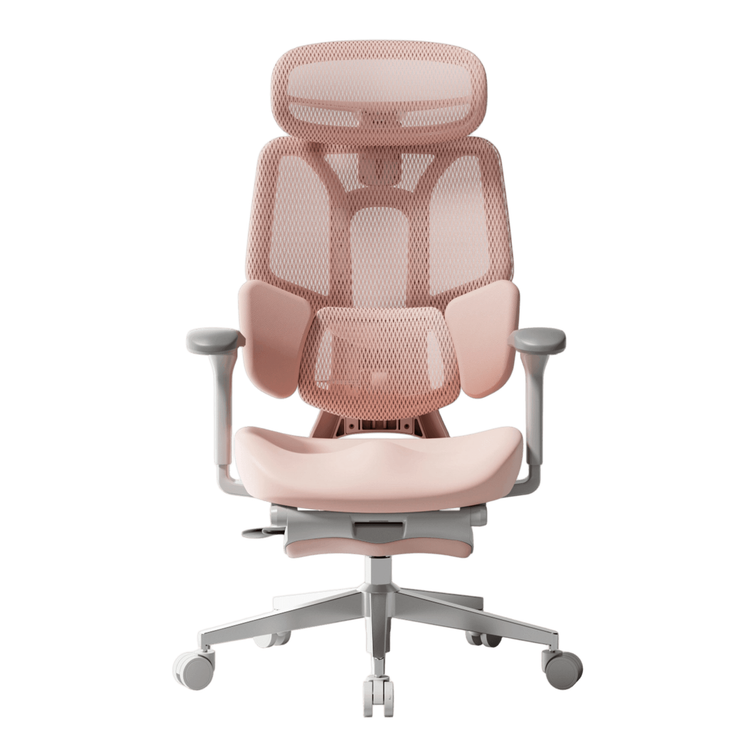
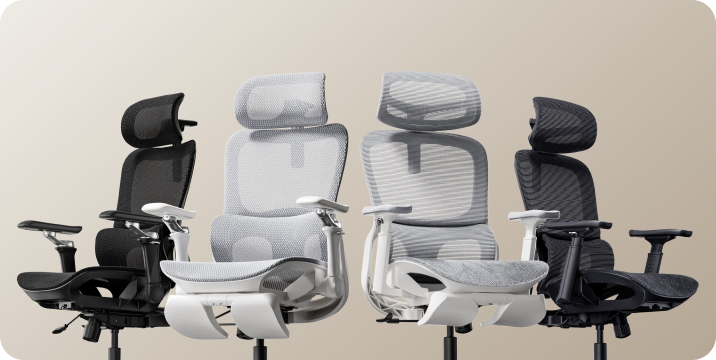
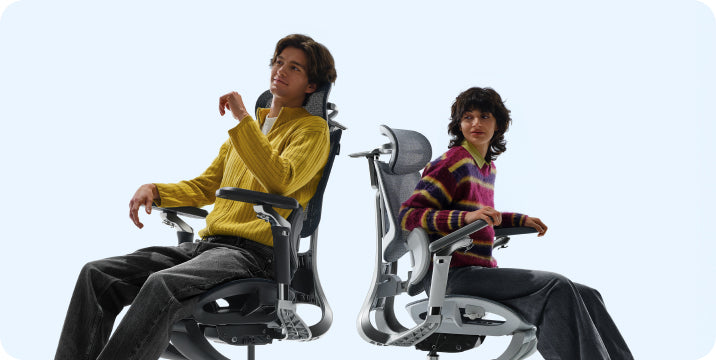
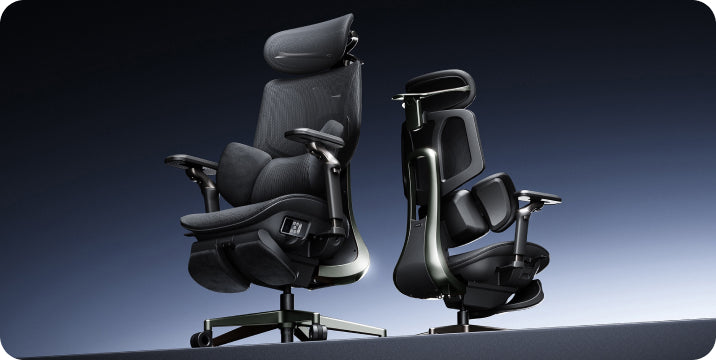
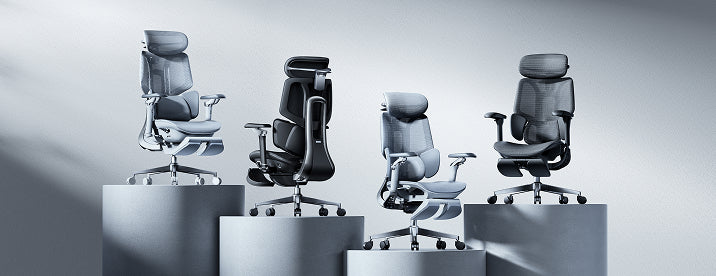
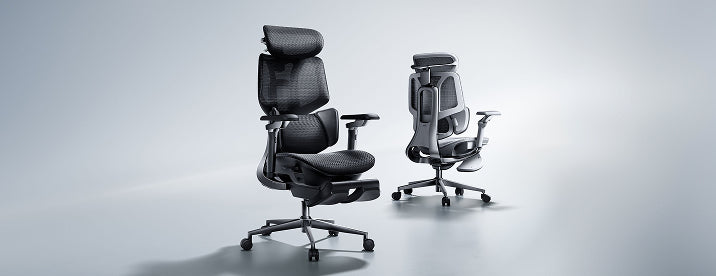
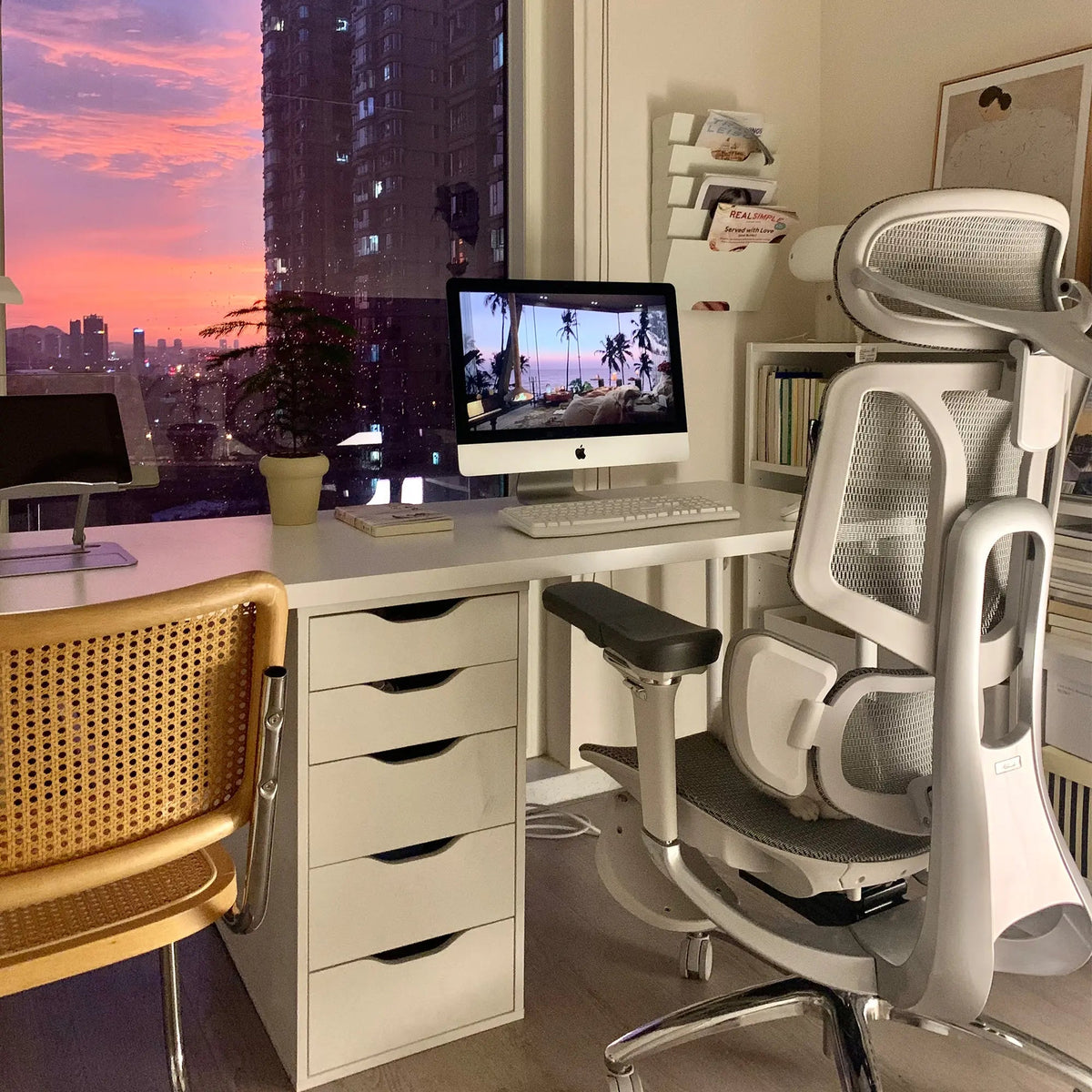
Our HBADA P2 Max ergonomic office chair combines flip-up armrests with adjustable seat depth and a separate lumbar support section. For a DIY craft desk, those controls give you ways to refine the fit as you move between painting and other small tasks.
Measure the desk clearance first. Set the seat so you can sit back comfortably, then adjust the lumbar contact. The chair should let you approach the work without having to stretch across the table.
Organize your DIY craft desk around tonight’s project.
A full paint collection looks satisfying on a shelf. The few colors you are using tonight belong somewhere easier to reach. Put them beside the palette so each color change does not become a stretch across the desk.
Give the rinse water a stable spot away from electrical equipment and your elbow. Leave somewhere safe to put the miniature down. Getting up is simpler when you already know where the wet model can go.
The same approach works for dollhouse building and other small-scale DIY projects. A tiny figure can turn in your hand; a miniature room may need a stable working platform that you can reposition between tasks. Bring the side you are working on within reach, rather than reaching through the whole scene.
Start at your feet.
- Find a supported seat height. Keep your feet on the floor or a stable footrest. If a high table requires a higher seat, revisit foot support instead of leaving your feet hanging.
- Sit back and check the space behind your knees. Adjust seat depth if the front edge presses into them.
- Refine the lumbar contact. It should let you sit back without feeling pushed forward. Make small changes and check the fit again.
- Pick up the miniature and a clean brush. See whether the position still works when your hands return to the task.
These seating checks draw on the basic principles in OSHA’s workstation chair guidance , including supported feet and back, appropriate seat fit and arm support that allows relaxed shoulders. Here, we are applying those principles to a hobby desk.
If you are comparing chairs for your craft room, our chair-fit buying guide can help you work through the measurements before choosing a model.
Put the model down and change position.
Drying time is a convenient chance to stand up and step away. When you return, look at the figure from a little farther back. It can be useful to see the whole piece after spending so long on one detail.
You do not need to hold one pose all evening. Change position and pause if something starts to hurt. Persistent or worsening back pain deserves advice from a healthcare professional. Adjusting a chair cannot identify the cause.
A few practical details.
What should I look for in a chair for a DIY craft desk?
Start with seat height, usable seat depth and comfortable lower-back contact. Check whether the armrests allow you to approach the work surface. Compare these features with your table height and the tasks you do most often.
Can an ergonomic office chair work for miniature painting?
Yes, when it fits your body and works with the desk. Arrange the miniature and lighting around a comfortable seated position. You should not need to lean forward continuously to see the detail.
Should I flip the armrests up when painting miniatures?
Try adjusting them first. If they still block access to the desk, flipping them up may give you more room. Check that the work surface provides comfortable forearm support when the armrests are out of the way.
Will a different chair stop back pain while crafting?
A well-fitted chair can support a more comfortable setup, but back pain can have several causes. Review the workpiece height and reach distances too. Seek professional advice if pain persists or worsens.
Before the next DIY evening
Start with the part you keep working around.
If the armrests keep you too far from the table, measure the clearance. If you cannot settle against the backrest, check the seat depth. Those details give you a useful starting point when choosing a chair for your hobby space.
Take a closer look at P2 Max →