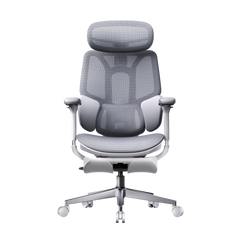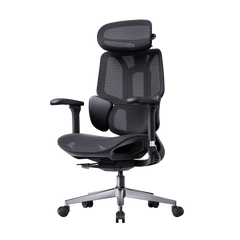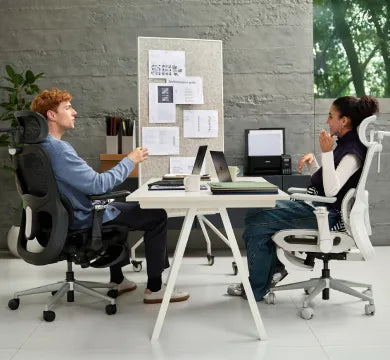

Most office furniture is made for people of average height. If you are taller or shorter than this, a standard chair can cause discomfort. To find a chair that fits your body, you need a detailed office chair size guide based on real measurements.
If your chair does not adjust to your height, your body has to adapt to the chair instead. After a full workday, this can cause back pain, poor leg circulation, and neck strain. To keep everyone comfortable, offices need chairs that can be adjusted for both tall and short people.

The Ergonomic Dilemma: How Improper Chair Sizing Harms Your Body
Before you adjust your chair, it helps to understand how an incorrect chair size can affect your body. If the seat or back support is at the wrong height, your spine will shift out of its natural position to compensate.
The Tall User Strain: Discs, Thighs, and Knee Geometry
For taller people, a regular office chair can feel too low. If the chair is too low, your hips end up lower than your knees, putting extra pressure on your sit bones. This position makes you slouch and flattens the curve in your lower back.
Additionally, short seat cushions leave your lower thighs completely unsupported, placing intense stress on your knee joints and cutting off blood flow behind your legs. Finding a dedicated chair for tall people's requirements is vital to prevent long-term joint strain and disc wear.
The Short User Obstacle: Hanging Feet and Shoulder Hunching
Shorter people have different problems at work. If the seat is too deep, the front edge can press against the back of your knees, causing numbness and poor circulation.
To avoid this pressure, many people slide forward and lose back support. If the chair cannot go low enough for your feet to touch the floor, your pelvis tilts, and your lower back muscles get tired by the end of the day.
The Tall Person’s Blueprint: Maximizing Height and Seat Depth
To keep taller people comfortable, a chair needs a sturdy frame and a wide range of adjustments to accommodate larger body sizes.
Crucial Metrics for Taller Users
Taller users should look for certain features to make sure their chair fits their longer arms and legs:
· Extended Gas Lift Range: A cylinder that raises the top of the seat cushion to at least 21 inches from the floor.
· Deep Seat Cushion Sliding: A mechanism that extends the seat pan forward by at least 2 inches to support longer upper legs.
· High-Aperture Backrest and Headrest: A tall vertical back frame paired with an adjustable headrest that extends high enough to cradle the upper neck vertebrae.
How the HBADA E3 Pro Anchors Tall Geometry
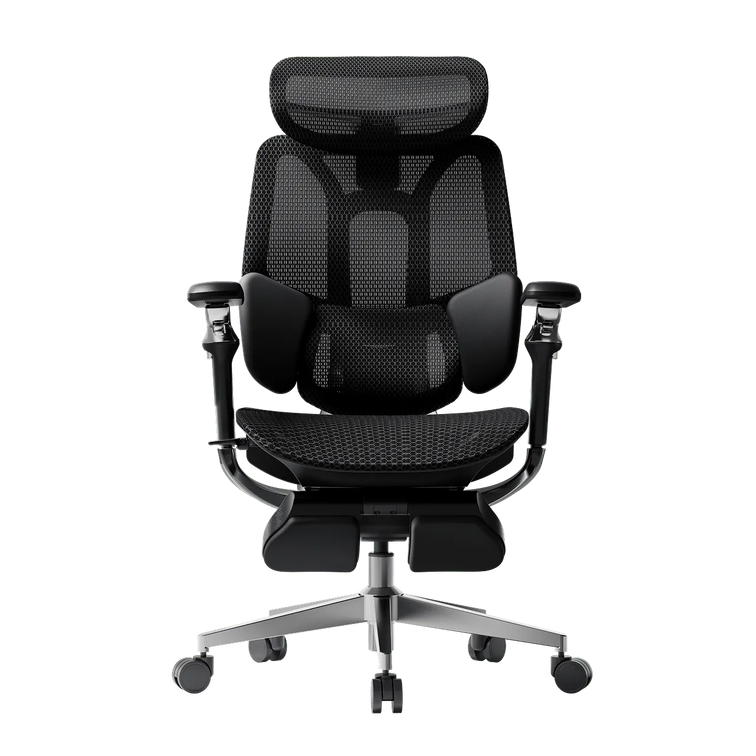
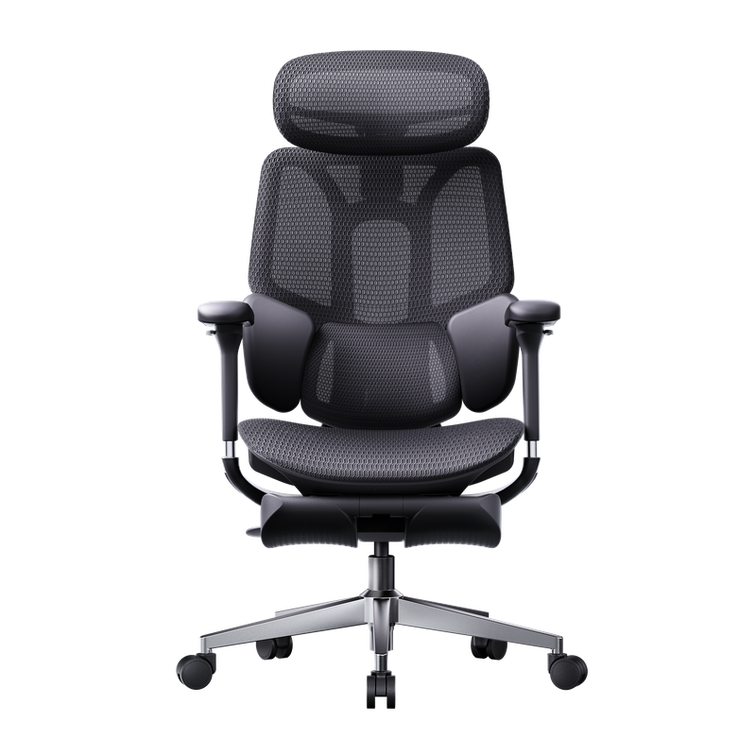
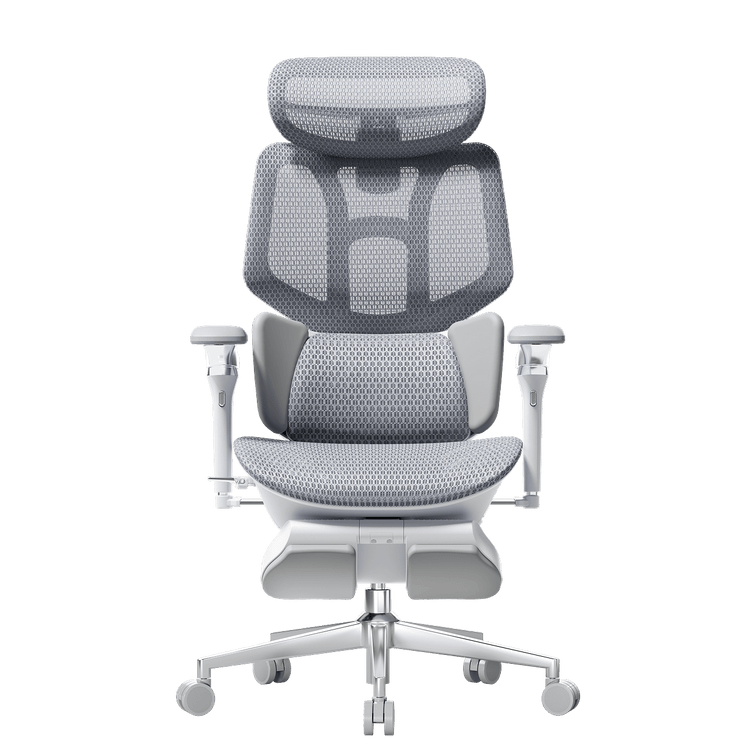
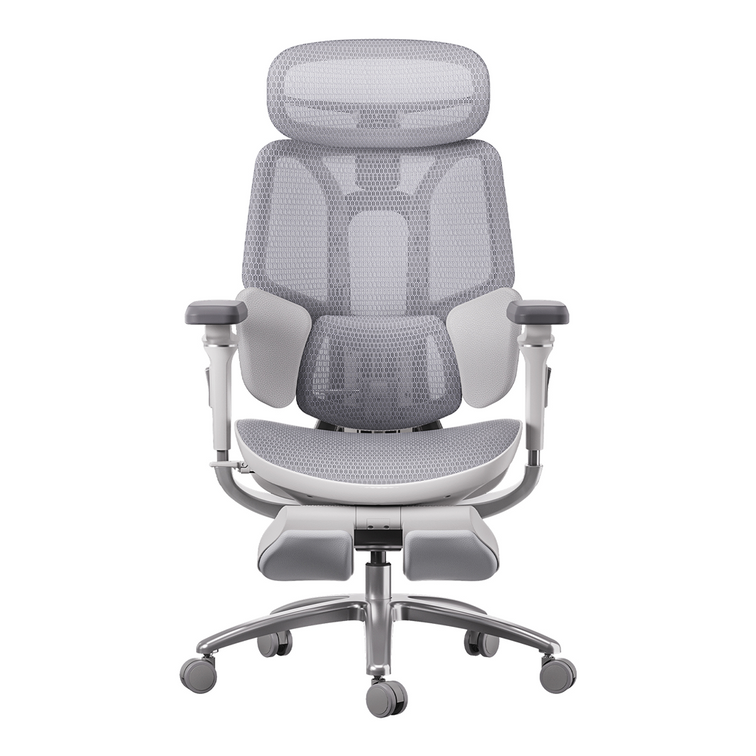
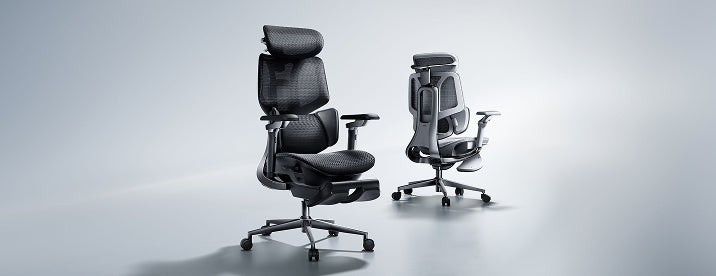
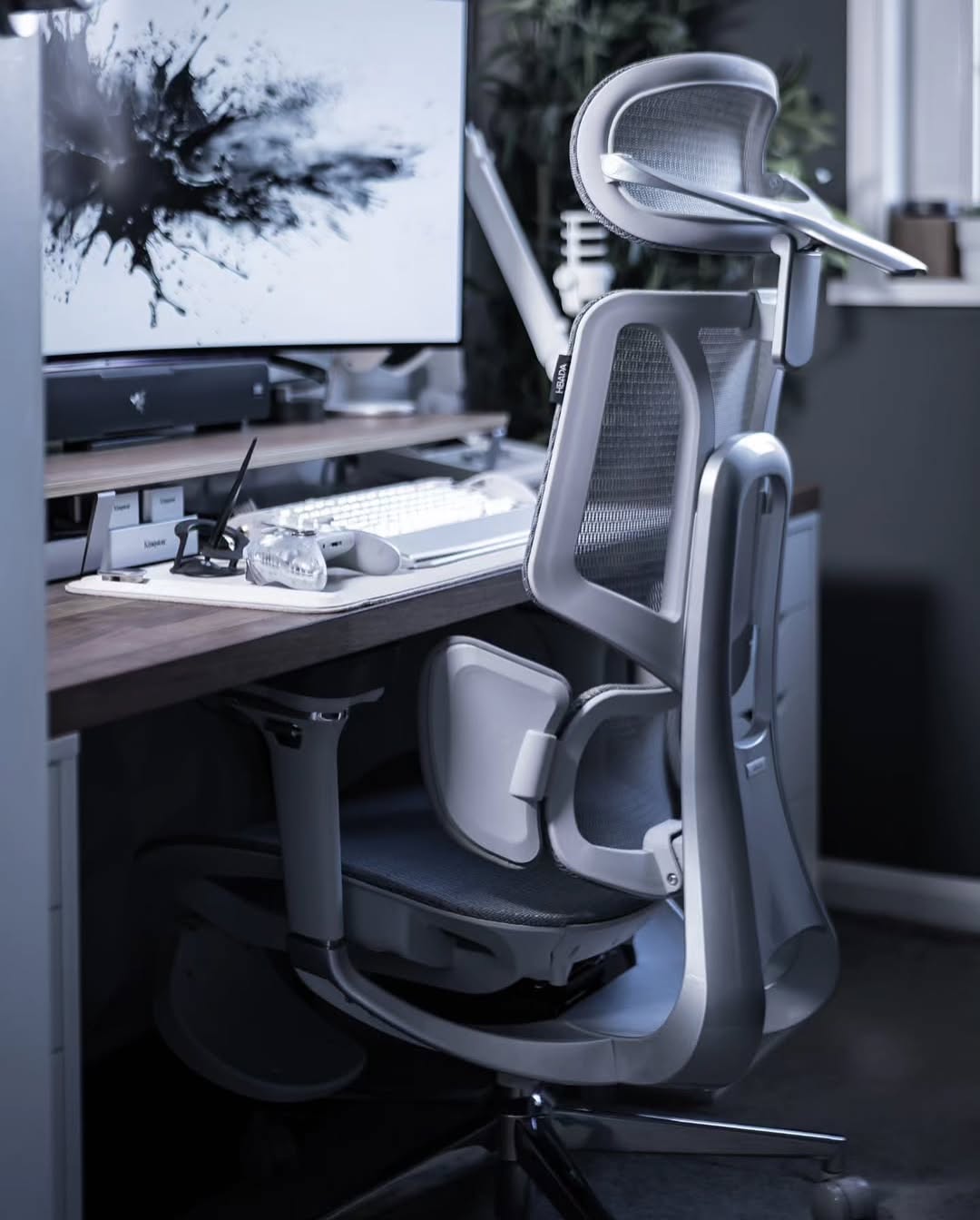
The HBADA E3 Pro is built to fit larger body types. Its strong frame and wide backrest support broad shoulders. The seat depth slider lets taller users move the cushion forward to support their thighs and keep a safe gap behind their knees.
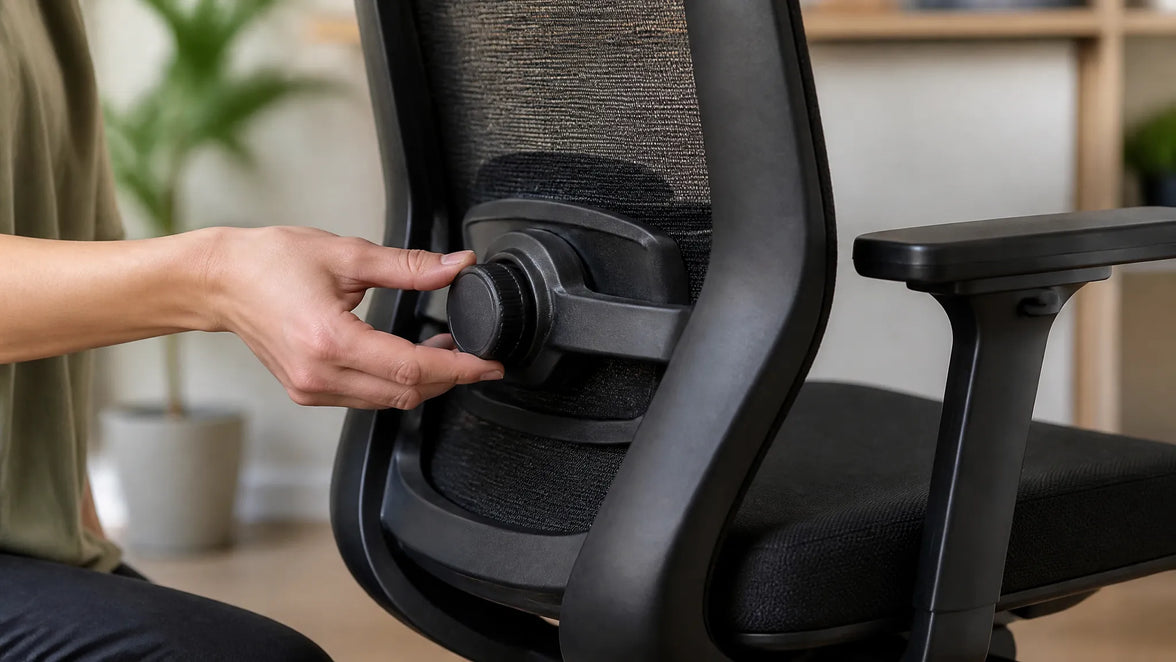
The chair also has a 3-zone lumbar support system. The middle part supports your lower back, while the side wings adjust as you move, helping to prevent back strain, especially for taller people.
The Short Person’s Guide: Achieving Lower Leg Grounding and Desk Alignment
Shorter people need chairs that can go lower and have a shorter seat depth to help them sit with good posture.
Crucial Metrics for Shorter Users
If you are shorter, look for chairs with these features:
· Low Minimum Seat Height: A compressed base height of 16 inches or less from the floor to ensure full foot contact.
· Shallow Seat Depth Profile: A seat cushion length of 17 inches or fewer, or a responsive slider that shifts the backrest forward.
· Inward-Pivoting Armrests: Arm pads that slide closer together to match narrower shoulder widths, preventing upper arm strain.
Eradicating the Hanging Foot Problem
When your chair is low enough for your feet to touch the floor, your weight is spread across your feet and thighs. This takes pressure off your lower back and hips.
Our chairs use special low-profile gas cylinders so shorter people can sit comfortably without extra footrests. This lets your arms rest level with your desk and your feet stay flat on the floor, giving you a better fit at your workstation.
Universal Intelligence: How the Hbada AI-Powered x7 Solves the Size Spectrum
With regular chairs, you have to know your body size and adjust everything by hand. New smart chairs can automatically adjust to fit you.
Automated Posture Profiling via Smart Tracking
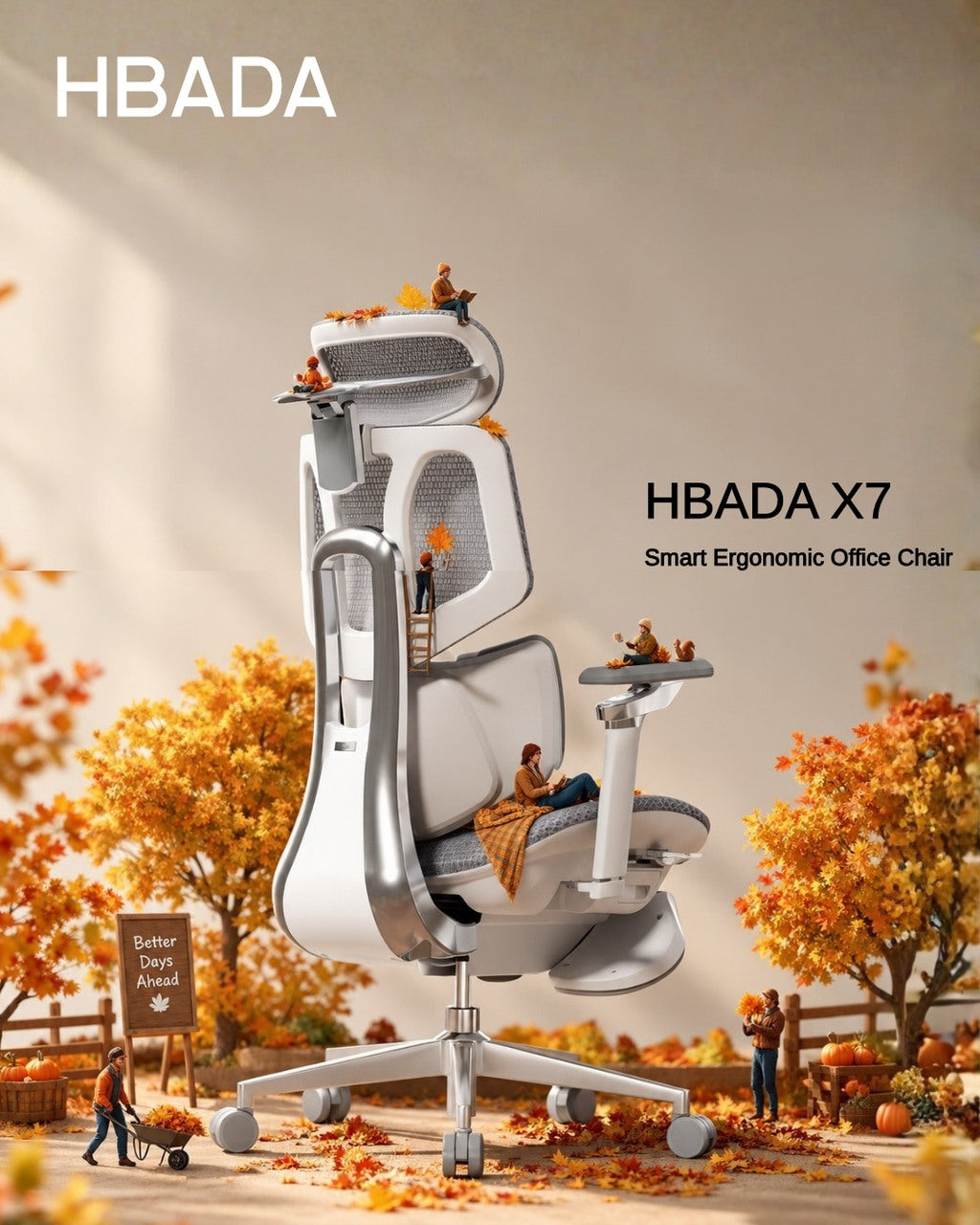
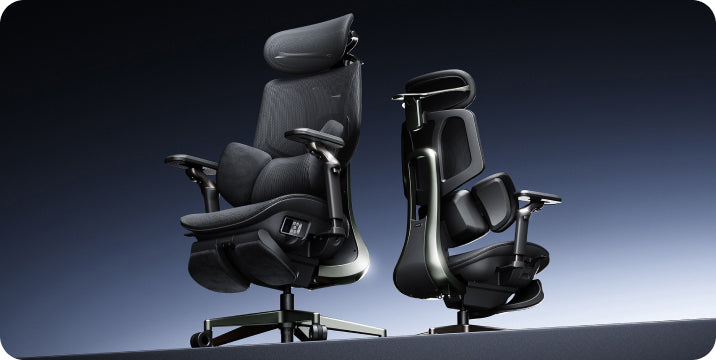
The Hbada AI-Powered x7 represents a massive leap forward in automated workspace health. Instead of using manual knobs, the chair features built-in microsecond-level Hall magnetic pressure sensors that analyze your unique size profile the moment you sit down. The internal core detects your exact weight distribution, torso length, and sitting habits, building a personalized support profile without requiring any manual adjustments.
Motorized Adapting Zones for Tall and Short Profiles
Once the smart system maps your body shape, the Hbada AI-Powered x7 uses internal linear motors to adjust its shape to fit your frame. The motorized lumbar support adjusts its depth forward or backward up to 50mm, providing tailored lower back care whether you have a tall torso or a shorter build.
The chair also includes our 720° bio-sync tracking arms that adjust to your exact arm angle and shoulder span, providing a perfect universal fit that adapts to any height across your household or office.
Anthropometric Sizing Guide Across Seating Tiers
To help your facility management or human resources team select the ideal setup, we have mapped out our core configurations against standard European height percentiles.
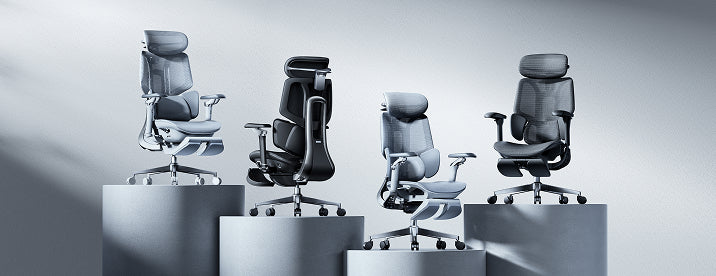
· Hbada E3 Air: Optimized for heights between 5’0" and 6’0", offering a flexible, lightweight mesh build ideal for hot-desking layouts and standard hybrid office zones.
· HBADA E3 Pro: Engineered for heights between 5’4" and 6’4", utilizing an advanced mechanical seat depth slider and a reinforced double-diamond backrest to support taller users perfectly.
· Hbada AI-Powered x7: Provides a universal fit for heights from 4’11" to 6’5", using automated sensor tracking and motorized micro-adjustments to adapt to any body shape automatically.
Technical Checklist: Setting Up Your Personal Size Profile
Regardless of which model you choose, checking your home office layout ensures optimal physical alignment. Use these professional tips and guides to calibrate your desk setup:
· The 2-Inch Knee Gap Rule: Sit completely back against your lumbar support. Verify that there is a 2-to-3-inch gap between the front edge of the seat cushion and the back of your knees to maintain healthy blood circulation.
· The 90-Degree Elbow Pivot: Adjust your armrest height so your forearms are perfectly parallel to your desk surface, keeping your shoulders completely relaxed while typing.
· Line of Sight Calibration: Adjust your monitor height so the top third of your display sits directly at eye level. This prevents you from tilting your head down, which can strain your neck.
· Activate Onboard Heat: If your chair features built-in thermal systems, turn them on during cold mornings to keep your muscles loose, flexible, and ready for work.
Frequently Asked Questions (FAQ)
What is the minimum height requirement to ensure my feet rest flat on the floor?
According to international commercial safety directives, an office chair size guide requires a minimum seat height adjustment of 16 inches or less to support individuals under 5’2". Keeping your feet flat on the floor unloads weight from your thighs and stops your pelvis from tilting uncomfortably.
Can a chair with an active smart system accurately map different torso heights?
Yes. The Hbada AI-Powered x7 uses advanced pressure sensors to read your exact sitting position. The intelligent system automatically micro-adjusts its motorized lumbar support to match your specific torso length, ensuring accurate spinal alignment whether you are tall or short.
Why is an adjustable seat depth slider critical for preventing lower back pain in tall people?
A seat slider is an essential feature on any professional chair for tall people's requirements. Extending the seat cushion forward supports your entire thigh muscles, preventing your body weight from concentrating on your sit bones and helping you avoid slouching forward toward your desk.
Do European workplace safety laws mandate adjustable seating for tall or short employees?
Yes. Under the Health and Safety (Display Screen Equipment) Regulations, employers must provide stable, highly adjustable seating. The law requires chairs to feature independent height and backrest tilt adjustments to ensure a safe, supportive setup for employees of all heights.
Conclusion
Selecting the ideal office setup comes down to your personal height profile and the level of manual customization you prefer. If you fall firmly in the taller percentile and want a heavy-duty mechanical frame with a highly flexible seat depth slider and manual 3-zone lumbar wings, the HBADA E3 Pro is an exceptionally reliable and supportive choice. If you want to remove all the guesswork from setting up your workstation, upgrading to the Hbada AI-Powered x7 is the ultimate choice.