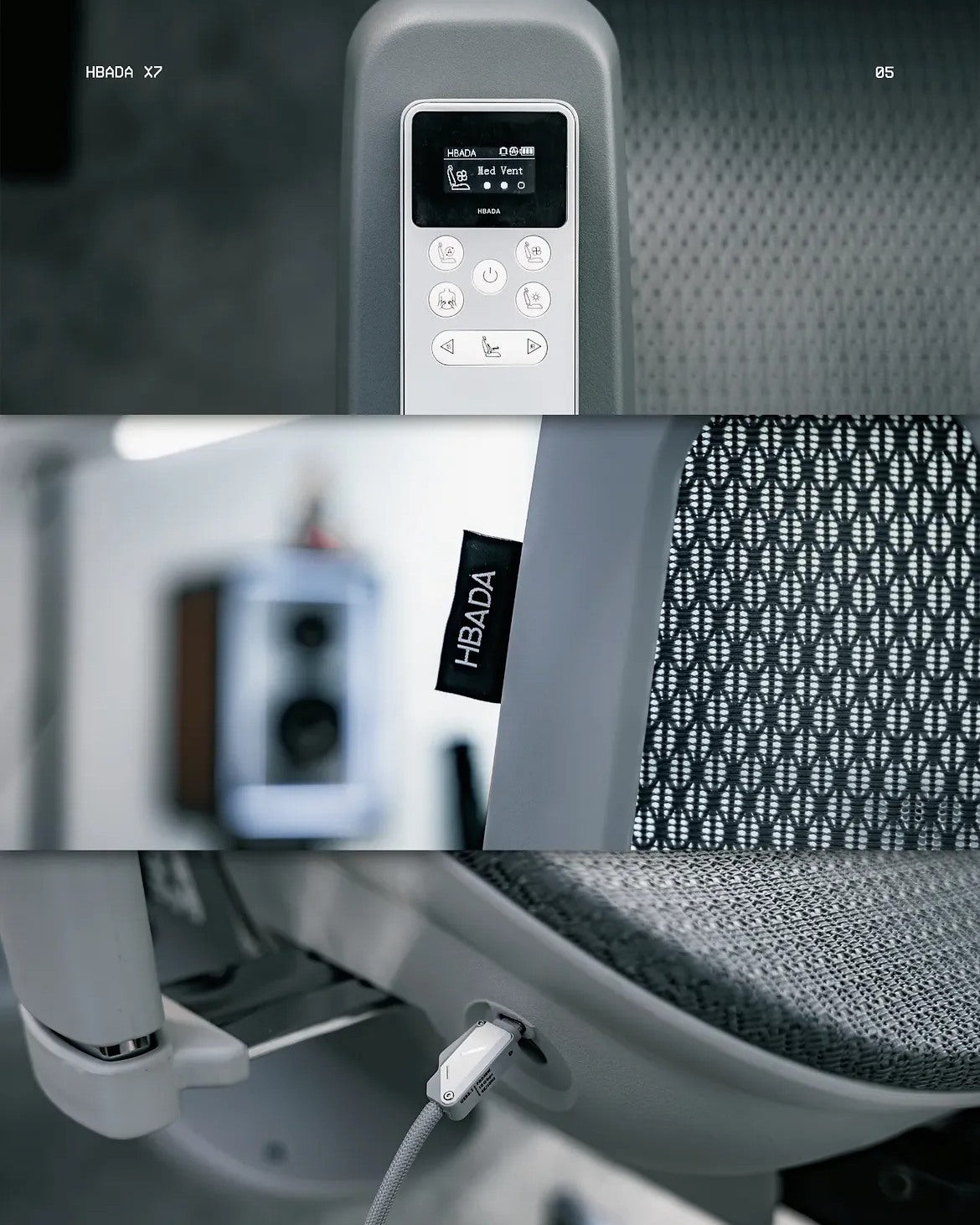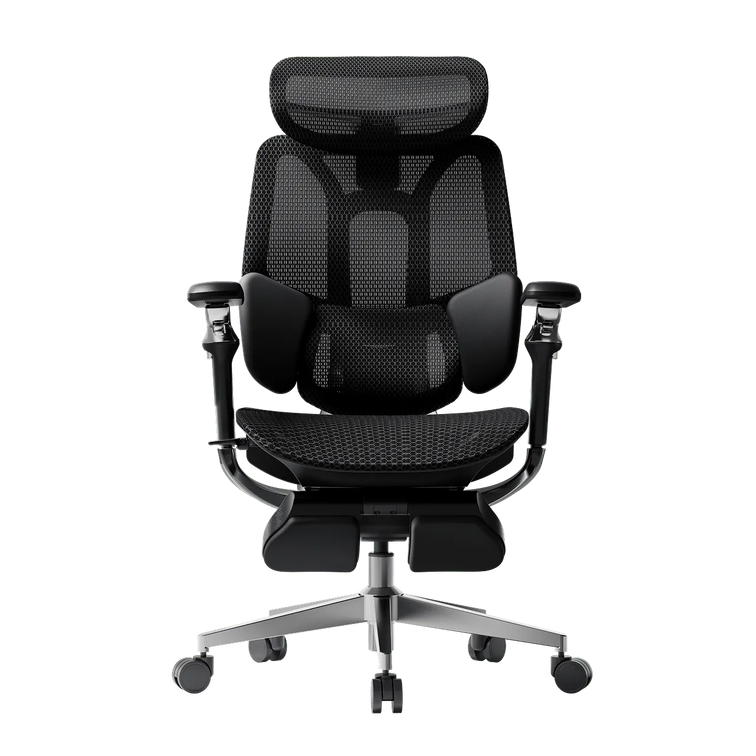
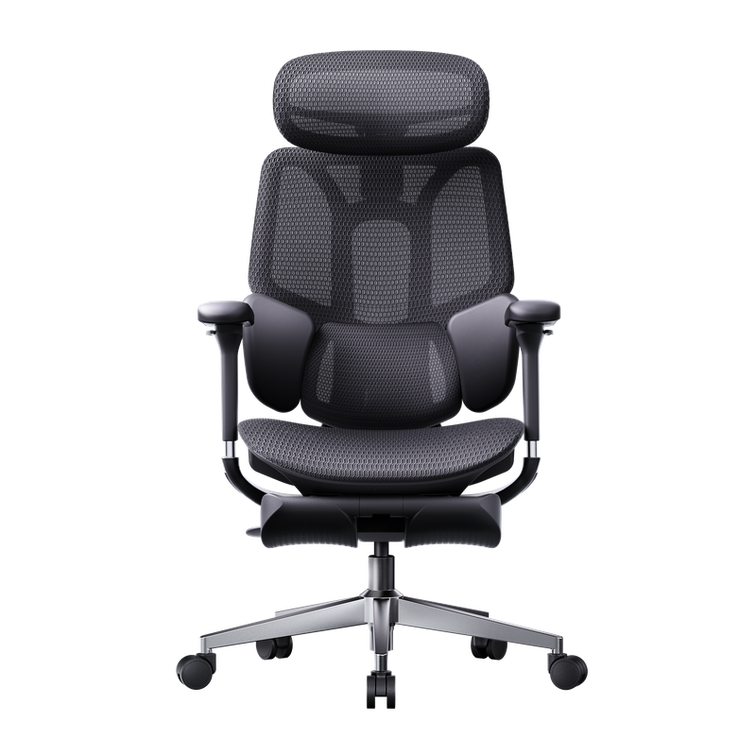
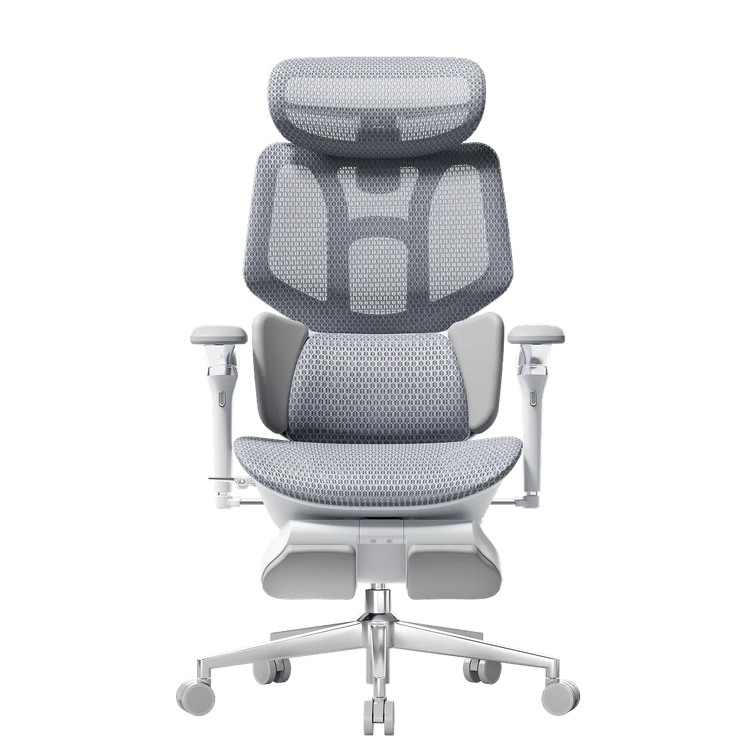
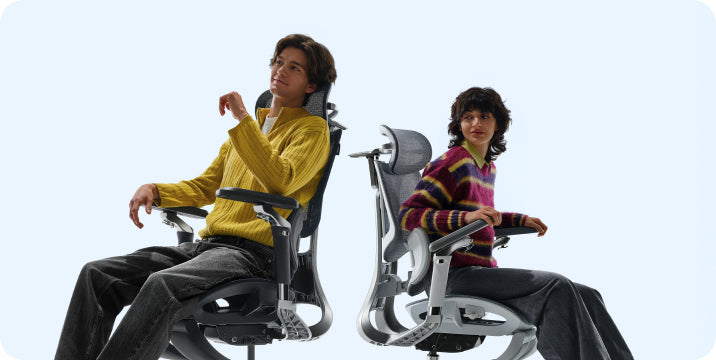
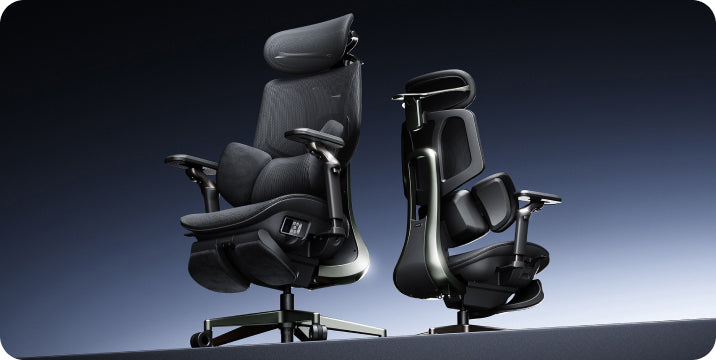

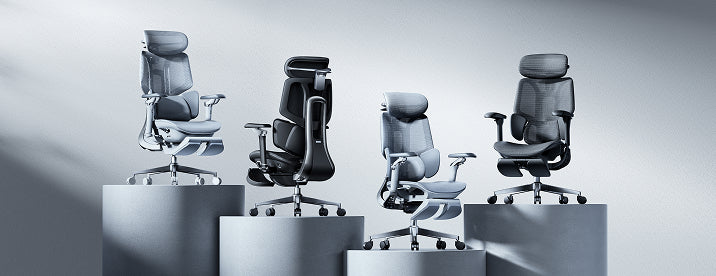
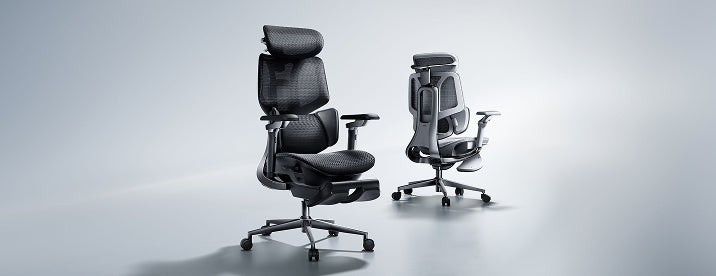
A smoother workspace starts from the ground up.
For hardwood and tile, choose soft, non-marking office chair wheels rated for hard floors, such as suitable polyurethane (PU) or rubber-tread casters. For carpet, carpet-rated firmer wheels or larger-diameter casters may roll more easily. Always confirm compatibility with your chair and floor.
That faint scraping sound when you move your office chair is worth checking. It could mean the wheels and flooring are not a good match, but trapped dirt or a damaged caster may also be responsible.
Whether you already own a HBADA chair or are choosing one for a new workspace, the floor beneath it deserves attention too. The right caster setup helps the chair move as intended while reducing unnecessary wear on your flooring.
Why Caster Material Matters

Office chair wheels are not all designed for the same surface. Some hard plastic or nylon casters are intended for carpet, while softer-tread versions are designed for hard floors.
The basic starting point is simple: choose soft, hard-floor-rated treads for hard flooring and suitable carpet-rated casters for carpet. Wheel diameter, tread firmness, bearings and the supported load also affect how easily a chair rolls.
Check the specification, not just the material. PU comes in different hardnesses, and rubber formulations vary. The caster's intended floor type and compatibility with your chair matter more than the material name alone.
Office Chair Wheels for Hardwood Floors

If you are looking for office chair wheels for hardwood floors, start with soft, non-marking casters specifically rated for that surface. Suitable PU or rubber treads can provide a gentler contact surface and reduce rolling noise compared with hard carpet casters.
Hard wheels intended for carpet may be unsuitable for a finished wood floor. However, a softer tread is not a guarantee against scratches: grit caught underneath any wheel can damage a delicate finish.
- Follow the flooring manufacturer's care guidance.
- Keep the wheels and the rolling area free of dirt.
- Check for embedded grit, cracks and uneven wear.
- Consider a suitable protective mat for delicate finishes or heavy daily use.
If your current HBADA chair moves smoothly and its casters are confirmed suitable for your floor, there is no need to replace them simply because another wheel looks different.
Chair Wheels for Tile Floors
Tile often calls for a similar approach to hardwood: soft, non-marking casters rated for hard surfaces. These can help reduce rolling noise and the risk of scuffing when the wheels and floor are kept clean.
Grout lines add another consideration. A slightly larger wheel may cross shallow seams more smoothly than a small wheel, but deep grout or uneven tile edges can still interrupt movement.
Test the transitions. Check movement across grout lines and tile edges, not just across the center of one smooth tile. Avoid forcing the chair over uneven flooring.
Office Chair Casters for Carpet
Carpet changes the priorities. A soft tread that rolls smoothly on hardwood may require more effort to move through carpet fibers. Firmer, carpet-rated wheels can work well on low-pile surfaces, while a larger diameter may help reduce rolling resistance.
For thick or high-pile carpet, changing wheels may not be enough. A chair mat designed for the carpet type and pile height can provide a firmer rolling surface. The casters must also be suitable for that mat.
In a room with both carpet and hard flooring, check that the wheels are rated for both surfaces. Test movement and control on each, rather than assuming one setup performs identically everywhere.
Rubber Office Chair Wheels vs. Hard Nylon Casters
Neither material is automatically the best choice for every workspace. The useful comparison is how each caster is designed to interact with your floor.
Rubber and soft PU
Suitable hard-floor versions offer a softer contact surface and can reduce rolling noise. They still need regular cleaning, and some designs require more effort to move across thick carpet.
Hard nylon
Carpet-rated nylon casters can roll effectively on low-pile carpet. Do not assume the same wheels are suitable for wood, polished tile or a hard chair mat.
For your HBADA chair, choose compatibility first: the appropriate floor rating, attachment type, load capacity and wheel size all need to work together.
What Are Rollerblade Chair Wheels?

Rollerblade-style chair wheels resemble inline-skate wheels. Many use a single, relatively large wheel in each caster assembly, rather than the twin-wheel arrangement common on traditional office-chair casters.
Some use PU treads and are designed for hard floors or mixed surfaces. Performance depends on the actual tread, bearings, wheel diameter and caster construction, not simply the shape.
This style is not automatically an upgrade for every chair. A larger replacement can raise the seat, affect clearance and change how readily the chair rolls. Check compatibility with HBADA before changing the original caster setup.
Quick Reference: Wheels by Floor Type

Use this table as a starting point, then confirm the requirements of your exact floor and chair.
| Floor type | Starting point | Important check |
|---|---|---|
| Hardwood | Soft, non-marking PU or rubber rated for wood floors. | Finish compatibility, wheel cleanliness and floor-care guidance. |
| Tile | Soft, hard-floor-rated casters. | Grout depth, tile edges and movement across seams. |
| Low-pile carpet | Carpet-rated nylon or appropriately firm PU casters. | Rolling resistance, supported load and caster condition. |
| Thick or high-pile carpet | Suitable larger casters or a carpet-rated chair mat. | Mat suitability, caster compatibility and stability. |
| Mixed flooring | Casters explicitly rated for the surfaces involved. | Controlled movement on hard floors and easy rolling on carpet. |
How HBADA Chairs Handle This, By Model
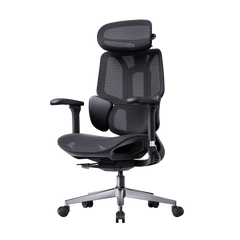
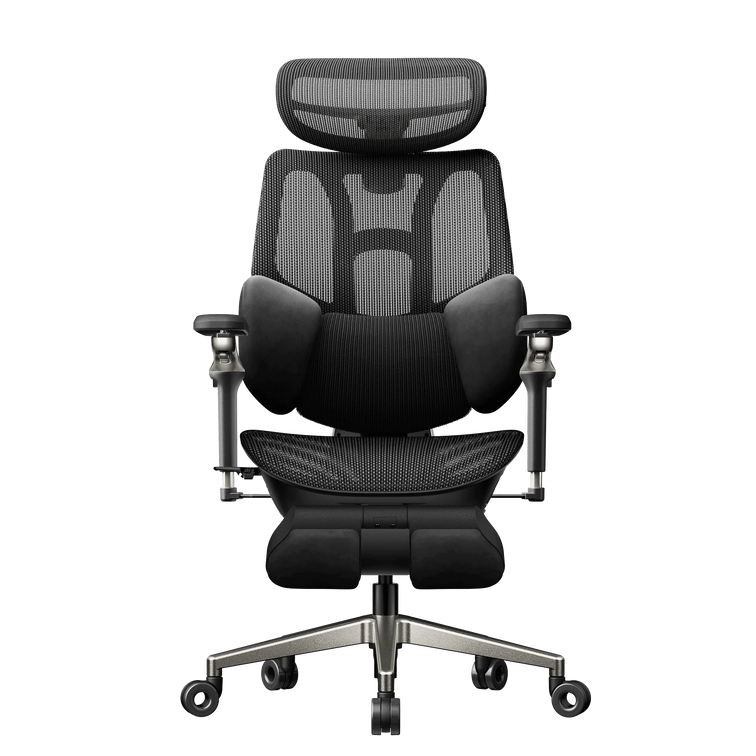
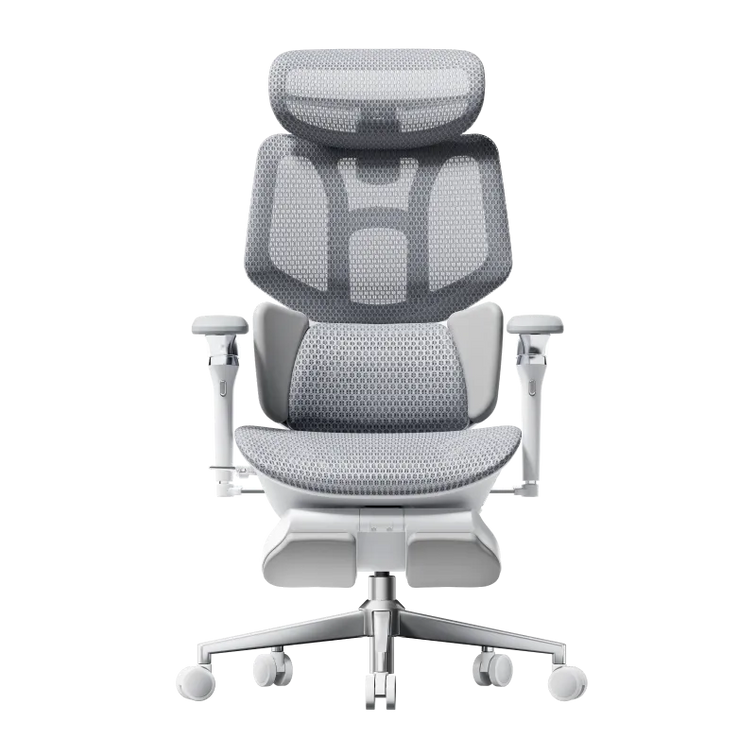
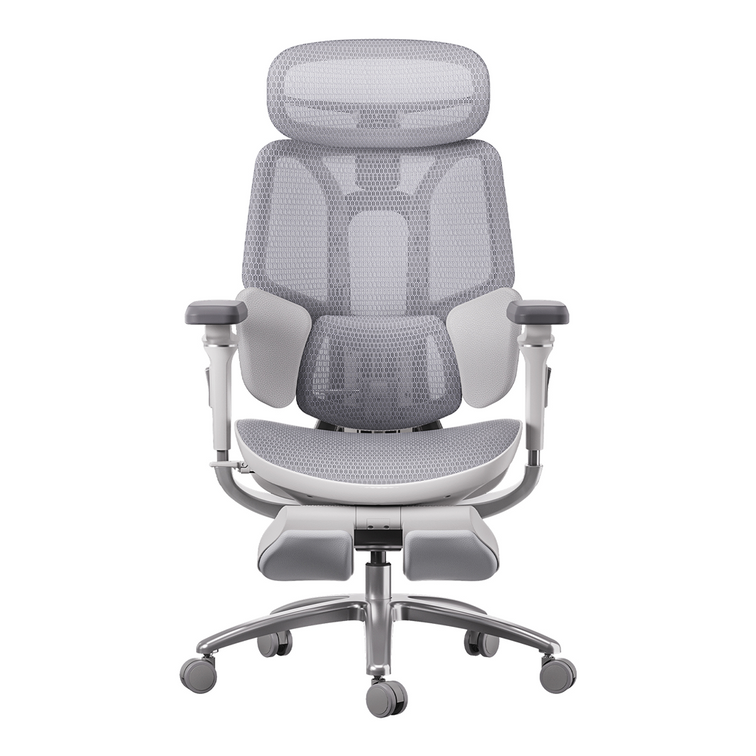
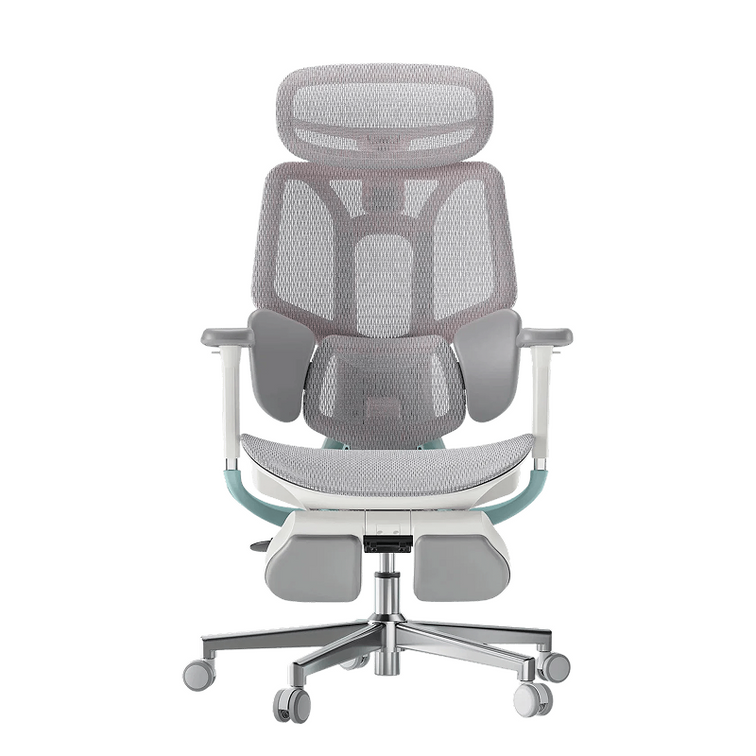
When choosing between HBADA models, consider the whole workspace: your floor, desk height, body dimensions and preferred adjustments. Casters are one part of that setup, not a substitute for getting the chair fit right.
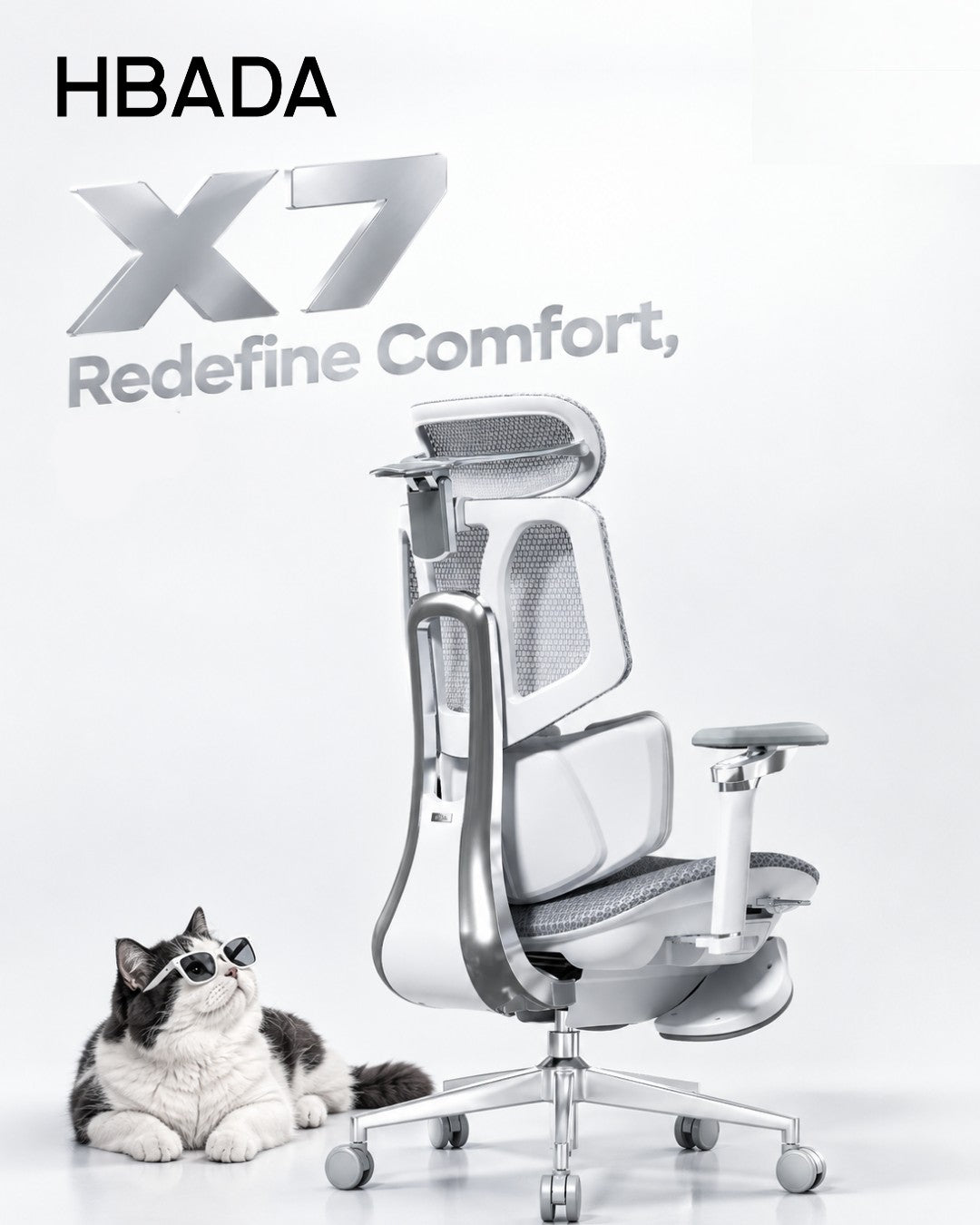
Replacement compatibility should be checked against the exact model and version. Do not assume that the X7, E3 Pro and E3 Air use interchangeable caster parts.
| Model | What to check | Product details |
|---|---|---|
| HBADA X7 | Confirm the approved caster attachment, floor suitability and replacement part for your X7 version. | Explore HBADA X7 |
| HBADA E3 Pro | Check the model year, stem dimensions and compatible caster options before ordering replacements. | Explore HBADA E3 Pro |
| HBADA E3 Air | Confirm the supplied caster specification and whether it suits your floor or chair mat. | Explore HBADA E3 Air |
Already own a HBADA chair? Have your model name, order information and photos of the existing caster ready when contacting HBADA support. These details help identify the correct replacement without relying on a “universal fit” label.
How to Replace Your Casters
Many push-fit casters can be changed without specialist tools. Threaded, clipped or other attachments require a different approach. Follow your chair's instructions rather than assuming every caster pulls straight out.
- Confirm the replacement specification. Check the attachment type, stem diameter and length, wheel diameter, clearance and load rating. A common aftermarket grip-ring stem is about 7/16 inch (11 mm) in diameter, but this is not a confirmed fit for every HBADA chair.
- Position the empty chair securely. Protect the chair and floor with a soft covering. Follow the manual for safe positioning and get help with a heavy chair. For powered models, follow the manufacturer's power-off instructions.
- Remove the old caster correctly. For an approved push-fit design, grip the caster assembly close to the stem and pull as directed. Do not force a threaded or retained fitting.
- Install a compatible, matching set. Seat each caster fully according to the instructions. Do not mix different wheel heights or incompatible caster types on the same base.
- Check the chair before sitting down. Return it upright, confirm that every caster is securely fitted and contacts the floor, and test movement without a person seated. Recheck seat height and desk fit if the wheel size has changed.
If a socket is damaged, a caster will not seat fully or the chair feels unstable, stop and contact HBADA support rather than forcing the installation.
Frequently Asked Questions
What are the best office chair wheels for hardwood floors?
Start with soft, non-marking casters specifically rated for hardwood, such as suitable PU or rubber treads. Check your floor manufacturer's advice and keep the wheels clean. No caster guarantees protection against scratches caused by grit or damage.
Do I need different wheels for tile versus hardwood?
Not necessarily. A caster approved for both surfaces may work for either. Tile also requires attention to grout lines and uneven edges, so wheel diameter and rolling control matter alongside tread material.
Why can factory-standard casters damage hard floors?
Some casters are intended for carpet rather than hard flooring. Unsuitable treads, embedded dirt or damaged wheels can contribute to scuffs and scratches. Check the actual caster specification before deciding that the original wheels need replacing.
Are rollerblade chair wheels better than standard casters?
Not automatically. Many use a larger single wheel per caster, but suitability depends on the floor, attachment, load capacity and overall height. For a HBADA chair, confirm compatibility before changing the original wheel design.
What size caster fits a HBADA office chair?
Confirm the dimensions for your exact model and version with HBADA. Stem diameter alone is not enough: stem length, attachment type, wheel clearance and load rating also matter. Do not assume an aftermarket 11 mm stem fits every model.
Do rubber office chair wheels work on carpet too?
Some do, if rated for carpet. Performance depends on tread firmness, wheel diameter, load and carpet pile. Thick carpet may require a suitable chair mat rather than a simple change of wheel material.
Final Thoughts
Choosing office chair wheels for hardwood, carpet or tile starts with a practical question: does this caster suit both my floor and my chair?
Match the floor rating, confirm compatibility and keep the rolling area clean. If you already own a HBADA chair, check the original caster specification before making changes.
Planning a new workspace? Compare the HBADA X7 , E3 Pro and E3 Air to find the adjustments and dimensions that fit your desk and daily routine. Then confirm the floor setup that works with your chosen model.